23 Reasons Inflation Is Hitting Households Harder in 2026


Inflation is now a key topic, with higher prices changing how families plan budgets and spending. Basics like food, rent, and gas cost a lot more, putting stress on many homes.
A recent survey shows 64% of Americans say inflation is a very serious problem in the United States. This big rise makes families shift priorities as paychecks lag behind living costs.
This article covers 23 main causes of inflation’s hit to your wallet. Supply chain issues to energy prices, we break down the top drivers of these cost jumps and their effect on your money.
Have you seen your spending change due to inflation? Share in the comments, or read on for tips and facts!
Shifting Consumer Trends

Changes in what people buy help cause inflation by boosting demand for some goods. Trends such as remote work, health focus, or more travel change markets. Companies raise prices to match this demand, which lifts costs.
For example, demand for home office gear jumped in the pandemic, so prices rose. In the same way, demand for green products leads to higher prices from extra production costs. These trends show what society values but also hit home budgets.
People who grasp these changes can plan spending better. They match trends to keep financial goals in line with new tastes.
Natural Resource Depletion

The depletion of natural resources increases their value, making them more expensive. Scarce materials like oil, minerals, and freshwater see rising costs due to limited availability. This affects industries reliant on these resources, pushing up prices for finished goods.
Efforts to find sustainable alternatives often involve significant investment, which adds to inflation. Consumers face higher prices for energy, electronics, and even basic necessities. The long-term challenge lies in balancing resource conservation with economic growth.
Fostering awareness and supporting sustainable practices can help alleviate these pressures. Until then, resource scarcity remains a key driver of rising costs.
 If you like what you are reading, then click like and subscribe to my newsletter. We share tips to waste less time and money.
Technological Advancements

While innovation often reduces costs over time, initial technological advancements can drive inflation. New technologies require significant investment in research, development, and infrastructure. Companies pass these costs along to consumers through higher product prices.
Adopting cutting-edge tech also increases demand, driving prices higher in the short term. Products like electric vehicles and renewable energy systems remain expensive despite long-term savings potential. This creates financial hurdles for early adopters.
Patience and broader adoption often lead to lower prices eventually. Until then, technological advancements continue to contribute to inflationary trends.
Corporate Profit Margins
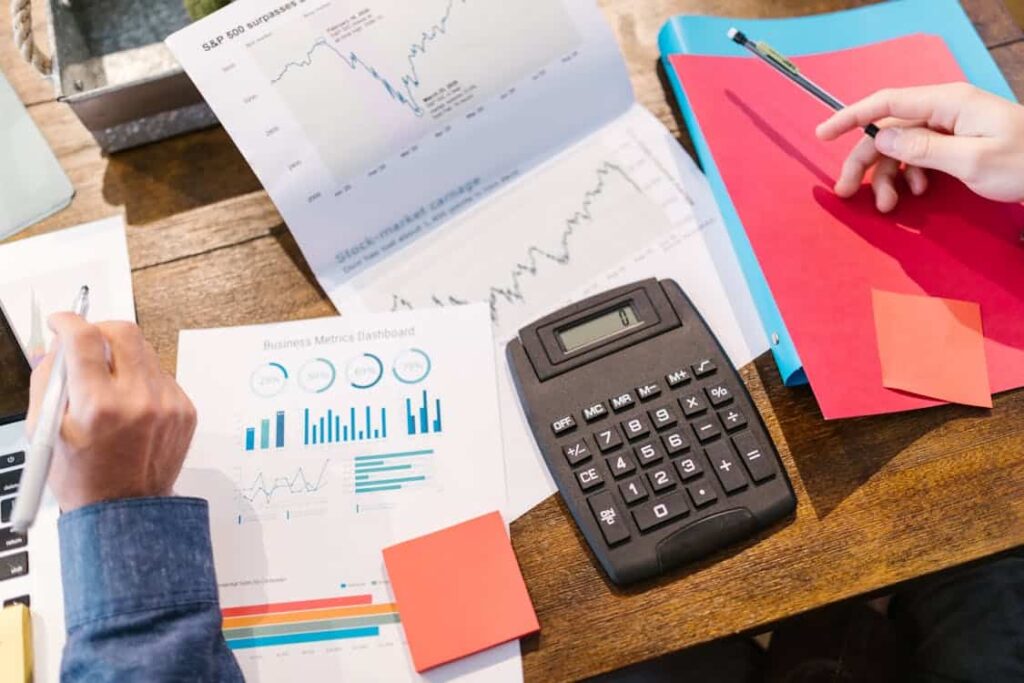
Corporations often raise prices to guard or boost their profit margins. This makes inflation worse. Businesses pass on higher costs to buyers instead of taking the hit. The plan keeps profits safe but hurts family budgets.
Big companies at times use inflation to push up prices more than their own cost rises. This act, called “price gouging,” makes money woes harder for buyers.
Buyers have fewer choices in inflation, above all for basic items. Higher prices make it tough to cover daily costs. Families end up with slim money room.
Global Food Distribution Inefficiencies

Inefficiencies in global food distribution systems add to inflation by wasting resources and increasing prices. Poor logistics, spoilage, and unequal access create higher costs for suppliers and buyers. These inefficiencies worsen during crises, amplifying inflationary effects.
Food distribution struggles often stem from inadequate infrastructure and lack of investment in storage facilities. Perishable items like fruits and vegetables see the most dramatic price hikes. These losses affect consumers and producers alike, straining financial stability.
Efforts to improve distribution systems are underway, but progress is slow. Meanwhile, families cope with fluctuating grocery prices, adjusting budgets to cover essential purchases.
Seasonal Variability in Production

Seasonal changes affect production costs, leading to price fluctuations that exacerbate inflation. Weather-dependent industries like agriculture and tourism see higher variability. These seasonal impacts trickle into markets, creating financial unpredictability for consumers.
Crops requiring specific climates face challenges during unusual weather patterns, reducing supply and raising prices. Seasonal labor shortages also contribute to higher operational costs for businesses.
Consumers must adjust spending habits to manage seasonal cost increases. Understanding these patterns can help families prepare for predictable fluctuations in their expenses.
Technology Supply Chain Bottlenecks

Technology production delays increase prices on goods such as electronics, contributing to inflation. Shortages in semiconductors, for example, have caused ripple effects across industries. Higher costs for tech products impact consumers and businesses alike.
These bottlenecks stem from limited production capacity and growing global demand. Companies scramble to secure components, driving prices higher across markets. Families often delay purchasing tech items, further straining budgets.
Expanding manufacturing capabilities could alleviate these bottlenecks, but solutions take time. Until then, technology-dependent goods continue contributing to overall inflation, squeezing wallets tighter.
Shifting Trade Policies
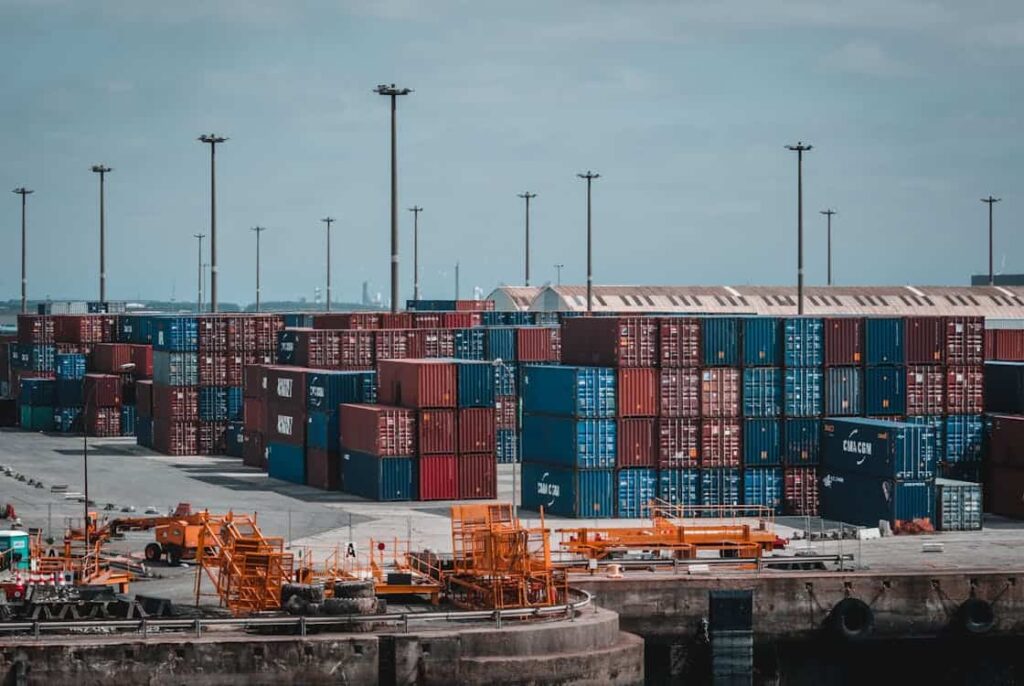
Changes in international trade policies raise costs by changing market dynamics and boosting import prices. Tariffs, sanctions, or trade restrictions break supply chains, so businesses must use costlier options. These changes pass to consumers.
Trade policy shifts can make key goods scarce or much pricier. Families pay more for items like electronics, clothing, or household goods. Keeping trade relations steady with economic health stays a key challenge.
Trade agreements try to steady markets, but their rollout often sparks inflation waves. Consumers see this in daily spending as prices shift without pattern.
Higher Advertising Costs
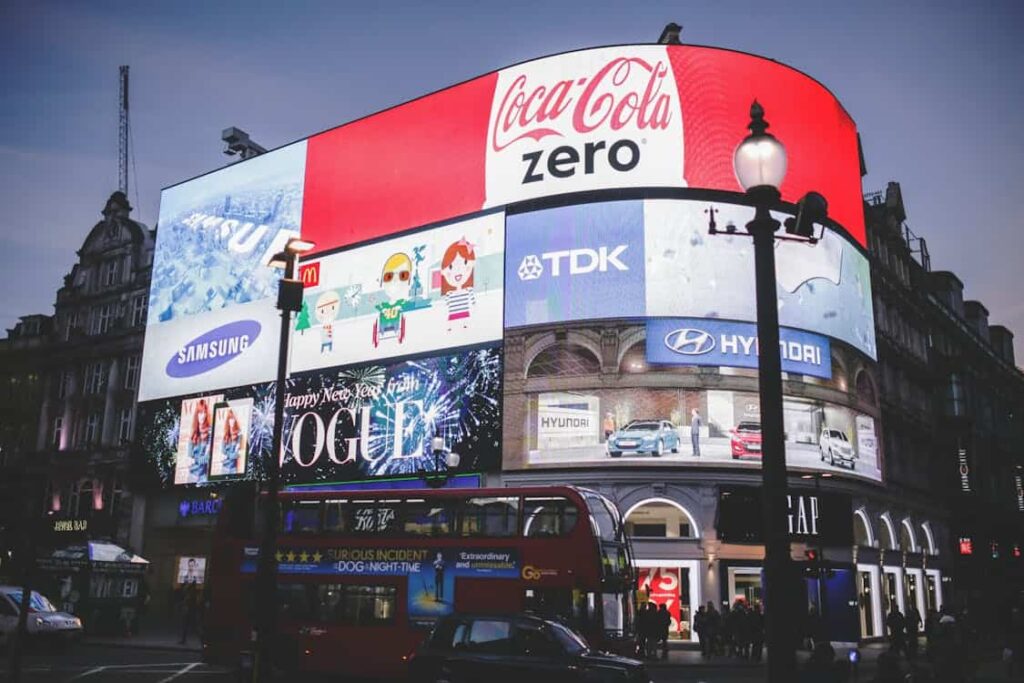
Increased advertising costs drive up prices for goods and services as companies allocate more resources to marketing. Rising competition and digital platform fees inflate promotional budgets, affecting pricing strategies. Businesses adjust prices to recover these expenses.
The growing reliance on online advertising intensifies this trend, with companies vying for visibility. Consumers indirectly pay for these campaigns through higher product costs. The impact is widespread, touching everything covering groceries to luxury items.
Reducing advertising dependency could lower expenses for businesses and consumers. Until then, elevated marketing costs remain another inflationary burden affecting household finances.
Supply Chain Disruptions

Transportation and energy costs accounted for significant increases in food prices during 2022 due to supply chain disruptions. Ongoing supply chain issues have dramatically driven up costs for goods.
Bottlenecks in transportation and production delays make it harder for products to reach consumers. With reduced availability, demand outstrips supply, forcing prices higher than usual. The global pandemic worsened existing vulnerabilities in the supply chain.
Businesses scrambled to adapt, while consumers faced empty shelves and increased costs. These interruptions are still affecting industries, exacerbating inflationary pressures today. Efforts to resolve supply chain challenges take time, leaving consumers to bear the brunt of higher costs.
Rising Energy Costs

Energy prices play a key role in overall inflation. Higher costs for oil, gas, and electricity directly impact households and businesses. When energy becomes more expensive, production costs for goods also rise, creating a domino effect.
The energy sector has faced volatility due to geopolitical tensions and limited resources. These factors contribute to sharp increases in fuel prices, affecting everything covering heating homes to transporting goods. This cascading effect places a financial strain on families and industries alike.
Renewable energy solutions are growing, but they take time to scale. Meanwhile, dependency on traditional energy sources continues to drive inflationary pressures globally.
Increased Consumer Demand

After the pandemic, consumer spending jumped and raised demand for goods. People bought more for home fixes and trips, which drove up prices. This demand growth added a lot to inflation.
High demand shows the economy is getting better, but it stresses supply chains. Businesses can’t match it fast, so stocks run low and prices climb. Buyers then get less options and pay more.
Work to match demand and supply goes on, but ongoing inflation proves these forces hit home budgets hard. Knowing this link helps families expect price shifts.
Labor Shortages

Labor shortages are another major factor fueling inflation. A reduced workforce forces businesses to offer higher wages, increasing operational costs. These costs often translate into higher prices for goods and services.
The pandemic reshaped job markets as workers reevaluated career choices or left certain industries altogether. Employers now face stiff competition to fill positions, which drives wages upward. While higher pay is positive for workers, it contributes to inflation.
Addressing labor shortages requires long-term strategies, such as skills training and improved job conditions. Until then, consumers are likely to see price increases across various sectors.
Housing Market Pressures

Rising costs in the housing market make living expenses harder to manage. Higher home prices, rental rates, and construction costs strain household budgets. This inflationary trend affects not just homebuyers, but renters as well.
The housing boom reflects strong demand, limited supply, and increased construction expenses. These combined factors push prices higher, with ripple effects throughout the economy. For many, affording a home becomes an increasingly distant dream.
Policymakers and industry leaders are exploring solutions, but resolving housing pressures takes time. Meanwhile, the housing crisis continues to weigh heavily on family finances.
Food Price Increases

According to recent studies, the inflation rate for food in 2022 was the highest since 1979, surpassing the typical 2% annual increase. Grocery bills are soaring due to inflation, putting pressure on families to adjust their spending habits.
Rising costs of raw materials, farming inputs, and transportation contribute to this surge. These increases make essentials like fresh produce and dairy significantly more expensive. Weather events and climate change also play a role in driving up food prices.
Crop failures and supply disruptions lead to shortages, amplifying inflationary effects. Shoppers face higher costs while struggling to maintain healthy eating habits. Efforts to stabilize food prices require global coordination and innovation in agriculture.
Currency Devaluation

A weak currency cuts buying power right away. When a country’s money loses value, imports cost more. This drives up prices and makes inflation hit daily costs harder.
Currency drops come from economic problems or policy choices. These changes eat into savings and raise the price of goods for regular people. Basics and extras get tougher to buy.
Knowing how currency works lets people get ready for economic changes. Watching money trends can ease inflation’s pain on budgets.
Transportation Costs

Transportation is a critical link in the supply chain, and rising costs here affect all industries. Increased fuel prices and driver shortages drive up shipping expenses, inflating the cost of delivered goods. Consumers eventually pay more at the register.
Businesses often pass these higher costs along to consumers through price adjustments. Products relying heavily on transportation, such as fresh foods or electronics, see steeper inflation. This creates a ripple effect, making everyday purchases less affordable.
Improving transportation infrastructure and efficiency is key to managing these rising costs. Until such changes occur, consumers must adjust to higher price tags.
Healthcare Expenses

Healthcare costs contribute significantly to inflation, straining personal budgets. Rising prices for medications, treatments, and insurance premiums place a financial burden on families. These increases often outpace wage growth, leaving households struggling.
Aging populations and advanced medical technologies drive these expenses higher. While innovation improves health outcomes, it also comes with hefty price tags. The healthcare industry continues to navigate balancing costs with accessibility.
Navigating healthcare inflation requires careful planning and understanding of insurance options. Families benefit from proactive approaches to managing medical expenses in challenging times.
Debt Interest Rates

Inflation also drives up interest rates, making debt repayment more expensive. Credit card balances, loans, and mortgages all see higher costs, impacting household budgets. Rising rates can quickly eat into disposable income.
Central banks adjust interest rates to combat inflation, but this solution creates challenges for borrowers. Monthly payments increase, leaving less room for savings or discretionary spending. The financial strain can be particularly tough for those already in debt.
Planning for higher interest rates is crucial for managing finances during inflationary periods. Adjusting budgets can help mitigate the impact on long-term goals.
Manufacturing Costs

Manufacturing expenses have climbed due to increased raw material prices and labor costs. These additional expenses raise production costs for companies, directly impacting the prices consumers see. Businesses often struggle to absorb these costs without passing them along.
Global factors like resource shortages and geopolitical issues exacerbate these manufacturing challenges. Industries reliant on specific materials, such as semiconductors or steel, feel these effects the most. This drives up the cost of goods ranging from electronics to automobiles.
Investments in technology and alternative materials offer some relief, but these take time to implement. Meanwhile, consumers face higher prices for everyday items and durable goods.
If you like what you are reading, then click like and subscribe to my newsletter. We share tips to waste less time and money.
Increased Taxes and Tariffs

Higher taxes and tariffs on goods add more money stress. Governments use these to raise cash or guard local businesses, but they also push up costs. So, businesses often hike prices to cover their extra bills.
Tariffs on imports make them cost more, cutting consumer options. Plus, higher taxes hit low-income families harder, making money woes worse. These steps show the tough job of mixing economic rules and price control.
Pushing for fair trade and tax fixes can ease some pain. Until changes come, rising taxes and tariffs stay tough for buyers.
Climate-Driven Costs

Climate change has introduced new costs across various industries, fueling inflation. Extreme weather events disrupt farming, manufacturing, and distribution, leading to shortages and higher prices.
Adapting to climate-related challenges often requires costly measures, such as infrastructure upgrades or energy-efficient technologies. These initiatives aim to reduce future risks but contribute to current inflation.
Addressing climate-driven inflation requires global cooperation and innovative solutions. Meanwhile, individuals can adopt sustainable practices to reduce their personal costs where possible.
Global Conflicts
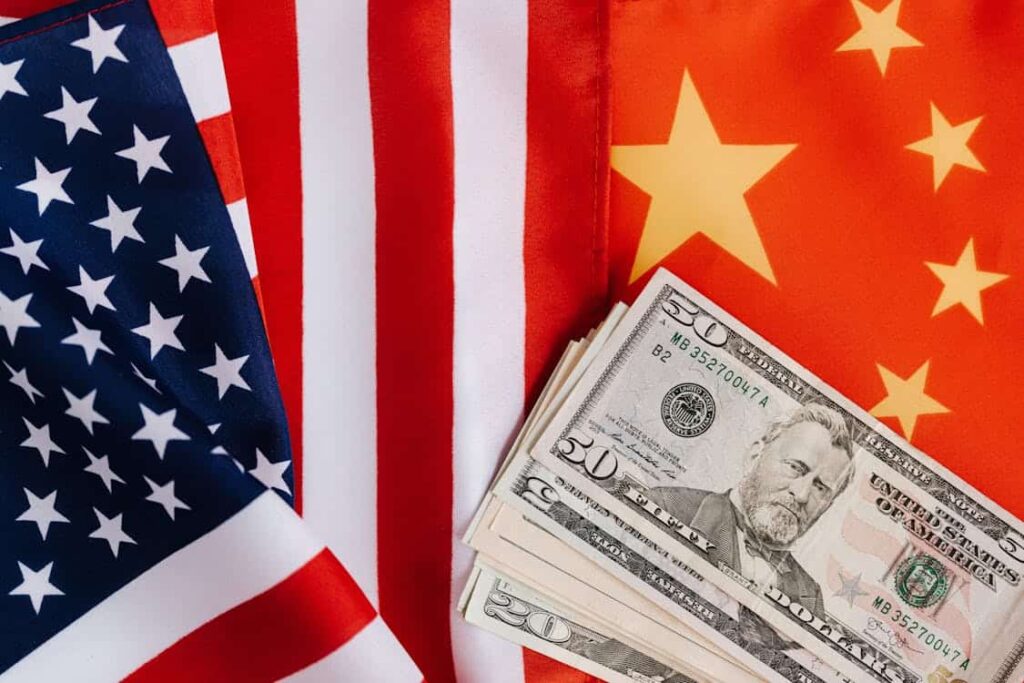
Geopolitical tensions and conflicts bring uncertainty to global markets and push up inflation. Wars, sanctions, and trade fights break supply chains and cut access to key resources. This lack of stability often raises prices for goods and services around the world.
These conflicts hit energy markets too and cause big jumps in fuel prices. Businesses that depend on global trade see higher costs, which they pass to consumers. The effects spread and create money problems for households everywhere.
Building peace and steady international ties stays key to fight inflation from global conflicts. Until that happens, consumers pay the cost of these geopolitical issues.
What You Can Do About Inflation’s Grip on Your Wallet

Inflation is changing how we budget, save, and spend, but knowing its causes is the first step to gain control. Factors like global conflicts and supply chain disruptions may feel out of your reach, but you can act on areas where small changes make a big difference.
Cut unnecessary expenses, plan for seasonal price hikes, and watch interest rates to ease rising costs. Use these tips to adjust your financial plan and stay stable in tough times.
Your wallet might feel tight now, but smart prep and choices let you handle inflation’s hit on your money.
If you like what you just read, then subscribe to my newsletter.