24 Everyday Items That Can Save Lives in Emergencies


In emergencies, simple items can save lives. Power outages, storms, or sudden injuries can hit anyone at any time and leave us short on supplies.
A 2021 survey shows only 46% of Americans have an emergency kit with supplies to last days after a disaster for all in their home. The American Red Cross urges people to keep kits ready.
This shows why you need to use items in your home. This article lists 24 common items you own that can save lives in a crisis, like trash bags to block cold or aluminum foil to signal for help with light.
Do you have these household lifesavers ready? Read on to find new uses for everyday items and get set for surprises.
Paracord
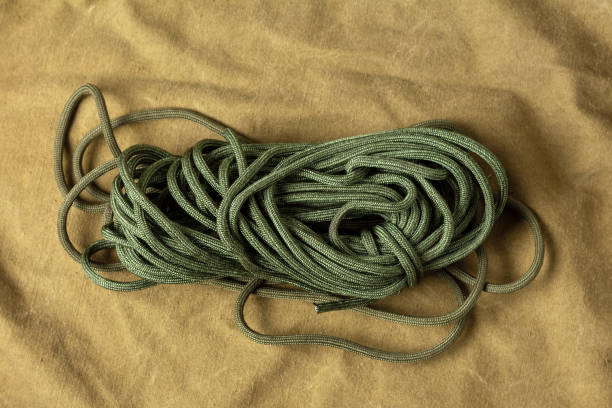
Paracord weighs little but stays very strong. This makes it good for many uses. Tie tarps or branches with it to build shelter. It works as a clothesline too. Or hang food high so animals can’t get it.
In medical problems, paracord serves as a tourniquet, sling, or splint to hold injuries still. Unravel it for thin cord parts if you need them. Paracord helps in building and first aid. It proves key in any crisis.
Zip Ties
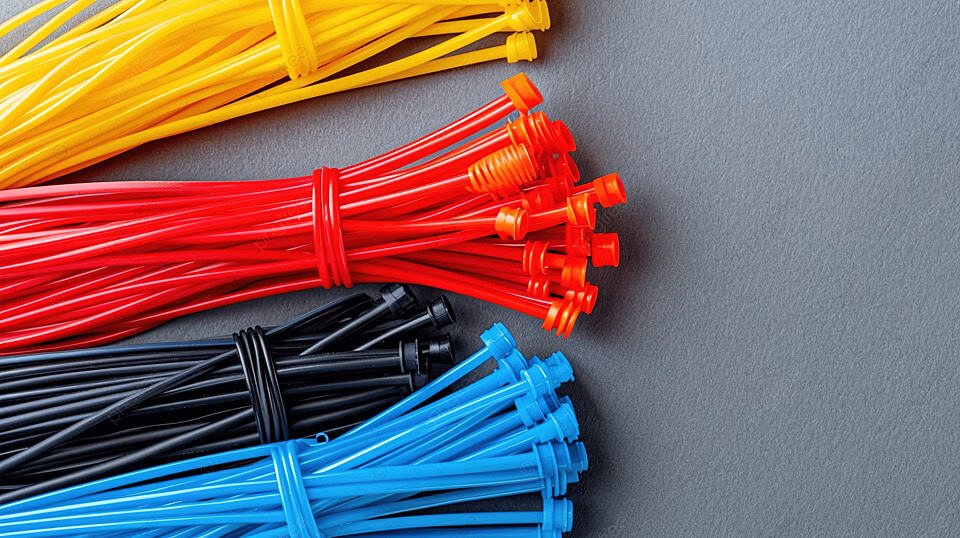
Zip ties are small yet sturdy fasteners that can secure items together quickly and effectively. They work for fixing broken zippers, fastening gear to backpacks, or creating makeshift handcuffs if necessary.
Zip ties can also be useful for organizing cables or securing doors or windows in emergencies. Their lightweight design and ease of use make them an invaluable addition to any survival toolkit.
 If you like what you are reading, then click like and subscribe to my newsletter. We share tips to waste less time and money.
Can Opener

A manual can opener lets you open canned food when no other food is around. Many people skip this key tool, but it matters a lot for canned food in power outages.
A can opener’s basic design makes it simple to use, even for beginners. Keep one ready so you can open food without power and stay fed in long emergencies.
Flashlight
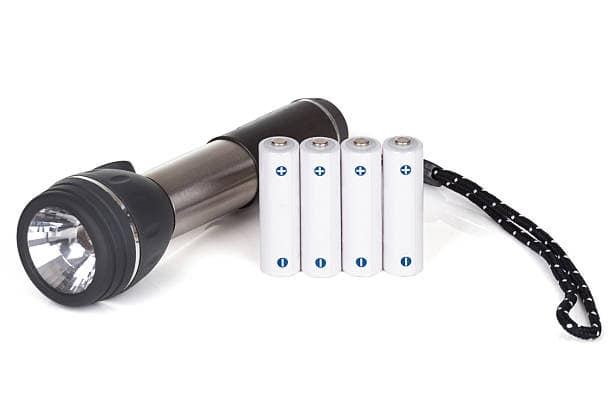
A flashlight is essential for nighttime visibility, enabling safe movement in the dark. Modern LED flashlights offer bright, long-lasting light that can cover large areas. They’re also effective for signaling if you’re trying to draw attention.
In addition, flashlights help with navigation through debris, broken paths, or unfamiliar territory. Keep one with fresh batteries in your emergency kit, ensuring you’re prepared for any nighttime or low-light situation.
Cotton Balls and Petroleum Jelly
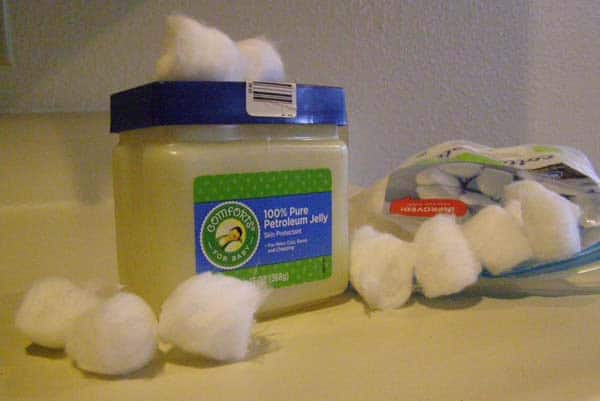
Cotton balls mixed with petroleum jelly make great fire starters. Just cover the cotton in petroleum jelly, and it lights fast and burns for minutes. This works well in wet or windy spots.
These items help on their own too. Cotton balls clean small wounds, and petroleum jelly calms dry skin or tiny cuts. Together, they give key help for heat, first aid, and ease.
Pocket Knife
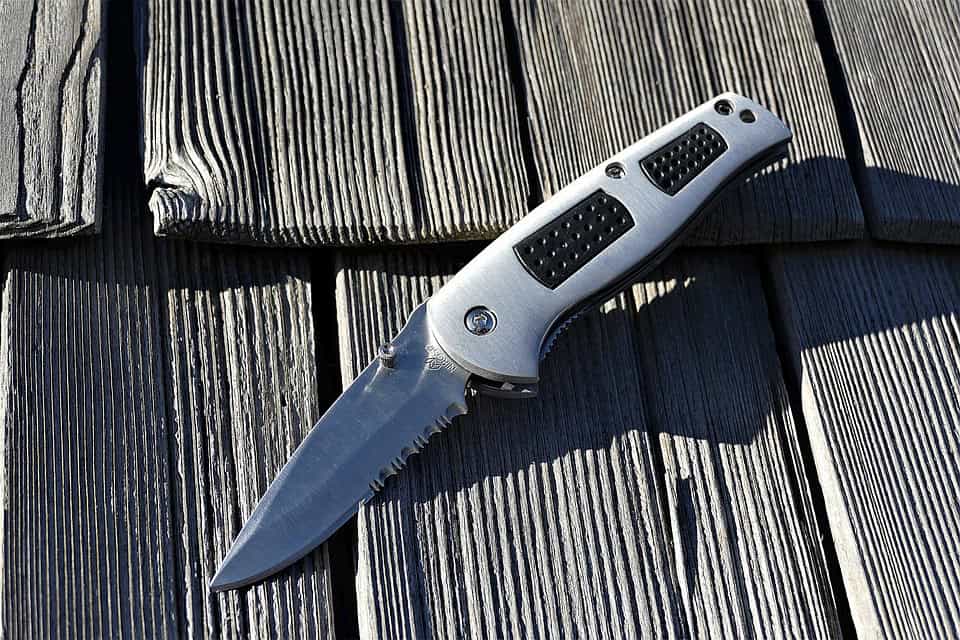
A pocket knife is one of the most versatile tools you can carry. Use it for cutting rope, opening packages, or preparing food. Its compact size makes it portable, allowing for quick access in emergency situations.
In survival settings, a pocket knife can be invaluable for defense, hunting, or even first aid, such as cutting bandages. A quality knife offers numerous functions and is an excellent asset in any emergency toolkit.
Baking Soda

Baking soda’s cleaning and deodorizing properties extend into emergencies. It helps treat minor burns, stings, and even certain digestive issues when mixed with water. Baking soda can also put out small fires, making it a quick fire-extinguishing option.
In water treatment, a pinch of baking soda neutralizes acidity, making water more palatable. Baking soda’s versatility in health, safety, and hygiene ensures it has many roles in any emergency.
Paper Maps
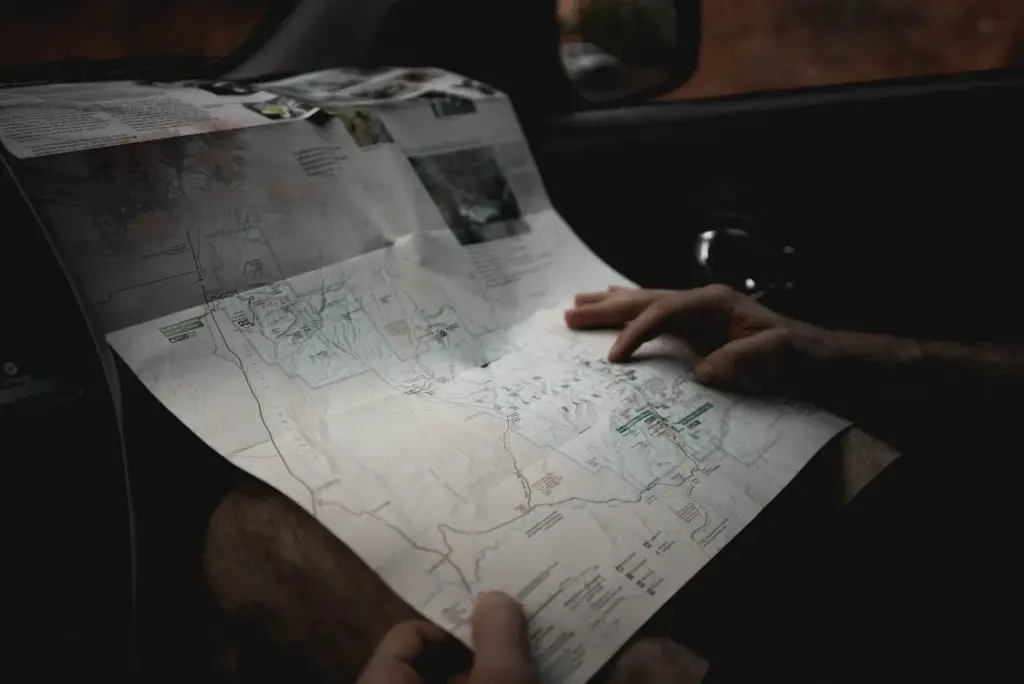
Paper maps offer reliable navigation when digital devices fail. They provide geographical insight, allowing you to assess nearby resources, escape routes, or high-ground areas in a crisis.
With a paper map, you’re not dependent on batteries, signals, or electronics. Maps also serve as communication tools, enabling you to plan routes or mark specific locations for safety.
Hand Sanitizer
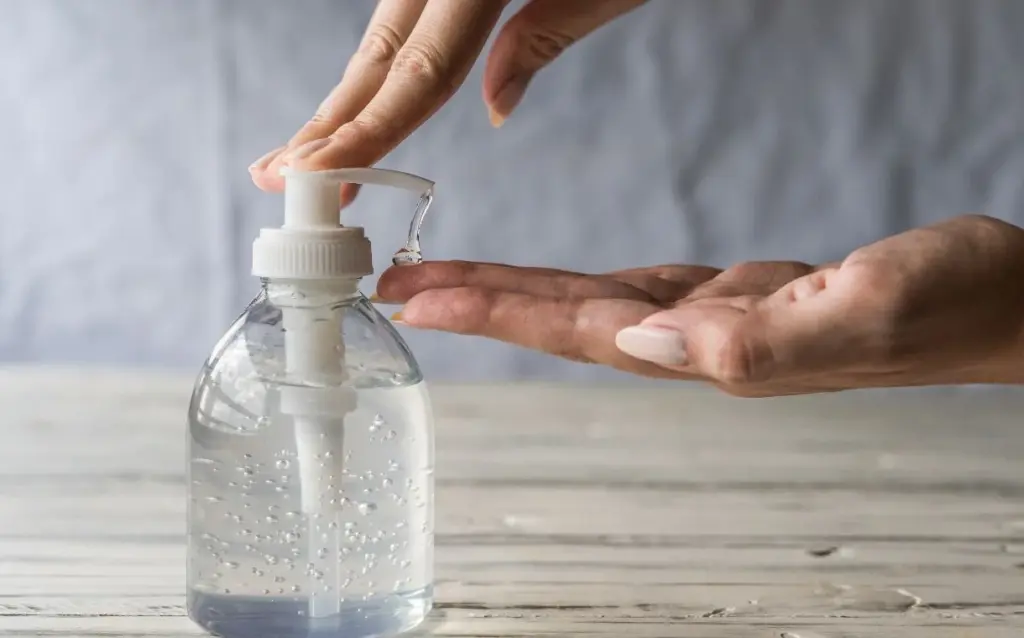
Hand sanitizer keeps hygiene up, mainly when clean water is not there. It cuts germ spread and lowers infection risk from cuts or food prep.
Past hygiene, alcohol-based sanitizer starts fires too. Light it with a spark or match for fast flames. This double use in cleaning and survival makes hand sanitizer key in emergencies.
Dental Floss
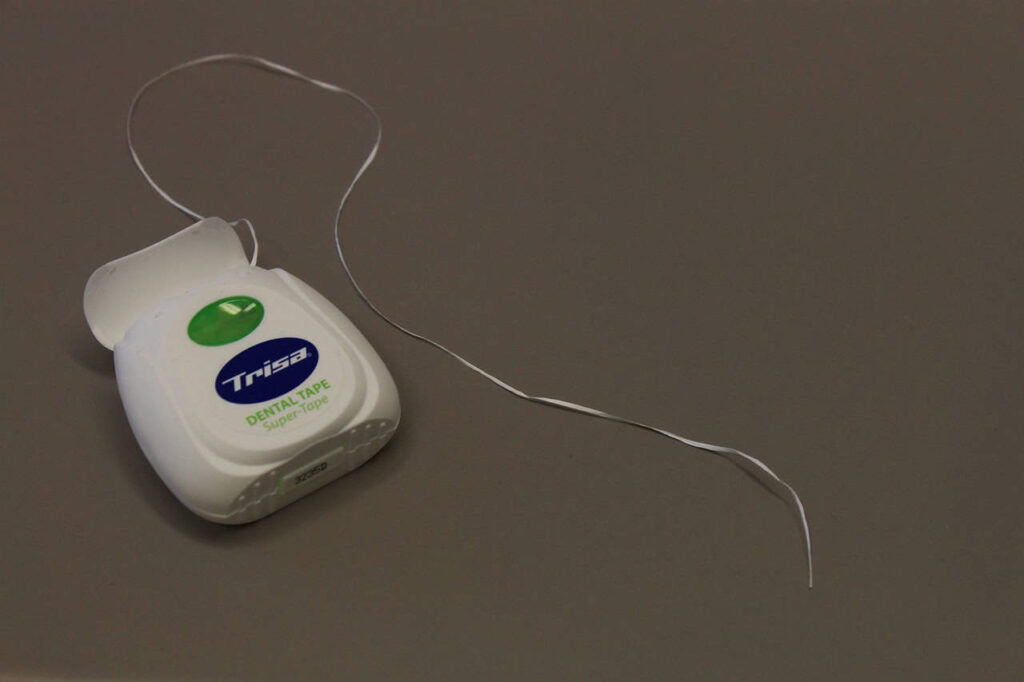
Dental floss is surprisingly strong, making it useful in various emergency settings. It works as thread for stitching up clothes, gear, or even wounds if necessary. Floss is also helpful for tying items together or creating snares for small-game survival.
Its lightweight and compact size make it easy to carry, ensuring it’s available when needed. This everyday item has hidden strength and versatility that can prove vital in survival situations.
If you like what you are reading, then click like and subscribe to my newsletter. We share tips to waste less time and money.
Credit Card

A credit card can prove useful beyond financial transactions during emergencies. Its sturdy material allows it to function as a makeshift scraper, helping remove ice from windows or even sand off rough surfaces in a pinch.
In survival situations, a credit card can be shaped into various tools. You can sharpen its edges to create a basic cutting tool or use it to spark a flint for starting a fire. Keep an expired card in your kit for a simple yet effective multipurpose tool.
Coffee Filters

Coffee filters do more than make coffee. They work well in emergencies. They can filter water first by catching big particles before you clean it more. This helps when you only have dirty or cloudy water.
Coffee filters also start fires well. They burn fast and keep flames going, even if a bit wet. Light and simple to carry, coffee filters give key uses that make them good for any emergency kit.
Salt

Salt is an essential item that can offer several survival benefits. In hot climates, adding a pinch of salt to water helps replenish lost electrolytes, reducing dehydration risk. Salt also aids in preserving food, a vital function if refrigeration is unavailable.
Salt can also serve as a natural antiseptic. It disinfects minor wounds, reducing infection risk. You can even use salt to control ice buildup, creating safer pathways during winter storms. Salt’s simple, versatile properties make it a valuable emergency staple.
Newspaper
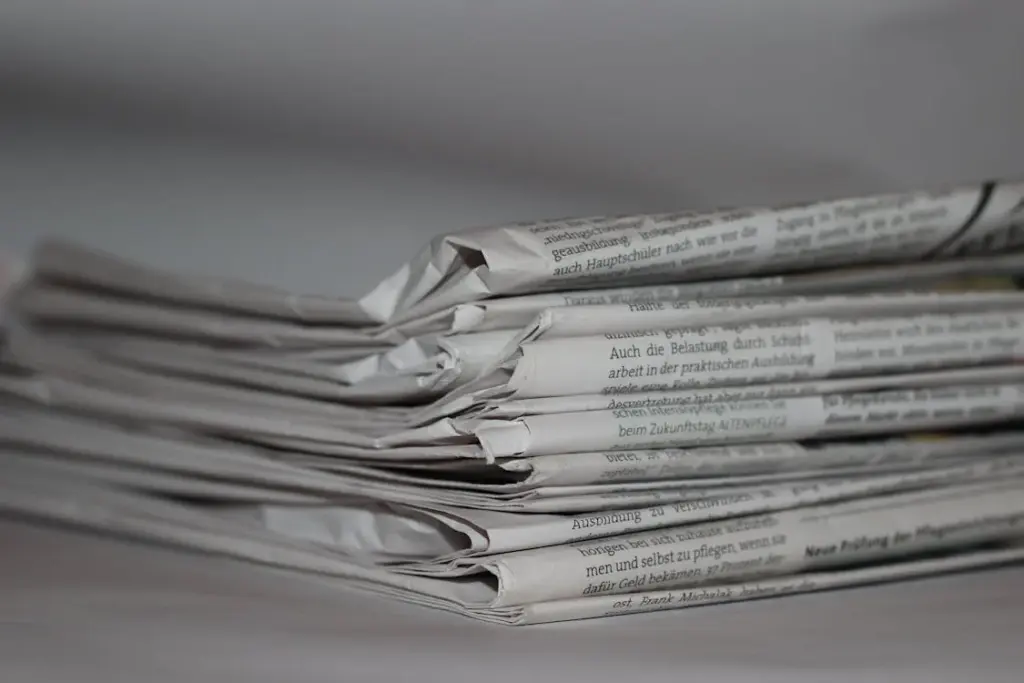
Newspaper may seem like just old paper, but it’s remarkably useful in survival settings. It serves as an effective insulator, keeping you warmer by acting as a layer under clothing or bedding. This can be crucial in cold environments when warmth is limited.
Newspaper can also help start fires. Its thin paper burns quickly, helping to ignite kindling. Rolled tightly, it can be used as temporary kindling on its own. Keep a few sheets in your emergency kit as a lightweight, multipurpose resource.
Vinegar
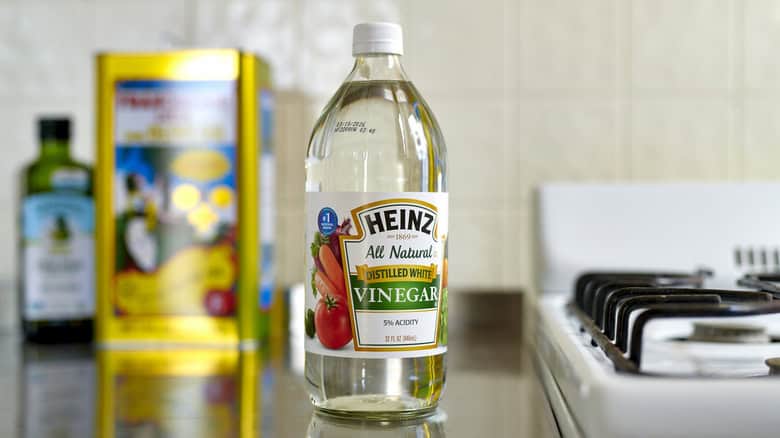
Vinegar works in many ways. It makes a great item for emergencies. Its natural acid kills germs on surfaces or small cuts when clean water is hard to find. Vinegar also cuts pain from some bug bites. It calms the itch and fights infection.
Vinegar cleans too. Use it on food or water containers to keep them safe to use again. Vinegar has many uses. It is a key emergency tool that is easy to get.
Carabiner
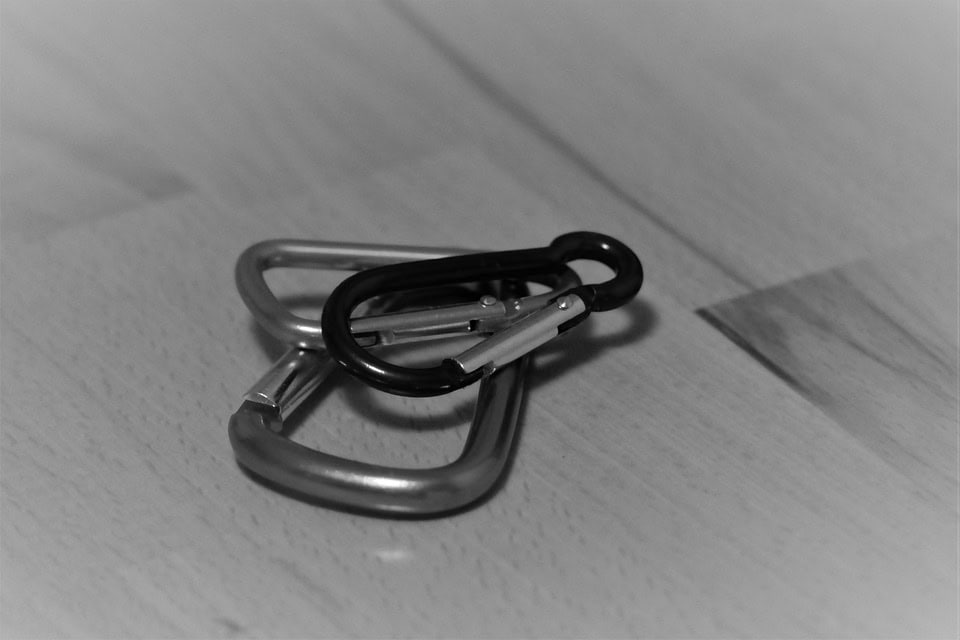
A carabiner’s compact design and strength make it ideal for emergencies. Use it to clip items to bags, helping organize your gear and keep essential items accessible. Carabiners can bear weight, enabling you to hang food, water, or shelter materials.
Carabiners also work well for creating pulley systems in rescue situations or lifting heavier items. Their design makes them easy to handle in urgent situations. Adding a carabiner to your kit ensures a simple but powerful tool for carrying, securing, and handling emergency supplies.
Duct Tape
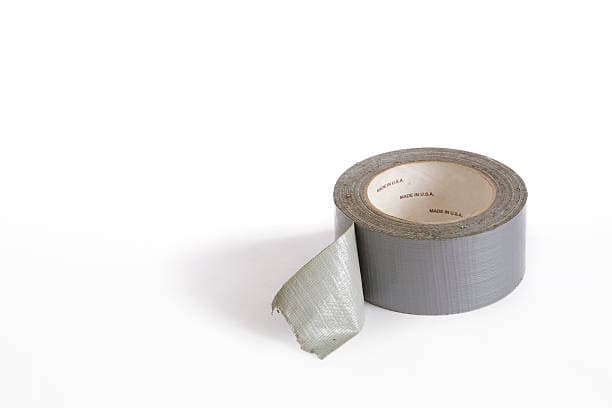
Duct tape is versatile and incredibly strong, making it indispensable in emergencies. You can use it to repair torn clothing, damaged equipment, or broken furniture quickly. In a pinch, duct tape can also seal windows or doors against extreme weather, adding a temporary layer of protection.
Beyond repairs, duct tape can serve medical needs. For instance, it works as a makeshift bandage when paired with cloth or cotton. This tape can also splint minor injuries, stabilize joints, or even secure a broken tent or tarp in place, shielding you from harsh elements.
Trash Bags

Trash bags look basic, but they have many uses in emergencies. Use them as waterproof covers to keep key items like papers, gadgets, or clothes dry from rain or floods.
Put them over your feet or clothes in wet weather to block hypothermia in bad cold. They help make quick shelter too. A big trash bag works as a rain coat or wind block, and packed with leaves, it serves as bed padding to block ground cold.
Trash bags give warmth, safety, and dryness, so they matter a lot in emergencies.
Bandana or Scarf

A bandana or scarf serves multiple purposes in an emergency. It can be used to filter dust, dirt, or smoke when wrapped around the nose and mouth. This protection is vital during events like fires, sandstorms, or debris-filled environments.
A bandana also works as a tourniquet or sling in the event of an injury. Wet it and place it on your forehead to cool down or wrap it around wounds to control bleeding. This versatile piece of fabric becomes a handy tool for safety, first aid, and temperature control.
Candles and Matches

Candles and matches provide light and warmth when power is unavailable. A candle can light up a room, making it easier to move around safely. Matches, especially waterproof ones, are ideal for starting fires for warmth or cooking.
Candles can also serve as a heat source in confined spaces. Place one in a tin can to safely contain the flame and create a small heater. Keep these items stored in accessible places to be ready during power outages or cold weather.
Whistle
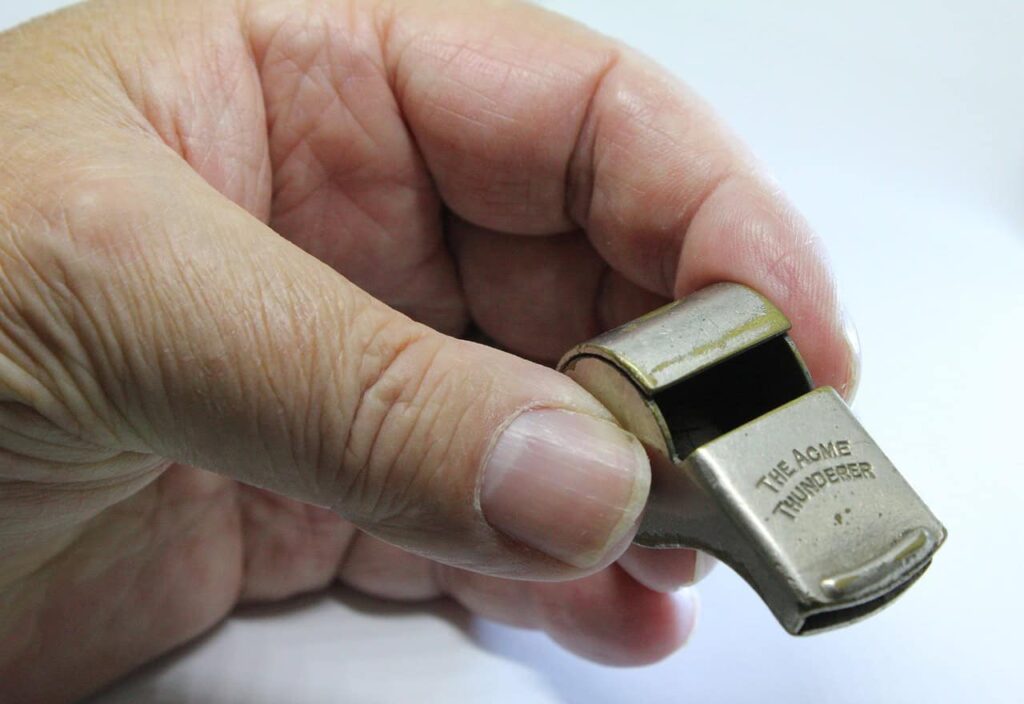
A whistle is a small but strong signaling tool, mainly in emergencies. It makes a loud noise that gets attention from far away, key if you are lost or must warn people close by.
A whistle takes less energy than shouting, so it helps when you need to save strength. Keep a whistle close, on your keys or backpack, to grab it fast. Its loud noise can scare off dangers or animals outside.
This tool is basic but very good for your safety in bad times.
Aluminum Foil
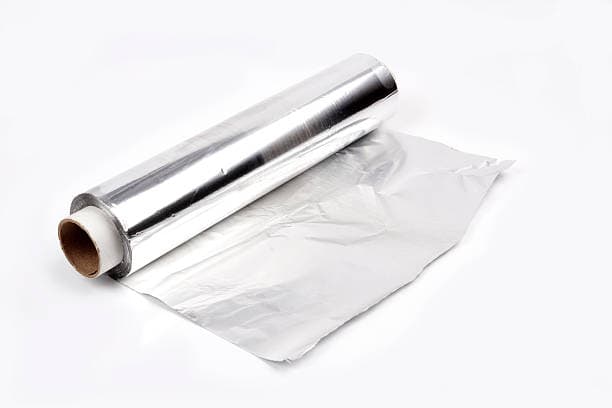
Aluminum foil’s flexibility and heat resistance make it useful in various emergency scenarios. Use it to cook food over an open flame, which could be essential during power outages or outdoor survival situations.
Foil also reflects light, so you can use it to signal for help during daylight. Wrap it around items to keep them dry or make a simple funnel for collecting rainwater. Aluminum foil’s versatility and durability allow it to serve multiple purposes in a pinch.
Plastic Bottles
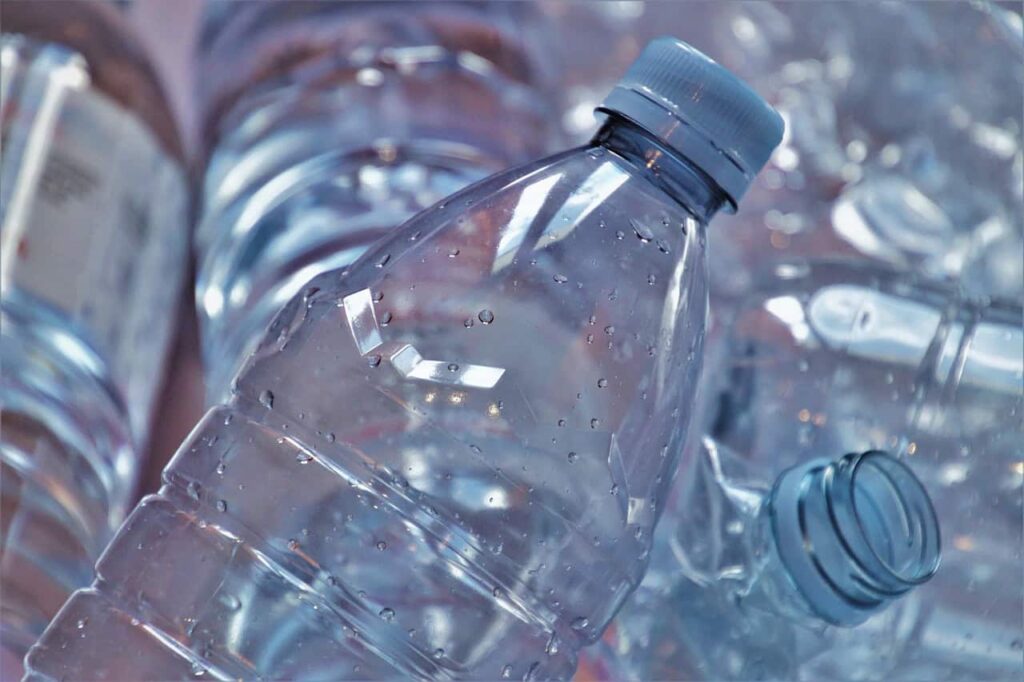
Plastic bottles are readily available and highly adaptable in emergencies. You can use them to store drinking water, reducing your risk of dehydration. If clean water is scarce, a plastic bottle can even be used in a solar water disinfection method to purify water.
Beyond hydration, plastic bottles make effective containers for storing small items. They can also be cut into strips for cordage, creating makeshift ties for securing items together. Plastic bottles help meet critical needs for hydration and organization.
Lighter
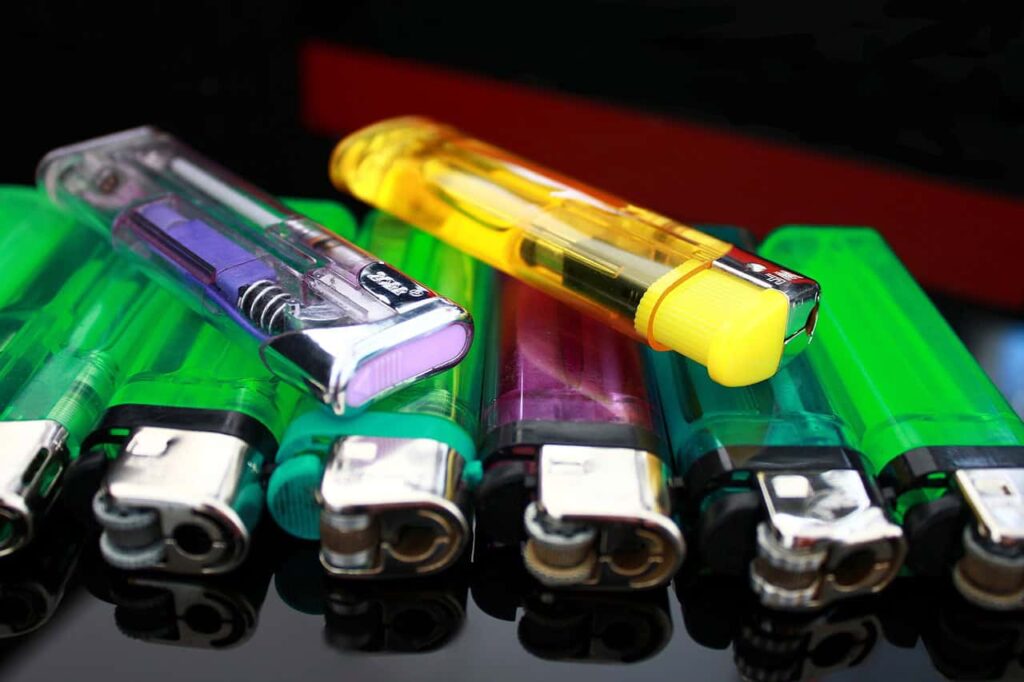
A lighter can save your life in emergencies. It gives fast and simple fire. Light a fire for heat, cooking, or to signal help. Its small size makes it easy to carry. You always have it ready when you need it.
Lighters work well in survival tasks. They melt rope ends to stop fraying. They start fires better than matches in wind. Keep a lighter with you to stay ready for any need of heat or light.
Prepare with Peace of Mind

Emergencies come in many forms, and prep is not always about buying new gear. Many times, it means knowing how to use basic items you own in new ways past their main job.
From duct tape fixes to trash bag warmth, these items bring calm. Buy key supplies, but learn secret uses to boost prep for surprise events.
Spot the power in these items, and you make your home safer plus a smart spot. Use these tips, stay safe, and know: basic things can pack the biggest punch.
If you like what you just read, then subscribe to my newsletter.