Turnkey Granny Flats vs DIY Kits: What’s the Smarter Choice?


Thinking about adding a granny flat to your property? Whether it’s for extra living space, a home office, or rental income, one of the first decisions you’ll face is how to build it.
Do you go with a turnkey solution handled by professional granny flat builders, or take the more hands-on route with a DIY kit?
At first glance, the DIY option might seem like the obvious way to save money. But as with most building decisions, the reality is a bit more nuanced. The “smarter” choice depends on your budget, experience, timeline, and tolerance for complexity.
Let’s break it down.
What Is a Turnkey Granny Flat?
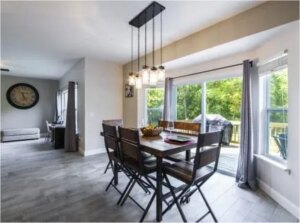
A turnkey granny flat is exactly what it sounds like – a complete, ready-to-use solution.
You engage a builder who handles:
- Design and planning
- Approvals and compliance
- Construction
- Utility connections
- Final handover
By the end of the process, you’re handed a finished, livable space. No chasing trades, no coordinating timelines, no surprises (in theory).
Turnkey builds are typically delivered by experienced granny flat builders who specialize in these types of compact, self-contained dwellings.
What Is a DIY Granny Flat Kit?
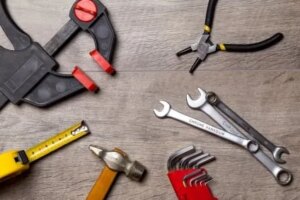
A DIY granny flat kit provides the materials and structural components needed to build the dwelling, but leaves the assembly largely up to you.
Depending on the supplier, a kit might include:
- Framing or modular panels
- External cladding
- Roofing components
- Windows and doors
What it usually doesn’t include is:
- Labor
- Full project management
- Site preparation
- Utility connections
In other words, you’re responsible for turning a package of materials into a finished building.
Cost: Upfront Savings vs Total Spend
This is where most people start.
DIY Kits
- Lower upfront cost
- Potential savings on labor
- Flexibility to stage the build over time
Turnkey Builds
- Higher initial investment
- More inclusive pricing
- Reduced risk of unexpected costs
On paper, DIY kits are cheaper. But that doesn’t always translate to a lower total cost.
Mistakes, delays, tool hire, and hiring trades for specialized work (like electrical or plumbing) can quickly eat into those savings. For many homeowners, the gap between DIY and turnkey ends up being smaller than expected.
Time Commitment: Hands-On vs Hands-Off
Time is one of the biggest hidden costs in any build.
DIY Kits
- Requires significant personal time
- Project timelines can stretch out
- Delays are common if you’re juggling other commitments
Turnkey Builds
- Managed timeline from start to finish
- Faster overall completion
- Minimal involvement required from you
If you’ve got the time, skills, and patience, DIY can be rewarding. But if you want the space ready as quickly as possible, turnkey is hard to beat.
Skill Level: Reality vs Expectation
DIY granny flat kits are often marketed as straightforward. And to a degree, they are – especially for those with construction experience.
But it’s important to be realistic.
Building even a small dwelling involves:
- Structural assembly
- Waterproofing
- Insulation
- Compliance with building standards
- Coordinating licensed trades
Unless you have a solid background in construction, there’s a steep learning curve. Mistakes can be costly and difficult to fix later.
Quality and Finish
Quality isn’t just about materials – it’s about execution.
Turnkey Builds
- Completed by experienced professionals
- Consistent finish across all aspects of the build
- Typically backed by warranties
DIY Kits
- Quality depends on your skill level
- Greater variability in the final result
- Limited or no workmanship guarantees
This is particularly important if you’re planning to rent out the space or use it long-term.
Approvals and Compliance
This is one area where DIY projects can become complicated quickly.
Turnkey Builds
- Builders usually manage approvals and compliance
- Familiar with local requirements
- Reduced risk of issues during inspections
DIY Kits
- You’re responsible for navigating approvals
- Must ensure compliance at every stage
- Risk of delays or rework if requirements aren’t met
Even in areas where approvals are straightforward, missing a step can cause significant setbacks.
Flexibility and Control
One area where DIY kits do have an advantage is control.
DIY Kits
- Greater flexibility to customize as you go
- Ability to choose materials and finishes independently
- Can adapt the build to suit your preferences
Turnkey Builds
- More structured process
- Customization options may be limited to pre-set packages
That said, many modern builders now offer a range of customization options, so the gap isn’t as wide as it once was.
Risk and Stress
This is the factor people often underestimate.
DIY Kits
- Higher risk of delays, mistakes, and budget overruns
- Requires problem-solving at every stage
- Can become stressful, especially for first-time builders
Turnkey Builds
- Lower risk due to professional oversight
- Clear process and accountability
- Less day-to-day stress
For many people, the reduced stress alone makes turnkey worth the extra investment.
So, What’s the Smarter Choice?
It really comes down to your situation.
A DIY granny flat kit might make sense if:
- You have construction experience
- You have time to commit to the project
- You’re comfortable managing trades and compliance
- You’re focused on minimizing upfront costs
A turnkey solution is often the smarter choice if:
- You want a faster, more predictable outcome
- You prefer a hands-off process
- You’re building for rental or long-term use
- You want professional quality and warranties
Final Thoughts
Both options can get you to the same end result – a functional, valuable addition to your property. But the path you take will look very different.
DIY kits offer flexibility and potential savings, but come with added responsibility and risk. Turnkey builds provide convenience, speed, and peace of mind, often at a higher upfront cost.
If you’re weighing up your options, it’s worth looking beyond the initial price tag and considering the full picture – time, effort, risk, and long-term value.
In many cases, the “smarter” choice isn’t just about what’s cheapest, but what delivers the best overall outcome for your situation.