5 Things to Know About Home Solar Energy Storage
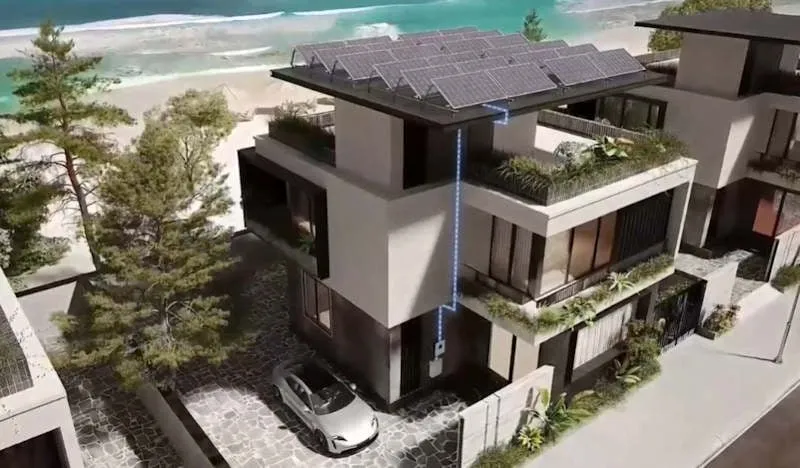

Picture this: a family in San Jose, California, recently found themselves sitting in the dark during yet another unexpected evening power outage. They had just installed a brand-new solar panel system on their roof, expecting to have uninterrupted power. However, they quickly learned a hard lesson that many modern homeowners are discovering today. Because they didn’t have a battery backup system in place, their home went dark the moment the local grid went down.
This situation perfectly illustrates why combining a traditional solar panel system with residential solar energy storage can completely transform the way you power your property. By adding a battery, you gain genuine energy independence, significantly lower electricity bills, and absolute peace of mind during power outages.
1. Why Solar Energy Matters More Than Ever
The rise of solar power among residential homeowners has been absolutely remarkable over the last few years. Homeowners are increasingly concerned about gaining energy independence, combating constantly rising electricity costs, and reducing their overall environmental impact.
In fact, the United States saw a massive surge in clean energy adoption recently, adding a staggering 58 GWh of new energy storage capacity in 2025 alone. Furthermore, the residential energy storage market hit a record high with 2.7 GW installed during that same year, representing a massive 92% increase.
When you install a solar panel system on your roof, you’re essentially building your own personal power plant. Once the initial investment is paid back, this system generates electricity for free. But here’s where things get really interesting: a solar panel system is only part of the full equation. Without adequate storage, your system generates all its power during the day, which means you’re still relying on the traditional grid at night.
2. Understanding Residential Solar Energy Storage
So, what exactly is the missing piece of the puzzle? Residential solar energy storage systems—which are typically powered by advanced lithium-ion batteries—are designed to capture the excess electricity generated by your solar panels during peak sunny hours. They safely store this energy for use when you actually need it most.
Imagine this realistic scenario: your high-efficiency solar panels produce far more electricity than you consume on a bright, cloudless afternoon. Without a dedicated battery, that extra power simply gets sent back to the local utility grid, and depending on your local regulations, you might not even get full credit for it.
With a robust storage system, that power stays inside your home, ready to illuminate your lights and power your heavy appliances long after sunset. The practical benefits for your real estate investment are substantial. You can reduce your daily reliance on the grid significantly, protect your household during prolonged power outages, and maximize the overall return on your home improvement investment.
3. What You Should Know About Solar Panel Technology
Before you invest thousands of dollars into a solar panel system for your property, it really helps to understand a bit about how these modern panels are physically manufactured. The complex engineering that goes into creating high-quality panels is far more sophisticated than many everyday consumers realize.
One critical element of the manufacturing process that you might not be familiar with is advanced extrusion technology. During the large-scale production of solar panels, leading manufacturers use top-tier extrusion technology to create precisely engineered aluminum frames and secure mounting structures. This fascinating process involves pushing raw aluminum through custom-designed molds to form uniform, incredibly lightweight components that securely hold your solar panel in place on your roof.
Why does this technical detail matter to you as a homeowner? Well, the long-term durability and efficiency of your solar panel system depend heavily on the specific quality of these structural components. Superior extrusion technology ensures that your expensive panels are securely mounted to your roof, properly spaced for essential airflow, and built to withstand decades of harsh weather exposure.
When manufacturers invest heavily in quality extrusion processes, they’re creating reliable frames that naturally resist rust and corrosion, carefully maintain structural integrity, and ultimately keep your home’s solar investment performing at its absolute best year after year.
4. The Perfect Pairing: Solar Panels Plus Storage
Here’s exactly what makes the strategic combination of a modern solar panel system with residential solar energy storage incredibly powerful for any homeowner:
- 24/7 Energy Access: Your rooftop solar panel system efficiently generates electricity during the daylight hours, and your dedicated storage battery seamlessly powers your entire home at night and during gloomy, cloudy weather.
- Peak Savings: You’re intentionally using significantly less grid electricity during peak demand pricing hours, which is typically the exact time when local electricity rates are at their absolute highest.
- Backup Power: When the neighborhood power goes out due to storms or grid failures, your reliable storage system immediately kicks in and keeps essential household appliances running without any noticeable interruption.
- Grid Independence: The more clean solar energy you successfully generate and store on your own property, the less dependent you become on major utility companies and their unpredictable grid price increases.
- Real Estate Value: Upgrading your home with a complete solar and storage system can substantially boost your property’s resale value, making it a highly attractive, energy-efficient feature for prospective buyers down the road.
When you strategically combine high-quality solar panels built with advanced extrusion technology and a highly reliable residential solar energy storage system, you’re carefully creating a home energy solution that works intelligently around your family’s actual usage patterns.
5. Making the Investment Work for Your Home
The initial cost of installing both a solar panel system and a battery storage unit might seem significant, but the long-term financial picture improves quickly. State incentives and beneficial net metering programs can dramatically reduce your out-of-pocket expenses.
It is also important to stay updated on tax policies; for example, while the residential 25D federal solar tax credit officially ended after 2025, the immense monthly energy savings continue to make battery storage a worthwhile upgrade. Today, many homeowners still see their overall investment paid back within just 5 to 7 years, after which they are essentially generating completely free electricity for decades to come.
When evaluating various solar companies in your local area, always pay close attention to their panel quality and overall manufacturing standards. Make sure to ask specific questions about the extrusion technology used in their aluminum frames, because structural quality truly matters.
Also, be sure to inquire deeply about the different battery capacity options for your residential solar energy storage system. Leading industry brands typically offer comprehensive warranties ranging from 10 to 15 years, and most modern systems can comfortably store enough energy to power an average single-family home through an entire busy evening.