5 Things to Know About Buying Prefab Homes

When you think about building a home, the traditional image that comes to mind is probably months of construction, countless delays, and budget overruns. But what if there was a faster, more affordable alternative? Welcome to the world of prefab homes, a housing solution that is quietly revolutionizing how Americans build and buy their dream houses.
If you have been curious about prefab homes but were not sure whether they are right for you, this guide will walk you through the top things you need to know before making your next home purchase.
1. What Exactly Are Prefab Homes?
Prefab homes, short for prefabricated homes, are built off-site in a controlled factory environment. Rather than constructing your home piece by piece on the land where it will sit, prefab builders construct most or all of the home in a facility and then transport it to your property for assembly.
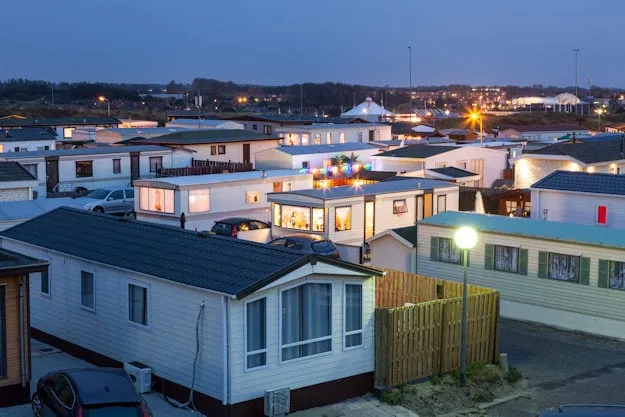
It is important to note that modern prefab homes are entirely different from mobile homes or trailers. They meet the same strict building codes, safety standards, and structural requirements as traditional stick-built homes, designed to last just as long as any conventionally constructed house.
2. The Construction Process is Lightning Fast
While traditional single-family homes can take around 9 months on average to complete, prefab construction is remarkably faster. Because the factory construction happens simultaneously with site preparation, prefab homes can be finished in just 3 to 6 months.
The typical timeline involves finalizing a design, building the modules in a climate-controlled factory, transporting them to your property, and assembling them on-site. Once the sections arrive, workers connect the utilities and complete the final inspections in a matter of weeks.
3. They Offer Major Cost and Quality Advantages
Prefab homes typically cost 10% to 20% less than traditional construction, translating to an average of $80 to $160 per square foot. Factory production reduces labor costs, minimizes material waste, and completely eliminates weather delays.
This cost efficiency and speed to market are driving massive industry growth, with the global modular construction market reaching $90.3 billion in 2024.
Furthermore, factory construction happens in controlled conditions with consistent quality standards, resulting in a tightly sealed, energy-efficient home that can save you money on utility bills over time.
4. There Are Still Challenges to Consider
While prefab homes are gaining widespread popularity, they come with a few challenges worth considering:
- Location Limits: Finding available land and navigating local zoning regulations can be tricky, as some municipalities still have restrictions on modular homes.
- Hidden Costs: Buyers must account for additional expenses outside of the actual house structure; for example, site preparation and foundation construction are rarely included in the base price of prefab packages.
- Financing: Getting a mortgage for a prefab home can occasionally be more complicated than standard financing, meaning you may need to shop around with different lenders to find the right loan product.
5. You Can Choose From Multiple Prefab Types
Prefab is not a one-size-fits-all solution, and you can customize materials, finishes, and layouts to match your aesthetic. There are several popular approaches to modular construction:
- Panelized Homes: Walls, roofs, and floor panels are constructed in a factory and assembled on-site.
- Modular Homes: The home is divided into complete sections (modules) that arrive nearly finished and are seamlessly connected on your property.
- Kit Homes: You receive the building materials and plans to assemble the home yourself or hire local contractors to build it.
- 3D-Printed Homes: An emerging, highly efficient technology where structures are partially or completely printed using specialized concrete.
Prefab homes represent a modern solution to a timeless desire: owning a beautiful, well-built home without breaking the bank or waiting forever to move in. Whether you are a first-time homebuyer looking for an affordable entry point or someone who simply values efficiency and precision, exploring the world of factory-built construction is a smart first step.