Exploring the Versatility and Benefits of Exterior Wall Panels

Exterior wall panels have become a common feature in residential, commercial, and industrial construction projects. Property owners, architects, and developers continue searching for materials that combine visual appeal with long-term performance. Traditional exterior finishes still hold a place in construction, yet newer panel systems, such as WoodyWalls, present a practical alternative that suits current design preferences and building requirements. Manufacturers now offer products with clean finishes, improved durability, and reduced maintenance requirements, making these panels suitable for many types of structures. Their growing popularity reflects a broader movement toward materials that support efficiency, durability, and refined architectural presentation without requiring complicated construction methods.
Design Freedom and Visual Variety
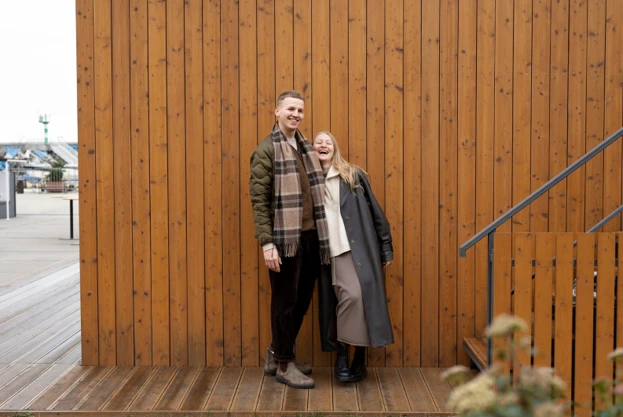
One reason exterior wall panels attract strong interest lies in their wide design range. These panels are produced in numerous colors, textures, and finishes, allowing buildings to achieve different visual styles without relying on several separate materials. Some panels resemble timber, stone, or concrete, giving architects the ability to create familiar appearances with modern manufacturing methods. Other products focus on sleek surfaces and geometric lines suited to contemporary projects. This flexibility gives designers greater control over the final appearance of a structure, whether the goal involves a residential property with a warm appearance or a commercial building with a more polished presentation.
Exterior wall panels adapt well to varied building forms and dimensions. Curved structures, large surfaces, and multi-story developments can all benefit from systems designed for precise installation and consistent alignment. This adaptability supports creative architectural work without placing excessive pressure on labor or material costs. Many projects use panels to create contrast between sections of a building, adding visual depth through texture and color variation rather than relying on decorative additions.
Material Innovation and Product Performance
The materials used in exterior wall panels play a major role in their durability and function. Manufacturers produce panels from aluminum, steel, fiber cement, composite wood, and engineered polymers. Each material offers different strengths in terms of durability, weather resistance, appearance, and maintenance requirements. Metal panels are often selected for commercial projects where durability and clean architectural lines are priorities. Fiber cement products attract attention for their resistance to moisture and environmental exposure. Composite materials combine natural-looking finishes with engineered strength, creating products that retain their appearance over extended periods.
Modern production methods have improved the quality of these materials considerably. Protective coatings help panels resist fading, corrosion, moisture damage, and surface wear caused by changing weather conditions. This contributes to longer product life and reduces the frequency of repairs or replacements. Manufacturers continue refining panel technology to produce lighter materials that maintain strong structural properties, helping reduce strain during transport and installation.
Thermal Efficiency and Reduced Energy Consumption
Exterior wall panels contribute to better temperature control inside buildings. Many systems include insulated cores or layered construction methods that slow heat transfer between interior and exterior spaces. This helps maintain more stable indoor temperatures throughout the year. Buildings with improved insulation often rely less on heating and cooling equipment, which can lower energy usage over time.
This performance has practical value for homeowners and commercial property operators seeking lower operating expenses. Reduced energy consumption may support broader environmental goals linked to sustainable construction practices. Many manufacturers now include recycled content in production and adopt manufacturing methods designed to reduce material waste. Exterior wall panels can support projects focused on environmental responsibility without sacrificing appearance or structural performance.
Simpler Installation and Reduced Maintenance
Construction timelines influence labor costs and project efficiency, making installation methods an important factor in material selection. Exterior wall panels are commonly manufactured in prefabricated sections, allowing accurate sizing before delivery to a construction site. This reduces cutting and adjustment work during installation, helping projects move forward more smoothly. Interlocking systems and mechanical fasteners simplify the assembly process and create secure attachment points across large surfaces.
The long-term maintenance demands of these panels remain relatively low compared with some traditional exterior finishes. Many products resist rot, insect activity, moisture penetration, and surface deterioration caused by prolonged exposure to sun and rain. Routine cleaning is often sufficient to maintain their appearance. Property owners benefit from reduced repair expenses and fewer interruptions linked to exterior upkeep. This combination of durability and lower maintenance requirements contributes to the growing appeal of panel systems across many property types.
Fire Resistance and Building Safety
Safety standards continue shaping modern construction practices, particularly in densely developed areas and large commercial projects. Exterior wall panels are often designed with fire-resistant properties that support compliance with current building regulations. Manufacturers incorporate non-combustible materials or protective layers intended to slow flame spread and improve structural resistance during fire incidents.
These safety features have become increasingly relevant in public buildings, apartment developments, schools, and commercial centers where fire protection standards are closely monitored. Builders and architects frequently review product certifications and testing results before selecting exterior materials. Modern panel systems provide options that meet strict performance standards without limiting architectural creativity or visual quality.
Acoustic Comfort and Interior Environment
Exterior wall panels contribute to sound reduction inside buildings, creating quieter interior spaces in areas affected by traffic, construction activity, or population density. Insulated panel systems and layered materials reduce the transmission of external noise through building walls. This feature improves comfort in residential settings and supports concentration in workplaces, schools, and healthcare facilities.
Acoustic control has become more relevant in mixed-use developments where residential and commercial functions exist close together. Improved sound insulation creates calmer indoor conditions that support daily activities without relying entirely on additional interior soundproofing systems. Buildings located near busy roads, transport hubs, or industrial zones often benefit from this added layer of acoustic protection.
Broad Applications Across Different Building Types
Exterior wall panels suit many forms of construction beyond private housing. Commercial offices, retail developments, warehouses, educational institutions, and manufacturing facilities frequently use these systems for both practical and visual reasons. Their durability under varying weather conditions makes them appropriate for projects exposed to heavy rain, intense sunlight, or changing temperatures.
Renovation projects have also increased the use of exterior panels. Older buildings can receive updated facades without requiring complete structural replacement. This approach improves appearance, insulation performance, and weather resistance while preserving the original building framework. Refurbishment work using panel systems often reduces construction disruption and shortens project timelines compared with large-scale rebuilding.