America’s Debt Is Getting Shorter-Term and That Makes It Riskier
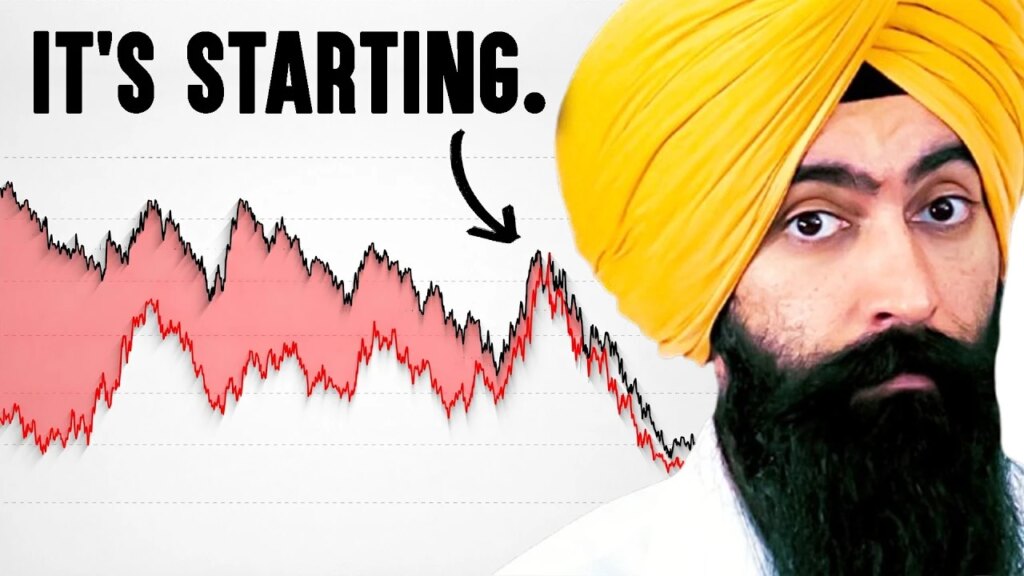
I’ve been watching a quiet but important shift in how the U.S. government is managing its national debt, and it deserves more attention than it’s getting. Most people focus on the size of the debt. Fewer pay attention to how it’s financed. But the structure of that debt can matter just as much as the total number.
Right now, the U.S. is leaning more heavily on short-term borrowing instead of locking in long-term rates. That may save money in the moment, but it also increases exposure to interest rate swings. In simple terms, it’s like choosing an adjustable-rate mortgage instead of a fixed-rate one, cheaper today, riskier tomorrow.
The Debt Is Huge. But the Interest Is the Real Story
U.S. national debt has surpassed $38 trillion. That number is already hard to wrap your head around. But the faster-growing concern is interest.
Interest payments are now one of the fastest-growing federal expenses and are on track to exceed $1 trillion annually. That means an enormous share of tax revenue is going toward servicing past borrowing rather than current priorities.
When interest becomes a top budget item, it reduces flexibility. Every dollar spent on interest is a dollar that can’t go to defense, infrastructure, healthcare, or tax relief.
Why the Government Is Using More Short-Term Debt
Traditionally, the Treasury issues a mix of short-term bills and long-term bonds. Long-term bonds lock in rates for decades, providing predictability. Short-term debt must be refinanced frequently.
Lately, the tilt has been toward shorter maturities. The logic is straightforward: short-term rates have sometimes been lower, so borrowing short can reduce immediate costs.
But this strategy carries rollover risk. As old debt matures, it must be refinanced at whatever rates prevail at that time. If rates rise, so do interest costs quickly.
It’s the national equivalent of refinancing your credit card balance every few months and hoping rates don’t climb.
Where Government Money Comes From
People sometimes forget that federal revenue ultimately comes from taxpayers and economic activity. Payroll taxes, income taxes, capital gains taxes, and corporate taxes make up the bulk of receipts.
Recent federal revenues have been around the $5 trillion range annually. If roughly $1 trillion goes to interest, that’s a large slice devoted just to carrying debt.
That math matters. As interest costs grow, policymakers face tougher tradeoffs: raise taxes, cut spending, or borrow more.
A Lesson From History
We’ve seen how rate environments can shift. In the late 1970s and early 1980s, inflation surged and interest rates followed. At one point, rates climbed into the high teens as policymakers tried to regain control of inflation.
Today’s environment is different, but the lesson is the same: rates don’t stay low forever. If inflation re-accelerates, borrowing costs can move higher than many expect.
The Risk of Playing the Short Game
Short-term borrowing can look smart when rates are stable or falling. It looks less smart when rates rise and refinancing becomes expensive.
For a household, that might mean a painful payment increase. For a government, it can mean hundreds of billions more in annual interest.
The concern isn’t immediate crisis it’s reduced resilience. A government paying more in interest has less room to respond to recessions, emergencies, or geopolitical shocks.
What This Means for Investors
When I think about this from an investor’s perspective, I focus on inflation and currency risk. Large debts financed at variable rates can increase sensitivity to rate cycles and inflation pressures.
Historically, real assets have been one way investors try to protect purchasing power. That can include:
• Stocks in productive companies
• Real estate with income potential
• Commodities and precious metals like gold
No asset is perfect, and diversification still matters. But understanding the macro backdrop helps frame smarter decisions.
The Big Picture
The U.S. isn’t about to “run out of money,” but its financing choices do have consequences. Debt structure influences stability. Stability influences markets. Markets influence your portfolio and retirement.
I don’t see this as a reason for panic. I see it as a reason for awareness. Governments, like households, face tradeoffs. Borrowing short can help today but raise risks tomorrow.
For individuals, the takeaway is simpler:
Pay attention to inflation, stay diversified, and avoid building a financial plan that depends on permanently low rates.
Debt management at the national level may feel distant, but its ripple effects show up in mortgages, markets, and the cost of living. Understanding that connection is part of being a smart, long-term investor.
Jaspreet Singh is not a licensed financial advisor. He is a licensed attorney, but he is not providing you with legal advice in this article. This article, the topics discussed, and ideas presented are Jaspreet’s opinions and presented for entertainment purposes only. The information presented should not be construed as financial or legal advice. Always do your own due diligence.