Are You Lower Middle Class? Check These 28 Signs


Wonder if you fit in the lower middle class? Many people ask where they stand with money, and it is not always clear. This group faces confusion, with some who think it depends only on pay. In truth, it goes beyond that.
A report called “A Dozen Facts about America’s Struggling Lower-Middle Class” states the lower middle class do not count as poor but lack strong money safety and sit one bad event from poverty.
Come with us to check 28 signs that may mean you belong to the lower middle class. See the habits, work, and daily picks that mark this group, and check if they fit your life.
Affordable Sports and Hobbies
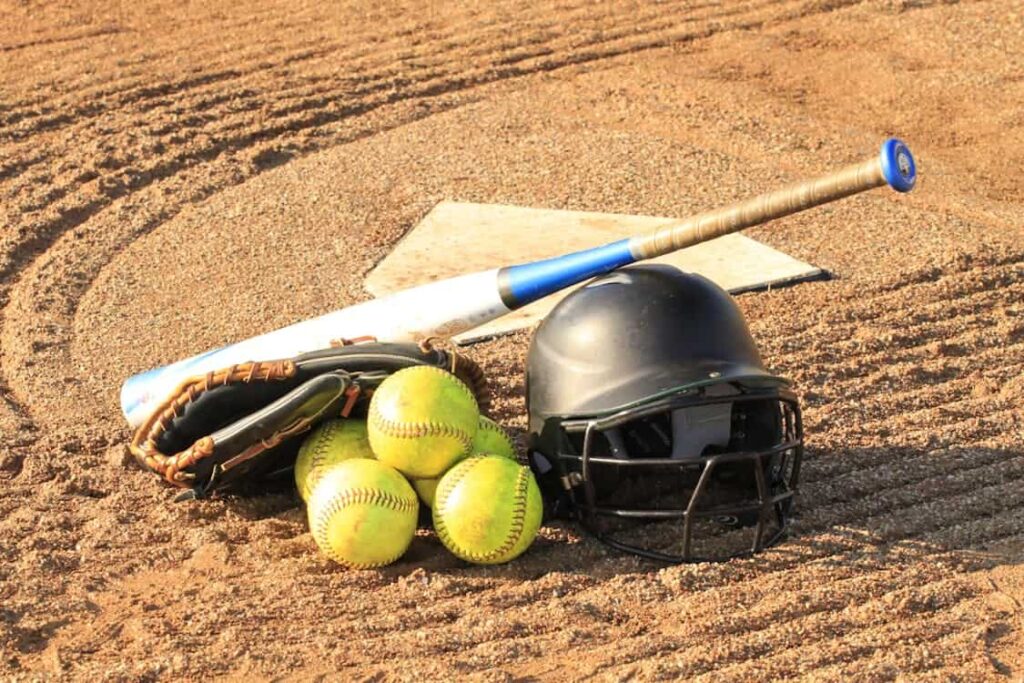
People in the lower middle class often pick cheap sports and hobbies. They join local sports teams or community center events to stay active and busy. These options fit their budgets well.
Team sports, craft classes, or outdoor fun give personal joy and good health.
They chase fun hobbies that match their likes and keep an eye on money limits.
Attending Public Events

The lower middle class frequently attend free or low-cost public events like festivals, fairs, and community gatherings. These events provide affordable entertainment and leisure opportunities without stretching their budgets.
By participating in these public events, they can fully experience local culture, create lasting memories, and strengthen bonds with loved ones.
It could be a street fair, a park concert, or a community celebration. These gatherings offer a sense of belonging and enjoyment without the high costs of more expensive leisure activities.
 If you like what you are reading, then click like and subscribe to my newsletter. We share tips to waste less time and money.
Steady Jobs

Look at jobs and careers. People in the lower middle class hold steady work, often in office, admin, or skilled trade roles. They see little chance to switch jobs and slow growth in their careers.
Their jobs bring steady pay you can count on.
These positions do not give fast promotions or big raises, but they offer safety and cover basic family needs.
Work-Life Balance
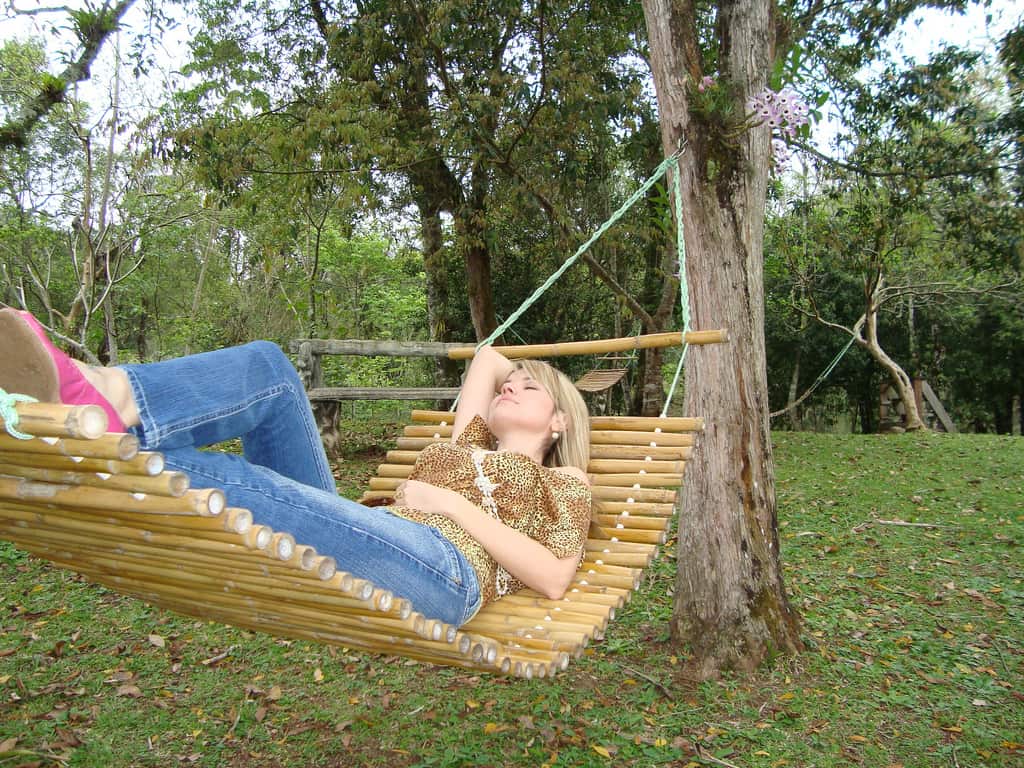
The lower middle class prioritizes balancing work and personal life. They consciously use vacation days and take advantage of employer benefits, understanding the need for rest and relaxation.
This focus on work-life balance comes from their desire to maintain well-being and nurture relationships with loved ones.
By setting aside time for leisure and family activities, they maintain a sense of balance, ensuring their job responsibilities don’t overwhelm their entire lives.
Continuing Education

People in the lower middle class take night classes, online courses, or community college to boost job chances and build skills for better jobs.
This push for lifelong learning proves their drive and will to invest in self-growth through new knowledge and degrees.
They aim to open more career paths and make higher pay, which leads to a steadier money future.
Side Hustles

To supplement their main income, lower middle class families often take on side jobs or freelance work. They use their skills, hobbies, or creative talents to earn extra money, which can provide a financial buffer or help cover expenses.
These side hustles can range from gig work and freelancing to selling handmade crafts or offering services like tutoring or pet sitting.
By earning money in different ways, they achieve more financial flexibility and feel empowered to take control of their situation, working towards their goals.
Basic Health Insurance

When it comes to health and wellness, basic health insurance is common for lower middle class families. This insurance is often provided by their employers, allowing them to access essential medical services, including prescription medications.
While their health insurance plans may not offer extensive coverage or include many benefits, they provide a safety net for routine check-ups, preventive care, and basic medical treatments.
In some cases, lower middle class families may also use public health services when needed to complement their insurance coverage.
Cost-Effective Fitness

Staying active matters for the lower middle class, but they pick cheap fitness options. Regular exercise like walking, running, or home workouts fits their budget.
They can focus on health with these easy, low-cost choices and skip gym fees or special programs.
Community centers and public parks give cheap or free classes too, so they stay fit on a budget.
Budget-Conscious Nutrition

Meal planning and grocery shopping are approached with a budget-conscious mindset by lower middle class families. They focus on cost-effective and nutritious food options, carefully managing their grocery expenses.
This often means seeking discounts, buying in bulk when possible, and meal prepping to make their food budget go further.
They also explore affordable recipes and cooking methods that make the most of their ingredients, ensuring their families can enjoy nourishing meals without overspending.
Preventative Health Measures

The lower middle class often puts preventative health first. They know routine check-ups, vaccinations, and active care keep well-being strong and stop health problems later.
They use boss health plans or local health programs that give free or cheap preventive services.
By keeping up with preventive care, they spot and fix health issues early. This saves big medical costs later.
If you like what you are reading, then click like and subscribe to my newsletter. We share tips to waste less time and money.
Basic to Mid-Range Tech Gadgets

In technology and media consumption, the lower middle class usually owns basic to mid-range gadgets like smartphones and laptops. They prioritize functionality and value over having the latest cutting-edge or premium models.
These gadgets are essential for managing daily tasks such as budgeting, shopping, staying connected with loved ones, and accessing information.
Although they may not have the most advanced features, these devices meet their practical needs and fit their budget.
Affordable Media Options

For lower middle class families, basic cable or streaming services provide entertainment. They pick free or cheap choices like TV broadcasts, public libraries, and online videos.
Smart picks in media plans and free options let them enjoy lots of fun without spending too much.
This keeps them up to date and involved as they handle money needs.
Employer-Sponsored Retirement Plans

Looking towards the future, lower middle class individuals typically participate in employer-sponsored retirement plans. Despite this, their ability to add extra funds to their retirement savings is often limited.
While these employer-sponsored plans provide a foundation for their retirement planning, the modest nature of their income may restrict their capacity to make significant additional contributions.
Nevertheless, they recognize the importance of preparing for their golden years and make the most of the retirement savings options available to them.
Aspirations for Better Opportunities

Even with their struggles, the lower middle class dreams of better money safety and more chances for their kids. They push hard for upward movement to lock in a steady future.
Their aims center on ways to raise pay, store more cash, and maybe move to jobs that pay better.
This push for growth and progress shows their strength and commitment to a good life for self and family.
Steady but Limited Income

By looking at the financial signs. According to the Census Bureau the annual income range for the lower-middle class is typically between $30,001 and $58,020.
The lower middle class often have a steady paycheck but have limited chances for significant raises. It’s common for them to rely on one or two main sources of income.
This steady but restricted income shapes their financial reality, influencing how they spend money and their overall lifestyle.
Small Savings and Investments

Small savings and few investments mark the lower middle class. They often hold basic retirement accounts but stay away from high-risk options.
Their savings stay small after they pay for key needs. Investments, when made, pick safe paths for goals like retirement.
High-risk moves get skipped to dodge money troubles if plans fail.
Manageable Debt

Another common financial characteristic of the lower middle class is carrying manageable debt. This often includes student loans, credit card balances, and auto loans. Their credit scores generally range from average to good.
While debt is a reality for many in this group, the key difference is that their debt is manageable. They usually keep their financial obligations under control, make timely payments, and avoid excessive or uncontrolled debt.
Maintaining a good credit score is important to ensure they can borrow in the future if needed.
Living Paycheck to Paycheck

Even with a steady income, the lower middle class often live paycheck to paycheck. They can cover their monthly expenses, but unexpected costs or financial setbacks can cause significant stress, leading to reliance on credit or short-term loans.
This paycheck-to-paycheck existence means their budget has little room for unexpected expenses.
A sudden car repair, medical bill, or home maintenance issue can quickly disrupt their financial balance, forcing them to seek alternative funding sources to bridge the gap until their next paycheck arrives.
Owning a Modest Home

Moving on to lifestyle signs, one common trait among the lower middle class is owning a modest home or renting a mid-range apartment. Housing costs play a big role in their money plans and choices.
For those who own a home, it is usually a modest one that fits their budget. Or they may rent apartments or houses they can afford, picking low costs over luxury or extra space.
Finding a comfortable living setup without straining their finances is a key goal.
Economy or Mid-Range Vehicles

Transportation choices also reflect the lower middle class mindset. They typically own economy or mid-range vehicles, choosing practical and budget-friendly options rather than luxury or high-end models.
In urban areas, this group might rely on public transportation for commuting. This decision is often driven by cost-effectiveness, as well as convenience in areas with efficient public transit systems.
Owning a reliable but affordable car or using cost-effective transportation alternatives is a common approach.
Shopping at Discount Stores

When it comes to shopping habits, lower middle class often go to discount stores or mid-priced retail chains. They actively look for sales and discounts, making smart buying choices to stretch their dollars further.
By embracing a mindset of being careful with money and finding good deals, they are able to get the goods and household items they need without spending too much.
Discount retailers and sales events become valuable resources, allowing them to meet their needs while sticking to their budgets.
Eating Out Occasionally

Dining out is often an occasional treat for the lower middle class. While they may enjoy the convenience of restaurant meals from time to time, cooking at home is a more common practice to save money.
When they do choose to eat out, they usually go to cheap restaurants or casual dining places that offer reasonable prices and portion sizes.
Home-cooked meals remain a staple, not only for their cost-effectiveness but also for the opportunity to bond over shared mealtimes as a family.
If you like what you are reading, then click like and subscribe to my newsletter. We share tips to waste less time and money.
Budget-Friendly Entertainment

Leisure activities and entertainment picks for the lower middle class center on cheap options. They like experiences that fit their budget, such as movies at home, local parks, or community events.
They pick low-cost or free choices over pricey trips or fancy fun. These options give joy and rest.
This way keeps fun in check with money sense.
DIY Home Maintenance
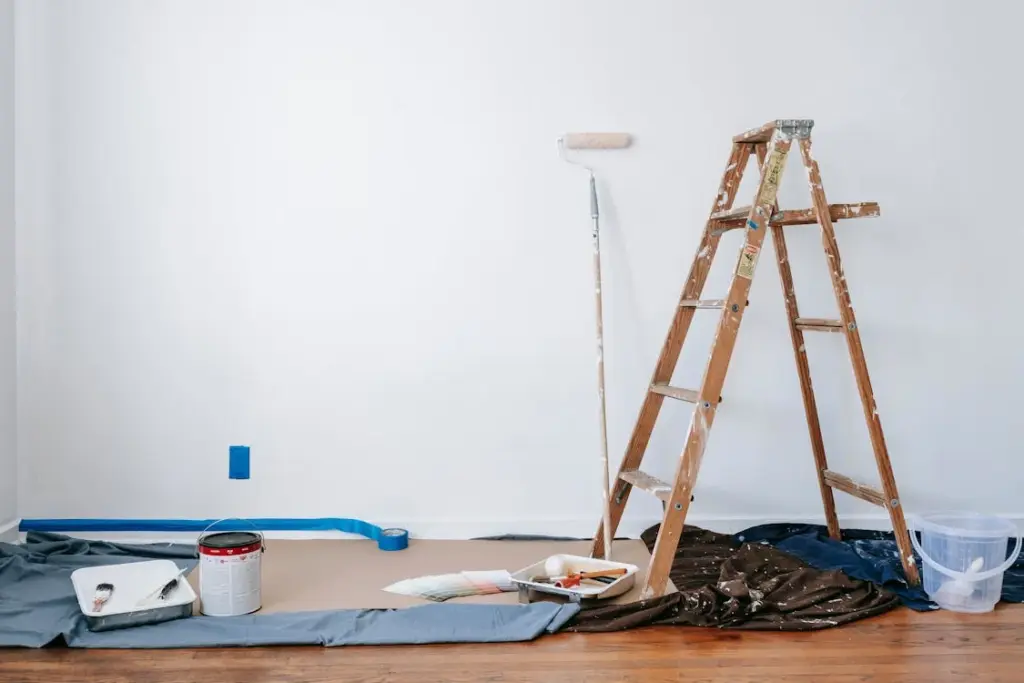
In an effort to save money, lower middle class families often take a do-it-yourself approach to minor home repairs and maintenance tasks. Instead of hiring professionals for every job, they roll up their sleeves and tackle projects themselves whenever possible.
This hands-on method not only saves them the cost of professional services but also builds a sense of self-reliance and accomplishment.
Basic plumbing fixes, painting projects, and other DIY tasks are embraced as challenges, using online resources and their own skills to maintain their homes without breaking the bank.
Limited Luxury Purchases

Luxury items and high-end products act as rare treats for the lower middle class. They base buying choices on need and real use, not fun or show-off signs.
They do treat themselves to a special buy at times, but these happen seldom and with much thought.
They keep the main goal on basic needs and smart money use, not big-spend luxury or extra items.
Public Schooling for Children

When it comes to education, lower middle class families often choose public schools for their children. While private schooling may be considered if finances allow, public education is the more common choice.
Public education systems provide a reliable and accessible avenue for their children’s education without the added financial burden of costly tuition fees.
They prioritize giving their kids the best education possible within their means, understanding the importance of a good foundation for their future.
Active in the Community

Lower middle class people often join local community events and groups. They give time as volunteers and help with charity work in their areas or towns.
This work builds a sense of belonging and community spirit. It also gives chances for personal growth and social ties.
By giving effort, they create a support network and make real bonds with others who share their situation and values.
Occasional Vacations

Lower middle class families take vacations as a rare treat. They pick cheap travel options to control costs and often go to places in their own country or close by.
Long or fancy vacations stay out of reach, but they make good times and special family memories with smart plans and low-cost picks.
These short trips give a needed break from daily life and build lasting memories on a budget.
The Lower Middle Class Reality

Spotting signs of lower middle class life can help you grasp your money and social spot. If many of these traits and situations fit your life, you may be in the lower middle class.
Many hardworking families live this reality. They work to pay bills and reach goals.
Share your stories, find help, and push for a better life for you and your family.
If you like what you just read, then subscribe to my newsletter.