Avoid Sink Clogs: 20 Common Culprits to Watch

You might not think twice about what goes down your kitchen sink, but you should. As a landlord with over 22 years of experience, I have seen many plumbing disasters that began with a basic clog.
I have handled all types of plumbing issues over the years. The cost to fix them ran from $200 to over $3000. The biggest repair came when we dug up the concrete floor of a slab house after a pipe broke underground.
That is an extreme case, but small problems can still cost hundreds of dollars. Plumbing issues do not just hit your wallet; they mess up your daily life and add stress.
Many people think a garbage disposal fixes all kitchen waste issues. I hate to say it, but that is not true. Garbage disposals manage some food scraps, but they have limits.
Some items can break the disposal or block pipes later. You need to know what to put down your sink, with or without a disposal.
In this article, I share my knowledge on the 20 things you should never put down your kitchen sink. I also list good ways to get rid of these items.
Got plumbing horror stories or tips? Share them in the comments!
 Also forward this to who you know needs to see it.
What to Do Instead

Before we start the list of sink mistakes, let’s cover better ways to manage kitchen waste. Good waste handling keeps your plumbing healthy and cuts your harm to the planet.
First, try a sink strainer. This basic tool grabs solid bits and stops them from going down the drain. It costs little and can save you big on plumbing fixes.
For fats, oils, and grease, let them get hard and throw them in the trash. These look safe as liquids, but they clog pipes bad when they cool and stick.
Composting works great for many food scraps. Veggie peels, pulp, and coffee grounds suit it well. This cuts kitchen trash and makes rich soil for your garden.
As an extra tip, I made an article called “Kitchen Hacks that Reduce Food and Financial Waste” that fits this topic. These steps aid your plumbing, stretch your food money, and cut total waste.
Now, let’s dive into what to keep out of your kitchen sink!
Spaghetti and Pasta

Pasta looks soft and safe, but it can harm your plumbing in big ways. Pasta keeps growing in water and may clog your pipes.
Small pieces swell up in pipes and block them, mainly if they stick to grease or dirt. Put leftover pasta in the trash or compost.
Seafood Shells
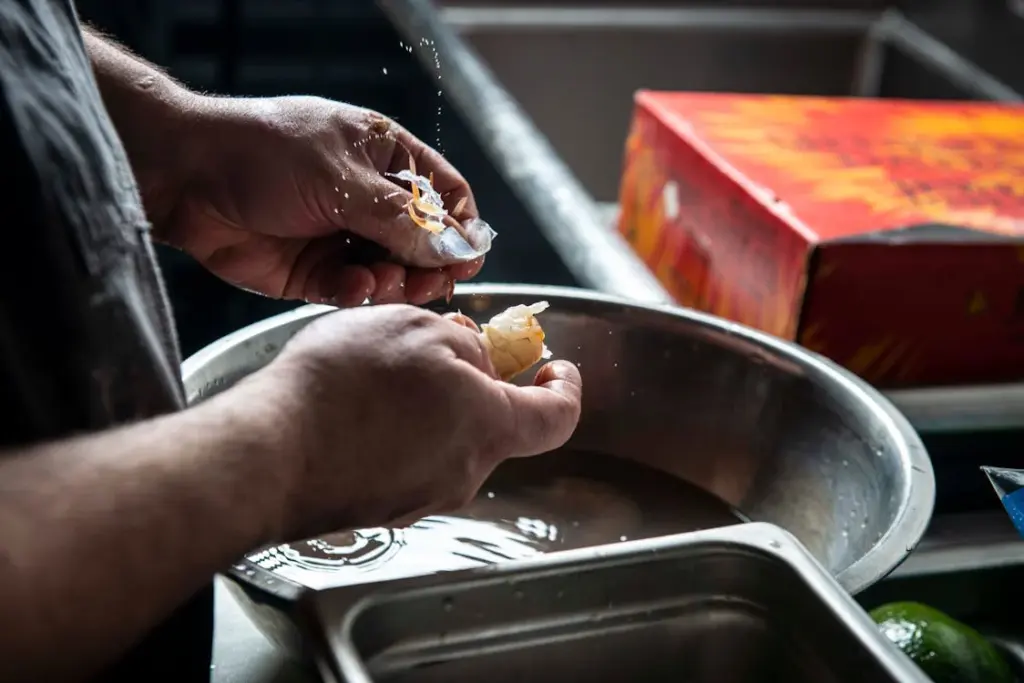
Shells from shrimp, crab, and other seafood are too hard and bulky for your plumbing system. They can damage your garbage disposal and get stuck in your pipes, leading to clogs.
Even if broken into smaller pieces, they can still cause issues by accumulating in your plumbing. Always dispose of seafood shells in the trash.
Oatmeal

Oatmeal looks safe, but it grows with water. In pipes, it turns thick and sticky like glue. It clings to the sides and blocks flow.
This gets worse with other trash. Scrape leftover oatmeal into the trash or compost.
Grease and Oil
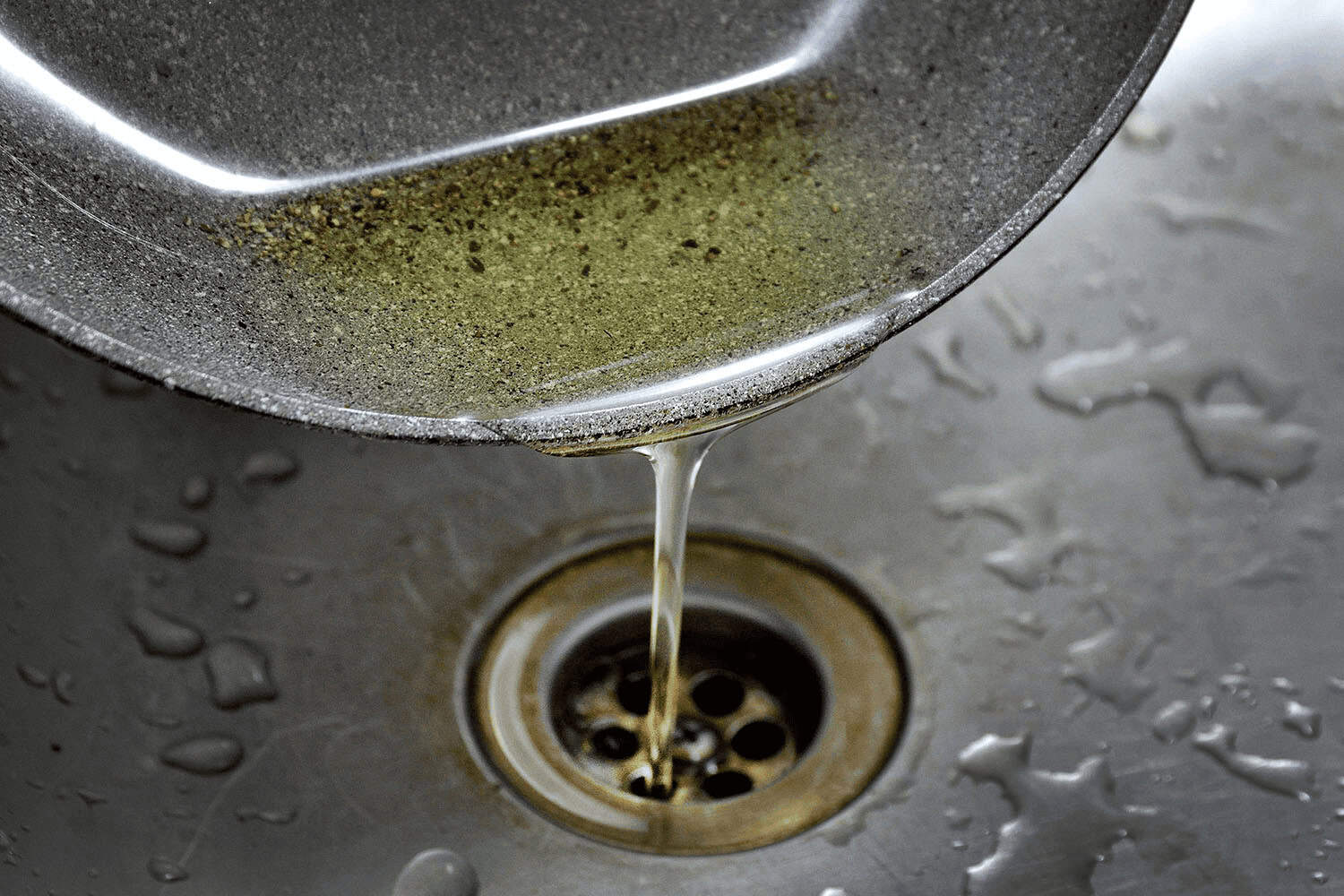
Grease and oil are major troublemakers for your pipes. When hot, they might seem harmless, but as they cool, they solidify and stick to the inside of your pipes.
Over time, this buildup can trap other debris, creating large, stubborn clogs that are difficult to remove. Instead of pouring grease down the drain, let it cool and scrape it into the trash.
Fruit and Vegetable Peels

Potato and carrot peels look small and safe, but they cause major issues. Peels build thick gunk in pipes and lead to clogs, above all with other food scraps.
They jam garbage disposals and catch in the blades. Compost peels or put them in the trash.
Flour
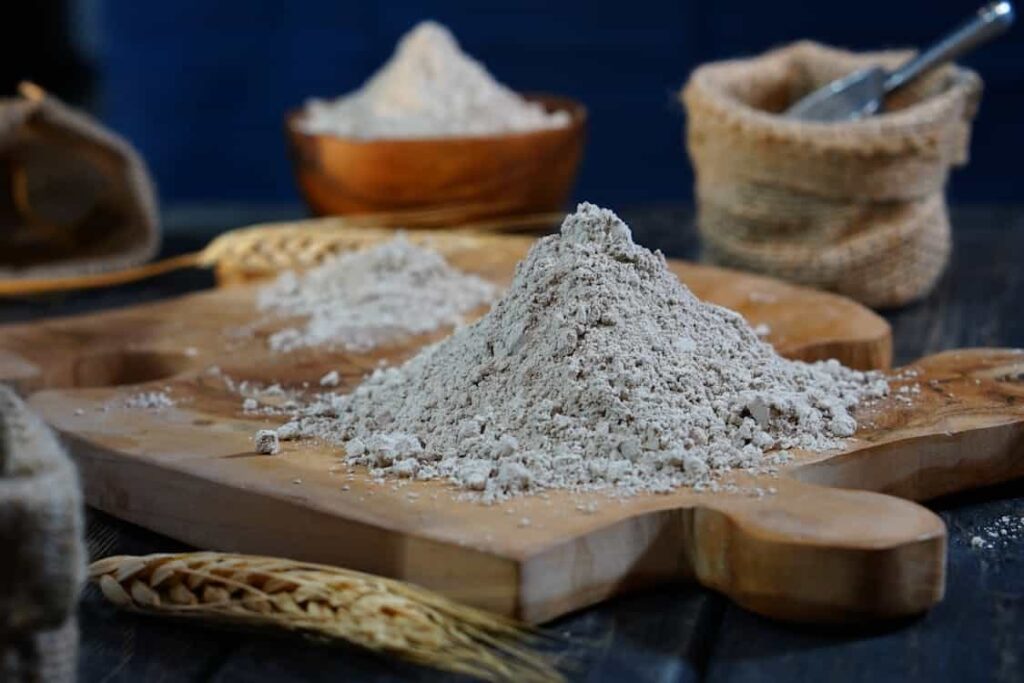
Flour might seem innocuous, but it’s a real troublemaker for your plumbing. When mixed with water, flour forms a gluey paste that can easily clog your pipes.
This paste sticks to the sides of the drain and accumulates other debris over time, leading to serious blockages. Always wipe out floury bowls with a paper towel before washing them in the sink.
Bones
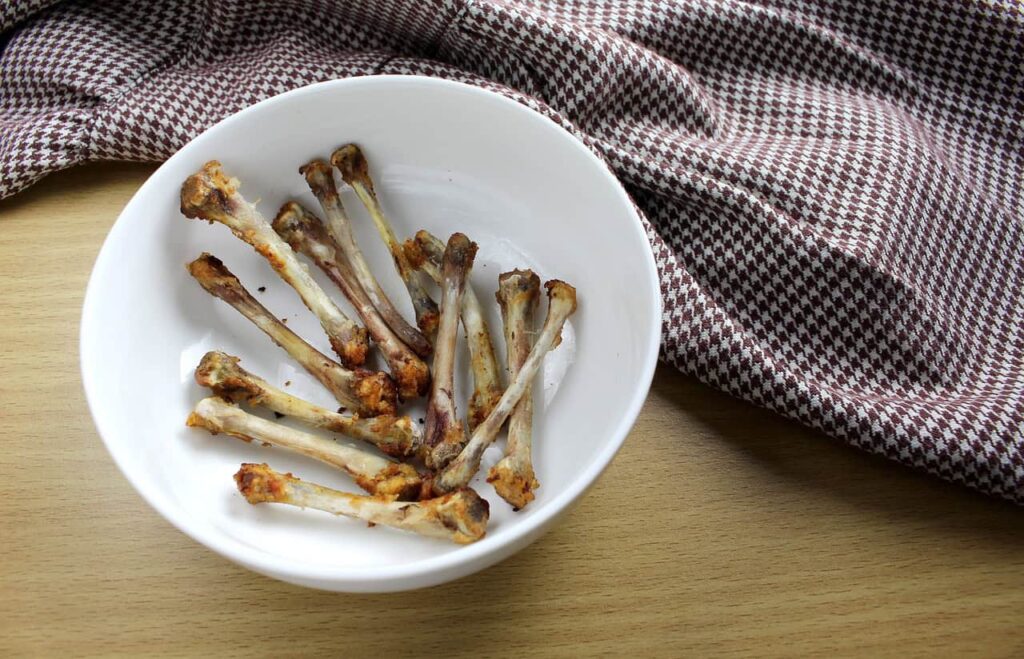
Bones are far too tough for your garbage disposal and pipes. They can damage the disposal blades and get stuck in your pipes, leading to costly repairs.
Even small bones can cause issues if they build up over time. Always throw bones in the trash, or save them to make stock if you’re feeling culinary.
Rice

Rice, like pasta, is another food that grows big and can damage your pipes. It takes in water and gets bigger, which may block your pipes.
Sticky rice causes big problems. It turns into a thick starch that sticks to pipe walls. Put leftover rice in the trash or compost.
Coffee Grounds

Many people think coffee grounds are okay for the garbage disposal, but this is a myth. Coffee grounds don’t break down in water.
Instead, they clump together and settle in your pipes, leading to blockages that even a garbage disposal can’t handle. Used coffee grounds are great for compost or can be used as a natural fertilizer for plants.
Eggshells
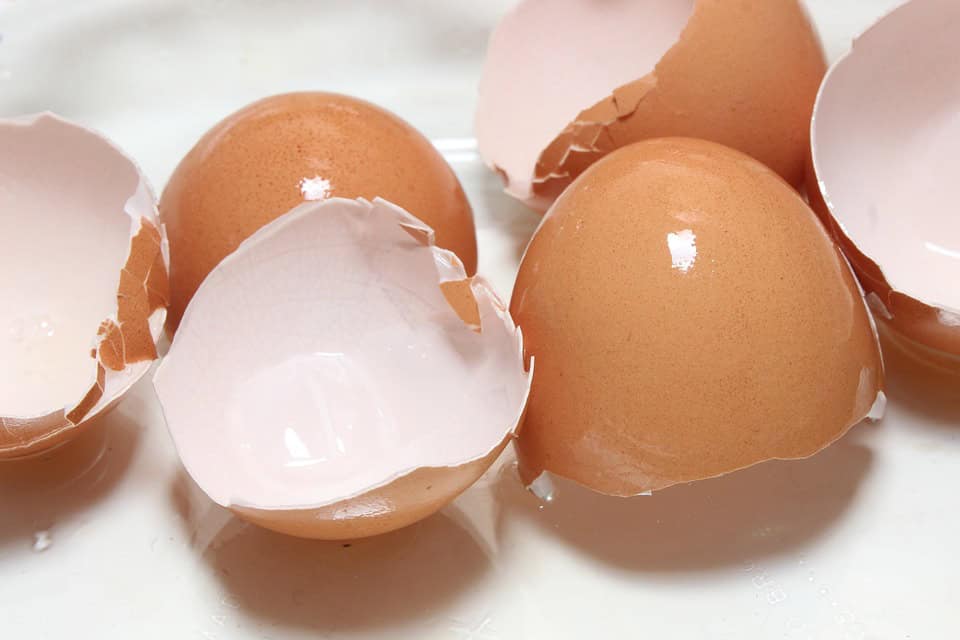
Eggshells look weak, but they harm your pipes a lot. They turn into tiny sand bits that mix with junk and block drains.
Some think eggshells sharpen disposal blades, but that is wrong. Put eggshells in the trash or grind them for your garden plants need calcium!
If you like what you are reading, then click like and subscribe to my newsletter. We share tips to waste less time and money.
Mashed Potatoes
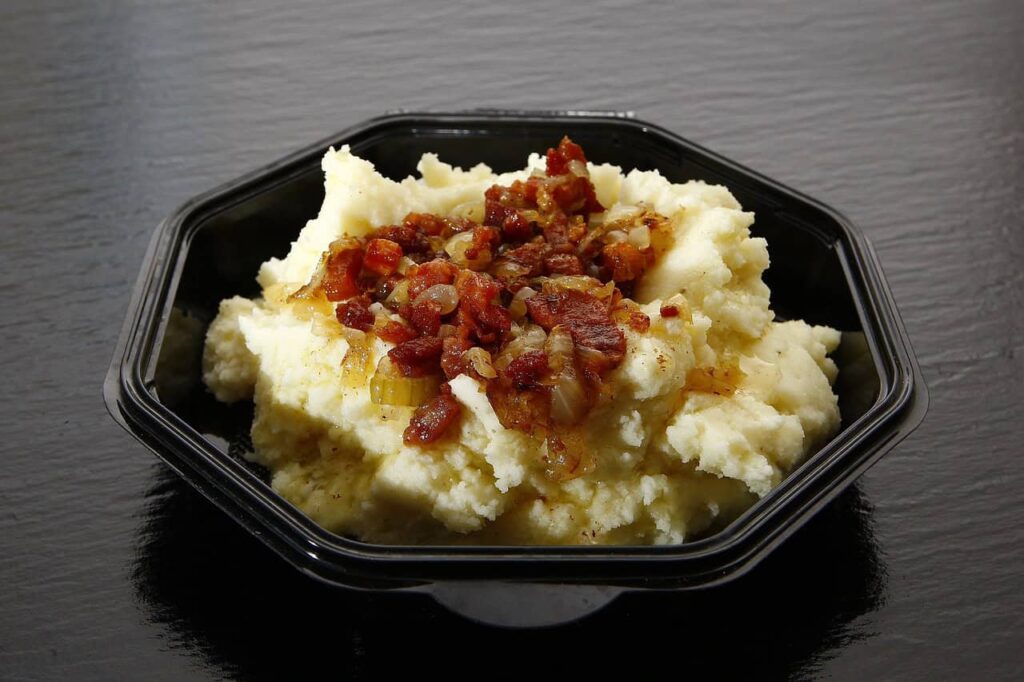
Mashed potatoes might be comfort food for you, but they’re a nightmare for your pipes. The starchy consistency makes them stick to pipe walls, attracting other debris and eventually forming a clog.
They can act like cement in your pipes, creating stubborn blockages. Always scrape leftover mashed potatoes into the trash.
Pulp from Juice Machines
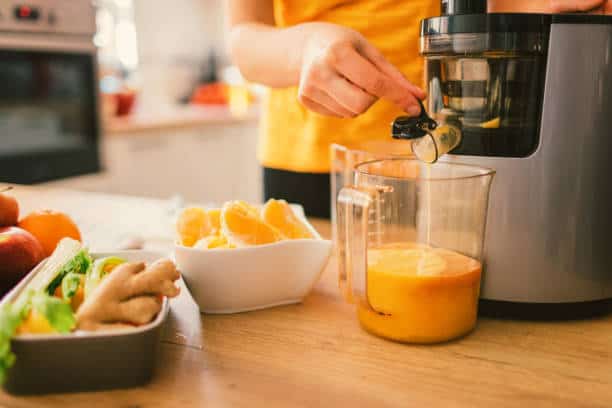
Juicer pulp from fruits and vegetables has lots of fiber. It builds up fast in pipes. This fiber makes big clogs over time, mainly with grease or dirt.
Skip the drain. Put juicer pulp in compost or add it to baking for more fiber.
Nuts and Seeds

Nuts and seeds are too hard for your garbage disposal and can damage the blades. Even when ground up, they can accumulate in the pipes, especially if mixed with grease.
This combination can create stubborn, paste-like clogs that are difficult to remove. It’s best to snack on nuts and seeds or add them to your compost.
Cheese and Dairy Products
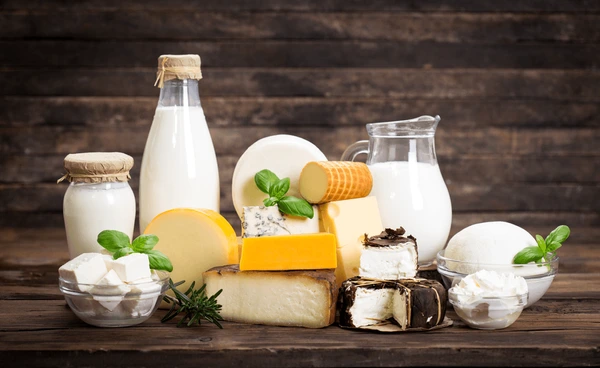
Dairy products can harden in your pipes, mainly when mixed with other food scraps. This builds tough clogs that are hard to clear.
Cheese can thicken and cling to pipe walls, catching other junk. Scrape extra dairy into the trash before you rinse dishes.
Medications
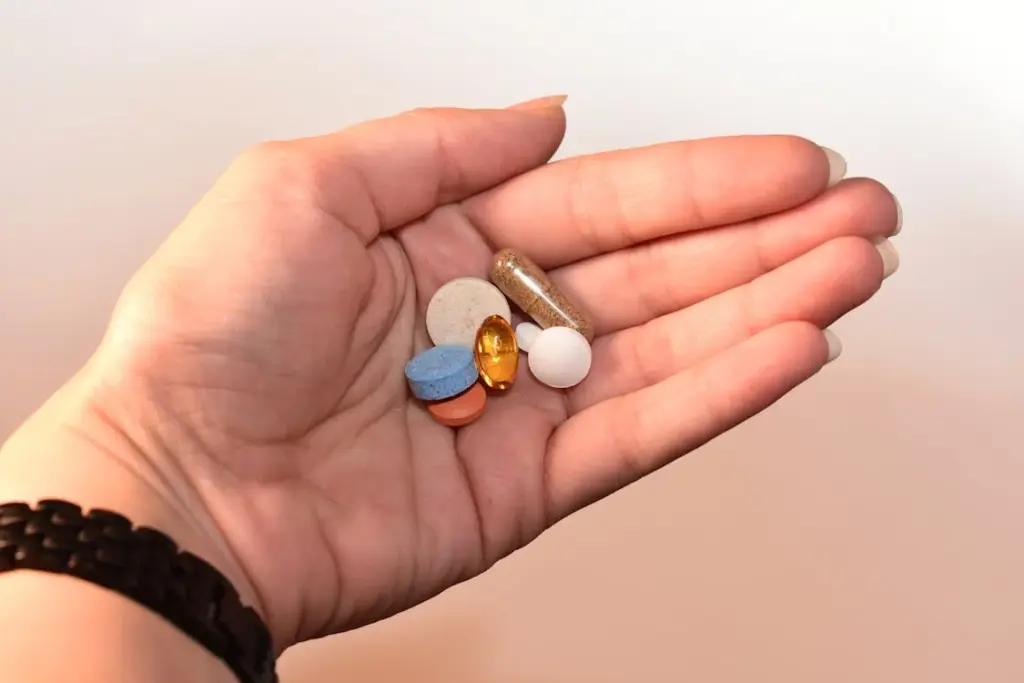
Flushing medications down the sink or toilet can contaminate water supplies. Most water treatment facilities aren’t equipped to remove these substances from the water.
This can lead to environmental issues and potentially affect wildlife and human health. Always dispose of medications properly, many pharmacies offer take-back programs.
Cleaning Products

Strong cleaning chemicals hurt your pipes and the planet. They eat away at pipes over time and cause leaks plus other pipe problems.
These items also kill good bacteria in septic tanks and create issues at water plants. Use cleaning products as the label says and throw out extras by local rules.
Candle Wax
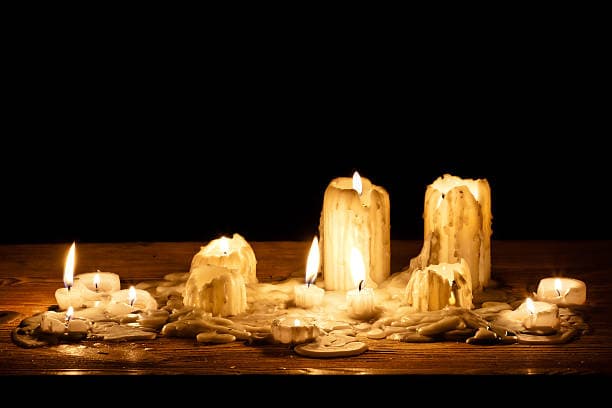
Candle wax might seem harmless when melted, but it can cause serious issues in your pipes. As it cools, wax solidifies and can stick to the inside of your pipes, leading to clogs and drainage issues.
It can also trap other debris, making the blockage worse over time. If you have melted wax in your sink, let it harden and scrape it into the trash.
Leftover Food Scraps
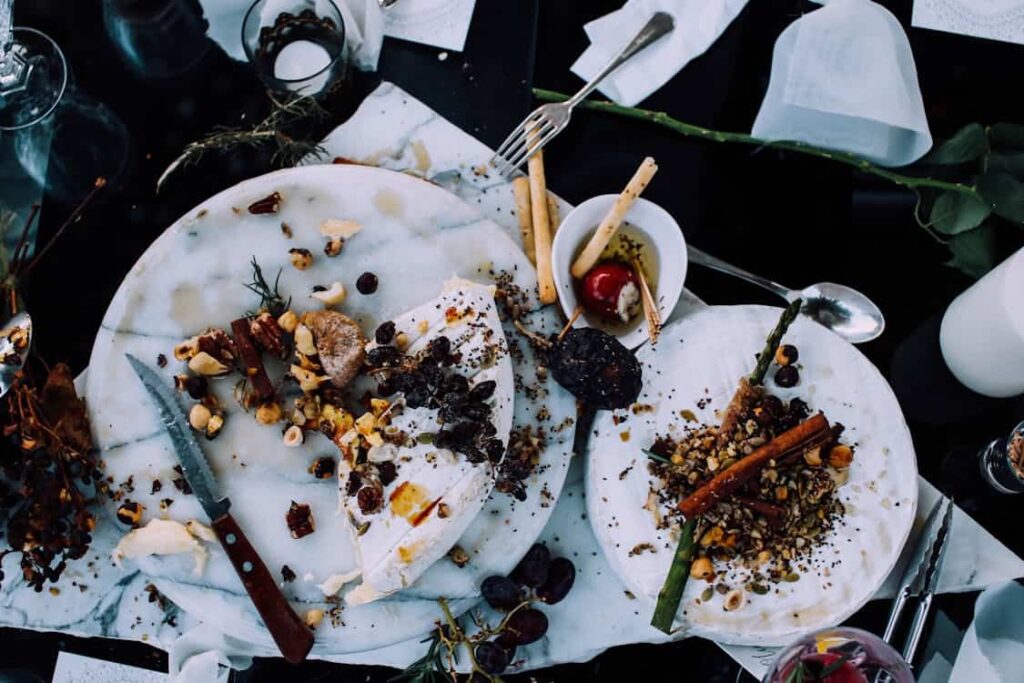
It’s easy to rinse plates right in the sink, but food scraps build up and create issues. Tiny food pieces mix with grease and dirt, which causes clogs after a while.
They draw bugs into your pipes too. Scrape plates into the trash or compost first, then rinse.
If you like what you are reading, then click like and subscribe to my newsletter. We share tips to waste less time and money.
Paper Towels and Napkins
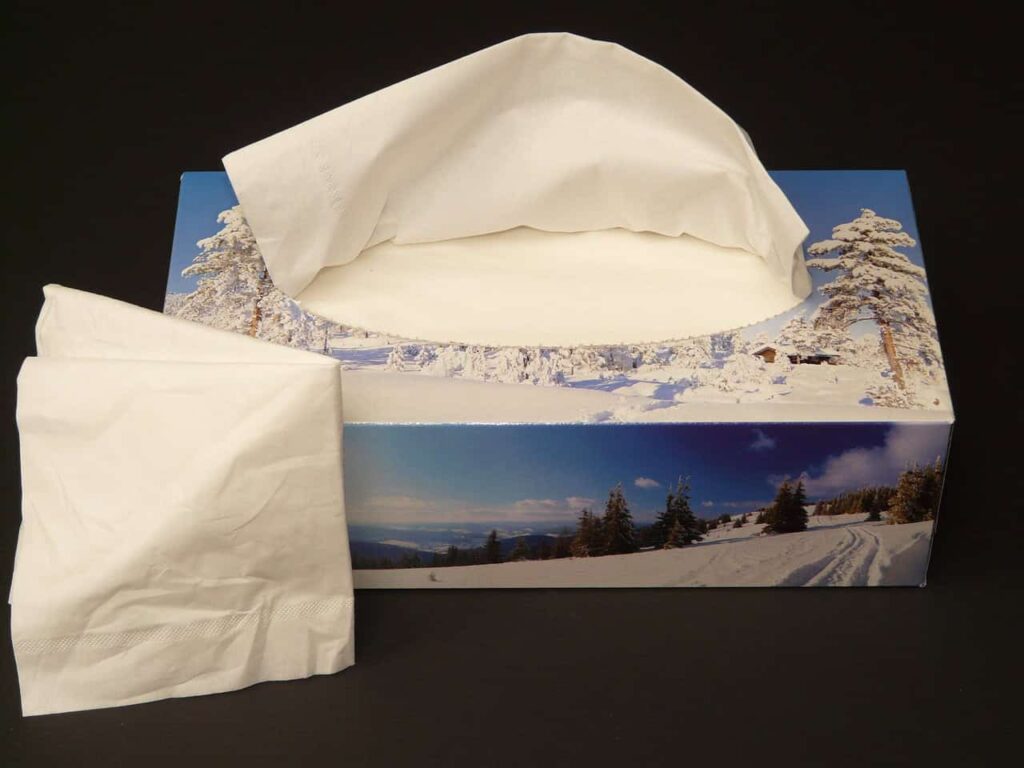
Paper towels and napkins don’t break down in water the way toilet paper does. They can create large blockages that are difficult to remove and might require professional help.
Even if they make it past your pipes, they can cause issues at water treatment plants. Always dispose of paper towels and napkins in the trash.
Dental Floss
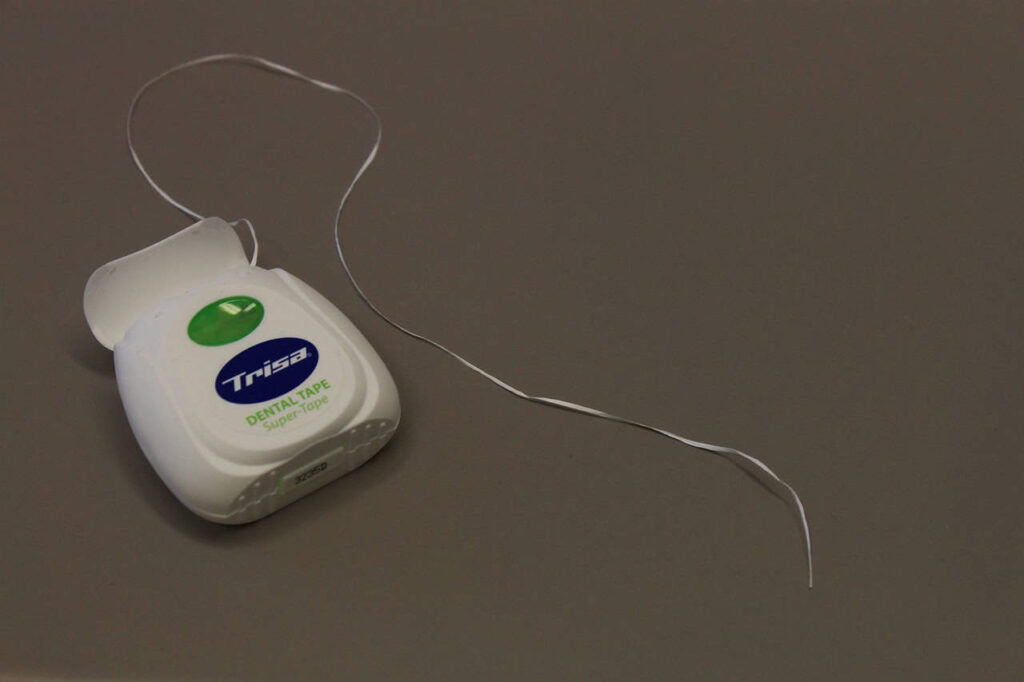
Dental floss looks small and safe, but it can create big issues in your pipes. It does not break down and can build tangled balls inside the pipes.
These balls can catch other junk, which leads to bad clogs that are tough to clear. Always put used dental floss in the trash.
Protect Your Pipes, Save Your Wallet
There you have it, 20 things that should never go down your kitchen sink. Keep in mind, what goes down your drain does not just vanish. It can return as clogs, broken pipes, and high repair costs.
Paying attention to what you put down the drain helps your plumbing and your wallet. A bit more care now can stop big problems (and bills) later.
Share this tip with your friends and family. You might save someone from a plumbing mess.
If you like what you just read, then subscribe to my newsletter.