Avoid These 20 First Cruise Pitfalls


Booking a cruise can be an exciting adventure, but tiny errors often cause major problems. New cruisers might miss key points, like flight times or ship rules, and change a fun trip into a big hassle. Learn to skip these traps and keep your cruise easy and calm.
Recent reports show 27% of cruise passengers in the past two years were first-time cruisers, up 12% from the two years before. Many hit basic new cruiser errors, such as late port arrivals or cruise plan challenges.
This article gives 20 expert tips to dodge the top cruise mistakes. From pack lists to time plans, you get the know-how to make your first cruise just like you want.
Want a cruise that feels simple and great? Read on, and we make it real!
Underestimating the Size of the Ship

New cruisers often miss how big cruise ships are. Finding your way on the decks and learning the setup takes time. This can leave some people stressed. Not knowing the paths can lead to delays or missed events.
Learn the ship’s layout with maps or apps from the cruise line. Plan extra time to reach shows, dining spots, or events. Prep work makes you feel sure and at ease on the ship.
Not Packing for Cold Weather
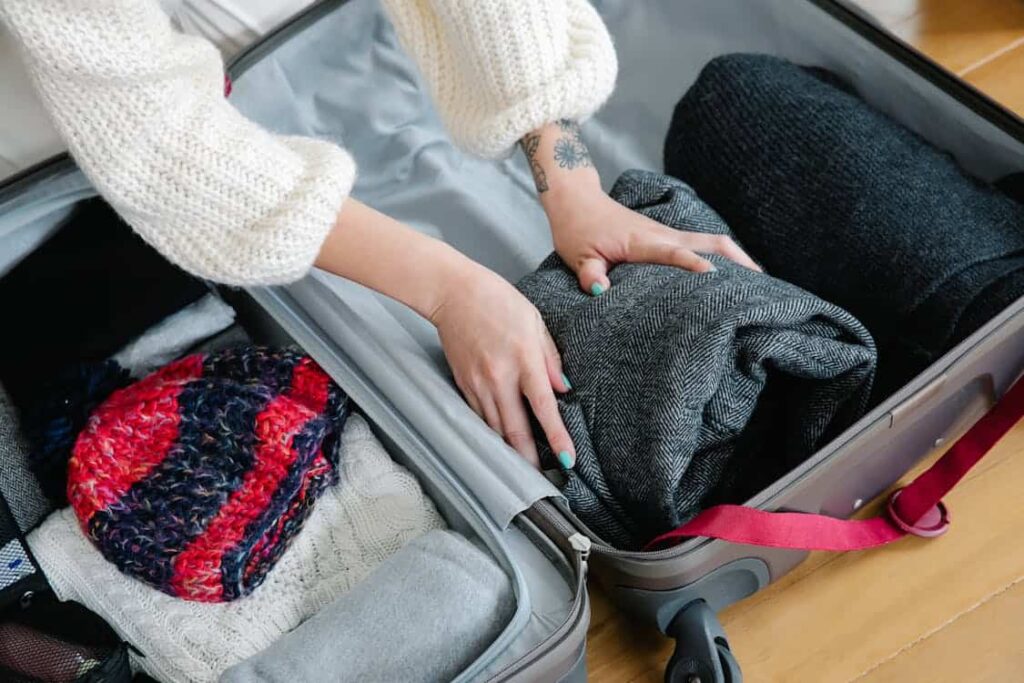
Even warm-weather cruises can get chilly, especially on open decks at night. Many first-timers assume tropical destinations mean constant heat, but breezy evenings can leave you wishing for a sweater.
Pack versatile layers to adapt to changing conditions. A light jacket or sweater ensures you stay comfortable regardless of the temperature. Preparation means you won’t miss out on stargazing or evening events.
 If you like what you are reading, then click like and subscribe to my newsletter. We share tips to waste less time and money.
Forgetting About Sunscreen Regulations
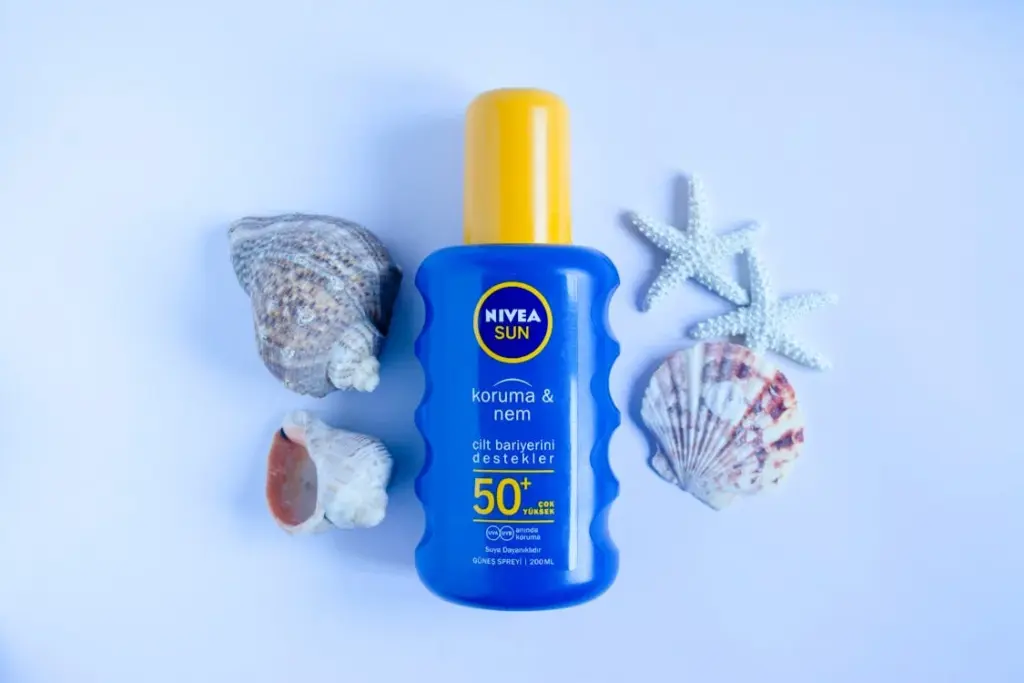
Some spots, mainly tropical ones, ban certain sunscreens. They block types with bad chemicals to save coral reefs. If you do not know this, you may lose your products or pay fines.
Check sunscreens okay for your trip and pack them. Reef-safe kinds sell everywhere and keep nature safe while guarding your skin. Stay green to help you and the earth.
Overpacking and Missing Essentials

Packing too much while forgetting key items like medications or toiletries can complicate your cruise. Overpacking makes navigating small cabins challenging, while missing essentials requires costly onboard purchases.
Cruise passengers spend an average of $750 per person in port cities during a typical voyage. A factor in play in this statistic would be the missing essentials. Make a checklist to ensure you bring what’s necessary without going overboard.
Prioritize versatile items to save space while staying prepared for different activities. Smart packing ensures you’re ready for anything the cruise might bring.
Not Researching Tipping Policies

First-time cruisers often overlook tipping customs, leading to confusion or unintended expenses. Many cruise lines include gratuities in the fare, while others require tipping staff directly. Failing to research this policy can leave you unprepared and scrambling to budget appropriately.
Understanding tipping practices helps you avoid awkward situations and ensures the crew receives fair recognition for their service. Review your cruise line’s guidelines and prepare small bills for any additional tipping needs, like excursions or bartenders.
Not Booking Specialty Dining in Advance
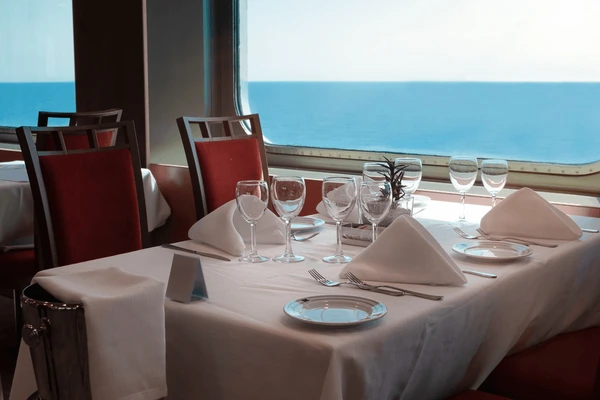
Specialty dining gives better meals with special menus or themes, but new visitors may wait too long to book. These spots fill up fast and leave few choices at busy times. Think you can book on the ship and you miss your chance.
Book ahead to get a spot at your top pick and taste the best food. Read reviews or see menus first to pick well. Plan your meals to make the cruise better and get great food.
Specialty dining brings new tastes and fun to your trip, so book early to win. Do not wait and lose out.
Overlooking Cruise Insurance
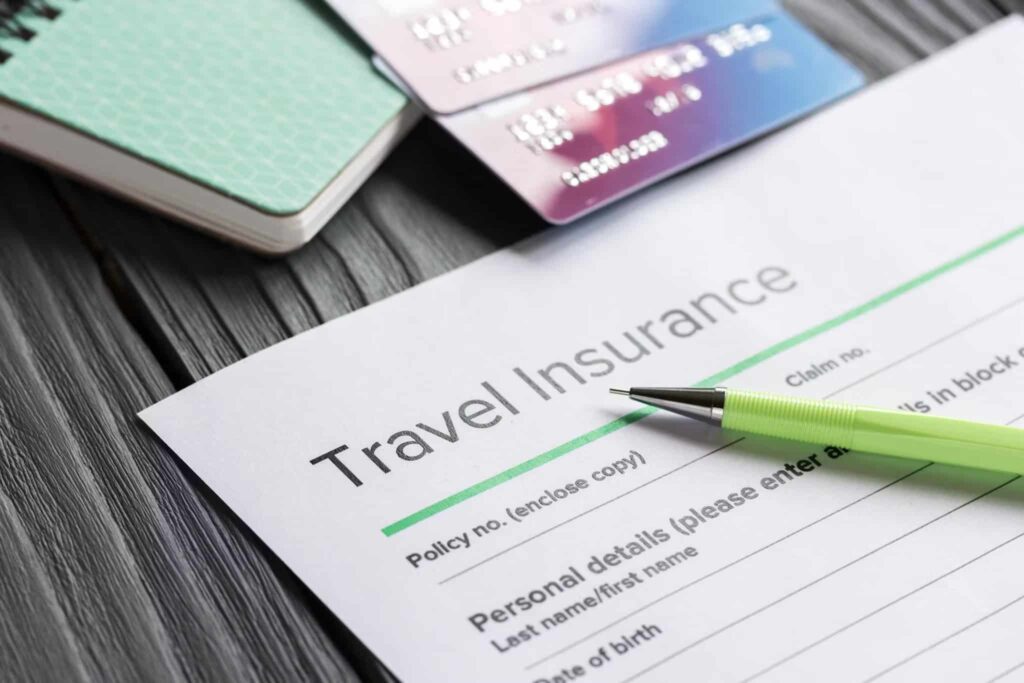
Many first-timers dismiss cruise insurance as an unnecessary expense, but emergencies happen. Illness, cancellations, or missed connections can turn a planned vacation into an expensive ordeal without coverage. Not considering this safeguard could leave you vulnerable to unexpected costs.
Cruise insurance protects your investment, offering peace of mind during unforeseen situations. Review policies carefully to ensure they cover medical emergencies, trip interruptions, and cancellations. Being insured keeps your vacation on track, even if plans go awry.
An extra layer of protection can make all the difference, turning potential stress into a manageable situation. Investing in insurance supports a worry-free trip.
Not Reading Cruise Reviews

Skipping the step of reading reviews often leads to unrealistic expectations or surprises. First-timers may assume every cruise experience is similar, but each ship, itinerary, and cruise line offers unique experiences.
Reviews provide valuable insight into food quality, entertainment, and the overall atmosphere. Researching feedback from previous travelers helps you understand what to expect and avoid disappointment. Look for comments on amenities, service, and tips specific to your chosen ship.
A little effort upfront leads to better preparation and more tailored expectations. Cruise reviews help you make informed decisions, ensuring a trip that matches your preferences.
Underestimating the Importance of Comfortable Shoes

Cruising means a lot of walking on the ship and during trips ashore. New cruisers pack nice shoes that do not work for long walks. This causes sore feet or injuries. Pick shoes that give good support to enjoy your trip.
Pack shoes that go with casual and dressy clothes but put comfort first. They help with walks in ports or on the ship’s decks. Good shoes keep you full of energy for all activities.
Happy feet make a better trip, so pick comfort over style.
Not Researching Seasonal Weather Patterns

First-timers often overlook how seasonal weather affects cruise conditions. Booking during hurricane season or rainy months can lead to canceled ports or rough seas. Understanding typical weather for your destination helps you plan for a smoother trip.
Check historical data to choose the best time of year for your cruise. Packing accordingly ensures you stay comfortable during changing weather conditions. Being informed avoids surprises and prepares you for the elements.
Choosing the right season enhances your overall experience, ensuring a more enjoyable journey. Weather awareness matters more than you might expect.
If you like what you are reading, then click like and subscribe to my newsletter. We share tips to waste less time and money.
Not Taking Advantage of Loyalty Programs

Many cruise lines offer loyalty programs that first-timers often miss out on. These programs provide perks like discounts, upgrades, and exclusive onboard benefits for repeat cruisers. Not signing up leaves you out of opportunities to save or enhance future trips.
Registering early ensures you start building points from your very first trip. Even if you’re unsure about cruising again, enrolling costs nothing and offers potential rewards. Loyalty benefits can significantly improve your travel experience over time.
Thinking ahead about loyalty pays off with added value and perks.
Not Flying in the Day Before

One of the most significant errors is booking a flight that arrives on the same day as your cruise departure. Flights can face delays or cancellations, leaving travelers stressed or even stranded. Arriving the day before allows extra time to account for these uncertainties and helps ensure you won’t miss your cruise.
Staying overnight near the port also means you can board early, making embarkation smoother. Early boarding often lets you enjoy fewer crowds and gives you time to explore the ship before setting sail. Planning ahead with a buffer day can turn what could be chaos into a relaxing start.
The added time lets you adjust to your surroundings, ensuring you’re refreshed for the journey. Start your vacation stress-free by planning flights to avoid cutting it too close.
Not Knowing How Long It Takes to Board and Deboard

Many first-time cruisers do not plan enough time to board or leave the ship. Embarkation means security checks, luggage handling, and check-ins. This often takes a couple of hours. You can’t just arrive at the port and walk right onto the ship.
Disembarkation takes even longer, mainly due to customs checks and big crowds leaving at once. Bad timing here can cause missed flights or delays. Plan lots of extra time, above all if your flight is on the same day the cruise ends.
Knowing the timeline sets real expectations and cuts down on stress.
Ignoring Sea Sickness Preparations

Even those with no history of motion sickness can feel queasy at sea, especially during rough weather. Many first-timers may underestimate the possibility of seasickness, believing they are immune. Although, it’s wise to pack remedies such as seasickness bands, ginger candies, or medication like Dramamine.
Some cabins, particularly those in the middle of the ship on lower decks, experience less motion. Choosing these can make a significant difference if you’re prone to seasickness. Preparing for this issue can save you discomfort and make your cruise far more enjoyable.
Being proactive means you won’t spend precious vacation days confined to your cabin. A little planning can keep you steady and ready to enjoy every moment.
Misunderstanding Time Zone Differences

Time zones on cruises can be confusing, especially when ports and departure cities operate on different schedules. First-timers often assume shipboard time matches local port time, leading to missed excursions or late arrivals. Research beforehand to clarify how time changes will affect your plans.
Most ships keep to a single time zone throughout the journey, regardless of the port’s local time. Ensure your watches and devices are set to ship time to avoid mistakes. Announcements will remind you, but it’s up to you to stay mindful.
Being informed about time zones avoids unnecessary stress and ensures smooth transitions between ports. Double-check your itineraries to stay on track.
Cutting It Too Close After Excursions

Excursions are often a highlight of cruising, but they can also cause stress if poorly timed. Many first-timers book independent tours without considering the ship’s departure schedule. Getting back late could leave you stranded, as ships rarely wait for delayed passengers.
Booking excursions through the cruise line provides a safety net since these tours guarantee a timely return. If you choose an independent operator, leave plenty of time for potential delays. Avoiding risky schedules ensures you can enjoy the experience without worry.
Always plan a buffer for unforeseen issues like traffic or weather. Being cautious keeps your vacation enjoyable and uninterrupted.
Traveling Without a Passport
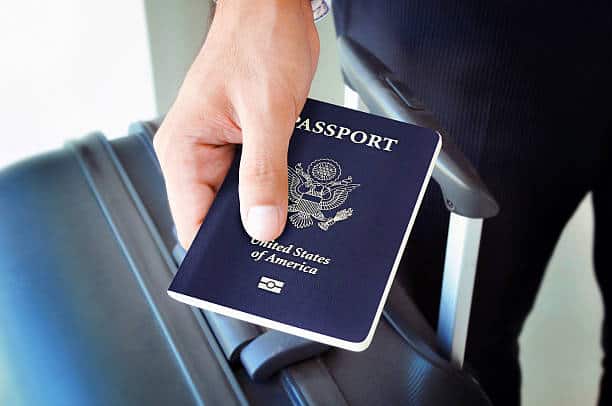
Some cruises allow boarding with just a birth certificate, but that choice brings risks. If illness or another emergency leaves you at a foreign port, getting back to your home country without a passport turns into a big problem.
A valid passport keeps you ready for any event. Passports also speed up customs checks and boarding. Even if not needed, it cuts trouble in surprise cases.
This easy step can change a lot. Being ready matters, and a passport is a key item for safe trips abroad.
Assuming Your Phone Will Work

Many first-timers don’t realize that regular phone plans often won’t work at sea. Cruise ships rely on satellite connections, which come with expensive roaming fees. Relying on your phone without a plan for connectivity can result in surprising costs.
Research cruise-line Wi-Fi packages or consider offline communication tools like messaging apps when connected at ports. Download maps, guides, and entertainment beforehand to minimize data usage.
Understanding connectivity options prevents unexpected bills and keeps you connected when necessary.
Using a Debit Card for Deposits

Cruise lines place a hold on credit or debit cards for onboard expenses, but debit cards can complicate access to your funds. These holds might temporarily freeze large amounts of money, leaving you short on cash during the trip.
Using a credit card avoids these issues while providing more flexibility for unexpected charges. First-timers often overlook this detail, leading to unnecessary financial stress. Review your payment options to ensure your finances remain accessible.
Forgetting to Pack Nice Clothes for Dining

Cruise dining often has nice dress rules, mainly on formal nights. Many new cruisers miss this and pack just casual clothes. Dressing too casual can cut your dining choices or make you feel odd.
Check your cruise line’s dress rules and pack right. A few sharp outfits let you join all ship dining. Planning stops letdowns and boosts your trip.
Joining the dining style brings class to your cruise. Right clothes help you get the best of it.
Cruise Smarter for a Better Vacation

Cruises offer unforgettable adventures, but mistakes can quickly complicate your experience. Starting with planning flights wisely to being mindful of time zones, each detail matters. Avoiding common pitfalls ensures your trip goes smoothly, letting you focus on relaxation and fun.
With the right preparation, you’ll be better equipped to handle the nuances of cruise travel. Pack strategically, respect timing, and take advantage of the ship’s many offerings.
These tips will save you from unnecessary stress and make your vacation as enjoyable as it should be.
If you like what you just read, then subscribe to my newsletter.