Don’t Die Rich and Miserable: The Retirement Mistake No One Talks About
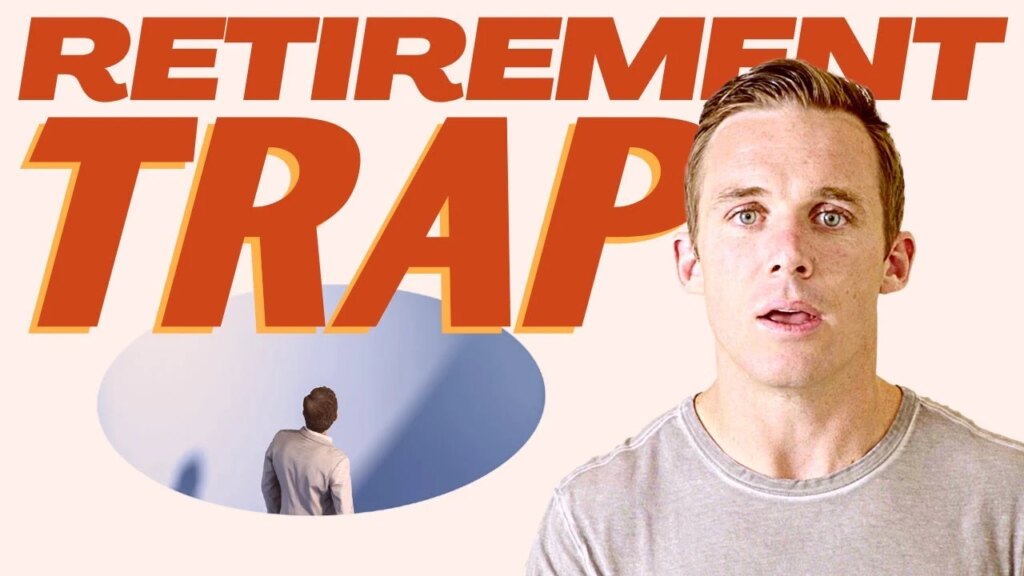
I’ve seen this pattern more times than people realize. Someone works hard, saves diligently, invests wisely, and finally reaches retirement with a solid nest egg. On paper, they’ve “won.” But in practice, they’re still afraid to spend, still chasing bigger numbers, and still postponing the life they said they were saving for.
Retirement isn’t supposed to be a second career in hoarding wealth. Yet for many, the habit of accumulation quietly replaces the goal of enjoyment. The result? A retirement that looks secure but feels constrained.
The Trap of Chasing More
There’s nothing wrong with building wealth. In fact, disciplined saving is what makes retirement possible. The problem starts when accumulation becomes the goal instead of the tool.
I’ve talked to retirees who could comfortably spend more, travel more, or help family more, but they don’t. Not because they can’t, but because they’re afraid. Afraid of markets, inflation, healthcare costs, or simply “running out.”
Many would never say their goal is to die rich. Yet their behavior points that way. They delay trips, postpone hobbies, and sometimes even delay retirement itself despite being financially ready.
As entrepreneur and philanthropist Susie Tompkins Buell has suggested in various interviews, dying with a pile of money but a pile of regrets isn’t exactly success.
What Actually Matters in Retirement
When I ask people what they want from retirement, I rarely hear “a bigger brokerage balance.” I hear:
• Time with family
• Freedom over their schedule
• Travel and experiences
• Health and meaningful activities
• Giving back or volunteering
But then I look at their financial behavior, and it often tells a different story. The fear of spending can override the desire to live.
A fulfilling retirement starts with clarity. What does a good life look like for you? How much does that life realistically cost? Once you know that, your money can be aligned with your values instead of your fears.
Income, Spending, and the Fear Factor
Here’s a reality many don’t realize: a lot of retirees spend less than their portfolios could safely support. Sometimes that’s by preference and that’s perfectly fine.
The issue is when underspending comes from anxiety rather than choice. Living below your means is healthy. Living in a scarcity mindset when you don’t need to can quietly reduce your quality of life.
I often remind people: the goal isn’t to maximize your ending balance. It’s to maximize your life along the way.
Your Portfolio Is a Tool, Not a Scorecard
Some retirees become fixated on their portfolio value. If it goes up, they feel safe. If it dips, they feel stressed even if their spending is fully sustainable.
That’s a tough way to live. Markets will always fluctuate. A portfolio is meant to fund your life, not dominate your emotions.
I encourage a mindset shift:
Instead of asking, “How big is my portfolio?”
Ask, “What kind of life can this portfolio support?”
That question leads to very different decisions.
Taxes Matter, But Not More Than Life
Yes, taxes are a real expense in retirement. Smart planning can reduce the drag. But I’ve seen retirees avoid selling appreciated assets, skip experiences, or delay dreams just to avoid a tax bill.
Saving on taxes is good. Missing out on life to save on taxes is not.
Tax strategy should support your lifestyle goals, not control them.
The Mindset Shift That Changes Everything
Philosopher Francis Bacon once wrote that money is a good servant but a bad master. That’s just as true in retirement as it is in working years.
Money should create freedom, not fear. It should open doors, not close them.
The happiest retirees I’ve seen aren’t the ones with the largest accounts. They’re the ones with:
• Clear priorities
• Confidence in their plan
• Permission to enjoy what they built
The Bottom Line
You worked hard to build your retirement. Don’t accidentally spend it protecting numbers instead of living your life.
A great retirement isn’t measured by how much you leave behind it’s measured by how well you live along the way.
If your plan supports your needs, protects against major risks, and still leaves room for joy, you’re doing it right.
Because at the end of the day, the real goal isn’t to die rich.
It’s to live well.
You should always consult a financial, tax, or legal professional familiar about your unique circumstances before making any financial decisions. This material is intended for educational purposes only. Nothing in this material constitutes a solicitation for the sale or purchase of any securities. Any mentioned rates of return are historical or hypothetical in nature and are not a guarantee of future returns.
Past performance does not guarantee future performance. Future returns may be lower or higher. Investments involve risk. Investment values will fluctuate with market conditions, and security positions, when sold, may be worth less or more than their original cost.