Five Things Retirees Say They Wish They’d Known Sooner

When people think about retirement planning, the focus is usually on numbers. How much is in the 401(k). When to claim Social Security. Which healthcare option costs the least.
Those questions matter. But they aren’t what most retirees talk about when they look back.
After years of working with retirees, a consistent pattern emerges. The biggest regrets aren’t financial mistakes. They’re life decisions people wish they had approached differently.
Here are five of the most common regrets people share after they retire and what current and future retirees can learn from them. ROOTS1E10
1. Waiting Too Long to Travel and Enjoy Life
One of the most common regrets is postponing meaningful travel until “someday,” usually retirement.
People often assume retirement will bring unlimited time, energy, and freedom. In reality, retirement may provide more time, but health and stamina aren’t guaranteed. Trips that felt easy at 55 can feel exhausting or impractical at 70.
Many retirees say they wish they had used vacation time earlier, traveled with family while everyone was healthy, and treated life as a single journey rather than dividing it into “before” and “after” retirement.
The lesson is simple: if something matters to you, don’t automatically push it into the future.
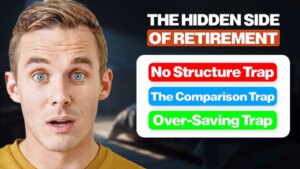
2. Retiring From Work Without Retiring To Something
Another major regret is focusing entirely on leaving a job without thinking about what comes next.
Retirement planning often treats life like a spreadsheet problem. Hit a number, stop working, and everything else will fall into place. But fulfillment doesn’t work that way.
Retirees frequently say they underestimated how much structure, purpose, and identity work provided. Without a plan for how to spend their days, retirement can feel empty surprisingly quickly.
Whether it’s volunteering, hobbies, learning, fitness, or time with loved ones, having something meaningful to retire to matters just as much as the financial plan that makes it possible.
3. Not Being Intentional About Friendships
Work naturally creates social interaction. Even casual conversations and shared routines provide connection.
When that structure disappears, many retirees realize they didn’t invest enough in relationships outside of work. Loneliness can creep in faster than expected, especially if social circles shrink at the same time.
Retirees often say they wish they had been more intentional about building friendships, joining groups, or staying involved in their community before leaving the workforce.
Social connection isn’t optional. It plays a major role in both mental and physical health as people age.
4. Putting Health on Hold Until Retirement
A common mindset near the end of a career is, “I’ll focus on my health once I retire.”
The problem is that health doesn’t pause while plans are being made. Inactivity, stress, and neglect compound over time. By the time retirement arrives, some people find they are limited by physical issues that restrict travel, hobbies, or even everyday activities.
Retirees often say they wish they had started small earlier walking regularly, staying active, building habits that supported long-term mobility and energy.
Money and time matter, but without health, both lose much of their value.
5. Not Talking Enough With a Partner About Expectations
Many couples enter retirement with very different visions of what it should look like.
One partner may imagine travel and leisure, while the other looks forward to home projects or quiet routines. Without honest conversations beforehand, these mismatched expectations can lead to tension and disappointment.
Retirees frequently say they wish they had talked more openly with their spouse about goals, priorities, and daily life in retirement before making the transition.
Alignment doesn’t happen automatically. It requires communication, compromise, and clarity.
Learning From Other People’s Regrets
The advantage of hearing these regrets isn’t to create fear. It’s to create awareness.
Retirement isn’t just a financial milestone. It’s a life transition. By paying attention to what people wish they had done differently, future retirees can be more intentional with their time, relationships, health, and expectations.
The goal isn’t perfection. It’s preparation.
You should always consult a financial, tax, or legal professional familiar about your unique circumstances before making any financial decisions. This material is intended for educational purposes only. Nothing in this material constitutes a solicitation for the sale or purchase of any securities. Any mentioned rates of return are historical or hypothetical in nature and are not a guarantee of future returns.
Past performance does not guarantee future performance. Future returns may be lower or higher. Investments involve risk. Investment values will fluctuate with market conditions, and security positions, when sold, may be worth less or more than their original cost.