How SpaceX Employees Can Turn Stock Wealth Into Early Financial Freedom
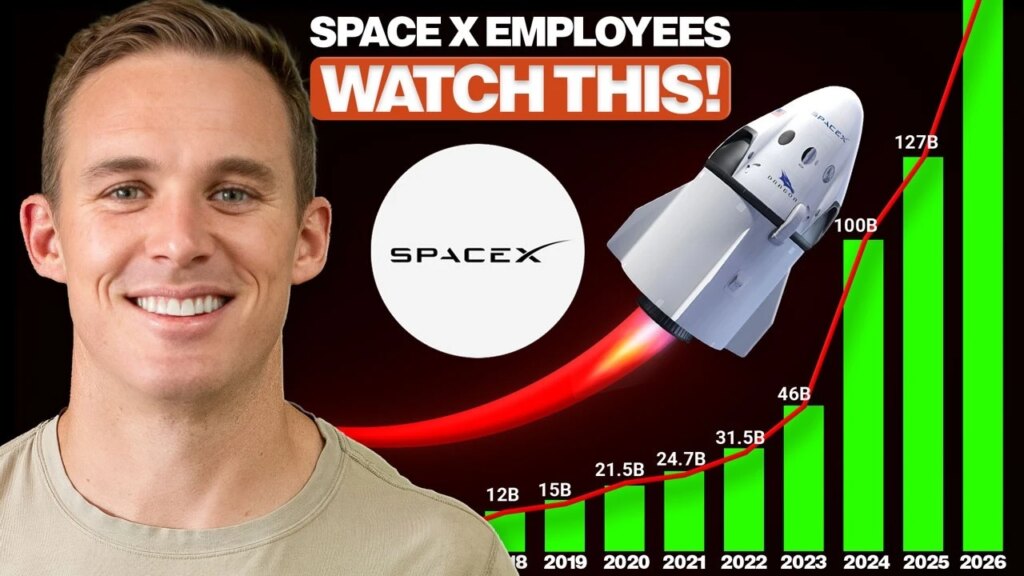
For many SpaceX employees, stock compensation represents far more than a bonus. It can become the single largest financial asset they ever hold.
But owning a large concentration of stock in one company creates an important question: How do you turn that paper wealth into a life you actually want to live?
The answer begins with a surprising step. It’s not deciding when to sell the stock. It’s deciding what kind of life you want the stock to support.
Start With Your Life Goals
Before making any financial decisions about company stock, the most important question is simple:
What do you want your life to look like?
Do you want the flexibility to retire early?
Do you want to relocate to a lower-cost city?
Do you want the freedom to work on projects you enjoy rather than needing a paycheck?
Once those goals are clear, financial decisions become much easier.
Without a defined vision, decisions about selling, holding, or diversifying stock are essentially guesses.
When employees align their assets with their personal goals, stock becomes a tool for freedom rather than just a number on a balance sheet.
Turning Stock Wealth Into Financial Independence
Company stock can be incredibly powerful when used strategically.
For many tech employees, early retirement does not necessarily mean never working again. Instead, it often means reaching financial independence—the ability to choose what kind of work you do without relying on a paycheck.
Achieving that freedom typically requires converting stock wealth into diversified investments that can generate long-term income.
That process requires careful planning.
A Case Study: Planning an Early Retirement
Consider a hypothetical example.
Andrew works at SpaceX and holds $14 million worth of RSUs. He also has a smaller 401(k) and currently lives in Los Angeles.
Andrew’s goal is not simply to maximize wealth. His goal is to retire at age 51, move to a more affordable area, and live on roughly $10,000 per month.
If Andrew continues working until 60, his portfolio may grow significantly larger. But that would mean sacrificing nearly a decade of potential freedom.
Instead, Andrew might choose to sell enough stock to guarantee early retirement while leaving the rest invested for future growth.
This strategy could look like:
• selling approximately $3 million in stock
• diversifying the proceeds into a balanced portfolio
• keeping the remaining $11 million invested for potential upside
By doing this, Andrew locks in financial independence today while still maintaining exposure to the company’s long-term success.
The Risk of Concentrated Stock
Holding a large percentage of wealth in one company can be risky.
Even highly successful companies can experience unexpected setbacks, leadership changes, or market disruptions.
The greatest risk for many employees is not selling too early.
The greater risk is remaining trapped in a single stock position, where personal wealth depends entirely on the future performance of one company.
Diversification allows employees to convert concentrated stock wealth into a more stable financial foundation.
Managing Taxes When Selling Stock
One of the biggest challenges with selling company stock is taxation.
Large stock sales can create significant capital gains taxes, which is why many investors use strategies to reduce the tax impact.
One common strategy is tax loss harvesting.
This involves selling investments that have declined in value to offset gains from stock sales. By strategically harvesting losses, investors can reduce the taxes owed on large gains.
Some high-net-worth investors also use direct indexing or specialized managed accounts that allow more targeted tax strategies.
These approaches can help smooth tax liabilities across multiple years.
Charitable Giving as a Tax Strategy
Another effective strategy involves donating appreciated stock to charity.
Instead of giving cash, investors can gift shares of stock directly to charitable organizations or through donor-advised funds.
This approach offers two major advantages:
• avoiding capital gains taxes on the donated shares
• receiving a charitable tax deduction for the value of the gift
For example, donating $500,000 in appreciated stock could provide a significant tax deduction while supporting long-term philanthropic goals.
Donor-advised funds also allow families to plan charitable giving over many years while maximizing tax efficiency.
Protecting Wealth With Options Strategies
For employees holding large stock positions, options strategies can provide downside protection.
One common approach involves purchasing put options, which act like insurance against a decline in the stock price.
These strategies limit potential losses while still allowing some upside participation.
While options can reduce risk, they also involve trade-offs, such as reduced gains if the stock rises significantly.
Used carefully, however, options can help investors lock in financial security while managing large concentrated holdings.
Creating a Clear Exit Strategy
At some point, anyone holding a large amount of company stock must decide how much to keep and how much to diversify.
The key is developing a clear exit strategy before major events occur, such as liquidity events or IPOs.
Without a plan, investors often delay decisions or react emotionally when markets move.
A thoughtful strategy ensures stock wealth supports long-term goals instead of becoming a source of uncertainty.
Aligning Wealth With the Life You Want
Ultimately, financial planning is not about maximizing every dollar.
It is about using resources intentionally to create the life you want.
For many SpaceX employees, that may mean:
• selling enough stock to achieve early financial independence
• diversifying the remainder for long-term growth
• using tax strategies to preserve more wealth
• aligning investments with personal values and goals
When stock wealth is managed with purpose, it becomes more than a financial asset.
It becomes the foundation for freedom, flexibility, and the ability to design a life on your own terms.
You should always consult a financial, tax, or legal professional familiar about your unique circumstances before making any financial decisions. This material is intended for educational purposes only. Nothing in this material constitutes a solicitation for the sale or purchase of any securities. Any mentioned rates of return are historical or hypothetical in nature and are not a guarantee of future returns.
Past performance does not guarantee future performance. Future returns may be lower or higher. Investments involve risk. Investment values will fluctuate with market conditions, and security positions, when sold, may be worth less or more than their original cost.