Operation Frodo 2025: When Vehicles Become Lifelines
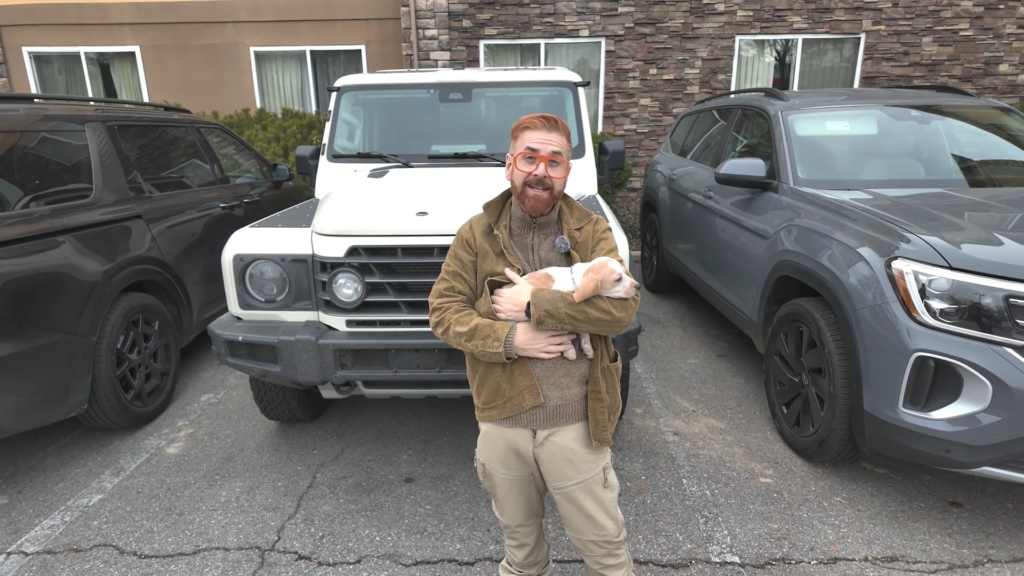
Roughly 500,000 animals do not make it out of U.S. shelters each year. That statistic is often cited, rarely felt. But in winter, it stops being abstract. Cold temperatures compress timelines. Shelters fill faster. Adoption slows. Space disappears.
Operation Frodo 2025 exists for that exact reason.
This December, a small convoy of everyday vehicles carried a much larger responsibility. Six automakers, around 20 volunteers, and 20 dogs traveled nearly 2,000 miles from high-risk shelters in the Midwest to safer outcomes in the Pacific Northwest. No emergency lights. No escorts. Just planning, reliability, and the understanding that movement can be the difference between survival and loss.
When transportation decides who gets a second chance
Geography still determines outcomes in animal rescue. Some regions face overwhelming intake during winter. Others have capacity, foster networks, and adoption demand. Bridging that gap is not emotional. It is logistical.
Operation Frodo works because it treats rescue as a transportation problem first.
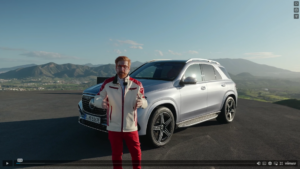
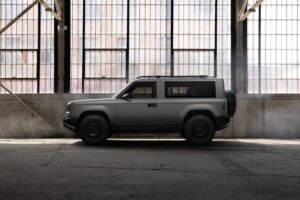
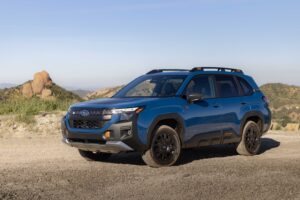
Vehicles were selected for fundamentals, not image. Low step-in heights. Wide doors. Flat load floors. Consistent heat. Winter traction. Mechanical reliability. The lineup included the Toyota Sienna, Kia Carnival, Chrysler Pacifica, Volkswagen Atlas, Subaru Forester, and INEOS Grenadier.
This was not about trim levels or brand storytelling. It was about results.
What real-world use reveals quickly
Minivans once again proved irreplaceable. Their low floors and open interiors make them ideal for transporting animals safely and efficiently. Marketing departments have spent years trying to make minivans cool again. Rescue work never stopped needing them.
The Volkswagen Atlas provided volume and stable climate control over long stretches. The Subaru Forester delivered composure in winter conditions with a smaller footprint. The INEOS Grenadier offered confidence when roads deteriorated and forecasts stopped being suggestions.
Real conditions have a way of sorting credibility fast.
A moment that changed everything
This year’s convoy carried a surprise passenger. An eight-week-old puppy named Dolly, traveling west to Sandy, Oregon.
At the destination was Cooper, a ten-year-old who believed he was helping with a television segment. On December 18, live on air, Cooper learned that Dolly was not part of the story.
She was his Christmas present.
That moment did not define Operation Frodo. But it explained it perfectly.
The miles that matter most
The convoy crossed Colorado and Utah under winter’s terms. Drivers rotated. Stops were efficient. Crates were checked constantly. Some dogs were placed in Utah. Others continued to Washington. Most completed the journey to Oregon, ending at The Asher House in Portland.
That is where the miles stop and outcomes begin.
Dogs are safe. Volunteers are exhausted. Vehicles are parked.
Operation Frodo is not about heroics. It is about movement. About recognizing that sometimes the difference between a frozen shelter and a warm home is simply a set of keys and the willingness to turn them.
The work continues.