Retirement Isn’t a Vacation. Why Purpose Matters More Than Money
For decades, retirement has been sold as the ultimate reward. Work hard, save diligently, and one day you’ll step into a life of freedom no alarms, no deadlines, no responsibilities. Just relaxation and enjoyment.
But for many people, that vision doesn’t hold up.
The reality is that retirement is not a permanent vacation. It’s a major life transition, and without proper planning beyond finances, it can feel surprisingly empty. The people who thrive in retirement aren’t just the ones with the biggest portfolios. They’re the ones who understand how to build a life with purpose, structure, and meaning.
The Four Phases of Retirement No One Talks About
Retirement doesn’t feel the same from start to finish. It unfolds in stages, and each one comes with its own emotional shifts.
The first phase is often called the honeymoon phase. This is what most people imagine freedom, excitement, and relief from the pressures of work. You finally have time to travel, relax, and do what you want, when you want. This phase can last months, sometimes a couple of years.
But eventually, something changes.
The second phase is where many retirees are caught off guard. The excitement fades, and a sense of loss can set in. Without the structure of work, people begin to question their identity. What am I now? What am I supposed to do with my time? This is where feelings of boredom or even mild depression can creep in.
The third phase becomes a period of trial and error. Retirees start experimenting new hobbies, volunteering, travel, social activities but not everything sticks. It’s a process of figuring out what actually brings fulfillment.
Finally, the fourth phase is where things begin to click. This is when retirees establish a sense of purpose. They build routines, relationships, and activities that give their days meaning. This is where retirement becomes truly rewarding but getting here takes intention.
Why Health Matters More Than You Think
One of the biggest mistakes in retirement planning is focusing only on how long you’ll live instead of how well you’ll live.
There’s a difference between lifespan and health span. Lifespan is how many years you’re alive. Health span is how many of those years you have energy, mobility, and independence.
Most retirement plans assume 20 to 30 years of living expenses. But not all of those years will feel the same. The early years are often the most active and fulfilling, while later years may come with physical limitations.
That’s why investing in your health is just as important as investing your money. Exercise, nutrition, and staying socially connected don’t just improve quality of life. They extend the years where you can actually enjoy your retirement.
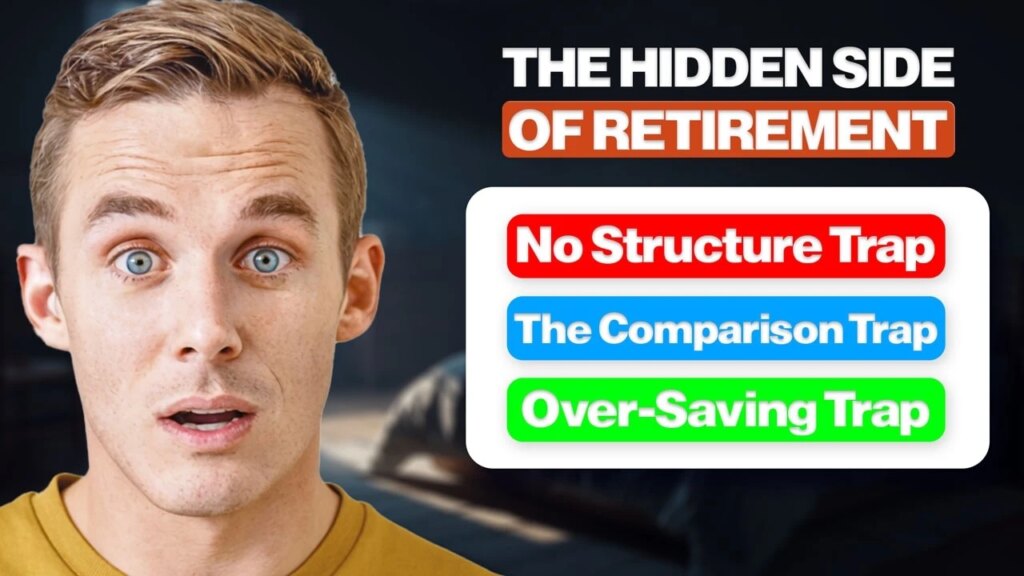
The Three Biggest Retirement Traps
Even financially secure retirees can fall into patterns that reduce their happiness.
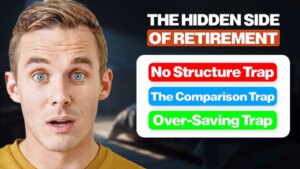
The first is the no-structure trap. Without a daily routine, time can start to feel directionless. Days blend together, and the lack of purpose can lead to frustration. Something as simple as a consistent morning routine, regular exercise, or weekly social commitments can make a significant difference.
The second is the comparison trap. It’s easy to look at others traveling the world or living what appears to be a perfect retirement and feel like you’re falling short. But retirement isn’t one-size-fits-all. What matters is building a life that aligns with your own values, not someone else’s highlight reel.
The third is the oversaving but underliving trap. This one is especially common. People spend decades saving, only to struggle with actually spending in retirement. The fear of running out of money keeps them from enjoying the very life they worked so hard to create.
Balance is key. A well-designed financial plan should give you the confidence to spend appropriately not just preserve wealth indefinitely.
The Two-Year Test That Changes Everything
One of the simplest ways to evaluate your retirement readiness has nothing to do with your portfolio.
Look at your calendar. Not just for the first few months after you retire, but for year two.
If your second-year calendar is empty, that’s a red flag. It likely means you haven’t fully thought through how you want to spend your time once the novelty wears off.
A fulfilling retirement requires intentional planning. That includes scheduling activities that matter. Whether it’s volunteering, staying active, nurturing relationships, or pursuing long-delayed interests.
Retirement doesn’t just happen. It needs to be built.
Aligning Your Money With Your Life
Financial planning still matters. Cash flow, investment strategy, and income planning are critical pieces of the puzzle. But they are only tools.
The real goal is to align your finances with the life you want to live.
When you understand how much you can safely spend, it reduces anxiety. It allows you to enjoy experiences, invest in your health, and create meaningful moments without constantly worrying about the future.
Overly conservative planning can be just as damaging as poor planning. If fear keeps you from living, then the plan isn’t doing its job.
The Real Goal of Retirement
Retirement is not about escaping work. It’s about designing a life that feels meaningful without it.
The people who enjoy retirement the most are not necessarily the wealthiest. They’re the ones who have purpose, structure, and a clear sense of what brings them fulfillment.
Money creates the opportunity. But purpose is what makes it worthwhile.
And if you get that part right, retirement doesn’t feel like the end of something. It feels like the beginning of something better.
You should always consult a financial, tax, or legal professional familiar about your unique circumstances before making any financial decisions. This material is intended for educational purposes only. Nothing in this material constitutes a solicitation for the sale or purchase of any securities. Any mentioned rates of return are historical or hypothetical in nature and are not a guarantee of future returns.
Past performance does not guarantee future performance. Future returns may be lower or higher. Investments involve risk. Investment values will fluctuate with market conditions, and security positions, when sold, may be worth less or more than their original cost.