Rivian’s $1.25B Bet: 50,000 Robotaxis Are Coming and It Could Change EV Ownership Forever
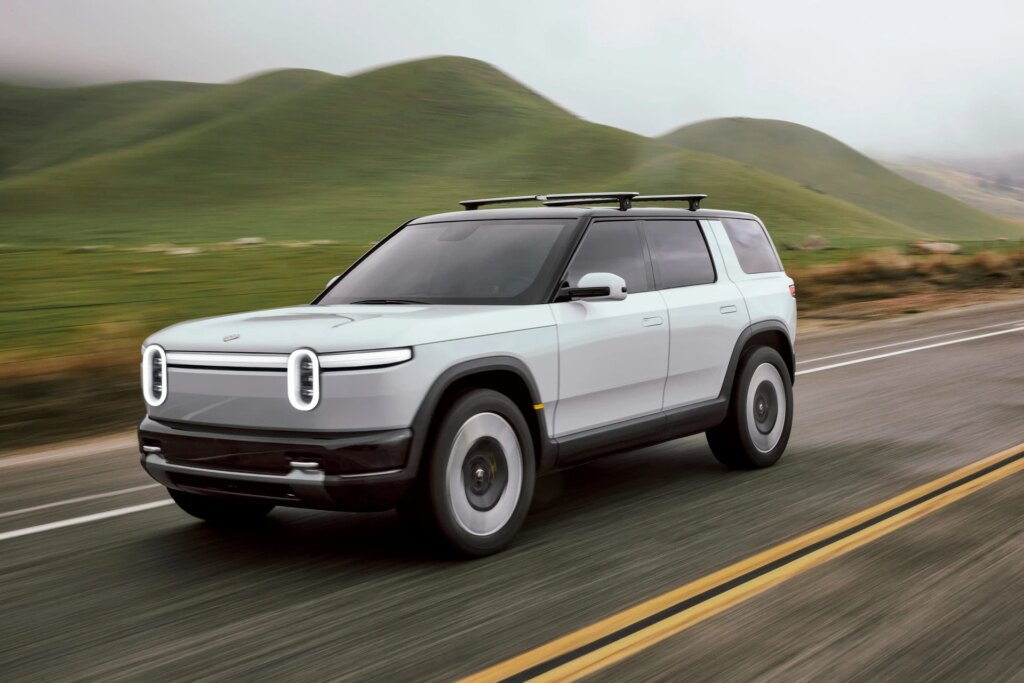
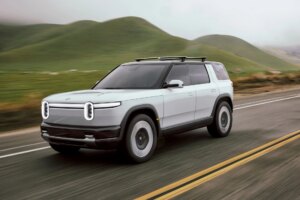
Rivian and Uber just teamed up for a big push into autonomous driving. The deal announced March 19 brings up to $1.25 billion in investment from Uber to Rivian, starting with $300 million committed pending approval. It sets the stage for thousands of fully autonomous Rivian R2 SUVs to hit the streets for Uber beginning in 2028.
The plan calls for 10,000 autonomous R2 robotaxis at first, with options to scale to 50,000 by around 2030 or 2031. Deployments start in San Francisco and Miami, then spread to 25 cities across the US, Canada, and Europe. For everyday drivers eyeing an EV, this is not just about ride-hailing. It is about how fleet-scale use could shape the R2 you might buy for yourself.
Consumer deliveries of the R2 are set to begin this spring, starting with the Performance trim at $57,990. More affordable versions follow, with the Premium at $53,990 in late 2026, the Standard at $48,490 in early 2027, and an entry-level variant around $45,000 in late 2027. The partnership gives Rivian serious funding to ramp up production and refine the platform, which could make owning one feel more straightforward and supported over time.
Why does this matter right now?
The timing lines up perfectly with buyers who are on the fence about going electric. Fleet use starting in 2028 lets Rivian gather massive data on battery life, handling in traffic, and software reliability.
Think about your daily routine, whether it is dropping kids at school or running to the grocery store. Seeing R2s quietly zipping around cities without drivers could make the idea of owning one less intimidating, especially if you worry about how an EV holds up in stop-and-go conditions or extreme weather.
This also comes as gas prices hover in the mid-$3 range nationally, reminding people why they are looking at EVs in the first place. The partnership signals Rivian is building for the long haul, not just selling a few thousand trucks and hoping for the best. That stability matters when you are committing thousands of dollars to a new vehicle that needs to last a decade or more.
How does it compare to rivals or alternatives?
The R2 sits in the compact-to-midsize electric SUV space, roughly the size of a Tesla Model Y or Ford Mustang Mach-E, but with the Rivian adventure-ready vibe. Base models promise over 300 miles of range, with some estimates hitting 345 miles, and quick acceleration even on lower trims. Unlike pure robotaxi-focused efforts from companies like Waymo, the R2 is designed from the ground up for both consumer use and fleet duty, sharing the same battery architecture, motors, and sensors.
Compared to something like the Hyundai Ioniq 5 or Kia EV6, the R2 offers similar range and fast charging, but adds unique touches like integrated tow hooks and higher ground clearance for light off-road capability. The Uber tie-in gives it an edge in real-world validation that most rivals don’t have yet at this scale. A family considering a Mach-E might get solid performance, but they will not see thousands of identical vehicles proving themselves in urban environments first.
Buyers cross-shopping a gas-powered compact SUV like a Honda CR-V or Toyota RAV4 will notice the R2 quieter cabin and instant torque make errands feel effortless. The catch is upfront cost, though the lower trims aim to compete closer to $48,000 or even around $45,000. Fleet deployment could help drive down long-term costs through shared parts availability and service know-how.
Who is this for and who should skip it?
This setup suits drivers ready to step into electric ownership but who want reassurance the tech works in the real world. If you are a commuter tired of gas station stops, or a family that takes weekend road trips and likes the idea of a quiet, spacious SUV with adventure cred, the R2 fits. Parents hauling sports gear or couples planning cross-country drives will appreciate the estimated range and quick charging that lets you grab coffee while topping up.
It’s especially appealing for people in or near launch cities like San Francisco or Miami, where early robotaxi sightings could turn curiosity into confidence. Tech-savvy buyers who value over-the-air updates and future-proofing will like how fleet data speeds refinements to things like adaptive cruise or parking assist.
Skip it if you are strictly budget-focused and need the absolute lowest price today, since early trims start higher. If you live far from public chargers or prefer the familiarity of a gas engine for long hauls without planning stops, a traditional SUV might feel simpler right now. Folks who want full autonomy in their personal car soon should wait, as consumer R2s will not launch with unsupervised self-driving out of the gate.
What is the long-term significance?
Down the road this partnership could reshape how everyday drivers think about EVs. Massive fleet orders mean Rivian scales production faster, which often leads to steadier pricing, better parts supply, and more charging stations as infrastructure grows to support thousands of vehicles. For you that translates to easier ownership, whether it’s finding a fast charger on vacation or getting software fixes that improve efficiency over time.
The deal highlights a shift where commercial use accelerates consumer acceptance and benefits. Data from robotaxis will iron out kinks in battery management or handling that personal owners might never encounter until years later. Imagine your R2 getting smarter updates because of millions of fleet miles logged in varied conditions.
In broader terms it points to EVs becoming more mainstream as exposure grows. Seeing autonomous R2s handle city streets could normalize electric driving. For buyers deciding between gas, hybrid, or full EV, this adds weight to the electric side by showing big players are betting on it heavily. It makes the R2 a more reliable, supported choice when you decide to go electric.