Roth Conversions Can Raise Your Medicare Premiums: The MAGI Trap Retirees Miss
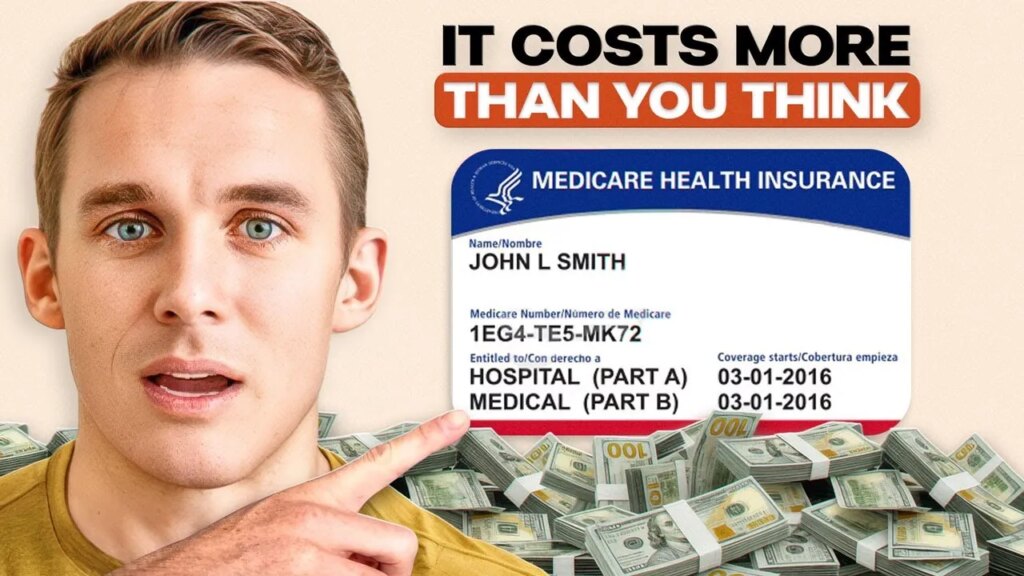
Roth conversions are one of the most popular “smart moves” in retirement planning, and for good reason. Converting pre-tax IRA dollars into Roth money can reduce future required minimum distributions (RMDs), create tax-free income later, and help retirees gain more control over their long-term tax picture. But there’s a catch that surprises a lot of people: a Roth conversion can quietly raise your Medicare premiums by thousands of dollars per year. Not because the conversion was wrong, but because the strategy wasn’t coordinated with Medicare’s income rules. This is where good tax planning can accidentally turn into expensive retirement friction.
Why Roth conversions can backfire on Medicare
A Roth conversion increases your taxable income in the year you do it. Even though the money stays invested, and even though you’re doing it for future tax savings, the IRS still counts the conversion as income today. That higher income flows directly into a number that Medicare cares about: your Modified Adjusted Gross Income (MAGI).
And Medicare doesn’t treat income increases gently. Medicare uses income thresholds that create real “cliffs,” meaning crossing a line by even a small amount can trigger a surcharge that lasts the entire year.
In one real-world example, a retiree’s Medicare premiums went from effectively $0 in surcharges to more than $5,200 per year, simply because their Roth conversion strategy pushed their income over the wrong threshold. That is not a small mistake. That is a recurring annual expense that can drain retirement cash flow faster than most people expect.
The key number that controls your Medicare premiums: MAGI
MAGI is basically your total income before many deductions. It’s the number Medicare uses to determine whether you pay standard premiums or higher premiums.
Here’s the important baseline from the outline:
- Married filing jointly: no Medicare surcharge if MAGI is $212,000 or less
- Single filers: no Medicare surcharge if MAGI is $106,000 or less
If you stay under those numbers, you generally avoid extra Medicare charges. If you go over—even by $1—you can trigger higher monthly costs for:
- Medicare Part B
- Medicare Part D
That’s why retirees often feel blindsided. They thought they were “just doing a conversion,” but Medicare saw it as “you’re a higher-income household now.”
The mistake retirees make: only focusing on tax brackets
Most people plan Roth conversions by looking at federal income tax brackets. That’s logical. Federal tax brackets range from 10% to 37%, and many retirees try to convert enough money to “fill up” the lower brackets especially the 10%, 12%, or 22% bracket before taxes rise later in life.
That strategy can absolutely work. But here’s the problem: tax brackets are not the only system in play.
Medicare premiums create their own separate system, and it doesn’t care that you were being “tax efficient.” It only cares that your MAGI went up.
So you can end up doing what looks like a perfect conversion from a tax standpoint, only to create a Medicare premium increase that wipes out part of the benefit.
The case study: Michael and Lisa’s conversion strategy
Michael and Lisa are a perfect example of how this plays out in real life. They have significant pre-tax assets and want to convert to Roth to reduce future tax problems, likely driven by:
- future RMDs
- tax bracket uncertainty
- long-term planning goals
On paper, converting up to the 22% bracket could create enormous tax savings. The outline notes that this strategy could save them $975,000 in federal income taxes over time. That’s huge.
But if the conversions push their MAGI over Medicare’s thresholds, the strategy can trigger IRMAA surcharges that increase Part B and Part D costs every year they’re affected.
In other words: they can win the tax battle and still lose money through Medicare premiums if they don’t plan carefully.
The smarter adjustment: stop before the Medicare threshold
This is where the strategy gets interesting. Instead of converting up to the top of a tax bracket, the outline suggests a more precise move:
stop converting just below the MAGI threshold that triggers Medicare surcharges.
That small adjustment can actually produce a better long-term outcome. In the example, stopping below the Medicare income line resulted in:
- $90,000 more in tax-adjusted ending wealth
That’s the kind of result that catches people off guard. It proves an important retirement planning lesson: the “best” strategy is rarely the one that looks best in isolation. It’s the one that works best when all the systems interact.
Why this matters more than people think
The biggest problem with Medicare premium increases is that they hit retirees where it hurts most: cash flow.
Even if you have a large portfolio, extra monthly premiums can feel like a tax you didn’t plan for, because it’s not coming out of your IRA statement it’s coming out of your checking account. And retirees are usually operating on a tighter monthly income structure than they did while working.
It’s also important to remember that Roth conversions don’t just affect Medicare. They can ripple into other parts of your financial life, including:
- taxation of Social Security benefits
- capital gains planning
- qualified dividend taxation
- long-term bracket management
This is why Roth conversions should be treated like a multi-variable decision, not a one-variable decision.
The takeaway: Roth conversions are powerful, but they require coordination
Roth conversions can absolutely be one of the best tax moves in retirement. But if you don’t coordinate the conversion amount with Medicare’s MAGI thresholds, you can accidentally create thousands of dollars in extra costs each year.
The goal isn’t to avoid Roth conversions. The goal is to do them with precision. A well-designed conversion plan balances:
- today’s tax brackets
- future RMD risk
- Medicare premium thresholds
- Social Security timing
- long-term portfolio flexibility
When that’s done correctly, Roth conversions can still deliver exactly what they’re supposed to deliver: control, tax efficiency, and more freedom in retirement without the surprise Medicare bill that nobody warned you about.
You should always consult a financial, tax, or legal professional familiar about your unique circumstances before making any financial decisions. This material is intended for educational purposes only. Nothing in this material constitutes a solicitation for the sale or purchase of any securities. Any mentioned rates of return are historical or hypothetical in nature and are not a guarantee of future returns.
Past performance does not guarantee future performance. Future returns may be lower or higher. Investments involve risk. Investment values will fluctuate with market conditions, and security positions, when sold, may be worth less or more than their original cost.