Supreme Court Cancels Trump Tariffs, But the Trade War Isn’t Over
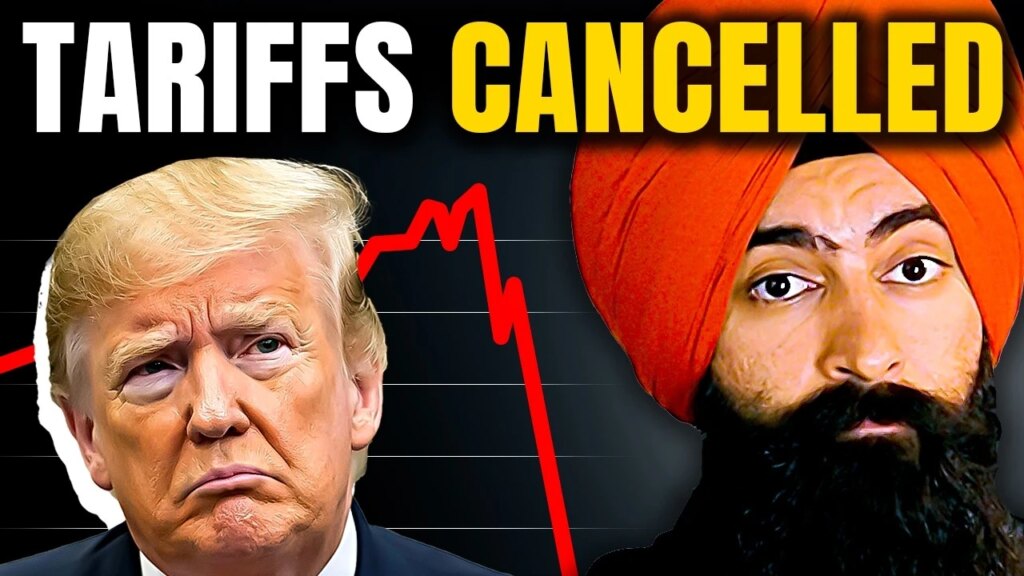
The U.S. Supreme Court has struck down key tariffs imposed under former President Donald Trump, ruling that the executive branch overstepped its authority. But despite the headline-making decision, tariffs are far from disappearing and the economic ripple effects are just beginning.
The Court’s Decision: Who Has Tariff Authority?
The Supreme Court ruled that the President does not have unilateral authority to impose broad tariffs under the International Emergency Economic Powers Act (IEEPA). That authority, the Court clarified, rests with Congress.
The tariffs in question were originally justified under a declared national emergency. Over time, they generated substantial revenue estimates suggest between $150 billion and $200 billion has been collected from import duties since their implementation.
Now the critical question is: what happens to that money?
Possible outcomes include:
- Repayment to businesses that directly paid the tariffs
- Consumer rebates if courts determine price pass-through occurred
- Or the federal government retaining the revenue
As of now, no clear repayment mechanism has been announced.
Tariffs Aren’t Gone, They’re Evolving
Despite the ruling, not all tariffs were invalidated. Tariffs on steel, aluminum, and select imports from China remain intact under separate legal authorities.
In fact, new tariffs have already been introduced.
President Trump recently announced a new global tariff, initially set at 10% and later increased to 15%, effective February 24, 2026. That move underscores a key point: while one legal pathway was closed, others remain open.
For markets, this creates a complicated environment. The cancellation initially sparked optimism, but renewed tariff action introduces fresh uncertainty.
How the Stock Market Is Reacting
Markets initially rallied on the news of tariff cancellation. Investors interpreted the ruling as a potential reduction in corporate costs and improved margins.
Lower import taxes typically mean:
- Reduced input costs for manufacturers
- Higher corporate profit potential
- Possible price relief for consumers
However, optimism was tempered by the announcement of new tariffs. Markets dislike uncertainty, and ongoing shifts in trade policy can disrupt pricing models, supply chains, and earnings forecasts.
Expect volatility to remain elevated as investors recalibrate expectations.
What Tariffs Really Mean for Consumers
Tariffs function as taxes on imported goods. While importers pay the tax directly, the cost often flows downstream.
Businesses typically have three options:
- Absorb the cost and reduce margins
- Pass the cost to consumers via higher prices
- Shift production or sourcing to avoid tariffs
In many cases, consumers ultimately feel the impact through higher prices. That’s why trade policy can directly affect household budgets even if it feels abstract.
Uncertainty around tariffs can also influence purchasing decisions, especially for durable goods like cars, appliances, and electronics.
The Federal Reserve Factor
Adding another layer of complexity is an upcoming leadership change at the Federal Reserve.
Jerome Powell’s term is set to expire in May, and President Trump is expected to appoint Kevin Warsh as the new Chair. A change in leadership could shift the direction of monetary policy particularly on interest rates.
Trade policy and monetary policy often intersect:
- Tariffs can push inflation higher
- Higher inflation may pressure the Fed to raise or maintain rates
- Lower rates can stimulate markets but weaken the dollar
If policy shifts toward lower interest rates while tariffs remain active, the dollar’s global reserve currency status could face renewed scrutiny.
The Broader Strategy: Competition with China
Tariffs targeting China are part of a larger geopolitical strategy. The U.S. has used trade barriers to counter China’s growing economic influence and encourage domestic manufacturing.
China’s economy continues expanding rapidly, and policymakers view trade policy as one tool to protect American industries and preserve economic dominance.
Whether tariffs successfully achieve that goal remains debated. Critics argue they increase costs for U.S. consumers. Supporters believe they strengthen domestic production and negotiating leverage.
The Bottom Line
The Supreme Court’s ruling reshapes the legal framework for tariffs but it does not end them.
Tariffs remain a powerful economic tool. They influence corporate profitability, consumer prices, stock market volatility, and global economic competition.
For investors and consumers alike, the takeaway is clear:
Trade policy remains fluid. Markets will react quickly. And the economic impact of tariffs whether reduced, restructured, or expanded will continue shaping the financial landscape in 2026 and beyond.
Jaspreet Singh is not a licensed financial advisor. He is a licensed attorney, but he is not providing you with legal advice in this article. This article, the topics discussed, and ideas presented are Jaspreet’s opinions and presented for entertainment purposes only. The information presented should not be construed as financial or legal advice. Always do your own due diligence.