Tipping Weariness Grows in US: 15 Venues Where It’s Not Expected
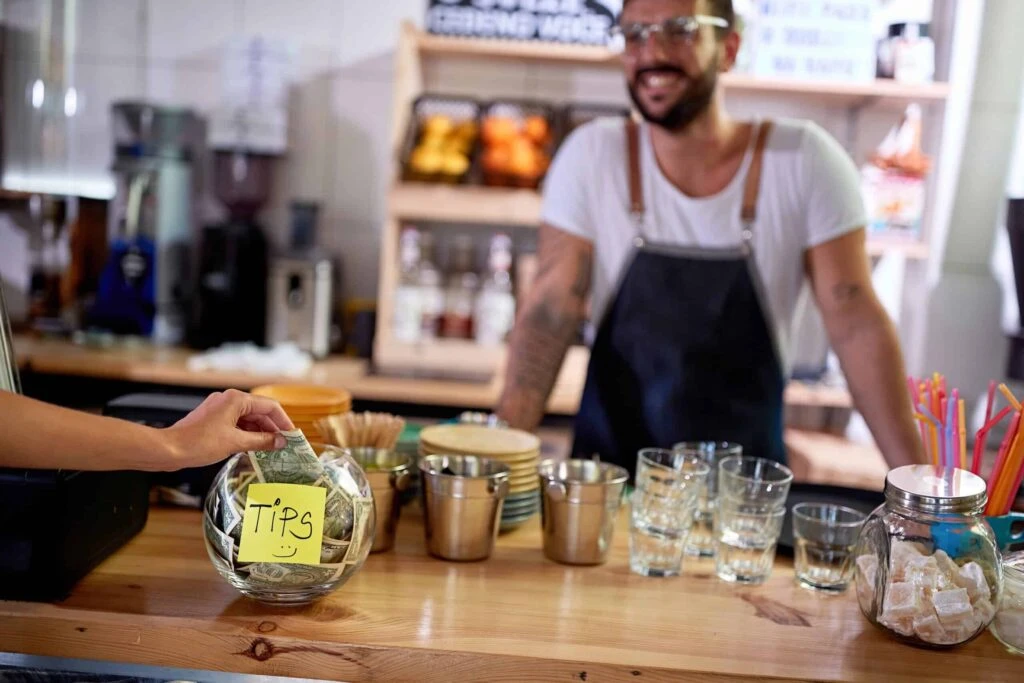

In recent years, tipping in the United States has changed a lot. It used to be a simple way to reward great service. Now it frustrates and confuses many Americans.
Last week I brought my racquetball racket to get restringed. After I swiped my card, I saw a tip added without my knowledge. It’s my fault for missing it. But it made me write this piece. I paid the guy $90 to restring a few rackets, and a tip got added for his regular work.
The growing pressure to tip in many spots has caused what some call “tipping fatigue.”
This piece covers the causes of this change, its effects on people who buy things, and spots where tips should not happen.
Tell us if you agree with these, and if we left any out.
The Evolution of Tipping: From Gratitude to Obligation
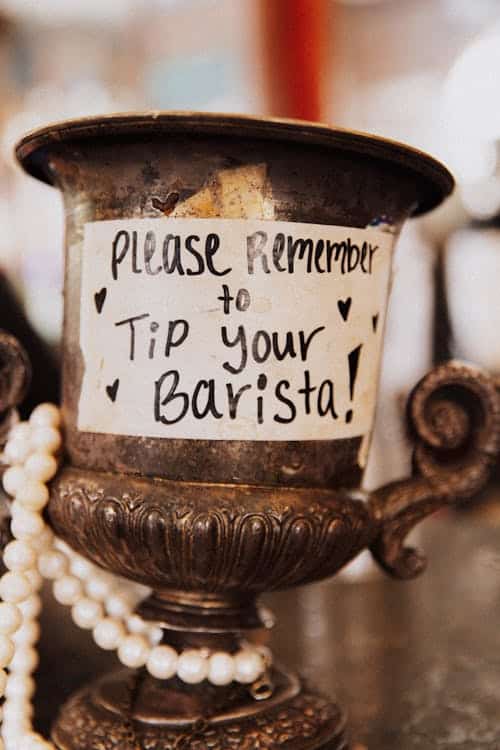
Tipping has been part of American culture for a long time. It started in the late 19th century to pay service workers for their work.
In the past, people tipped waitstaff, bartenders, and hotel staff—jobs where tips added to low pay. The habit grew strong in service jobs, and 15-20% became the usual amount.
 If you like what you are reading, then click like and subscribe to my newsletter. We share tips to waste less time and money.
The Modern Tipping Landscape

In recent years, however, the scope of tipping has expanded dramatically. Consumers are now faced with tip requests in a variety of settings, from coffee shops to fast-food restaurants, and even retail stores.
This shift has been significantly influenced by the proliferation of digital payment systems, which often include prompts for tips.
These digital prompts have changed consumer behavior, making tipping feel more obligatory rather than a gesture of gratitude.
The Impact of Tipping Fatigue on Consumers
Tipping fatigue puts a big money burden on buyers.
The need to tip in more places makes costs grow fast. For families on a tight budget, this hits hard as they try to pay home bills but still feel pushed to tip.
Past the money side, tipping fatigue hurts feelings too. The steady push to tip brings guilt and worry, above all with app screens that ask for tips before the job is done.
These asks build bad social push, so buyers feel forced to tip even for small work. This change in tip rules leaves many stressed and mad.
15 Places Where Tipping Should Not Be Expected

Here are places where tipping should not be expected. Feel free to add any we missed in the comments.
If you agree with these, like the article too. It’s a “tip” to us that we are writing things readers like.
Coffee Shops

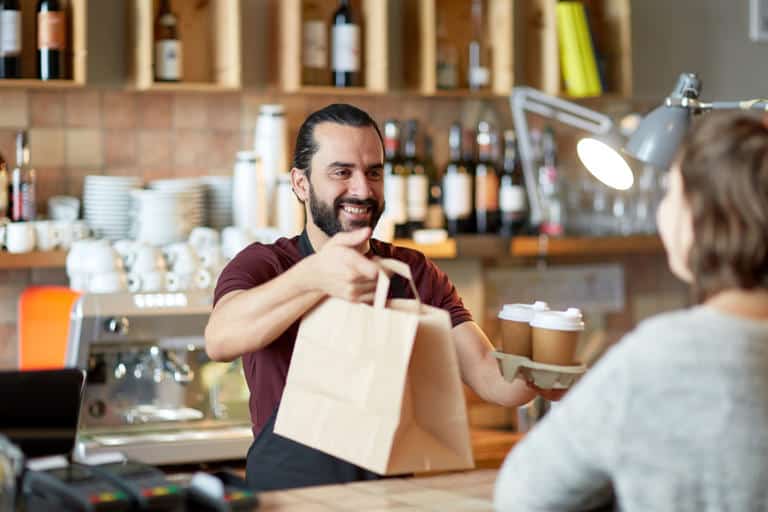
Tipping at coffee shops is now more common, but it is not needed. Baristas get paid by the hour, and tips should go to great service, not every time.
Takeout Orders

When ordering takeout, the expectation to tip is often unclear. Since there is no table service involved, consumers should not feel obligated to tip, although a small gratuity for the effort of preparing the order can be appreciated.
Grocery Stores

Grocery store workers, like cashiers and baggers, do not count on tips. They get paid by the hour, and tips are not part of the job.
Retail Stores

Traditionally, retail employees have not relied on tips as part of their income. The introduction of tip jars and digital tipping options at checkout counters has blurred the lines.
Consumers should not feel obligated to tip in retail settings, as these employees typically receive a regular wage.
If you like what you are reading, then click like and subscribe to my newsletter. We share tips to waste less time and money.
Fast-Food Restaurants
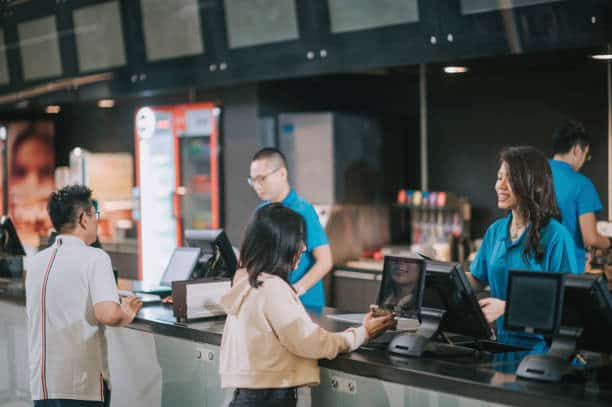
Fast-food places are another spot where tips should not be expected. These spots aim to give quick and fast service, and workers get paid by the hour.
You might want to tip out of habit, but it is not needed here. One case in the first piece tells of an older person in Las Vegas upset by tip jars at fast-food spots.
Self-Service Kiosks
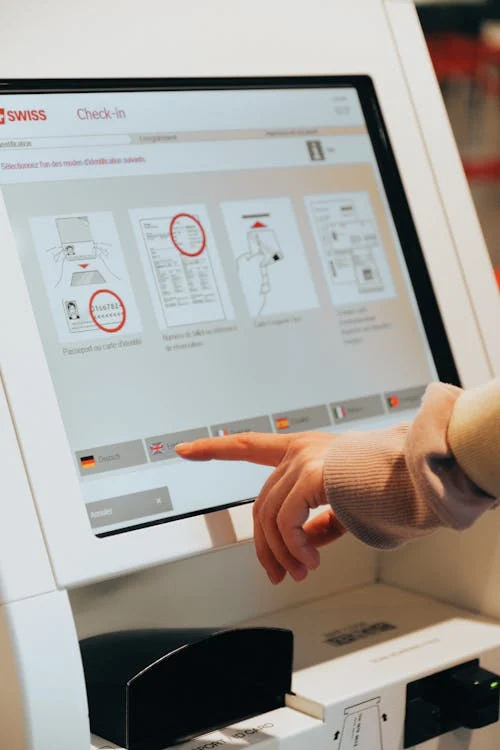
With the rise of self-service kiosks in various industries, the expectation to tip has extended to situations where there is minimal human interaction. Consumers should not feel pressured to tip when they are essentially serving themselves.
Drive-Thru Windows

Similar to fast-food restaurants, drive-thru windows are designed for quick service. Employees working in these settings are usually paid an hourly wage, and tipping is not necessary.
Delivery Services with Service Fees

Many delivery apps add a service fee to the total price. This fee pays the delivery worker. In these cases, you do not need to tip more. You can tip extra for great service.
Fitness Studios and Gyms

Boutique fitness centers and gyms now often have digital tipping options for trainers and class instructors, which wasn’t traditionally expected in the past.
Pet Stores and Grooming Services

Some pet stores that offer grooming and other services have started adding digital tip options, a new trend for this sector.
Medical Offices and Pharmacies

Some clinics and pharmacies that offer health services in store now use tip jars or digital tip options. This marks a big change from past ways.
Convenience Stores
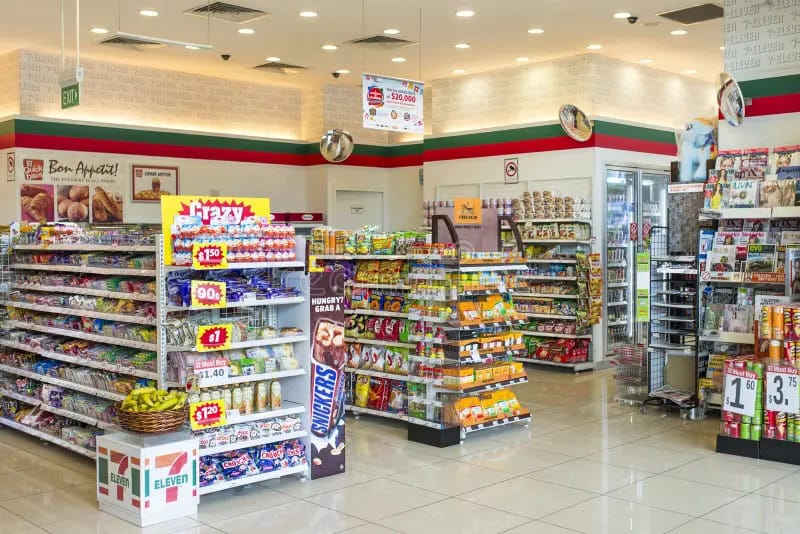
Digital tipping has made its way into convenience stores, particularly at self-checkout counters or for clerks, even though this was not a customary practice before
If you like what you are reading, then click like and subscribe to my newsletter. We share tips to waste less time and money.
Hotel Housekeeping

While tipping hotel housekeeping staff is a common practice, it is not mandatory. Guests should feel free to tip based on the quality of service and their own discretion.
Ride-Sharing Services

Ride-sharing apps like Uber and Lyft added in-app tipping. Tipping stays optional. Riders tip for good ride quality and driver skill.
On The Entire Restaurant Bill
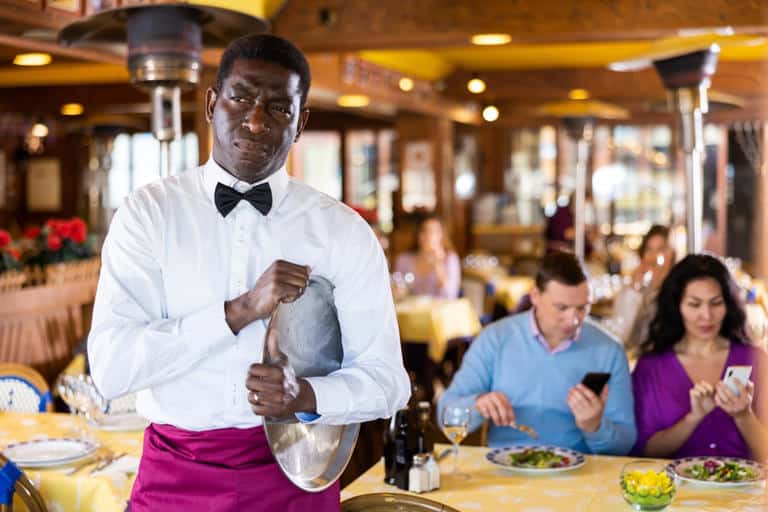
Lately there has been a shift towards displaying the suggested tip on the entire bill. The amount tipped on should be the price of the food and drinks. No tipping on the amount added for taxes or additional fees should be added to the bill.
The Future of Tipping: Finding a Balance
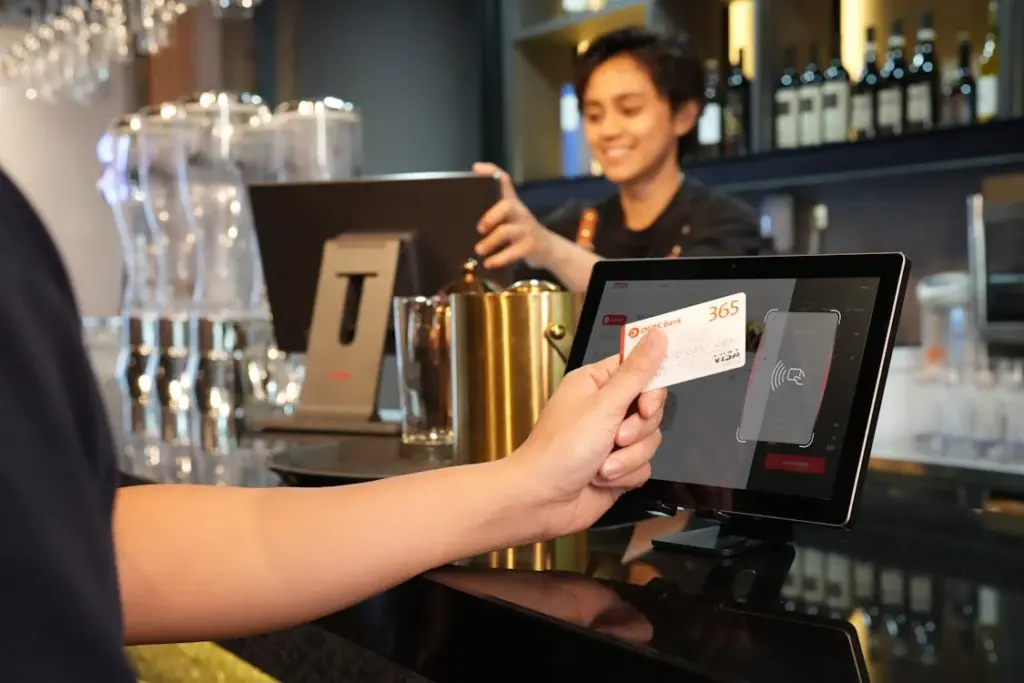
Tipping fatigue keeps growing, so it’s time to check tipping habits again. Customers and companies must find a fair way to pay workers without too much stress on buyers.
This can mean clear rules on when and where to tip, plus pricing that shows service costs up front.
Bosses can help fix tipping fatigue too. They can pay workers fair base wages to cut down on tip needs.
Some bosses test no-tip rules with good pay instead. This cuts money and feeling stress for buyers and makes a fair setup for everyone.
Here’s A Tip
Many Americans feel tired of tipping, as the need to tip in more places keeps growing.
People can manage this new tipping world with ease by knowing tipping’s past, seeing its effects on buyers, and spotting spots that do not need tips.
In the end, a good mix of fair pay and happy customers will fix this problem and build better tipping rules for years ahead.
If you like what you just read, then subscribe to my newsletter.