U.S. Moves to Control Venezuela’s Oil Reserves, Reshaping Energy Markets by 2026
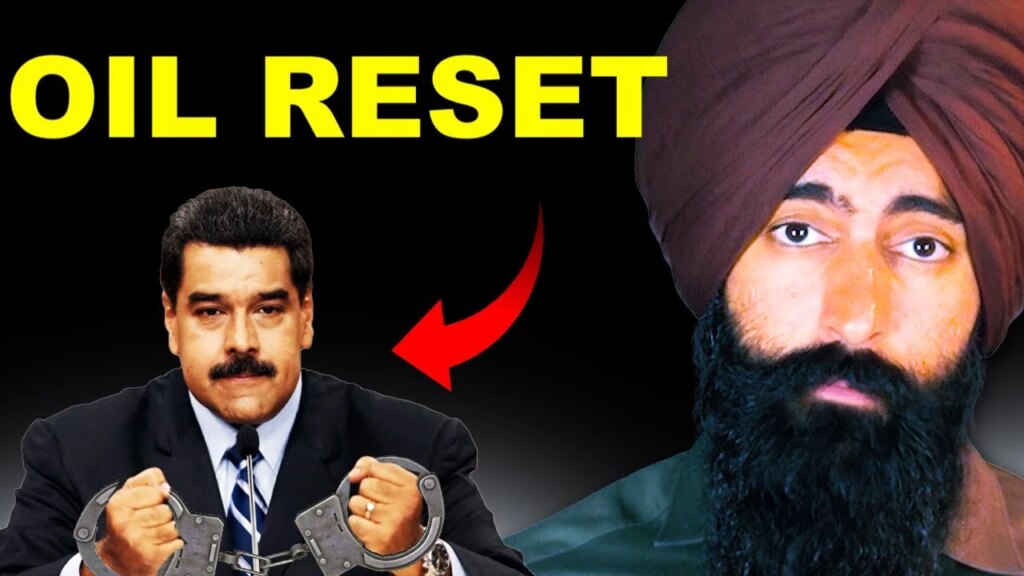
The United States has taken unprecedented steps toward overseeing Venezuela’s oil industry, a move that could reshape global energy markets, geopolitical alliances, and investment strategies heading into 2026. President Trump announced that the U.S. would manage Venezuela’s oil sector until a formal transfer of power occurs, citing both economic opportunity and regional stability.
Venezuela holds the largest proven oil reserves in the world, exceeding those of Saudi Arabia and the United States. Trump stated that U.S. involvement would focus on rebuilding production capacity, restoring infrastructure, and extracting value from resources that have remained largely untapped for years. The administration framed the effort as mutually beneficial, promising economic recovery for Venezuela while opening opportunities for American energy companies.
Venezuela’s oil industry was once among the most productive globally, generating roughly 3.5 million barrels per day in the early 2000s. That changed in 2007 when President Hugo Chávez nationalized the sector, forcing out major international companies such as Exxon and ConocoPhillips. The loss of private expertise, combined with mismanagement and underinvestment, led to a steady decline in output.
U.S. sanctions imposed in 2017 further restricted Venezuela’s ability to trade oil internationally, accelerating economic collapse. Today, production has fallen below 1 million barrels per day, leaving infrastructure degraded and exports severely limited. The new U.S. oversight aims to reverse that decline by restoring operational standards and attracting foreign capital.
If successful, increased Venezuelan oil production could add meaningful supply to global markets. Over time, that could place downward pressure on oil prices, benefiting transportation, manufacturing, and consumer goods industries. Short-term volatility remains possible as geopolitical tensions adjust, but long-term stability could emerge if production ramps consistently.
Energy prices influence far more than fuel costs. Oil affects shipping, food prices, construction materials, and inflation broadly. A reliable Venezuelan supply could moderate energy-driven price pressures, particularly if other global producers face disruptions.
For investors, renewed U.S. engagement in Venezuela opens potential opportunities. American oil companies such as Chevron and Exxon are positioned to return, leveraging existing regional experience and technical expertise. Infrastructure rebuilding, drilling services, and logistics support could generate long-term revenue streams if political conditions remain stable.
However, investment in Venezuela carries legal and ethical complexity. Regulatory clarity, contract enforcement, and political risk remain unresolved variables. Investors must also weigh the moral implications of profiting from resources in a country emerging from prolonged humanitarian and economic distress.
The situation underscores a broader reality of modern investing. Geopolitical shifts increasingly influence markets, and opportunities often emerge alongside ethical dilemmas. As Venezuela’s oil industry re-enters the global conversation, investors face decisions that extend beyond balance sheets.
By 2026, the outcome of U.S. involvement in Venezuela could redefine energy supply chains, influence inflation trends, and reshape how markets price geopolitical risk. Whether this strategy delivers stability or volatility will depend on execution, diplomacy, and the global appetite for oil in a rapidly changing energy landscape.
Jaspreet Singh is not a licensed financial advisor. He is a licensed attorney, but he is not providing you with legal advice in this article. This article, the topics discussed, and ideas presented are Jaspreet’s opinions and presented for entertainment purposes only. The information presented should not be construed as financial or legal advice. Always do your own due diligence