Volvo EX30 Proves Small Cars Can Be Safer
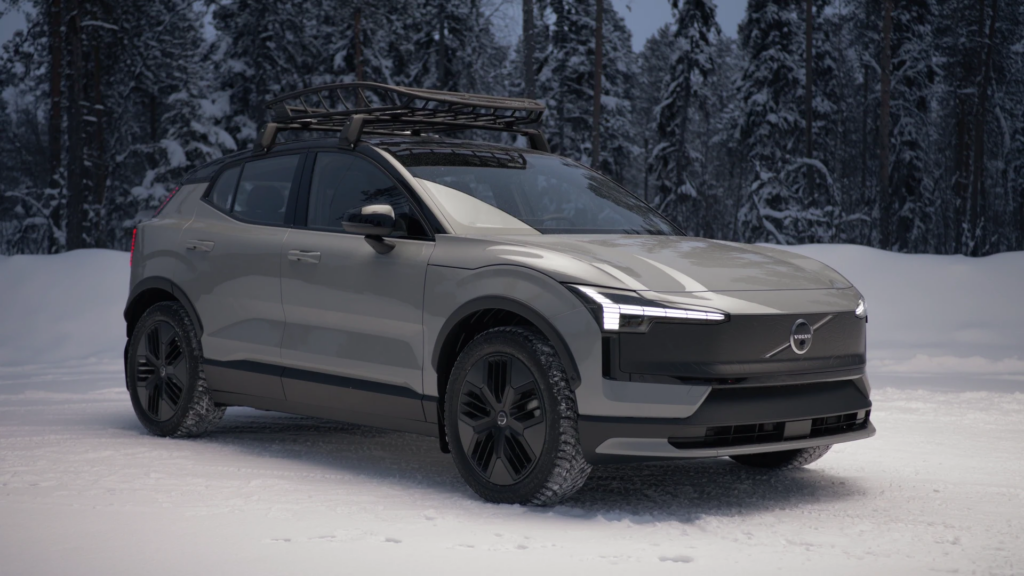
Volvo EX30 proves small cars can be safer, challenging the belief that bigger vehicles offer better protection through smarter engineering and design. This is one of the smallest SUVs Volvo produces. It’s compact, city-friendly, and designed for a new generation of electric vehicle buyers. Yet in standardized crash testing, it delivers results that rival or surpass much larger vehicles. That isn’t a marketing claim but rather engineering doing exactly what it’s supposed to do.
According to Euro NCAP testing data, the EX30 achieved a five-star safety rating with scores that demand attention. Adult occupant protection came in at 88 percent. Child protection scored 85 percent. Vulnerable road users reached 79 percent. Safety assist systems delivered 80 percent.
Those numbers are not just statistics. They’re a structured evaluation of how a vehicle performs in the most critical moments. Each category reflects a different layer of safety, from how well the cabin protects occupants to how effectively the car helps prevent a crash in the first place.
Structure Matters More Than Size
The most important element isn’t size, it’s structure. In frontal crash testing, the EX30’s passenger compartment remained stable. That’s the foundation of modern safety design. As outlined by the National Highway Traffic Safety Administration, restraint systems such as airbags and seatbelts rely on structural integrity to function properly.
Volvo’s approach centers on a rigid safety cage, reinforced pillars, and high-strength steel construction. These components create a survival space that protects occupants while directing crash energy away from the cabin.
A New Standard for Safety
Euro NCAP describes the EX30 as a “benign impact partner,” meaning its front structure is designed to reduce harm to other vehicles in a collision. This aligns with evolving safety standards highlighted by organizations like the Insurance Institute for Highway Safety, which increasingly evaluate how vehicles interact with one another in crashes. This is a shift from self-focused protection to a broader, more responsible safety philosophy. Modern crash safety also focuses on controlling how people move during an impact. The EX30 features an integrated seat airbag designed to reduce occupant-to-occupant contact during side impacts. This addresses a common but often overlooked injury mechanism.
Rear passengers benefit as well. The vehicle earned full points for child safety and provides clear guidance for child seat installation. Volvo has long emphasized occupant protection across all seating positions as a key part of its safety philosophy.
Urban Safety: Designed for Real Life
City driving presents unique challenges with cyclists, pedestrians, and dense traffic that create unpredictable environments. The EX30’s door opening alert system warns occupants if they are about to open a door into traffic. According to data referenced by transport safety authorities, dooring incidents contribute to serious injuries every year. This is where safety becomes proactive rather than reactive.
Performance safety discussions include how additional features like electronic stability systems play a critical role in maintaining control during high-performance driving scenarios. The twin-motor EX30 produces up to 422 horsepower and accelerates from zero to sixty in just 3.4 seconds.
That level of performance requires robust stability control, braking systems, and driver assistance technologies. Volvo integrates these systems seamlessly, ensuring that performance enhances control rather than compromises it.
Driver Assistance: Preventing the Crash
The EX30 includes advanced driver support systems like Pilot Assist, which helps manage steering, acceleration, and braking in certain conditions. These technologies reduce driver workload and help mitigate human error. Advanced driver assistance systems are a key factor in reducing accidents caused by distraction and delayed reaction times.
While range is often viewed as a convenience metric, it also contributes to safer driving by reducing fatigue and stress. With up to 253 miles of range, the EX30 minimizes the need for frequent charging stops. Consistent driving patterns and fewer interruptions can lead to better decision-making behind the wheel.
The Bigger Picture
The Volvo EX30 demonstrates that safety is not about size. It is about engineering, materials, and intelligent systems working together. It combines structural strength, advanced restraint systems, and thoughtful real-world features into a compact vehicle that challenges outdated assumptions.
For anyone who still believes that bigger automatically means safer, the EX30 offers a compelling counterargument backed by data, design, and real-world performance. This isn’t just an evolution in safety. It’s a redefinition.