What Does a CEO Really Do? Power, Pressure, and the Reality Behind the Corner Office
The title “Chief Executive Officer” carries enormous weight. CEOs are often portrayed as visionaries, celebrities, or villains credited with meteoric growth or blamed for catastrophic collapse. The reality is both simpler and more complex: a CEO holds unmatched decision-making authority inside a company, but remains accountable to a board of directors.
A strong CEO can elevate an average company into a billion-dollar success. A poor one can dismantle years of progress in a matter of months. The role is highly compensated often in the millions but the authority is not absolute. CEOs are employees. Their job security ultimately depends on the board.
Strategic Control: The CEO’s Unique Authority
Only one person inside a corporation has the final say on major strategic direction: the CEO.
Acquisitions. Product launches. Market expansion. Restructuring. Capital allocation. These decisions may involve executives, consultants, and board input but the CEO signs off.
Contrary to popular belief, CEOs do not spend their days issuing orders nonstop. Research shows that top executives spend most of their time gathering information and perspectives before making major calls. The best CEOs consult widely board members, department heads, industry experts, before setting direction.
The weight of the job is not in constant decision-making, but in making the right decisions at critical inflection points.
Answerable to the Board
While the CEO leads the company, the board of directors represents shareholders. The board cannot micromanage daily operations, but it influences leadership through two levers:
- Compensation
- Termination
If performance falters, compensation structures change or the CEO is replaced. This dynamic creates tension but also accountability.
Financial Oversight: Where the Money Goes
CEOs hold ultimate authority over capital allocation. They approve major loans, dividend policies, acquisitions, and large-scale investments.
A strong CEO establishes financial frameworks that allow managers to operate efficiently while maintaining oversight. Too much control slows innovation. Too little invites waste.
The balance between discipline and flexibility often determines whether a company scales effectively or stumbles.
The Public Face of the Company
CEOs are not just operators; they are ambassadors.
They speak to investors, appear in media interviews, represent the company during crises, and influence public perception. Markets often react strongly to new leadership. Studies show that the first 100 days of a CEO’s tenure can significantly impact stock performance based on tone, communication, and early strategic moves.
Most high-profile CEOs work closely with public relations teams to manage messaging and brand positioning. Visibility builds investor confidence or erodes it.
Corporate Culture Starts at the Top
Culture is not accidental. It is shaped by leadership.
CEOs set expectations around professionalism, innovation, accountability, and risk tolerance. Whether a company operates in a relaxed startup environment or a formal corporate structure often reflects the CEO’s personality and philosophy.
Employees watch behavior more than mission statements. A CEO who demands discipline must embody discipline. One who promotes collaboration must demonstrate openness.
Alignment between culture and industry expectations is critical. Misalignment can drive turnover and weaken morale.
The Reality of the Workweek
The workload is demanding.
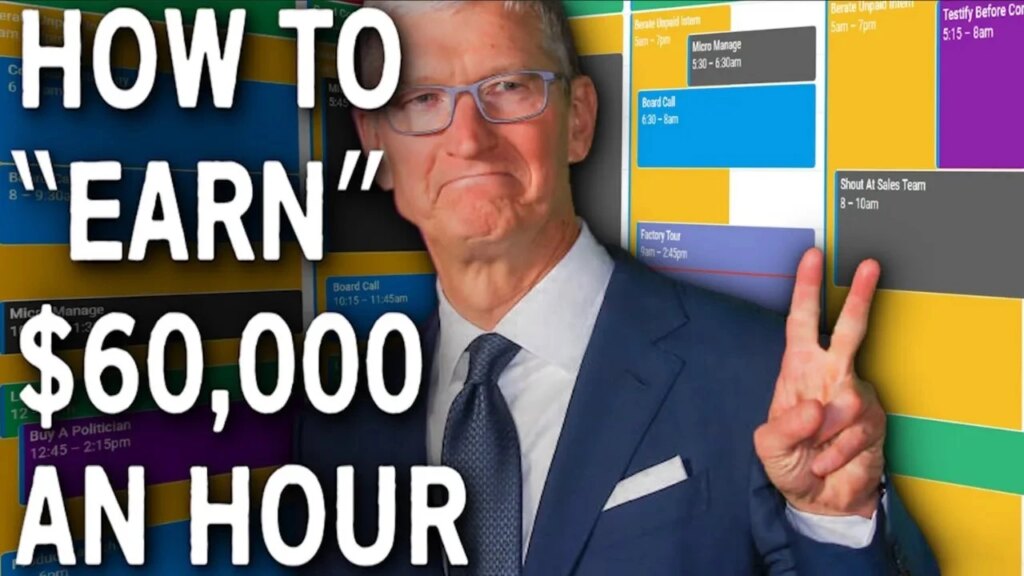
On average, CEOs work approximately 62.5 hours per week. About 72% of that time is spent in meetings. Roughly:
- 25% focuses on relationships
- 25% on business reviews
- 16% on culture
- 21% on strategy
Most communication, over 60%, happens in person. Direct engagement remains essential at the highest levels of leadership.
Despite the perception of constant high-level strategy, much of a CEO’s time is dedicated to managing people and maintaining alignment across teams.
Leadership Styles Vary
Some CEOs are hands-on operators deeply involved in execution. Others focus almost exclusively on vision and delegation. Some are charismatic public figures. Others operate quietly behind the scenes.
There is no universal blueprint for effective leadership. What matters is clarity of direction, disciplined execution, and the ability to build trust internally and externally.
The Bottom Line
The CEO role combines power and pressure in equal measure.
It requires decisive strategy, financial oversight, cultural stewardship, public communication, and constant accountability to a board of directors. The position offers influence and compensation but also exposure. When performance slips, responsibility lands squarely at the top.
Behind the prestige of the corner office lies a demanding reality: leadership at that level is less about authority and more about responsibility.
All writings are for educational and entertainment purposes only and does not provide investment or financial advice of any kind.