What Kevin Warsh as Fed Chair Could Mean for Rates, Markets, and the Economy
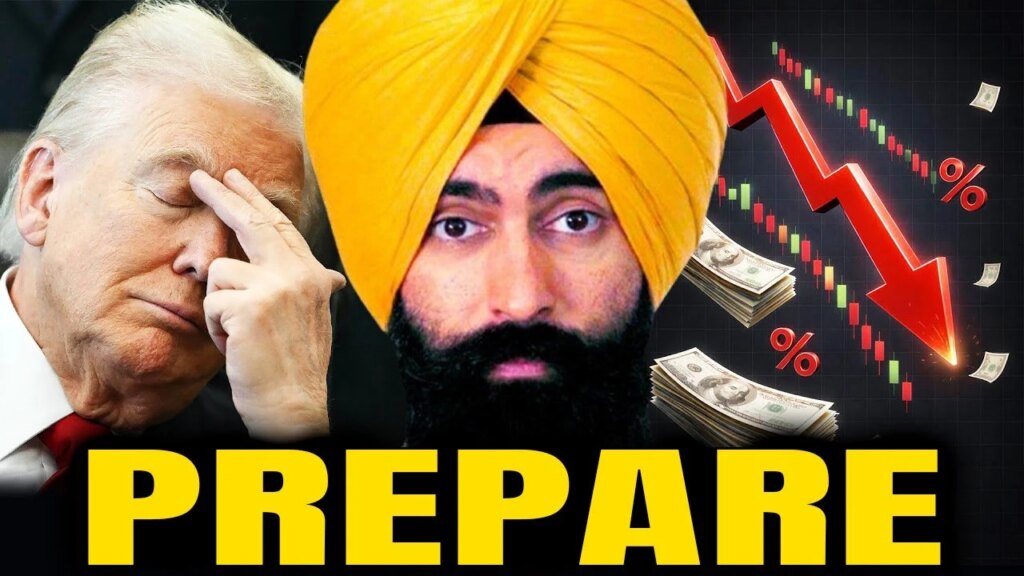
President Trump’s nomination of Kevin Warsh as the next Federal Reserve chairman with the change taking effect in May 2026 has already rippled through global markets and policy discussions. It’s one of those decisions that touches everything from interest rates and inflation expectations to government debt, stock prices, and the strength of the U.S. dollar.
But to understand the potential impact, it helps to look closely at Warsh’s views, the Fed’s structure, and how his approach could change the economic outlook.
Here’s what you need to know.
Trump’s Move and What It Signals
President Trump has been openly critical of the current Federal Reserve leadership, particularly over interest rates. Trump has argued for lower rates as a way to stimulate growth, and Warsh’s nomination reflects that priority.
Warsh is seen by many as a policy shift from the status quo, but interpreting exactly what that shift means isn’t simple. The Federal Reserve doesn’t dance to a president’s tune it operates independently but leadership does influence the direction and tone of monetary policy.
Who Is Kevin Warsh?
Kevin Warsh is no novice. He served as a governor on the Federal Reserve Board during the 2008 financial crisis, a period that shaped his early reputation as a policy hawk someone who historically resisted easy money policies like low interest rates and aggressive balance sheet expansion.
In recent years, Warsh has signaled a willingness to adapt his views. He’s suggested that interest rates in the post-pandemic world have been “too high for too long.” He advocates for meaningful rate cuts, but paired with a reduction in the Fed’s balance sheet to rein in inflation pressures.
That combination lower rates with a shrinking balance sheet is less conventional. Central banks typically cut rates to stimulate the economy and expand balance sheets to support liquidity. Whether Warsh’s strategy can do both effectively is an open question and one markets are watching intently.
The Fed’s Structure Matters
Even with a new chair, the Federal Reserve doesn’t act unilaterally. The Fed’s key decisions including interest rate adjustments require a majority vote from the Federal Open Market Committee (FOMC). There are 12 voting seats, and a simple majority is needed to pass changes.
Trump has already appointed four Fed governors, including Warsh, which increases the likelihood that the leadership’s view will shape policy direction. But other members many with different economic philosophies still hold significant influence.
And it’s important to remember: the Fed is independent. Its mandate focuses on price stability and maximum employment, not political agendas. That independence has been a cornerstone of U.S. monetary policy for decades.
Why Interest Rates Still Matter
Interest rates are the backbone of financial conditions. When rates are high:
- Borrowing costs rise for consumers and businesses
- Government debt servicing costs increase
- Stock valuations often come under pressure
- Savings rates become more attractive
When rates fall:
- Borrowing becomes cheaper
- Stock markets often rally on expectations of easier financial conditions
- Mortgage and loan costs drop for consumers
- Government debt service costs typically shrink
That last point is especially relevant given the scale of U.S. public debt more than $38 trillion. Interest costs on that debt are among the fastest-growing components of the federal budget. Lower rates could ease those costs, potentially freeing up room for other spending priorities or tax policies.
But lower rates can also stoke inflation if demand outpaces supply a risk Warsh’s proposed balance sheet reduction aims to counteract.
Markets Respond First
Financial markets have already reacted to Warsh’s nomination. Stocks whipsawed on the news as investors reassess the outlook for monetary policy. A more dovish stance on rates even paired with balance sheet restraint tends to lift risk assets because cheaper borrowing increases corporate profitability and investment.
But it’s not a guaranteed reaction. If markets doubt the Fed’s ability to balance inflation control with rate cuts, volatility can persist.
The Dollar and Global Impact
Monetary policy in the U.S. isn’t just a domestic story. Changes in interest rates affect the U.S. dollar’s strength globally. Higher U.S. rates tend to support a stronger dollar, which makes imports cheaper but can challenge U.S. exporters. A strong dollar also affects emerging markets with dollar-denominated debt.
If Warsh’s approach signals a shift toward lower rates but tighter balance sheet conditions, the net effect on the dollar will depend on how global markets interpret that tradeoff.
What to Watch in the Months Ahead
• FOMC voting patterns: How do other Fed governors align with Warsh on rate cuts and balance sheet reduction?
• Inflation data: Continued CPI and PCE readings will influence whether rate cuts are viable.
• Labor market strength: Employment trends remain a key Fed data point.
• Government debt dynamics: As debt servicing costs rise or fall with rates, budgetary pressures will shift.
• Market volatility: Expect continued movement in equities, bonds, and commodities as investors adjust to the new regime.
Bottom Line
Kevin Warsh’s nomination is a clear pivot in monetary policy discourse but it’s not an automatic reset where rates drop on command. The Federal Reserve’s decision-making framework, data-driven mandate, and internal balance of views will still shape outcomes.
What has changed is the narrative: markets and investors now anticipate a leadership that wants to reconcile inflation control with lower borrowing costs. Whether that’s feasible without unintended consequences remains the central question of 2026 monetary policy.
For investors, businesses, and everyday Americans, the era of uncertainty around interest rates just got a new chapter and paying attention to how this plays out could make a meaningful difference in financial plans and asset positioning.
Jaspreet Singh is not a licensed financial advisor. He is a licensed attorney, but he is not providing you with legal advice in this article. This article, the topics discussed, and ideas presented are Jaspreet’s opinions and presented for entertainment purposes only. The information presented should not be construed as financial or legal advice. Always do your own due diligence