13 Common Home Issues That Could Be Affecting Your Health


The home is where you spend most of your time. You sleep there, eat there, and live with your family. Sadly, many homeowners do not pay attention to how keeping their homes healthy helps their well-being.
If you want to feel better and save money on doctor visits, read the tips in this article. Experts say these 13 often missed things in your home can affect your health a lot.
The Temperature of Your Home

If your body is not comfortable in the surroundings, it can increase stress and raise blood pressure.
There are several ways to maintain a suitable temperature at home:
- Install energy-efficient insulation.
- Use exhaust fans that ventilate moisture.
- Adjust room temperatures during different seasons.
- Change your HVAC filter regularly for a cleaner air filtration system.
Lighting
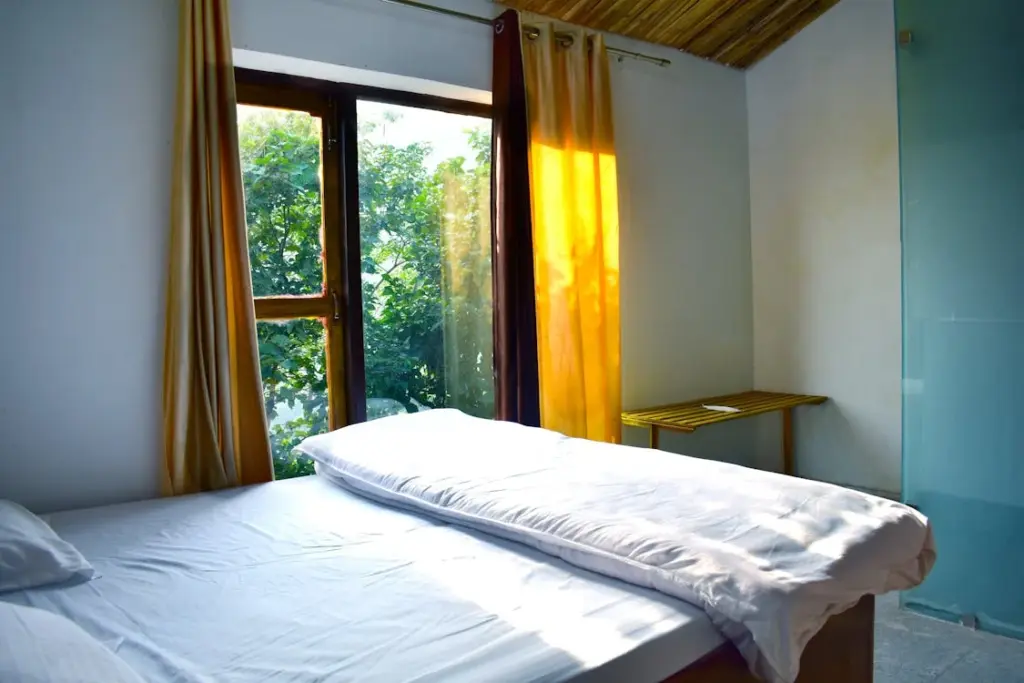
Lighting can also have a profound impact on your health. Too much or too little light can disrupt the body’s natural rhythm, leading to health problems such as obesity and depression.
Try to get outside for some sunlight every day and use full-spectrum light bulbs in your home to mimic daylight.
Noise Levels
The CDC says loud noise can harm your health. Too much noise can cause stress, which may lead to heart disease and diabetes. It can also make it hard to sleep, causing tiredness and other problems.
Dr. Amy Sarow, a hearing expert, says, “Loud noise is a stress and can be bad for health, causing high blood pressure, more stress, and problems with insulin. Using a hair dryer near your ear is a loud noise that can be harmful.”
Try to keep your home quiet by using soundproof materials and putting carpets or rugs on hard floors.
Indoor Air Quality

Most people think they only need to worry about air quality when outside. However, indoor air quality might be more harmful to your health than outdoor air. The culprits are household items that release pollutants into the environment, such as cleaning supplies and paint.
Use air purifiers to maintain healthy air quality.
Household Cleaning Products

Michael Green, MD, an OB/GYN at Winon, said, “Many usual household items have chemicals that upset the body’s natural balance. Laundry soaps, all-purpose cleaners, nail polish, and shampoo often contain chemicals that affect hormones, according to the Society for Endocrinology.”
Dr. Green suggests choosing natural, plant-based products for your home and personal care when you can.
Dr. Jae Pak, M.D., of Jae Pak Medical, said, “When cleaning, people often focus more on finishing the job than on the chemicals they breathe in. Using natural cleaning products is a good way to remove harmful substances from your daily routine.”
Instead of using strong chemicals, clean your home with simple homemade natural cleaners.
The Humidity In Your Home

According to Dr. Rosmy Barrios, MD, a medical advisor for the Health Reporter, “Dry air at home also has a significant negative effect on the skin. It starts to dry out, leading to itching, flaking, and conditions such as eczema. When the skin is damaged, the risk of viruses and bacteria entering the body more easily and causing various diseases increases.”
Dr. Barrios adds, “Too dry air at home can cause or intensify allergies and various diseases, as it dries the mucous membrane of the upper respiratory tract and mouth. When this happens, dirt, dust, viruses, and bacteria can more easily enter the lungs, which can cause discomfort, pain when inhaling or rubbing the nose, and inflammation of the mucous membranes.”
Your mattress
A lot of us don’t think twice about our mattresses. We just sleep on them day in and day out, never giving them much thought. But the truth is, your mattress can impact your health in ways you may not realize.
These critters are known to cause allergies and asthma, so it’s important to keep them under control.
According to Rick Conti, A Certified Pest Inspector, “These pests feed on a variety of materials, including hair, blood, feathers, and dead skin cells. If left unchecked, they can cause serious damage to your mattress. If you’re dealing with any of these pests, it’s important to take action immediately.”
Rick adds, “The best way to prevent an infestation is to regularly clean your mattress. Focus on the cracks and crevices of your bed frame. By doing this, you’ll be able to notice any early-stage signs of a problem so you can take care of it before it becomes a bigger issue.”
The Kitchen
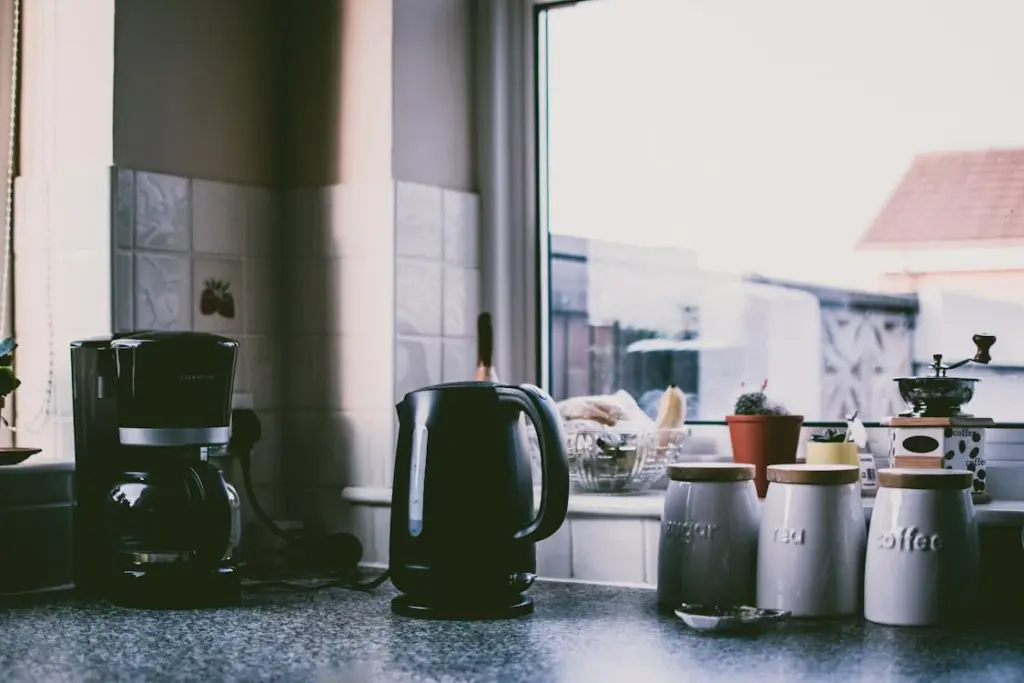
Keeping your kitchen clean and full of good supplies can help your health a lot. A great way to keep your kitchen in good condition is by using natural cleaners instead of bleach or ammonia, which can release bad chemicals into the air. Clean your coffee maker, microwave, and oven often.
Also, try to cook using fresh ingredients as much as you can. For example, buying fresh fish and vegetables saves money and is healthier. Frozen and processed foods often have unhealthy additives and preservatives.
The Bathroom
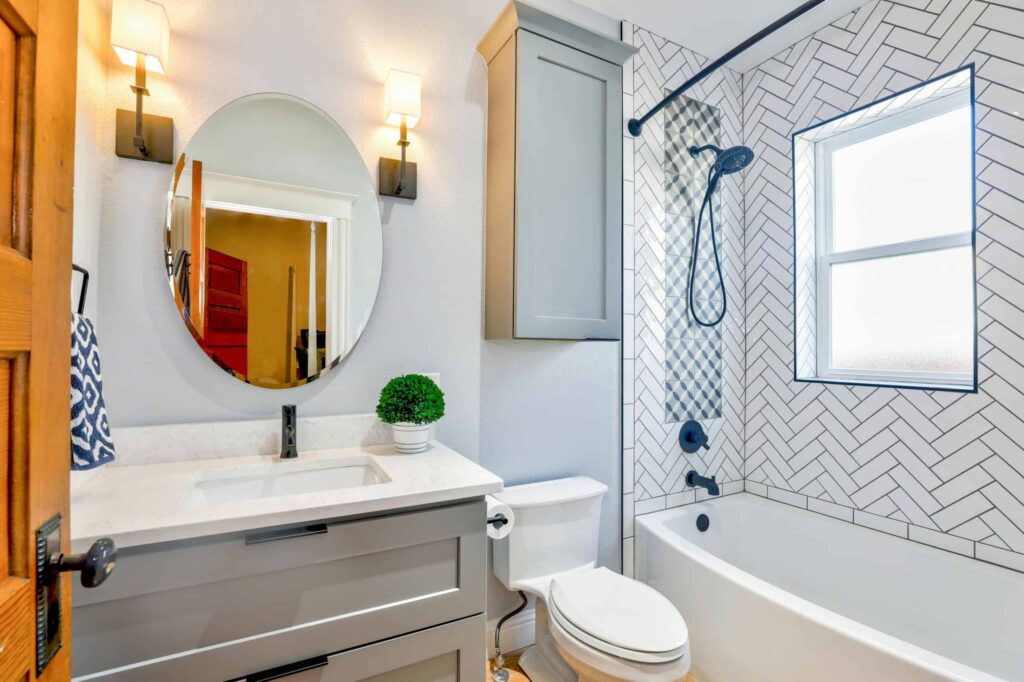
Keeping your bathroom clean and mold-free can help your health since bathrooms are places where germs and fungi grow easily. Showerheads should be cleaned often because they hold a lot of moisture every day. Use natural cleaners like vinegar or baking soda instead of bleach for better cleaning.
Also, put in low-flow showerheads to save water, and add natural essential oils when you bathe to make your home smell nice and give you a calming effect.
Your Yard

Your yard can greatly affect your health. If you have a garden, use natural gardening methods and do not use chemicals like pesticides or herb killers.
Your yard can also be a place for meditation or exercise, helping you to calm down and stay active.
Also, make sure your yard has lots of fresh air and sunlight. Fresh air and sunlight can lift your spirits and make you feel better overall.
Water Quality

The Environmental Protection Agency controls only about 90 contaminants in tap water, but there are many more harmful pollutants that might reach our homes.
Groups like the Environmental Working Group disagree with the EPA, saying the current rules are old and weak, so they made their own health-focused standards.
Brian Campbell, founder of Water Filter Guru, says, “We can be exposed to these unregulated contaminants anywhere we use water at home—drinking, cooking, or even breathing in the shower mist.”
Use a water filter system in your home to remove dangerous contaminants and a water softener to add minerals you need.
Office Environment

Your office environment is where you’ll be spending most of your time, and it’s essential to ensure it is a healthy and productive space.
Try to keep your desk clean and organized, as clutter can lead to stress. One way to improve the office environment is by adding plants. Not only do they look nice, but they also help purify the air.
Make sure to personalize it with photos to make it more comfortable.
In addition, try to get up and move around every hour to keep your body active. This movement will help reduce the risk of developing health problems such as obesity and heart disease.
Furniture and Decor

Your furniture and decorations can greatly affect your health. Do not buy furniture with harmful chemicals, like flame retardants. Instead, choose pieces made of natural materials like wood or bamboo.
Furniture and decorations can make your home feel calm and peaceful, helping you to relax and reduce stress.
Make Small Changes

Take a closer look at your home and make some changes for the better. Many overlooked things at home significantly impact your health.
Focusing on these items can create a healthy and productive environment for yourself and your family.