19 Home Costs Many People Forget to Plan For


Having a home is often seen as a sign of stability and success. Many people hope to have a space that’s truly theirs, imagining warm living rooms, big kitchens, and green yards.
Owning a house can make you feel proud, but it also brings duties that many don’t fully understand. Most attention is given to mortgage bills, while other costs are often ignored.
A recent report says the average American spends $3,018 a year just on home upkeep. This amount does not cover sudden repairs, growing property taxes, or increasing utility bills that come with owning a home.
For many people, these extra costs can change what looked like a reasonable buy into a constant money struggle. Getting ready and knowing these costs well is important to avoid surprises and keep a steady home budget.
In this article, we will talk about 19 surprising costs of owning a home that many people miss. Each part will explain a different expense, giving useful details to help you get ready for the true costs of owning a home.
Have you had any surprise expenses as a homeowner? What hidden costs surprised you? Tell us in the comments!
Maintenance and Repairs

Regular upkeep and sudden repairs are common costs all homeowners deal with. Jobs like mowing the lawn, cleaning gutters, and servicing the HVAC might seem small, but they add up over time.
Big repairs, like fixing a roof leak or changing plumbing, can cost thousands. Setting aside at least 1% of the home’s value each year for repairs can help pay for these costs.
Staying on top of maintenance stops small problems from turning into expensive emergencies.
Emergency Fund Allocation

Unexpected problems, such as storm damage, plumbing failures, or HVAC breakdowns, often require immediate repairs. Having an emergency fund specifically for home-related expenses helps avoid financial stress when surprises occur.
Experts recommend setting aside one to three percent of the home’s value each year to cover unplanned costs. This approach ensures funds are available without relying on credit cards or loans.
Building and maintaining this safety net provides homeowners with greater financial stability.
Utilities

Utility bills frequently rise after moving into a larger space, particularly for heating, cooling, and water usage. On average, American households spend about $6,888 annually on utility bills. Older homes often have inefficient systems that can drive these costs even higher.
Trash collection, recycling services, and sewer fees are additional expenses that renters may not have faced. Homeowners should monitor usage and invest in energy-saving upgrades to reduce bills.
Reviewing past utility costs can also give a clearer picture of future expenses.
Property Taxes

Property taxes are one of the most significant costs homeowners face, and they tend to rise over time. Local governments calculate these taxes based on the assessed value of the property, which can increase with market trends or renovations.
The average property tax bill across the United States was $4,062 in 2023. Even if a home’s purchase price appears affordable, higher property taxes can put a strain on household budgets.
Homebuyers should research current rates in their area and factor in potential increases. Staying informed about local assessments helps avoid surprises when tax bills arrive.
Homeowners Insurance
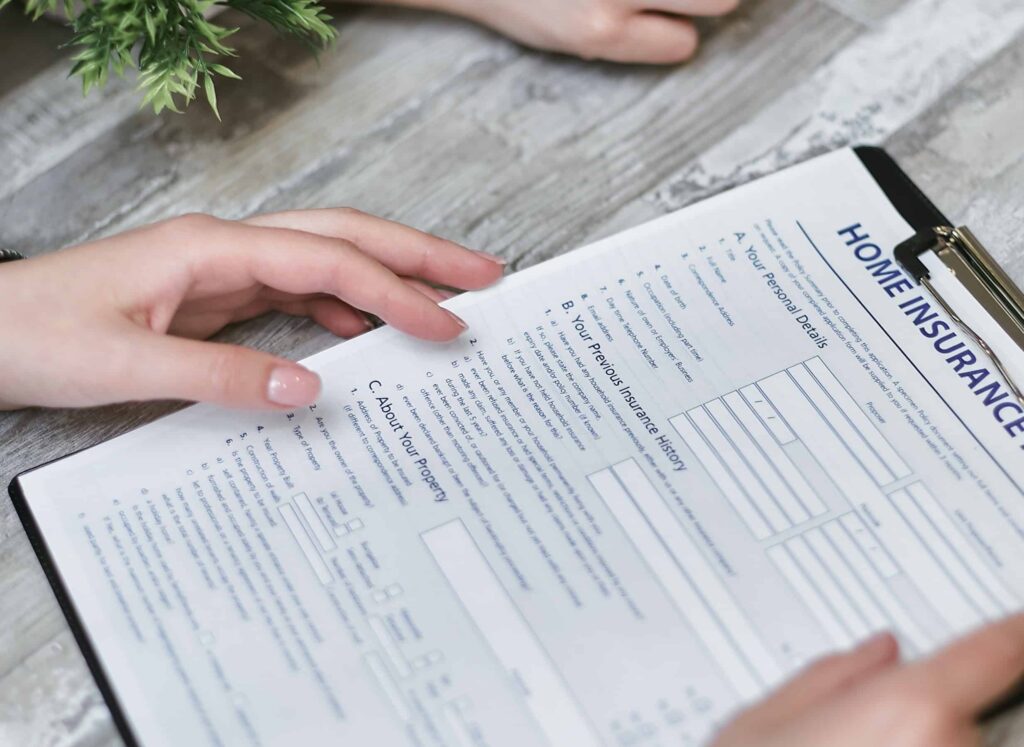
Homeowners insurance is important to protect your property from damage, theft, and liability, but the cost can differ a lot. Prices rely on things like where the home is, its size, and its age, with places that face natural disasters usually having higher costs.
Many plans also ask for extra coverage for floods, earthquakes, or hurricanes, which can raise the price. Checking multiple quotes and reading policy details can help you get the right protection without paying too much.
Keeping your insurance up to date after home improvements makes sure you have enough coverage.
Private Mortgage Insurance (PMI)
Private Mortgage Insurance, or PMI, is required for buyers who make a down payment of less than 20%. In 2023, nearly 800,000 Americans used PMI to purchase homes, with 64% of them being first-time buyers
While PMI may seem manageable at first, it can cost hundreds of dollars per month until the homeowner builds enough equity to cancel it. Understanding how long PMI will apply is important when budgeting for homeownership costs.
Paying extra toward the mortgage balance can help eliminate PMI sooner.
Property Value Depreciation

Property values usually go up over time, but sometimes they can go down. Changes in the local economy, shifts in neighborhood conditions, and market drops can all change a home’s price. Lower values can make it harder to sell or refinance, giving homeowners fewer money options.
Taking good care of the property and learning about local changes helps keep its value. Still, outside forces can affect long-term home equity, even with careful planning.
Homeowners Association (HOA) Fees

HOA fees are common in communities with shared amenities like pools, gyms, and landscaping services. On average, HOA fees can range from $200 to $300 per month, depending on the community and its services.
HOAs also enforce rules and may fine homeowners for violations, adding unexpected costs. Reviewing HOA regulations before purchasing a home can help avoid conflicts and financial strain. Buyers should also check if fees are likely to increase in the near future.
Security Measures

Home safety is very important for homeowners, and putting in security systems gives extra protection but also adds cost. Simple systems have cameras, alarms, and motion sensors, while better ones can let you watch your home from afar and connect to smart devices.
Monthly fees for monitoring and occasional updates can raise costs over time. Some insurance companies give discounts to homes with security systems, which can help lower the price. Spending on safety not only keeps things safe but also brings peace of mind.
Roof Maintenance

Roofs are always exposed to weather, which causes them to wear down over time. Regular checks find problems such as leaks, missing shingles, and broken flashing before they get worse.
Repairs can include fixing small leaks or replacing bigger parts, while a full roof replacement can cost a lot of money. Neglecting roof care often leads to water damage, mold, and problems with the home’s structure.
Doing regular maintenance helps the roof last longer and avoids expensive repairs.
Plumbing Issues

Plumbing problems can appear unexpectedly and often demand immediate attention. Leaks, clogged drains, and burst pipes are common repairs, while larger jobs like sewer line replacements or repiping may involve higher costs.
Hard water buildup and corrosion in older systems can lead to frequent repairs if left unaddressed. Professional inspections and preventative maintenance lower the risk of major issues.
Being prepared for plumbing expenses ensures homeowners can respond quickly to problems without added stress.
Electrical System Upgrades
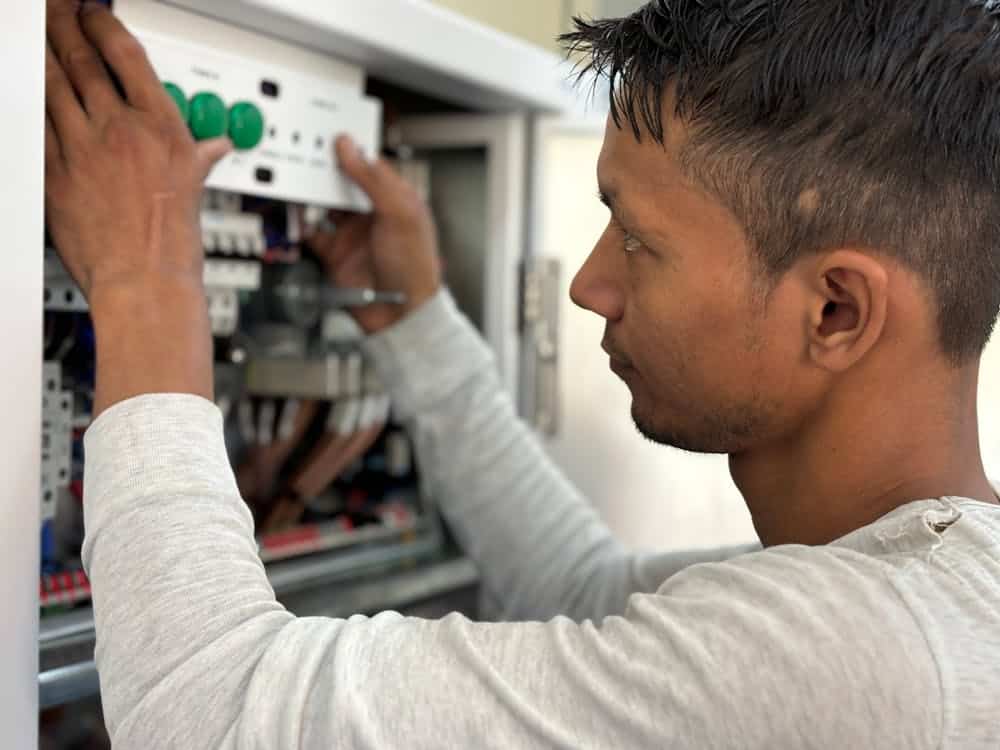
Older houses often have old wiring that can’t handle today’s electrical needs. Changing panels, outlets, and wiring makes things safer and lowers fire risks.
New lights and smart home devices might also need electrical work, which can add to the cost. Most upgrades need a licensed electrician, and their prices depend on the job size.
Regular inspections and upgrades keep the system safe, working well, and meeting rules.
Landscaping

Maintaining outdoor spaces requires time, effort, and money, be it for lawn care, pruning trees, or seasonal planting. Homeowners who prefer professional services may face even higher costs, especially for larger properties.
Neglecting landscaping can lower curb appeal and even lead to fines in HOA communities. Investing in drought-resistant plants or automated irrigation systems can reduce long-term expenses.
Planning for seasonal tasks helps keep yards looking attractive without breaking the budget.
Pest Control

Pest problems can lead to damage and health risks if not addressed quickly. Regular inspections and treatments are necessary to prevent infestations of ants, termites or rodents.
While DIY options are available, severe issues often require professional exterminators, which can be expensive. Ignoring pest problems can result in costly repairs, especially when dealing with structural damage.
Keeping up with preventive treatments protects both the home and the homeowner’s wallet.
Furniture and Décor

Setting up and decorating a home can be quite costly, especially when beginning from scratch. Bigger rooms need more furniture, and changing curtains, rugs, and art can raise the total price fast. Made-to-order items and better materials make it cost more too.
Many people decide to decorate bit by bit to save money over time. Thoughtful planning makes it possible to have a cozy home without spending too much.
Appliance Replacement

Household appliances are not built to last forever, and replacing them can be expensive. Major appliances like refrigerators, ovens, and washing machines often need repairs or upgrades after 10 to 15 years.
Heating and cooling systems, including water heaters, may require attention even sooner, depending on usage and maintenance. Costs can quickly add up, especially if multiple appliances fail within a short period.
Planning ahead for replacements reduces the financial strain when breakdowns occur.
Legal Fees

Legal costs can happen in many cases, such as boundary disagreements, title problems, and contract checks. Homeowners might also need legal help for estate plans or rental agreements if they decide to rent part of their property.
Lawyer fees change depending on how difficult the case is, and meetings usually cost extra. Dealing with legal issues quickly stops confusion and keeps property rights safe. Getting good legal advice can save time and money over time.
Time Investment

Owning a home demands more than financial resources, it also requires a significant time commitment. Tasks like lawn care, seasonal maintenance, and interior updates often compete with work and family schedules.
Larger projects, including renovations and repairs, may require weeks or even months to complete. Hiring professionals can save time, but doing so also adds to overall expenses.
Homeowners should be prepared to balance these responsibilities alongside their regular routines.
Moving Expenses

Moving into a new home comes with many surprise costs. Hiring movers, buying packing materials, and renting trucks usually cost the most.
Sometimes, you might need storage units for a short time, which can add more to your expenses. Cleaning help, setting up utilities, and paying deposits for things like internet or TV are often forgotten.
Getting ready and saving money for these costs makes moving easier and less stressful.
Final Thoughts on Homeownership Costs

Having a home gives comfort and security, but it also means handling money matters that can be missed. Costs like fixing things, repairs, insurance, and improvements can add up fast and affect your budget over time.
Getting ready and knowing about these costs helps homeowners avoid shocks and keep money ready. Saving money for sudden problems and doing regular care keeps the home safe and valuable.
Knowing these things lets homeowners enjoy their home while managing the hard parts with confidence.
 If you like what you just read, then subscribe to my newsletter.
- 25 Things Home Buyers Instantly Hate About Your House
- 28 Frugal Home Hacks You Need to Try for Instant Savings
AI was used for light editing, formatting, and readability. But a human (me!) wrote and edited this.