20 Small Habits That Could Be Aging You Faster and What You Can Do About Them
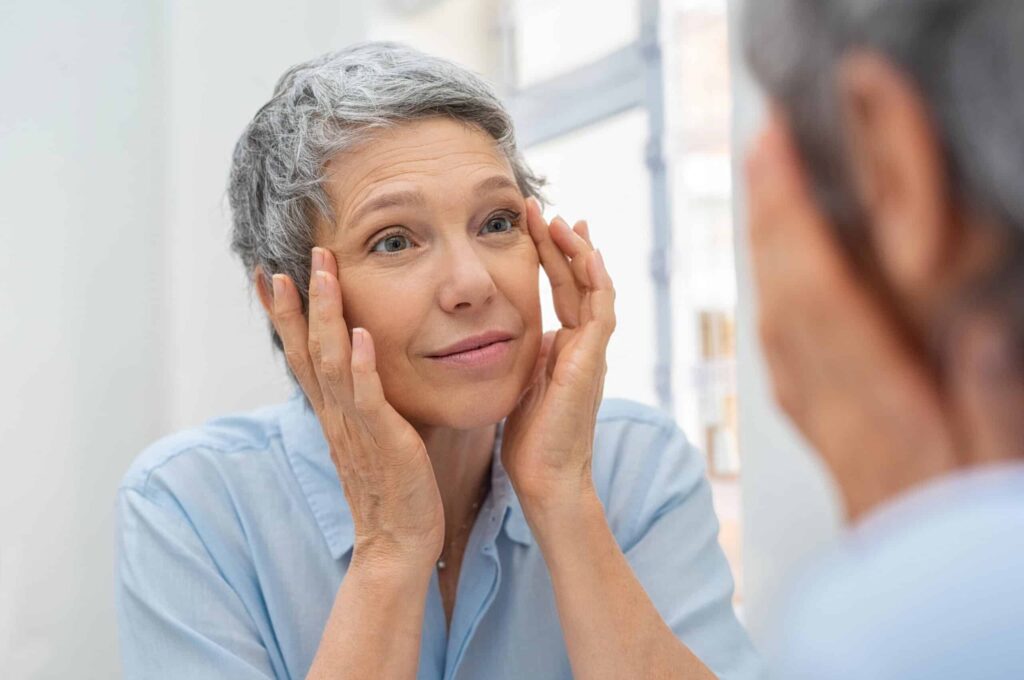
We all want to look and feel good as we get older. But did you know that some things we do every day may make us age faster?
A recent study by the National Institutes of Health showed that the way we live has a big part in how well we age. This means the small things we do each day can help us stay young or make us age faster.
As we live, our bodies change. This is normal. But some changes happen too fast because of how we live.
The good part is we can change this! Many habits that speed up aging are under our control. If we learn what these habits are, we can make small changes that help us stay younger longer.
In this article, we will talk about 20 habits that might be making you age faster. We will cover things like sleep, stress, food, and exercise. For each habit, we explain why it is bad for aging and what you can do to fix it.
Are some of these habits part of your daily life? Let’s find out!
Sitting Too Much

If you sit for most of the day, you might be getting older faster than you should. Many studies show that sitting too much leads to many signs of aging in muscle cells. Not being active can cause your muscles to get weaker and slow down how your body uses energy, which makes you biologically older.
You don’t have to run marathons to fight this. Just standing up and moving more often during the day can help a lot. Try to add small movements to your daily habits.
Smoking

Smoking is a habit that significantly speeds up the aging process. A study on identical twins clearly shows that smoking ages skin faster. The study found that smoking reduces skin thickness and elasticity, leading to premature aging.
Tobacco use is linked to numerous health issues and accelerates the breakdown of collagen and elastin in your skin. It also reduces oxygen supply to the skin, which further contributes to an aged appearance.
If you smoke, quitting is one of the best things you can do for your health and appearance.
Drinking Too Much Alcohol

Drinking too much alcohol can make you age faster than you might expect. A study by Northwestern Medicine showed that both regular heavy drinking and binge drinking speed up the way your body ages.
Drinking a lot can hurt your brain and cause liver problems, which can shorten your life. It can also dry out your body and skin, making you look older.
If you drink, try to do it in small amounts to help reduce these aging effects.
 If you like what you are reading, then click like and subscribe to my newsletter. We share tips to waste less time and money.
Not Getting Enough Sleep

Sleep is crucial for our overall health and how we age. A 2023 study revealed that lack of sleep is a leading cause of premature aging. For adults over 50, getting 7 to 9 hours of sleep each night is essential.
The study showed that people who didn’t get enough sleep had more visible signs of aging, such as wrinkles and under-eye bags. But it’s not just about looks, sleep deprivation affects our cognitive health and increases the risk of chronic diseases.
Make sure you prioritize your sleep to keep your body and mind youthful.
Letting Stress Take Over

Stress is a normal part of life, but chronic stress can speed up the aging process. A new study published in the journal Cell Metabolism found that our biological age increases rapidly when we’re under stress.
This happens because prolonged stress leads to increased cortisol levels, which can damage our cells over time. Experts have noted that chronic stress is associated with shorter telomeres, which are like protective caps on our DNA.
When these telomeres get shorter, it’s a sign of aging at the cellular level. Finding effective ways to manage stress is key to slowing down the aging process.
Eating Too Much Junk Food

Your diet has a big impact on how you age. A Harvard Pilgrim study called “The Science of Food & Aging” shows that eating many processed foods can make your cells age faster. These foods can cause inflammation and long-lasting health problems, which speed up aging.
The study highlights that natural foods give the best nutrients. Aim to eat whole foods such as fruits, vegetables, lean meats, and whole grains. These foods give your body what it needs to stay healthy and young.
Ignoring Your Mental Health
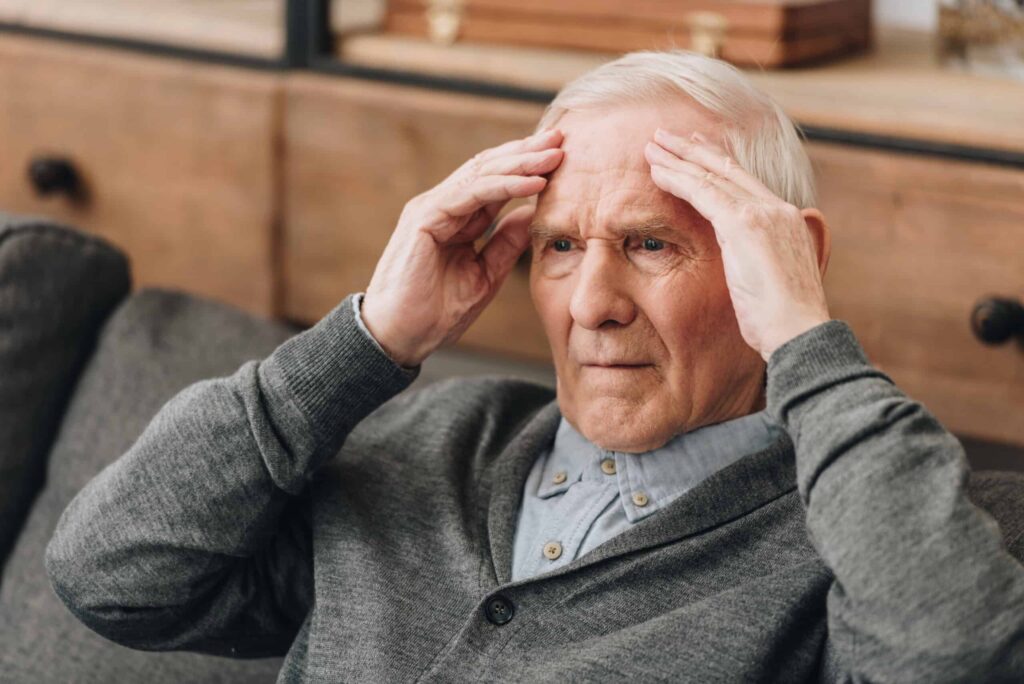
Your mental health plays a crucial role in how you age. According to the National Institute on Aging, people with mental disorders in youth tend to show signs of accelerated aging in midlife.
Poor mental health can lead to cognitive decline and increase the risk of dementia, highlighting the need for emotional well-being. Taking care of your mental health is just as important as taking care of your physical health when it comes to aging well.
Don’t hesitate to seek help if you’re struggling with mental health issues.
Isolating Yourself

Social connections are vital for healthy aging. According to the World Health Organization (WHO), social isolation and loneliness affect about a quarter of older people.
A recent study shows that loneliness and unhappiness accelerate aging faster than smoking. This underscores the importance of maintaining social connections as we age. Loneliness is associated with higher risks of heart disease and cognitive decline.
Make an effort to stay connected with friends and family, and consider joining social groups or volunteering to expand your social circle.
Lack of Sun Protection

Sunlight can make your skin age much faster. According to the Cleveland Clinic, light exposure is a main cause of early skin aging. Ultraviolet (UV) rays and sunlight cause your skin to age faster than it would on its own.
This is called photoaging and it causes 90% of the visible changes you see in your skin. UV rays can harm your skin and speed up aging, so it’s very important to stay safe in the sun.
Use sunscreen every day, even when the sky is cloudy. Also, wear hats, sunglasses, and clothes that cover your skin when you are outside.
Exercising Too Much

While regular exercise is crucial for healthy aging, overdoing it can have the opposite effect. New research suggests that excessive physical activity could potentially accelerate the aging process.
Over-exercising can cause chronic inflammation, joint damage, and oxidative stress, leading to premature aging. It’s important to find a balance in your exercise routine.
Aim for regular, moderate exercise that challenges you without exhausting you. Listen to your body and give yourself adequate rest and recovery time between workouts.
Stopping Learning

Not using your brain as you get older can cause it to work less well. Learning new things keeps your mind strong and can help slow down getting older.
If you stop learning, you lose chances to build new connections in your brain. These connections help your mind stay working well as you age. Make learning a habit for life.
Try new hobbies, study a new language, or do puzzles and brain games. Keeping your mind busy can help you stay mentally young.
Neglecting Skin Care

Your skin needs care every day to stay healthy and look young. Skipping a skincare routine can speed up aging for different reasons.
If you don’t clean and remove dead skin often, old skin cells and dirt can pile up. This makes your skin look tired and older. Make an easy skincare plan with cleaning, moisturizing, and using sunscreen.
Choose products that match your skin type and remember to care for your neck and hands too, as these spots show aging early.
Ignoring Chronic Conditions

Not taking care of long-term health problems can cause issues that make aging happen faster. Many of these problems, when ignored, can lead to swelling and damage in the body, which both speed up getting older.
Stay in touch with your doctor to handle any long-term health issues you have. Stick to your treatment plan, take your medicines as told, and make the lifestyle changes your doctor suggests.
Looking after your health today can help you grow older in a better way later.
Negative Mindset

Your attitude towards aging can actually affect how you age physically. Scientists have found that certain negative thought patterns can shorten telomeres, leading to cells aging faster. A pessimistic view of aging can lead to stress and poor health choices, impacting longevity.
On the other hand, people with a positive attitude towards aging often make healthier choices and experience less stress. Try to cultivate a positive outlook on aging.
Focus on the wisdom and experiences you gain with age, rather than dwelling on the challenges. Your mindset can be a powerful tool in aging gracefully.
Not Drinking Enough Water

Staying hydrated is crucial for healthy aging. Research findings suggest that poor hydration may accelerate biological aging and increase the risk of chronic disease and death.
Dehydration affects skin elasticity and organ function, contributing to an older appearance and health issues. Your body needs adequate water to perform countless functions, including flushing out toxins and maintaining skin elasticity.
Aim to drink water throughout the day. If you’re not a fan of plain water, try infusing it with fruits or herbs for added flavor.
Ignoring Regular Health Check-ups

Regular medical check-ups are very important for staying healthy as you get older. These visits can find health problems early, stopping issues that might make aging worse. Many problems that come with age can be treated or avoided if they are found early.
Don’t wait until you feel sick to see your doctor. Make time for regular check-ups and tests that are suggested for your age.
These visits let you talk about any health worries with your doctor and get advice that fits your needs for healthy aging.
Overeating

Consuming more calories than your body needs can lead to premature aging. Evidence shows that overeating can cause premature aging at the cellular level.
Eating too much can lead to obesity and related health problems, which are linked to faster aging. Extra weight puts stress on your body and can increase inflammation, both of which can speed up the aging process.
Practice mindful eating, pay attention to portion sizes, and stop eating when you feel satisfied rather than stuffed. Your body will thank you in the long run.
If you like what you are reading, then click like and subscribe to my newsletter. We share tips to waste less time and money.
Exposure to Pollution and Toxins

The environment around us can have a significant impact on how we age. A study in Environmental Toxicology and Pharmacology found that environmental toxicity may have a detrimental impact on telomeres and further accelerate the aging process.
Environmental pollutants can cause oxidative stress, inflammation, and DNA damage, leading to premature aging of the skin and internal organs. While you can’t always control your environment, you can take steps to reduce your exposure.
Use air purifiers at home, eat organic when possible, and avoid unnecessary chemical exposures.
Too Much Screen Time

In our digital age, excessive screen time has become a common habit that can contribute to premature aging. A recent study, published in the journal Frontiers in Aging, shows a correlation between extended exposure to blue light and increased rates of aging.
Prolonged screen time can lead to eye strain and poor posture, contributing to overall health decline. It can also disrupt your sleep patterns if you use screens close to bedtime.
Try to limit your screen time, especially in the evening. Take regular breaks when using digital devices and consider using blue light filtering apps or glasses.
Having Poor Posture

Your posture affects more than just your appearance. Bad posture can cause muscle and joint problems and pain, making it harder to move and lowering your quality of life as you get older. Poor posture can lead to back pain, lower lung function, and even hurt your digestion.
Over time, these problems can make you feel and look older than you really are. Notice your posture during the day. Sit up tall, pull your shoulders back, and try exercises that build up your core and back muscles to help keep good posture.
Embrace Youthful Living

Now that you know these 20 habits can speed up aging, you can make good changes. It is never too late to begin. Small changes in your daily life can bring big benefits to how you grow older.
Focus on good sleep, handle stress, eat healthy, and keep moving. Care for your skin, stay connected with others, and think positively. Regular doctor visits and taking care of ongoing health issues are very important.
Remember, getting older is natural, but how you do it is mostly in your hands. Take control of your path and live in a way that helps you stay full of energy and feeling young.
If you like what you just read, then subscribe to my newsletter.
- If You Are Over 50, You Should Stop Doing These 31 Things
- 27 Well Paying Jobs for Retirees That You Can Start Today
AI was used for light editing, formatting, and readability. But a human (me!) wrote and edited this.