2026 Audi Q3: The Compact Luxury SUV Punches above its weight
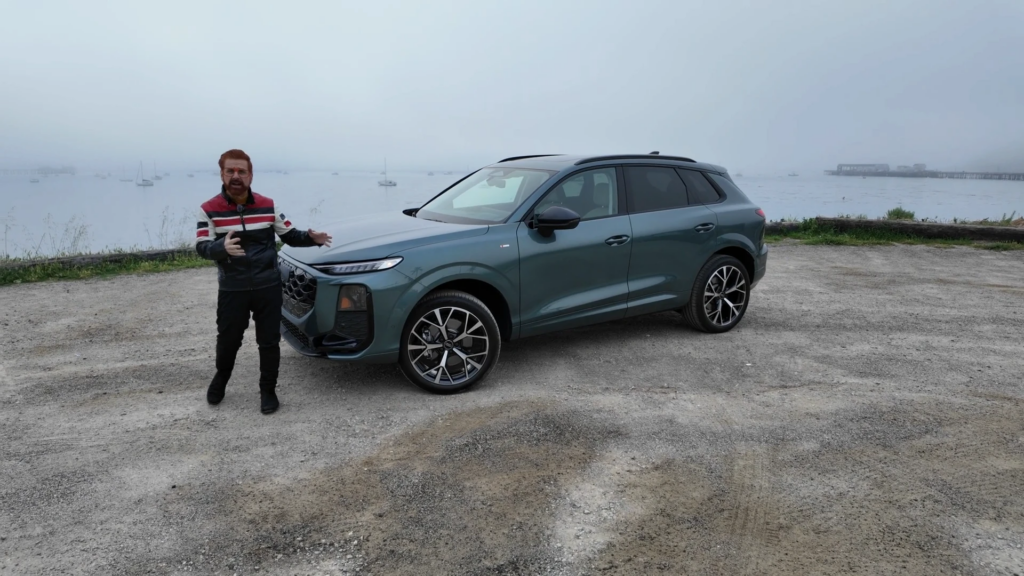
The compact luxury SUV segment is one of the most competitive corners of the automotive market. Buyers want the prestige of a premium badge, the practicality of an SUV, and enough technology to feel modern without becoming overwhelming.
That’s where the 2026 Audi Q3 quietly makes its case.
At first glance, the Q3 may appear to be another refresh in a crowded field, competing against vehicles like the BMW X1, Mercedes-Benz GLA, and Lexus UX. But Audi has taken a slightly different approach this time. Rather than chasing dramatic horsepower numbers or headline-grabbing gimmicks, the company focused on refining the small luxury SUV formula in ways that matter in everyday driving.
The result is a vehicle that feels more premium, more responsive, and more technologically cohesive than its predecessor.
A Design That Feels Confident, Not Flashy
Audi has always walked a careful line between design restraint and visual drama. The 2026 Q3 leans slightly toward the emotional side of that equation.
The exterior redesign is sharper and more sculpted, with more pronounced body lines and a broader stance that visually anchors the vehicle to the road. The familiar Audi grille remains the focal point of the front fascia, flanked by slimmer headlights and distinctive daytime running lights.
Lighting has become one of Audi’s signature technologies, and the Q3 continues that tradition. Buyers can choose from three different customizable LED daytime running light signatures, allowing owners to personalize the vehicle’s visual identity.
Around the back, optional digital OLED taillights add a futuristic touch. The illuminated Audi rings, which were once reserved for higher-end models, now come standard on the Q3, reinforcing the premium feel.
These details may seem small, but they help the Q3 stand out in parking lots filled with similar-looking crossovers.
Performance That Feels Quick Without Feeling Harsh
Under the hood, the 2026 Audi Q3 delivers a healthy boost in performance.
The turbocharged engine produces 255 horsepower and 273 pound-feet of torque. Those numbers translate into a 0–60 mph time of roughly 5.5 seconds, making it significantly quicker than the outgoing version.
Power is delivered through Audi’s seven-speed S tronic dual-clutch transmission, which shifts quickly and smoothly while maintaining the efficiency expected from a compact crossover.
Quattro all-wheel drive comes standard, providing confident traction in poor weather and helping the Q3 maintain composure in fast corners. Audi has also revised the suspension with a strengthened steel setup designed to balance ride comfort with sharper handling.
In real-world driving, the Q3 feels agile without becoming nervous. It’s quick enough to merge onto highways with authority yet remains comfortable during long highway stretches.
Technology That Actually Makes Driving Easier
Many modern vehicles overwhelm drivers with layers of screens and menus. Audi’s approach with the Q3 focuses on usability.
The centerpiece of the cabin is a 12.8-inch MMI touchscreen with a redesigned user interface. The layout is cleaner, menus are easier to navigate, and voice commands can now be handled by Audi’s AI-powered assistant.
Drivers can also opt for a head-up display that projects important information onto the windshield, allowing them to keep their eyes on the road.
Audi has also prioritized cabin refinement. Dual-pane acoustic glass reduces road and wind noise, helping the Q3 maintain a quiet, relaxed atmosphere during highway travel.
For music lovers, the optional SONOS premium sound system delivers an immersive listening experience that rivals home audio systems.
These upgrades reinforce the sense that the Q3 isn’t just about technology for its own sake. Instead, it’s about technology that improves the daily driving experience.
A Cabin Designed Around Real Life
The interior of the Q3 reflects Audi’s attention to detail and practicality.
Cargo space remains one of the vehicle’s strengths. The rear trunk offers 29 cubic feet of storage, expanding to roughly 50 cubic feet when the rear seats are folded.
Audi also made the second row more flexible. The seats can slide forward and backward and recline for improved passenger comfort, allowing owners to adjust the balance between cargo space and legroom.
Another thoughtful change involves the steering column controls. By relocating certain functions, Audi created additional storage space in the center console, giving drivers more room for phones, wallets, and everyday items.
Ambient LED lighting allows drivers to choose different interior color themes, while the 11.9-inch digital instrument cluster can display navigation maps directly in front of the driver.
The overall design feels clean, modern, and purposeful.
Driving Impressions: Balanced and Predictable
Behind the wheel, the Q3 behaves exactly how a premium compact SUV should.
Audi’s progressive steering system sharpens response at higher speeds while remaining easy to maneuver in tight urban spaces.
One of the most noticeable improvements appears when parking or making U-turns. The enhanced steering geometry allows the Q3 to achieve greater maneuverability at full steering lock, making tight spaces easier to navigate.
On winding roads, the vehicle feels planted and predictable. Quattro all-wheel drive continuously distributes torque to maintain grip, especially in wet or slippery conditions.
Drivers can also select different drive modes, with the balanced setting providing a mix of comfort and responsiveness suitable for everyday driving.
The end result is a vehicle that feels composed, controlled, and quietly capable.
Why the Compact Luxury SUV Market Matters
Compact luxury SUVs have become one of the most important segments in the automotive industry.
They offer the prestige of premium brands while remaining accessible to buyers who may not want a full-size luxury vehicle.
For manufacturers like Audi, BMW, and Mercedes-Benz, these vehicles serve as entry points into the brand. Many buyers who start with a compact luxury SUV eventually move into larger or more expensive models within the same lineup.
That makes vehicles like the Q3 strategically important.
Audi understands that reality and has refined the Q3 in ways that strengthen its position in the segment without dramatically increasing complexity or price.
The Quiet Evolution of the Q3
The 2026 Audi Q3 may not dominate headlines the way some high-performance models do, but it represents something arguably more valuable.
Consistency.
Audi has taken a successful formula and improved nearly every aspect of it. Performance is stronger, technology is easier to use, the cabin is more refined, and the design carries a stronger visual presence.
For buyers seeking a compact luxury SUV that blends everyday practicality with premium engineering, the Q3 remains one of the most balanced choices in the segment.
And sometimes, quiet improvements are exactly what drivers need.