Tip-Flation Surge: How Much Extra Are Tips Costing You?


Tipping has become a normal part of life in the United States. We tip at restaurants, hair salons, taxis, and even coffee shops. It’s so common that we often do it without thinking.
But have you ever wondered how much all these tips add up to over time? The answer might surprise you.
All those small tips can quickly become a big expense. It’s like a hidden cost that sneaks into our budgets without us noticing. You might be spending hundreds of dollars more each year than you realize, just on tips.
Today, we’ll take a closer look at tipping. We’ll learn where it came from, how it’s changed, and what it means for your wallet today. We’ll also talk about why we feel pressured to tip and how businesses might use this to their advantage.
By the end, you’ll understand how tipping affects your finances and how to make smarter decisions about when and how much to tip.
Salons and Spas

Tip your hairstylist 20% on the full service. Do the same for manicurists, 20% per nail tech. For massages, give 15-20%. For facials, give 18-20%.
Transportation

Limo drivers appreciate 10-20% of the fare. For taxis and ride-shares like Uber or Lyft, 15-20% is standard. Shuttle drivers usually get $2-3 for multiple passengers, more for personal shuttles.
Child Care

Babysitters get 15-20% of the total. Nannies or au pairs often receive a year-end bonus of 1-2 weeks’ pay.
Delivery

For food delivery, tip 15-20% or more of the order total. The same goes for grocery and alcohol delivery. For flower delivery, $2-5 is appropriate.
Hotels

Tip porters $2-3 per bag at regular hotels, or $5 per bag at fancy ones. For room service, add 10% if gratuity is included, or 20% if it’s not.
Housekeeping should get $3-5 per day for 1-3 people, or $10 per day for larger groups or at luxury hotels.
Moving

Movers get $10-40 per person as a rule. The cost depends on move time. These are basic ideas. Tip more for great work or less if not happy. Stay fair to the service you get. Think of your budget too.
The Psychological Pressure of Tipping
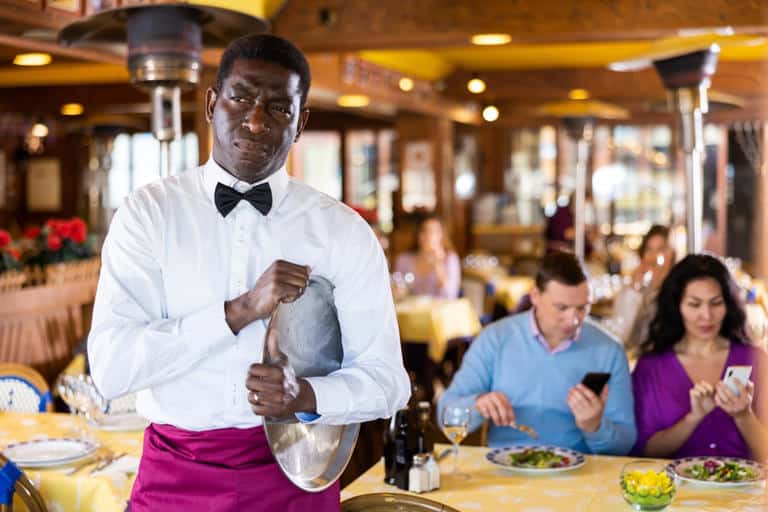
Tipping isn’t just about money, it also affects us emotionally and socially. Let’s talk about the mental side of tipping and how they influence our behavior.
Tipping Fatigue
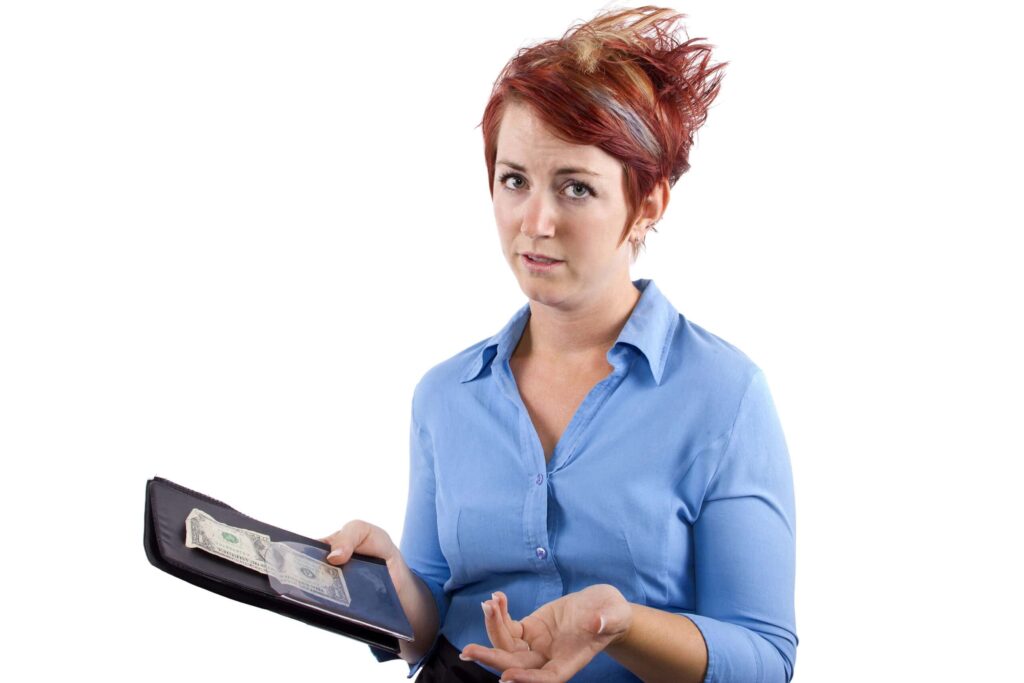
With more and more places asking for tips, many people are feeling what’s called “tipping fatigue.” This happens when you feel worn out by always being asked to tip, even for things that didn’t used to need a tip.
This fatigue can make people frustrated and sometimes even avoid certain businesses or services.
Tip Suggestions on Screens

New digital payment systems add tip pressure. Many businesses use screens with pre-set tip options that start at 20% or higher.
These amounts can push customers to tip more than planned, even when service was poor.
Social Pressure

Tipping often comes with a lot of social pressure. Many people feel they have to tip the suggested amount or more so they don’t look cheap or rude.
This social anxiety can lead to over-tipping, even when the service doesn’t meet expectations. It’s important to remember that tipping should reflect the quality of service received, not just social expectations.
Differences in Tipping Habits

Interestingly, tipping habits aren’t the same for everyone. Women tend to tip more often than men for most services. For example, 60% of women always tip their hair stylist, while only 46% of men do.
Age also plays a role in how people tip. Younger generations, like Millennials, often tip less than older generations, according to a recent poll.
These differences show how complex tipping is and how it’s affected by social and generational factors.
The Rise of Tipping Culture

Let’s begin with how tipping grew into a key part of American culture. The tale of tipping in the U.S. stays fun and points to shifts in our society over the years.
How Tipping Began

Tipping didn’t start in the United States. It originated in Europe and made its way across the Atlantic in the 19th century. Wealthy Americans who traveled to Europe brought the practice back home as a way to show off their worldly experiences and sophistication.
At first, it was seen as a symbol of class and generosity. Little did they know, this imported habit would soon become a big part of American life.
Changes Over Time

As the 20th century went on, tipping grew and turned common in the United States. It started at a small 10% and rose to 15-20% as the normal rate.
This change showed shifts in social rules and money needs for service workers. Tipping turned into a big part of pay for many workers, above all in food service.
Impact of the Pandemic

The COVID-19 pandemic pushed tipping even further. With many service workers facing increased health risks and economic uncertainty, there’s been a push for higher tip rates.
Some businesses now suggest tips as high as 25-28%. This trend has put additional pressure on consumers to give more when tipping.
Tipping Today

Recent studies reveal interesting trends in tipping habits. A 2023 survey found that about 65% of U.S. adults always tip their server at sit-down restaurants, and 42% usually tip at least 20%.
But there’s been a small drop in how often people tip. In 2019, 77% of people always tipped at restaurants, but this number dropped to 75% in 2021 and 73% in 2022.
These figures hint at changes in tipping habits, possibly influenced by economic factors and shifting attitudes towards tipping norms.
The True Cost of Tipping

Now that we know how tipping changed, let’s see what it costs us. You might be shocked at how those small tips grow when you see the full amount.
Tipping After Taxes
One often overlooked aspect of tipping is that it’s usually calculated based on the total bill, including taxes. This means you’re not just tipping on your meal or service, but also on the tax amount.
Over time, this can add up to a significant amount of money that you might not have accounted for in your budget.
Double Tipping?

Another hidden cost comes in the form of automatic service charges. Some establishments now include these charges on your bill, but then still present you with an option to leave an additional tip.
If you’re not paying attention, you might end up tipping twice without realizing it. Always check your bill carefully to avoid this costly mistake.
Adding It All Up

To understand the true impact of tipping on your finances, let’s look at the big picture. The average American spends about $2,500 a year on dining out. If you’re tipping 20% on these meals, you’re adding an extra $500 to your yearly spending just in tips!
That’s a big chunk of money that could go towards savings, paying off debt, or other financial goals.
How Much to Tip

Knowing how much to tip can be tricky. Here’s a helpful guide based on The Latest Rules Of Tipping from Bankrate.
Remember, these are guidelines, and you can adjust based on the quality of service and your personal situation. It’s also okay to say no to tipping if it’s not required or if it doesn’t fit your budget.
Restaurants

At sit-down restaurants, tip 15-20% of the bill before tax. For bartenders, give $1 per beer or wine and $2 per cocktail. At open bars, tip at least $1 per drink.
Tips are not needed at fast-food spots. This change matters. It can save you cash on quick meals.
Tip Wisely

Tipping now costs a lot for many people, and it can top the price of the service. Hidden tipping costs add up fast and hit your total spending.
Tipping is common, but the amount you give must fit the service quality and your budget. Knowing these costs helps you control your money.
Tipping ways change over time, and smart info lets you spend on it well.
 If you like what you just read, then subscribe to my newsletter.