22 Everyday Behaviors Seen as Normal Abroad but Unusual to Americans


Moments of surprise or even shock can happen while traveling abroad. Some actions that feel polite and normal at home can seem very different in other cultures. Many Americans find that things seen as rude in the U.S. are actually okay in other places. Getting used to these differences can lead to some very interesting travel experiences.
A new study shows that learning to live in a new culture is still hard for many people. What we think is polite or rude changes a lot from country to country.
Not knowing these cultural habits can cause uncomfortable moments that stay with you after the trip. In this article, we will look at behaviors Americans often think are rude but are usual in other countries.
What customs surprised you the most when you traveled? Share your thoughts in the comments or keep reading for some eye-opening examples!
Public Displays of Affection

Public displays of affection (PDA) have some rules in the U.S., changing by place and situation. In countries like France, Italy, or Argentina, showing love openly is normal. Couples kissing, holding hands, or being close in public happens often and nobody minds.
Americans, especially in stricter places, may feel too much PDA is awkward or not right. Yet in those other countries, it is a normal part of life, and people usually don’t pay much attention. It is just one way cultures are different.
Loud Conversations

In countries like Italy or Spain, conversations often occur at a higher volume, especially in social settings. This liveliness is seen as a sign of passion and engagement in the discussion. In contrast, Americans may interpret loud talking, especially in public places, as rude or disruptive.
The louder volume is simply part of the culture in these places, and people are not concerned about keeping their voices down in cafes or restaurants. For Americans, adjusting to this cultural norm can be challenging, especially if they are used to quieter public environments.
Bargaining in Markets

Bargaining over prices in markets is normal in many places, including countries like India, Egypt, and Morocco. Haggling is part of shopping, and sellers expect it.
People from the United States, where prices are fixed in stores, often feel uneasy or shy when asked to bargain. In these countries, haggling is not seen as rude or cheap.
It is a way to show you care and want to take part in the deal. Americans visiting other countries may need to change their way of thinking and know that bargaining is part of the local habits.
Not Tipping Service Workers

Tipping is almost a requirement in the U.S., where service workers rely heavily on tips to supplement their wages. In countries like Japan, tipping can be seen as rude. In Japan, service workers take pride in doing their jobs well.
And tipping can imply that they need extra motivation or that the service was somehow lacking. Instead of tipping, people in these countries may express their gratitude verbally or through a simple gesture of thanks.
For Americans, this can be confusing and sometimes uncomfortable, as tipping is so ingrained in their culture. Understanding that in other places, service is already considered to be included in the price, can help travelers avoid awkward situations.
Slurping Food

In the U.S., making slurping sounds when eating noodles or soup is usually seen as rude. In places like Japan and China, slurping is okay and can even mean you like the food.
Slurping noodles helps cool the food and also shows respect to the cook for making a good meal. For Americans, hearing loud slurping in public might feel unusual at first.
Still, in many Asian regions, this is normal and liked. It means you are enjoying your food, which is a good thing in these cultures.
Open Criticism and Feedback

In countries like Israel and Russia, giving feedback or criticism, even in public, is often done openly. It is not uncommon for people to directly point out mistakes or express dissatisfaction in a straightforward manner.
Americans, who tend to cushion negative feedback or offer it in private, might find this uncomfortable or embarrassing. Open criticism in these cultures is not intended to insult or demean but is seen as a necessary part of improving and being honest.
People are expected to take it in stride and not take it personally. It’s a form of transparency that values truth over tact.
Bluntness About Personal Appearance

In countries like South Korea or Brazil, people might openly talk about someone’s looks, weight, or skin color without trying to upset them. These talks are often meant as simple remarks or even praise.
In the U.S., these kinds of comments are usually seen as rude because people prefer to keep personal appearance private. The direct way people speak in these cultures shows they are more relaxed about talking about personal traits.
While Americans may feel these comments are impolite, in those countries, they are not meant to hurt feelings but are just a normal part of daily talk.
Eating with Your Hands
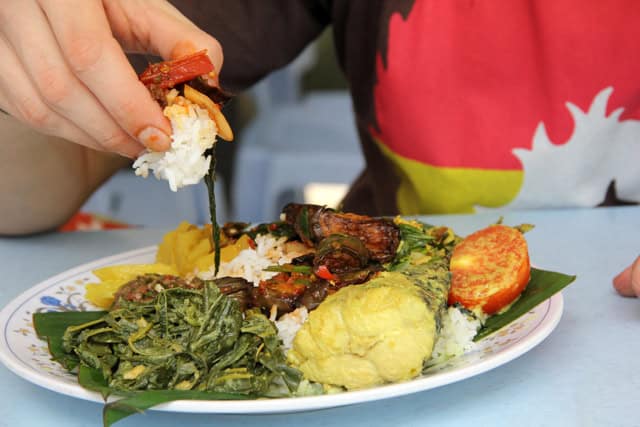
In many parts of the world, eating with your hands is customary and perfectly acceptable. Countries like India, Ethiopia, and parts of the Middle East have long traditions of using hands to eat, especially when it comes to certain dishes like flatbreads or rice.
Americans, who are more accustomed to using utensils for most meals, might feel uncomfortable or even find it unsanitary. Although, in these cultures, eating with hands is considered a respectful way to connect with the food.
It’s not about being unhygienic but about honoring tradition.
Sharing Food

In the U.S., people usually order meals just for themselves at restaurants, and sharing is not common. In some countries like China or Korea, sharing food is usual, and people often eat from common dishes that everyone takes from.
Americans might feel this is strange or uncomfortable at first, but in these places, sharing food helps build close bonds and shows kindness. It shows a more group-based way of eating, where being together is more important than eating alone.
 If you like what you are reading, then click like and subscribe to my newsletter. We share tips to waste less time and money.
Arriving Late to Social Events

In many Latin American and Mediterranean countries, arriving late to social gatherings is normal. Punctuality is not seen as essential, and people often arrive fashionably late without causing offense.
In contrast, Americans typically value promptness and may find lateness disrespectful. The relaxed attitude toward time in these regions reflects a more laid-back approach to socializing.
People view events as an opportunity to spend time together, not something bound by strict schedules. Americans may feel unsettled by this casual approach, but for locals, it is just part of the experience.
Interrupting During Conversations

In countries such as Italy or Argentina, cutting in while talking is not seen as rude. It shows interest and active participation in the talk. In the U.S., on the other hand, cutting in is often seen as disrespectful and a sign of not listening well.
In these cultures, talks are energetic, and interruptions are signs of paying attention. The back-and-forth style is liked more than strict taking turns. This may be hard for Americans, who are used to more organized talks, but in these places, interrupting is part of the conversation.
If you like what you are reading, then click like and subscribe to my newsletter. We share tips to waste less time and money.
Gesturing with Hands

Most experts agree that 70 to 93 percent of all communication is nonverbal. Gesturing with hands while talking is common in countries like Italy or Greece. It adds expression to conversations and helps emphasize points.
In the U.S., excessive hand movements can be distracting or even interpreted as aggressive. For Italians and Greeks, hand gestures are natural extensions of communication. They believe it adds passion and clarity to their words.
Americans, who tend to be more reserved with their body language, might find this overwhelming, but for these cultures, it’s just another way to communicate effectively.
Avoiding Eye Contact

In some cultures, such as Japan or some African countries, avoiding direct eye contact is seen as a sign of respect, especially with elders or authority figures. In the U.S., avoiding eye contact can be perceived as being dishonest or disinterested.
Americans may feel that people who avoid eye contact are being evasive, but in these cultures, it’s a gesture of humility and deference. Learning to interpret these cultural cues correctly can prevent misunderstandings.
Eating Slowly and Leisurely

In places like France or Italy, meals are meant to be enjoyed slowly. People spend a lot of time eating, often sitting at the table for hours. In the U.S., eating fast and moving on to the next thing is more usual, especially at lunchtime.
For Americans, the slow way of eating in these countries might seem like a waste of time or too much luxury, but it is a big part of the culture. Meals are social times to be shared with family and friends, not just a quick way to eat and go.
Asking Personal Questions

In countries like India or Italy, it’s common for people to ask personal questions, even in casual conversations. They might inquire about your job, family, or even salary. In the U.S., these topics are often considered private, and discussing them with strangers can feel invasive.
In these countries, such questions are seen as a way of getting to know someone better and building a connection. For Americans, it can take some adjustment to understand that these inquiries are not intended to pry but are part of a more open conversational style.
Being Very Close While Talking

In many Middle Eastern and Latin American cultures, people stand very near when talking. Being close shows kindness and paying attention. In the U.S., this can feel like a break of personal space, which may make people feel uneasy.
Standing close in talks in these areas shows how much they care about closeness. People see it as a sign of friendship and trust. Americans might feel strange at first, but learning about this habit can help them feel better when meeting others in these places.
Addressing People by Their First Names

In many European and Asian countries, addressing someone by their first name, especially in formal settings, is uncommon. People use titles and last names out of respect. In contrast, Americans are used to informality, often using first names quickly after meeting someone.
The use of titles in these cultures reflects a respect for hierarchy and social roles. Calling someone by their last name maintains professionalism and distance, which is valued in formal interactions.
Americans, with their more casual approach, may find this too formal, but for locals, it’s a way to show respect.
Public Drinking

In countries such as France and Spain, having alcohol in public spots like parks is normal and allowed. People often drink wine or beer outside while socializing. In the U.S., drinking in public is usually not allowed, and it can lead to fines or trouble with the law.
The easygoing view on drinking in public shows a cultural acceptance of alcohol in daily life. It is not seen as a problem but as a usual habit. Americans, used to tougher rules, might find this surprising, but for those living there, it is just a way to relax.
Refusing Gifts Multiple Times

In some East Asian countries, particularly in Japan or China, when someone offers a gift, it’s polite to refuse at least once or twice before accepting it. This shows humility and not wanting to seem greedy. In the U.S., refusing a gift more than once can be seen as confusing or even rude.
The act of offering and refusing gifts in these cultures is part of a respectful exchange. It demonstrates modesty and consideration for the giver.
Americans, who tend to accept gifts immediately as a sign of gratitude, might find this custom puzzling, but it holds deep cultural significance.
Silence in Conversations

In countries such as Finland or Japan, quiet pauses during talks are not seen as strange. They are viewed as a normal part of talking and show that someone is thinking carefully. In the U.S., long pauses in a talk can feel strange, and people try to quickly fill the silence.
In these cultures, quiet moments are seen as respectful and show careful thought. They give time to think, showing the person is paying attention. Americans, who often prefer nonstop chatting, might feel uncomfortable, but in these places, silence is simply another way to share ideas.
Eating Dinner Late

In countries like Spain or Argentina, dinner is typically served much later than in the U.S. People often sit down for dinner around 9 or 10 p.m. In the U.S., dinner is usually much earlier, between 5 and 7 p.m., and eating late can feel unusual.
This later dinner time reflects a cultural rhythm where the day unfolds more slowly. People often have long lunches and then spend the evening relaxing before dinner. For Americans, adjusting to such a late dinner schedule may take time, but it’s a key part of social life in these countries.
Talking About Money

In some cultures, especially in places like China or Switzerland, talking about money openly is normal and not rude. People often ask about income or prices without feeling shy. In the U.S., money is a private subject, and asking about it can seem nosey.
In those cultures, these talks are viewed as simple and clear, not as digging for private details. Money is just a topic like any other, with little emotion tied to it. For Americans, this openness might seem wrong, but it is a usual part of everyday talk in other countries.
Embracing Cultural Differences

Cultural rules affect how we see daily actions. Knowing these differences makes your travel better. Some things might seem rude or strange to Americans. Seeing these actions helps you be more patient and kind.
When you travel to other countries, accept these differences instead of judging. They make the world more interesting and unique. Having an open mind in these times makes your trip richer and helps you connect with other cultures.
If you like what you just read, then subscribe to my newsletter.
- No Thanks! 19 Reasons Younger People Are Choosing to Avoid Work
- Lost to the Digital Age: 36 Things People Did Before Technology Took Over
AI was used for light editing, formatting, and readability. But a human (me!) wrote and edited this.