24 Brain-Boosting Foods to Help You Think Faster and Focus Better


Have you noticed how some foods can affect your memory and focus? In a busy world full of distractions, keeping your brain healthy is more important than ever.
What if you could improve how your brain works just by eating smarter? Research shows the foods we choose play a big role in keeping our minds sharp and our memories strong.
For example, eating fatty fish like salmon regularly is linked to better brain health and a lower risk of Alzheimer’s disease. In this article, we’ll share 25 of the best brain-boosting foods, explaining how they help and why they’re important for your mind.
Ready to give your brain a boost? Keep reading, and you might discover your new favorite brain-healthy snack!
Avocados

Avocados are packed with healthy fats that help blood flow, which is important for brain function. They also have vitamin K and folate, which help prevent blood clots in the brain, protecting against stroke and supporting overall brain health.
They are also full of antioxidants, which fight harmful free radicals that can cause aging and memory decline. Eating avocados regularly can boost brain health by improving memory, mental sharpness, and overall cognitive function.
Whole Grains

Whole grains like oatmeal, barley, and quinoa provide glucose, the brain’s primary source of energy. Whole grains release glucose slowly into the bloodstream, providing a steady supply of energy throughout the day. This helps maintain focus, concentration, and mental clarity.
Including whole grains in your diet ensures that your brain gets a consistent supply of fuel, helping to maintain cognitive function and support memory.
Sage

Sage has been traditionally used to enhance memory and cognitive function. Research shows that sage contains compounds that may inhibit the breakdown of acetylcholine, a neurotransmitter that is crucial for memory and learning. This herb can improve mental clarity and overall brain performance.
Be it added to meals or taken as a supplement, sage can be a valuable addition to your brain-boosting regimen.
 If you like what you are reading, then click like and subscribe to my newsletter. We share tips to waste less time and money.
Beets
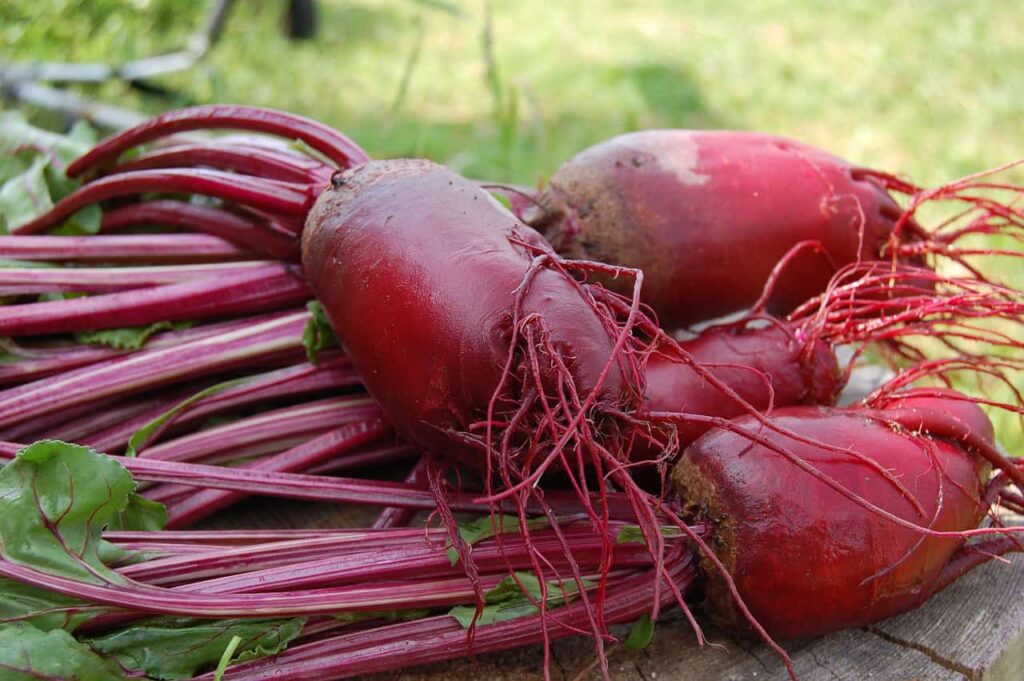
Beets are full of nitrates, which help increase blood flow to the brain, supporting sharper thinking and better focus. Nitrates help blood vessels widen, letting more oxygen-rich blood reach brain cells.
This improves mental performance, especially during tasks that need attention and concentration. More blood flow to the brain can also help protect against memory loss over time.
The deep color of beets comes from betalains, strong antioxidants that reduce inflammation and oxidative stress, both linked to aging and lower brain function.
Apples

Apples are an easy and accessible way to support brain health. Rich in quercetin, a potent antioxidant, apples help protect brain cells against oxidative damage.
This protection is vital for reducing cellular aging in the brain, which can otherwise lead to memory impairment and cognitive issues. The fiber in apples also helps regulate blood sugar levels, ensuring a steady supply of energy to the brain.
By keeping energy levels stable, apples contribute to sustained mental performance throughout the day.
Lentils
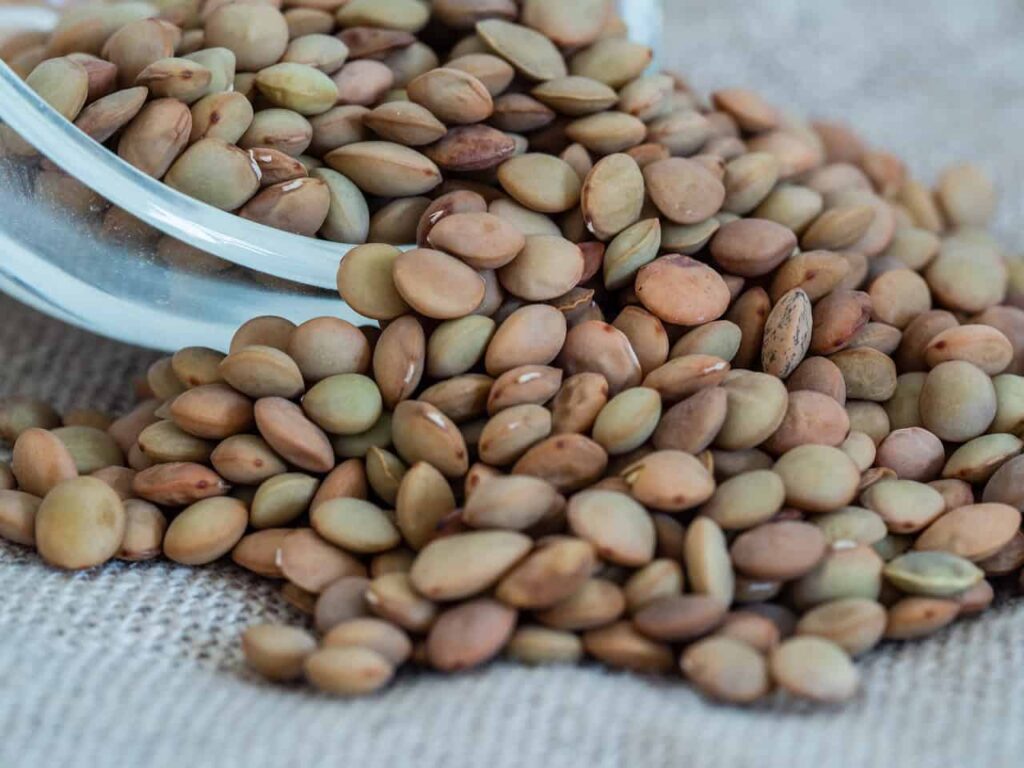
Lentils are full of folate and iron, which help support healthy brain function. Folate is key for making neurotransmitters, the chemicals that let brain cells communicate.
Having enough folate is linked to better memory, alertness, and mood control. The iron in lentils helps carry oxygen to the brain, which is important for clear thinking and focus.
Eating lentils regularly gives your brain the nutrients it needs to work well and helps prevent mental tiredness.
Ginkgo Biloba

Ginkgo biloba, an ancient herb used in traditional medicine, has been shown to enhance memory and cognitive function by improving blood circulation in the brain. Increased circulation allows the brain to receive more oxygen and nutrients, supporting overall mental performance.
On top of better blood flow, ginkgo biloba contains powerful antioxidants that help protect the brain against oxidative stress. Regular supplementation with ginkgo biloba can promote mental clarity and sharper memory, making it a popular choice for brain health.
Pomegranates

Pomegranates are full of polyphenols, antioxidants that help keep the brain healthy. These compounds reduce inflammation and fight damage caused by free radicals, both of which can affect thinking over time.
Polyphenols can also improve memory and learning by supporting how brain cells communicate. Eating pomegranate seeds or drinking the juice regularly may protect the brain from age-related decline and boost mental sharpness.
Their bright red color shows their strong antioxidant content, making pomegranates a great choice for a brain-healthy diet.
Hemp Seeds
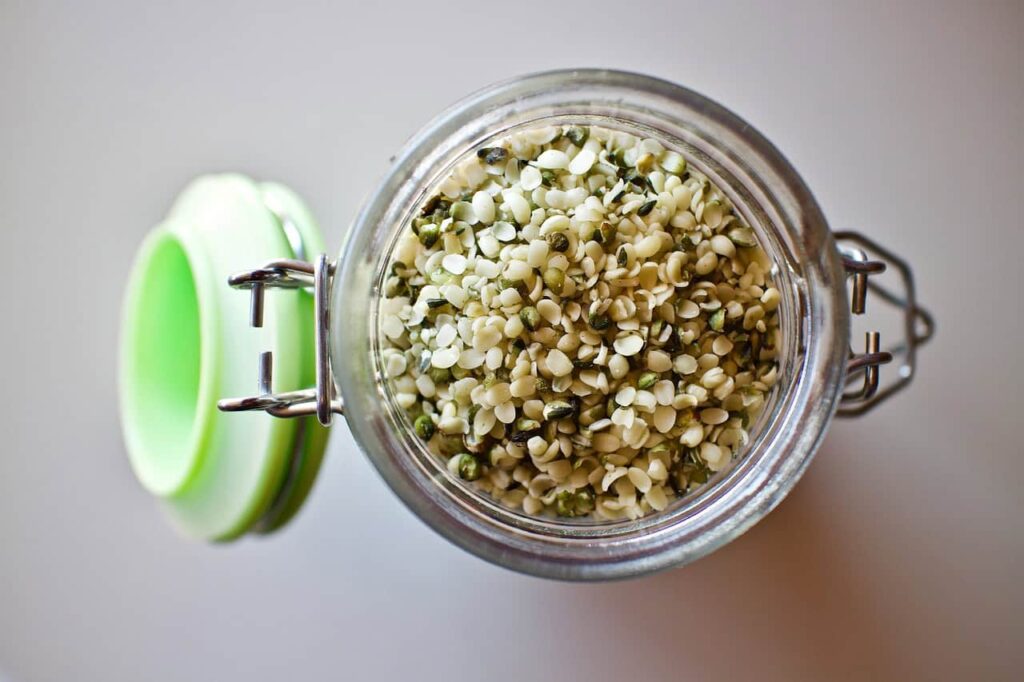
Hemp seeds are loaded with brain-friendly nutrients like magnesium, omega-3 fatty acids, and plant-based protein. Magnesium plays a key role in regulating neurotransmitters, which are crucial for cognitive processes such as memory and focus.
Omega-3 fatty acids in hemp seeds further support brain cell health and connectivity. The rich nutrient profile of hemp seeds can improve cognitive function by promoting healthy blood flow to the brain and reducing inflammation.
Incorporating hemp seeds into your meals provides long-term benefits for mental clarity and focus.
Bone Broth

Bone broth has gained popularity for its numerous health benefits, including its ability to boost brain function. It is rich in collagen, amino acids, and minerals, all of which support cognitive health.
Collagen helps strengthen the protective barrier around the brain, while amino acids like glycine and proline support the production of neurotransmitters.
The gut-brain connection is also supported by bone broth, as it aids in maintaining a healthy digestive system, which is linked to improved mood and cognitive function. Regular consumption of bone broth can enhance memory, mental clarity, and overall brain performance.
Black Beans
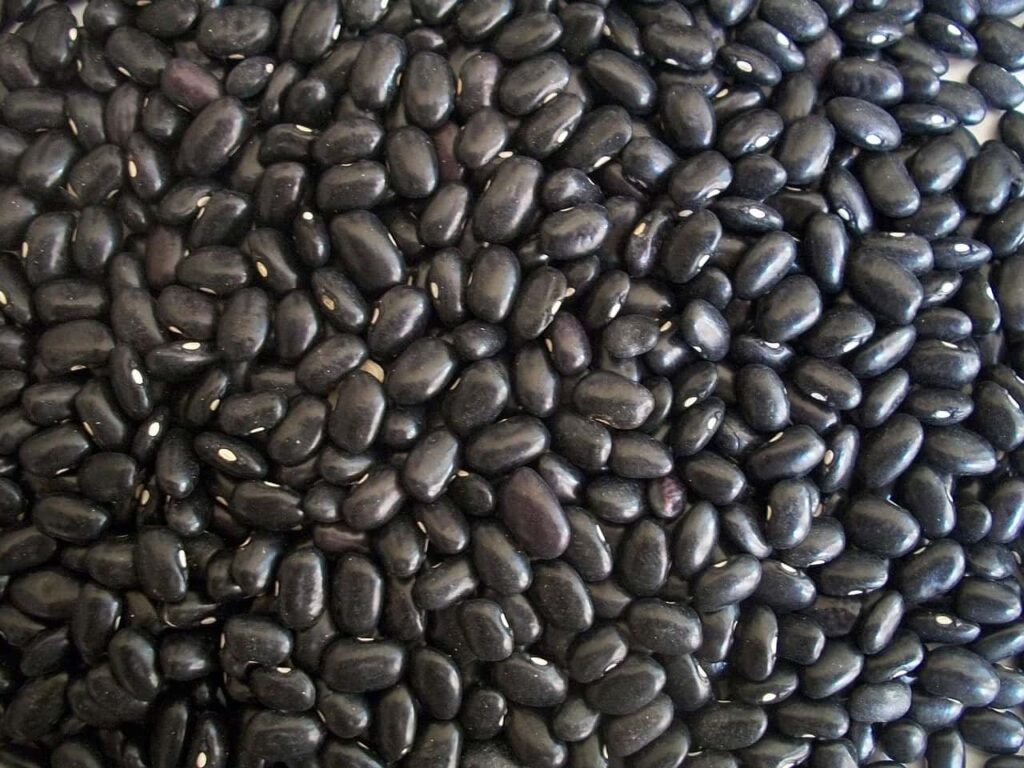
Black beans are a great source of complex carbohydrates, giving a slow and steady supply of glucose, the brain’s main energy source. Unlike sugary foods that cause quick spikes and drops, black beans help maintain mental energy all day. This steady fuel supports focus, concentration, and brain endurance.
In addition, black beans are rich in antioxidants that protect brain cells from damage. These nutrients help keep the brain working well as you get older, making black beans a smart choice for lasting brain health.
Rosemary
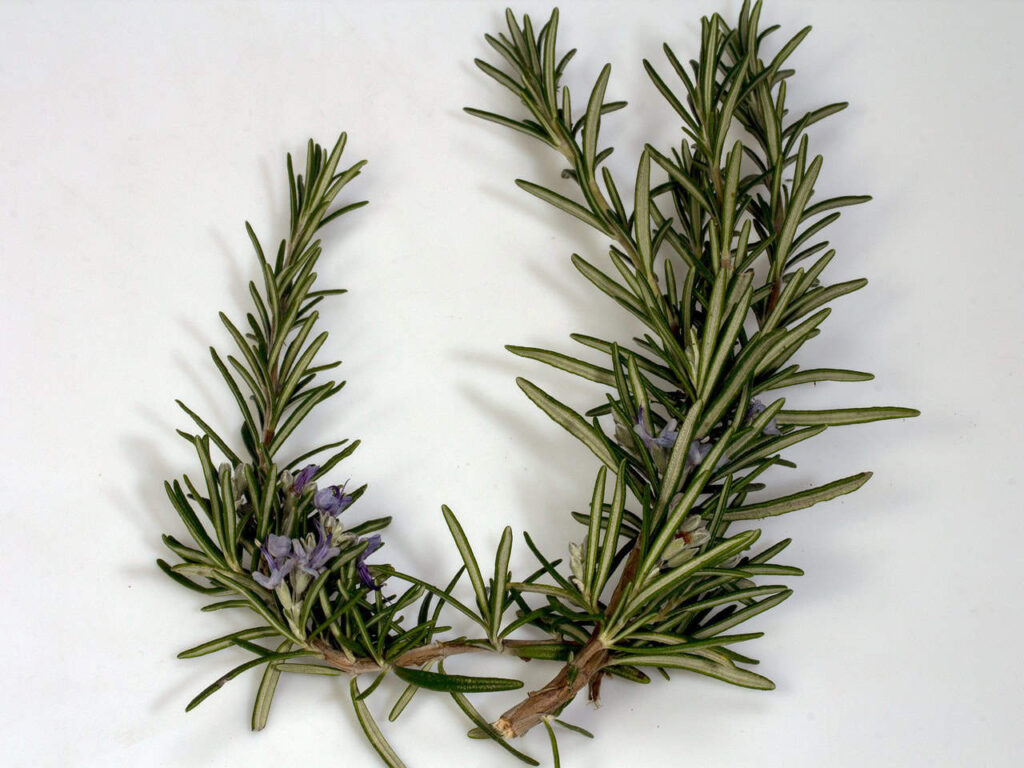
Rosemary, a fragrant herb, has been associated with improved memory and concentration. Its active compounds, particularly carnosic acid, help protect the brain against free radicals and inflammation.
By reducing oxidative stress, rosemary promotes healthy brain cell function and may enhance memory retention. Incorporating rosemary into your cooking or using it as an essential oil can stimulate mental alertness.
The aroma of rosemary has even been shown to improve cognitive performance, making it a valuable tool for supporting memory and focus.
Sunflower Seeds
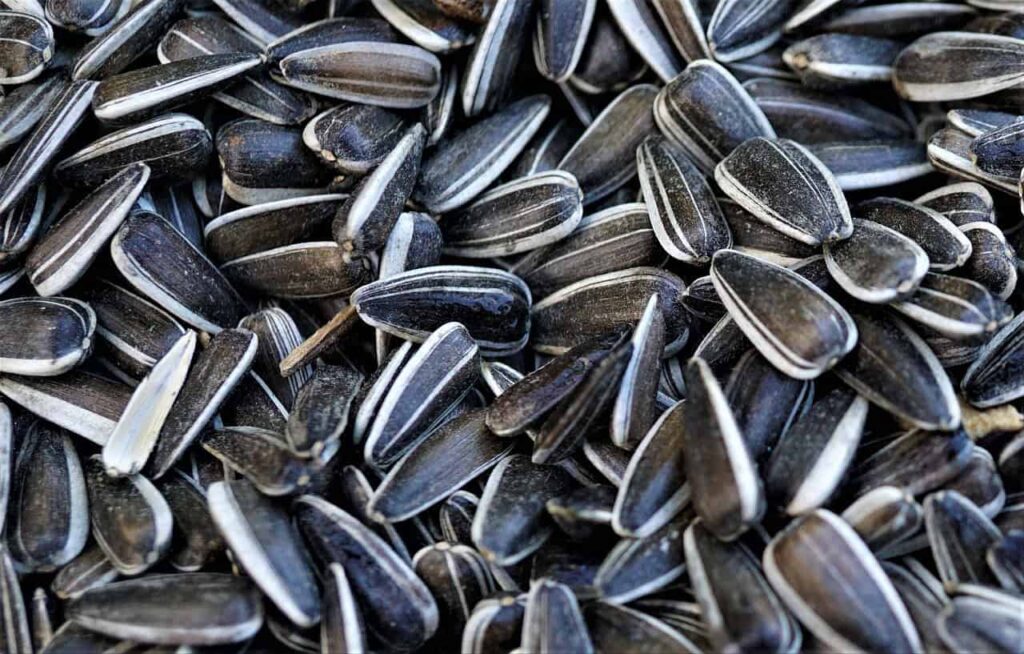
Sunflower seeds are a nutrient-dense snack that can benefit brain health in several ways. They are rich in vitamin E, an antioxidant that helps protect brain cells against oxidative damage.
This protection is particularly important in preventing cognitive decline as we age. Vitamin E has been linked to better memory and mental clarity in older adults.
Along with vitamin E, sunflower seeds contain thiamine (vitamin B1), which is crucial for nerve function and energy metabolism in the brain. Snacking on sunflower seeds regularly can provide your brain with the support it needs to stay sharp and focused.
Fatty Fish

Fatty fish, such as salmon, trout, and sardines, are rich sources of omega-3 fatty acids, which are essential for brain health. Omega-3s help build brain and nerve cells, playing a vital role in memory and overall cognitive function.
Regular consumption of fatty fish has been linked to reduced mental decline as you age, and even lower risks of developing Alzheimer’s disease. The brain itself is composed largely of fat, and feeding it healthy fats can maintain its structural integrity.
Besides improving memory, omega-3s also help with mental clarity and mood regulation. Deficiencies in omega-3s have been associated with learning impairments and depression. Including fatty fish in your diet can therefore provide a multi-faceted benefit to your brain.
Blueberries
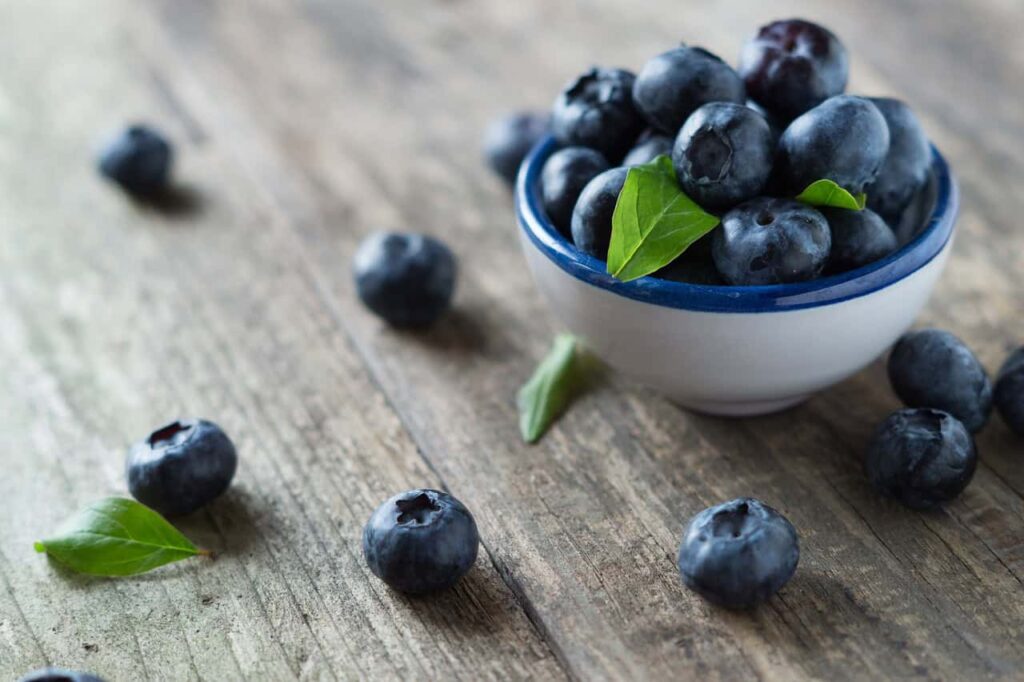
Blueberries are often labeled as a superfood, and for good reason. They are packed with antioxidants, particularly flavonoids, which are known to improve communication between brain cells and reduce inflammation.
This reduction in oxidative stress helps protect the brain against aging and neurodegenerative diseases. Studies have shown that eating blueberries can enhance memory and delay brain aging.
The flavonoids in blueberries are believed to interact with various areas of the brain that control cognitive processes, such as memory and learning. Regularly including blueberries in your diet can lead to noticeable improvements in memory, making them a powerful tool for brain health.
Turmeric

Turmeric, a bright yellow spice commonly used in curry, has been heralded for its anti-inflammatory and antioxidant properties, largely due to the presence of curcumin. Curcumin has been shown to cross the blood-brain barrier, meaning it can directly affect the brain and benefit memory and cognitive function.
Research indicates that turmeric boosts the production of brain-derived neurotrophic factor (BDNF), which helps with the growth of new brain cells.
Also, turmeric may help improve mood and reduce the symptoms of depression, further supporting brain health. Including turmeric in meals or taking curcumin supplements can offer a range of benefits for cognitive enhancement.
Broccoli

Broccoli is full of important nutrients and also supports brain health. It is high in antioxidants and vitamin K, which is needed to make sphingolipids, a type of fat found in brain cells.
Getting enough vitamin K is linked to better memory and thinking skills. Broccoli also has compounds that reduce inflammation and protect the brain from damage.
Including broccoli in your diet can help boost memory and keep your mind sharp. Eating cruciferous vegetables like broccoli regularly helps the brain work well as you get older.
Pumpkin Seeds
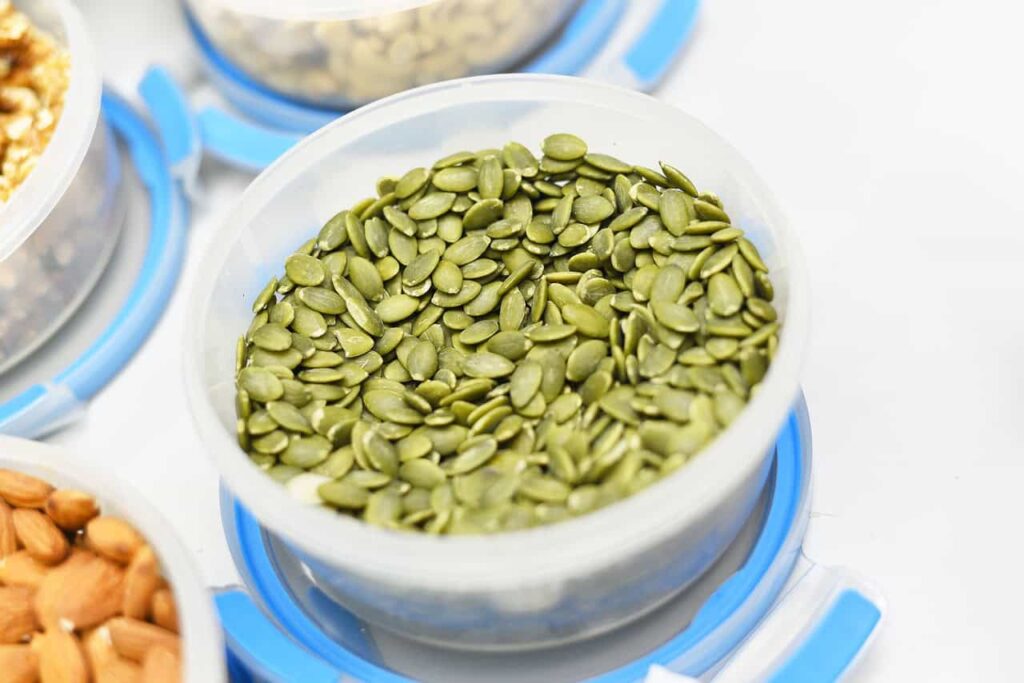
Pumpkin seeds are rich in essential nutrients like magnesium, iron, zinc, and copper, which play significant roles in brain health. Zinc is crucial for nerve signaling, and its deficiency has been linked to neurological conditions like Alzheimer’s and depression.
Magnesium is important for learning and memory, while copper controls nerve signals, and iron helps prevent brain fog and cognitive decline.
These tiny seeds are an excellent snack that can provide your brain with the fuel it needs to function at its best. Including a handful of pumpkin seeds in your daily diet can enhance cognitive health.
Dark Chocolate

Dark chocolate is not only a delicious treat but also an excellent brain booster. Rich in flavonoids, caffeine, and antioxidants, dark chocolate has been shown to enhance memory, improve focus, and stimulate the production of endorphins, the body’s natural mood enhancers.
The flavonoids in dark chocolate gather in areas of the brain that deal with learning and memory, particularly the hippocampus.
Nutrition experts say that consuming dark chocolate regularly can help improve cognitive function, especially in tasks that involve memory recall. Choosing high-quality dark chocolate with at least 70% cocoa content will provide the best results for brain health.
Nuts

Nuts, especially walnuts, are great for supporting brain health. They are packed with healthy fats, antioxidants, and vitamin E, all of which help the brain work better.
Vitamin E protects brain cells from damage, which can slow memory loss as you get older. Walnuts also have omega-3 fatty acids, which support memory and thinking skills.
Eating a small handful of nuts each day is linked to better memory and mental performance. Adding different kinds of nuts to your diet can help keep your brain sharp and healthy over time.
Oranges

Oranges are a rich source of vitamin C, which is key in preventing cognitive decline. Vitamin C is a powerful antioxidant that fights off free radicals, protecting brain cells from oxidative damage.
This nutrient is crucial for maintaining overall brain health and improving memory. High vitamin C intake has been linked to improvements in memory, attention span, and cognitive function.
Consuming just one medium-sized orange a day can meet your body’s daily vitamin C requirement, making it an easy and delicious way to support brain health.
Eggs

Eggs are a rich source of several brain-boosting nutrients, including B vitamins (B6, B12, and folic acid), choline, and lutein.
Choline, in particular, is essential for the production of acetylcholine, a neurotransmitter that regulates mood and memory. Studies have linked higher choline intake with better memory and mental function.
The B vitamins in eggs also play a critical role in slowing cognitive decline and reducing the risk of mental deterioration in older adults. Incorporating eggs into your diet can help support memory and brain function.
Green Tea

Green tea is known for its myriad health benefits, including its positive effects on brain function. It contains both caffeine and L-theanine, which together improve brain performance. While caffeine increases alertness, L-theanine promotes relaxation and mental clarity.
This combination creates a balanced state of focus and calm, making green tea a great drink for those who need to stay mentally sharp without feeling jittery.
Green tea also contains antioxidants that protect the brain from aging and support healthy brain cells. Regular consumption of green tea has been linked to improved memory, focus, and cognitive function.
Spinach

Spinach and other leafy greens are full of lutein, folate, beta carotene, and vitamin K, nutrients that can help slow down memory loss. They support the brain by lowering inflammation and helping new brain cells grow. Lutein, especially, protects the brain by keeping cell membranes healthy.
Eating spinach often can improve memory and overall brain health. Adding a serving of spinach to your meals is an easy way to strengthen brain function.
The Gut-Brain Connection

The connection between what you eat and how your brain performs is undeniable. By incorporating these 25 nutrient-packed foods into your diet, you’re not only giving your brain the fuel it needs to function but also actively protecting it from age-related decline.
Starting with fatty fish rich in omega-3s to antioxidant-packed blueberries, every bite counts. So, why not start today?
Begin adding a few of these powerful foods to your meals and see the difference they can make in your focus, memory, and mental sharpness. Your future self will thank you for it!
If you like what you just read, then subscribe to my newsletter and follow us on YouTube.
- If You Are Over 50, You Should Stop Eating These 19 Foods (Even If They Are Delicious)
- Upgrade Tonight’s Dinner: Try One of These Easy Bread Recipes
- Meal Prep Made Easy: 21 Delicious Pasta Salads to Make Ahead
- 18 Grocery Items You Can Easily Make at Home (And Save Big!)
- Stop Throwing Away Food! 12 Favorites That Spoil Quickly and How to Save Them
AI was used for light editing, formatting, and readability. But a human (me!) wrote and edited this.