25 Fun and Smart Ways to Teach Kids About Money


Teaching kids about money is one of the most important skills to pass on. It shapes how they save, spend, and make money choices throughout life. I’ve spent a lot of time thinking about how to give my own kids these important skills.
Having worked in financial services as a Chartered Financial Analyst before retiring at 42, I’ve seen how early money lessons can shape future success. The goal is to give kids a strong base, helping them see that money is earned, used wisely, and saved for later.
These lessons are not just about small amounts of cash. They build confidence, self-control, and careful choices that last a lifetime. Simple moments, like running a lemonade stand or talking about why some toys are not bought, can lead to meaningful talks.
I’ve put together 25 practical ways to teach kids about money in clear and fun ways. These ideas cover saving, budgeting, and learning about taxes and ads, all made to be useful and easy to follow.
If you want a more in-depth look at this topic, I created What To Teach Kids About Money: An Expert Weighs In to guide you further.
Introduce Money Early with Simple Concepts

Young children can start learning about money once they know numbers and shapes. Show them coins and bills, explaining their value and how they are used to buy things. Use small everyday activities, like buying candy or toys, to let them handle money and count change.
This hands-on practice helps them get familiar with money and shows it is needed to buy things. Keep explanations simple, focusing on ideas like “you need enough coins to buy what you want.”
It’s also helpful to talk about how people earn money through work, so they can link jobs to income.
Explain That Things Aren’t Free

Children may think purchases are free when they see adults swipe credit cards instead of handing over cash. Take time to explain how credit cards work, that the money comes out of an account, and the bill must be paid later.
Reviewing statements together can reinforce this concept and introduce the idea of managing credit responsibly. Show them how failing to pay can lead to debt, which costs more money over time. It’s an important lesson that prevents misconceptions about credit cards as “free money.”
Talk About Taxes and Where They Go

Taxes are often invisible to kids, but they are an important part of learning about money. Use part of their allowance to show how taxes work by setting aside a small percent for “public services.” Explain that tax money pays for schools, parks, roads, and other community needs.
Help them see that while taxes reduce the money they keep, they support things everyone uses. You can even let them help decide where their “tax money” goes, making the lesson more hands-on.
This gives kids an early understanding of adult money responsibilities.
Introduce the Idea of Investments
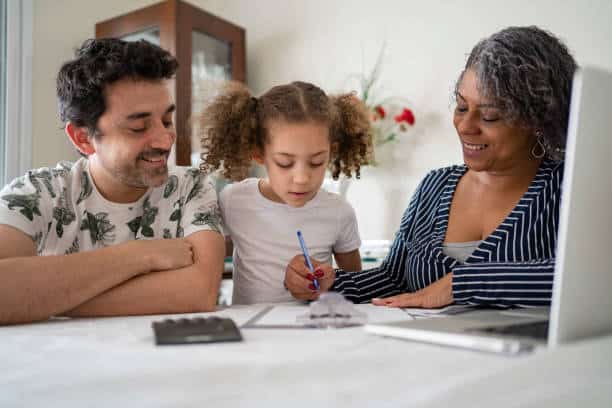
As kids grow older, introduce them to the concept of investing and how it helps money grow over time. Use simple examples, like explaining how a lemonade stand could expand with more supplies.
Talk about the risks and rewards of putting money into ventures or savings that earn interest. Show them how investing can help achieve larger goals, such as saving for college or a car. This early exposure gives them confidence to explore investments responsibly in the future.
Demonstrate the Impact of Advertising

Kids see ads all the time that try to influence what they buy. Explain that ads are made to make people want things they may not really need. Use real examples to show how marketing tricks, like bright colors and catchy phrases, grab attention.
Encourage them to ask if they really need the item or just like how it looks. Teaching kids to think carefully about ads helps them become smarter shoppers. This skill can stop impulsive buying and help them make better choices for life.
 If you like what you are reading, then click like and subscribe to my newsletter. We share tips to waste less time and money.
Teach the Value of Patience and Restraint

Helping kids understand patience and self-control when it comes to spending is a key financial skill. Encourage them to wait before buying something they want, especially for larger purchases.
Explain how this allows them to think if they truly need the item or if the interest will fade. Use simple tools like a wishlist or saving tracker to make waiting feel rewarding. The lesson helps children grasp the idea that impulse buying can lead to regret or waste.
With time, they’ll learn the benefits of thoughtful decision-making.
Introduce Percentages with Practical Examples

Percentages are an important part of handling money, and kids can start learning them early with easy examples. Show how discounts work while shopping, or figure out the percent of money they save from their allowance.
Use real-life situations like tipping at restaurants or figuring interest on savings. Simple, clear explanations help kids link math skills to everyday money choices. These lessons make percentages useful and show why they matter for costs, savings, and budgeting.
Explain the Concept of Sacrifice for Future Goals

Kids often struggle to understand why they can’t have everything they want immediately. Teach them the idea of giving up something now to enjoy greater rewards later. Use stories or examples, such as saving for a big family trip or a special item they want.
Talk about how planning and sacrifice allow people to achieve long-term goals. This lesson strengthens their ability to set priorities and builds an appreciation for the rewards of patience and effort.
Use Games to Make Money Lessons Fun

Board games like Monopoly or digital money games can be great teaching tools. They introduce ideas like earning, saving, and investing in a fun way. Kids can practice money choices without real risks, learning by trying and making mistakes.
Games also encourage friendly competition and start talks about money strategies. Playing makes learning fun and keeps kids interested, helping them remember key lessons in an interactive way.
Help Them Differentiate Needs and Wants

Understanding the difference between needs and wants is fundamental to smart money choices. Discuss how food, clothing, and shelter are necessary, while toys or treats are extras. Use examples during shopping trips to highlight these differences.
Involve kids in decisions about spending, like prioritizing groceries over non-essentials. This helps them recognize that money should be used wisely to meet important needs before indulging in wants.
With consistent practice, children will naturally develop better spending habits.
Explain Why You Don’t Buy Everything They Ask For

When kids keep asking for new toys or treats, it’s a chance to teach money limits. Explain why it isn’t possible or smart to buy everything they want. Talk about the importance of saving, budgeting, and focusing on what matters most.
Point out that buying less helps prevent clutter and waste, leaving room for things that really matter. This talk helps kids understand limits, appreciate what they have, and build gratitude instead of feeling entitled.
Teach Them About Borrowing and Lending

Introduce the concept of borrowing and lending in ways kids can understand. Use simple scenarios, like lending them money to buy a toy and asking them to pay it back over time. Explain the idea of interest by charging a small extra amount for the loan.
This teaches them that borrowing has consequences and is not always the best option. Clear examples help kids learn to evaluate if borrowing is worth the cost. They’ll gain a better sense of responsibility and the importance of paying debts.
Talk About Family Budgets

Including kids in family budget talks helps them understand how money is planned and used. Show them how you set aside money for bills, groceries, and savings. Explain why some expenses are important and how planning prevents overspending.
Let them help with small choices, like picking between two sale items. Being part of these talks makes money easier to understand and teaches them to respect financial limits.
Show Them the Power of Giving

Teaching kids about giving helps them understand that money isn’t just for personal gain. Encourage them to donate part of their allowance or savings to causes they care about. Explain how their contributions make a difference in the lives of others.
Involve them in acts of kindness, like buying food for a local shelter or contributing to a charity drive. These experiences build empathy and show that money can be a tool for positive change.
If you like what you are reading, then click like and subscribe to my newsletter. We share tips to waste less time and money.
Teach the Importance of Avoiding Comparisons

Kids often feel pressure to own what others have, like the newest toy or popular clothes. Teach them to focus on their own goals and values instead of comparing themselves to others.
Explain that everyone makes choices based on needs and priorities, and it’s fine to be different. Help them see the value of being unique and making choices based on what matters to them. This builds confidence and helps them avoid spending too much just to fit in.
Explain the Value of Contentment

Contentment is a vital lesson that fosters gratitude and financial stability. Teach kids to appreciate what they already have rather than always wanting more. Encourage them to think about how their needs are met and the joys of simple pleasures.
Practicing gratitude regularly, such as naming things they’re thankful for, helps reinforce this mindset. When kids learn to find happiness without excessive spending, they carry that stability into adulthood.
Use Technology for Financial Literacy

Introduce kids to apps and tools made to teach money skills. Many options use games and activities to show saving, spending, and budgeting. Walk them through how to use these tools wisely and talk about what they learn along the way.
Technology can make money ideas easy and fun, helping kids feel confident handling money. Use these tools along with hands-on lessons for a balanced understanding.
Teach the Consequences of Debt
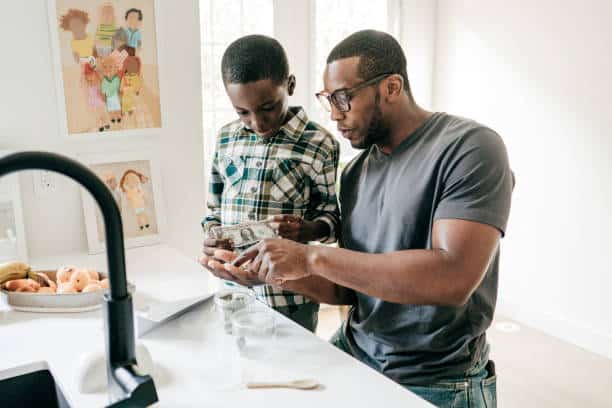
It’s important to discuss debt early, even in simple terms. Explain that borrowing money means paying it back, often with extra costs like interest. Use examples like loans for cars or houses to make the concept real.
Show how avoiding unnecessary debt allows people to save for things they truly need. Understanding this early helps kids make smarter financial decisions as they grow older.
Emphasize the Role of Discipline in Money Choices

Discipline is the base of good money habits. Teach kids to follow their budgets, save often, and avoid impulse buys. Use real-life examples to show how self-control leads to steady finances and success.
Remind them that discipline is not about going without, but about making smart choices for the future. Over time, they’ll see how these small steps lead to lasting benefits when handling money.
Use a Piggy Bank to Teach Saving Habits

A piggy bank is an excellent tool for teaching the importance of saving. Encourage your child to deposit a portion of any money they receive, like an allowance or gift, and watch their savings grow.
This visual representation helps kids understand that small amounts can add up over time. Create fun goals, like saving for a toy or a special treat, to make the process exciting. Discuss how saving allows them to get things they want without borrowing or asking for help.
The lesson instills patience and the idea that waiting can lead to rewarding outcomes.
Open a Savings Account Together
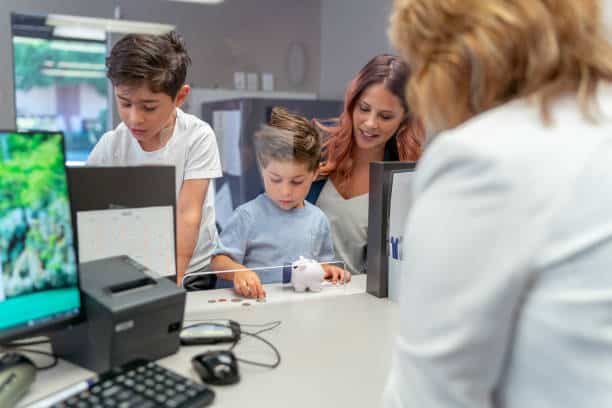
As kids grow older, moving to a real savings account is a great way to build money awareness. Take them to the bank, let them meet the teller, and explain how an account works. Show how deposits add up and how statements help track progress.
This step introduces ideas like interest, which makes saving more exciting. Teach them to put money aside often to build a steady saving habit.
A savings account gives kids a sense of responsibility and helps prepare them to manage money as adults.
Encourage Entrepreneurial Activities (Like a Lemonade Stand)

Starting a small business, like a lemonade stand, is a fun and educational way to introduce kids to earning money. Guide them through the process of setting up their stand, deciding on prices, and buying supplies.
Teach them about expenses and profits by showing how the money they earn needs to cover the cost of ingredients. Celebrate their efforts and encourage them to reinvest part of their earnings into future ventures.
This activity builds confidence, teaches hard work, and provides real-life insights into managing a small budget. It also gives kids pride in earning their money and an understanding of its value.
Explain the Value of Work and Allowance
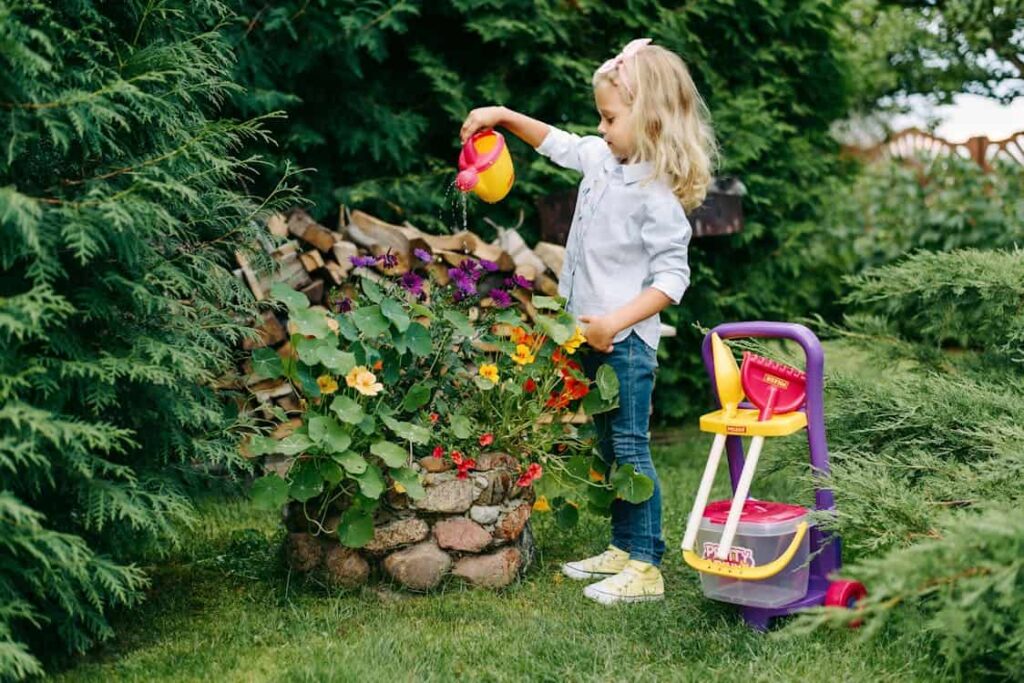
Giving kids an allowance linked to simple chores helps them see the link between work and pay. Give age-fit tasks, like watering plants or folding clothes, and reward their effort. This teaches responsibility and shows that money is earned, not just handed out.
Use the allowance to talk about handling money, such as saving part of it and spending it wisely. Make it clear that some jobs, like keeping their room clean, are family duties and not paid work.
This lesson builds a strong work habit and respect for money earned through effort.
Teach Budgeting with an Allowance

Once kids receive an allowance, teaching them to budget is the natural next step. Help them divide their money into categories, such as saving, spending, and giving. Use clear examples to show why planning helps achieve goals and avoid running out of money.
Allow them to make small financial decisions, even mistakes, to learn the importance of prioritizing needs over wants. Visual tools, like jars or envelopes, make the process easier for younger children to grasp.
Budgeting also sets the stage for managing larger amounts responsibly as they grow older.
Discuss the Concept of Prices and Value

Shopping trips are great chances to teach kids about prices and value. Show them price tags, compare the cost of similar items, and explain why some things cost more than others.
Talk about quality versus amount, and how paying more for strong items can be smarter than buying cheap ones that break fast. Let them make choices, like picking between two toys with a set budget.
This helps kids think carefully and learn how to weigh their options.
Building Lifelong Money Skills

Teaching kids about money gives them useful skills for a safe and independent future. With steady lessons and real-life examples, they can build good habits and make smart choices.
Giving kids money knowledge builds confidence and helps them avoid common mistakes. These basic lessons prepare them to face challenges and take chances with a clear view of how money works.
Start today, and you’ll help set them up for long-term success.
If you like what you just read, then subscribe to my newsletter and follow us on YouTube.
- 24 Affordable and Fun Ideas to Make Every Family Night Special
- Amazon Gift Ideas – Best Toys And Gifts For Kids Ages 5 -7
- How To Save Money And Keep Kids Entertained On A Family Road Trip
- Cloth Diapers Save Money: The Simple Answer
- 19 Reasons Why Cruises Are Perfect for Family Vacations
AI was used for light editing, formatting, and readability. But a human (me!) wrote and edited this.