25 Healthy Foods You Can Make at Home Easily


Eating at home is a great way to save money and stay healthy. When you cook your own meals, you can pick ingredients that fit your budget and avoid extra costs that come with eating out or buying ready-made food.
It’s not only about saving money but also about knowing exactly what you eat. With basic ingredients and a little time, you can make meals and snacks that are healthier and cost less than store-bought ones.
People who cooked dinner six or seven days a week ate about 2,164 calories daily, while those who cooked only once a week ate around 2,301 calories. This shows that cooking at home helps your wallet and your health in the long run.
This guide shares 22 foods that are cheaper and better for you when made at home. Each food has a simple cost summary, health benefits, and a quick tip to help you start.
Are there any foods here you want to try? Which ones do you already like to cook at home? We would love to know your thoughts!
Tortilla Chips
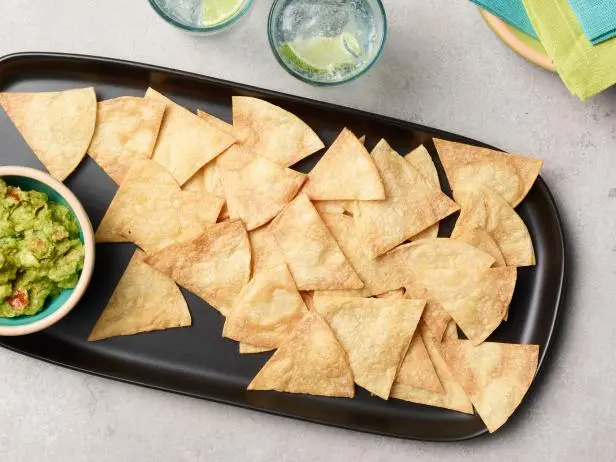
Turning leftover tortillas into crunchy chips is a simple way to save cash and eat a healthier snack. Making chips at home costs about $0.50–$1 per batch, while buying them can cost $4–$6.
Baking instead of frying lowers bad fats but keeps the crunch you like. You can add flavors like salt, paprika, or lime juice. Try this way to cut down on food waste and make a tasty snack quickly.
17 Things You Can Get for Free at Grocery Stores
Coffee Creamer
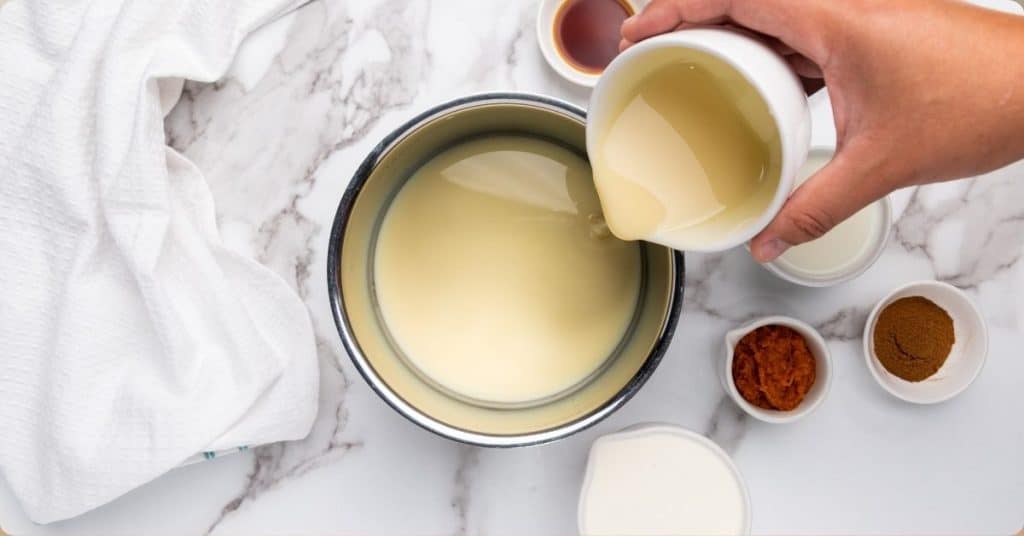
Making your own coffee creamer is an easy way to save money and skip fake ingredients. A homemade creamer costs around 50 cents per cup, while store-bought ones can be $3 or more. You can make it using milk, cream, and natural tastes like vanilla or cinnamon.
This keeps your coffee free of unhealthy oils and artificial sugars. Store it in a closed container in the fridge, and it will stay good for up to a week.
Salad Dressing
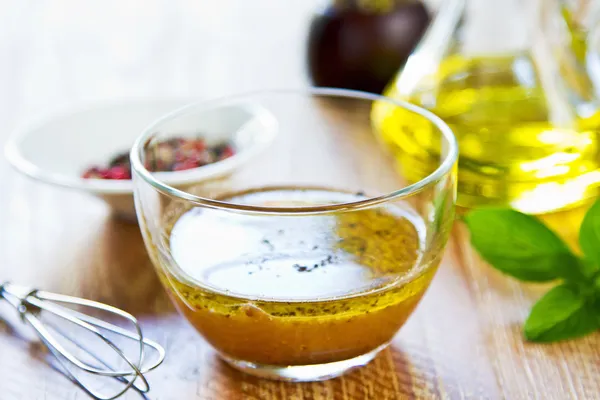
Whipping up your own salad dressing is fast, affordable, and much healthier than buying bottled versions. A basic vinaigrette costs around $1–$2 per batch compared to $3–$5 at the store. Homemade dressings let you avoid added sugars, preservatives, and unhealthy oils.
Olive oil, vinegar, and a pinch of seasoning create a flavorful dressing in seconds. Make small batches to keep it fresh and experiment with herbs for variety.
Bread

Making bread at home is a simple way to save money while enjoying a fresher, healthier product. A homemade loaf can cost as little as $0.50–$1 compared to $3–$5 for store-bought artisan bread.
Freshly baked bread is free from preservatives and allows you to reduce sodium or incorporate whole grains. It’s also incredibly versatile, you can use the same dough to create rolls or flatbreads. For convenience, try a no-knead recipe that minimizes hands-on time and delivers great results.
Granola
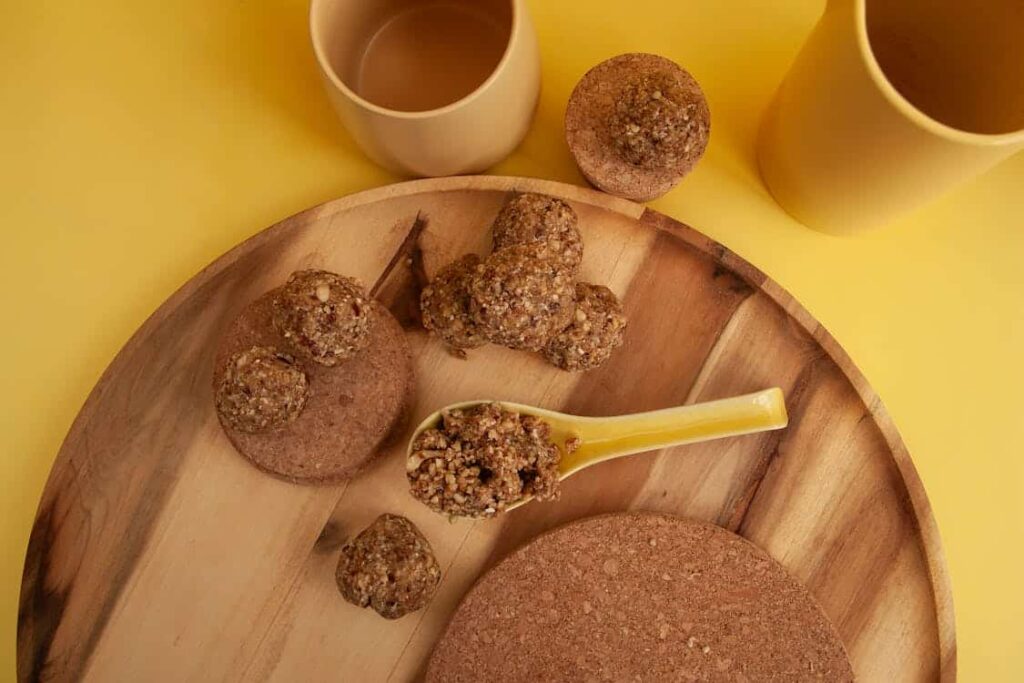
Homemade granola is cheaper and better for you than the expensive store-bought kinds, which can cost $5–$10 a bag. You can make a batch for about $2 using simple ingredients like oats, nuts, and dried fruit.
This way, you don’t get the extra sugar and bad oils often found in store granola. Homemade granola works great for breakfast, snacks, or as a topping on yogurt. Keep it in a sealed container to stay fresh for weeks.
Cookies
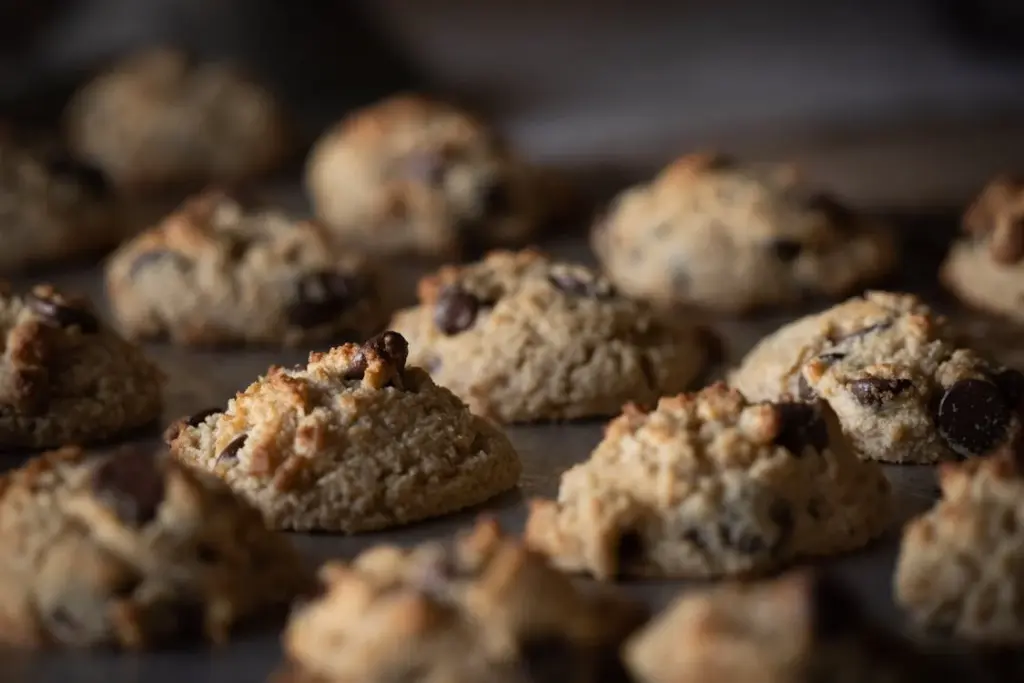
Baking cookies at home is enjoyable, saves money, and is better for your health than buying store-bought ones. A batch of homemade cookies costs $3–$5, while high-end brands can cost up to $10. Making them yourself lets you use less sugar and skip things like hydrogenated oils.
You can try using whole wheat flour or adding nuts to make them more nutritious. Freeze small amounts of dough so you can bake fresh cookies whenever you want.
Nut Milk (Almond, Oat, etc.)
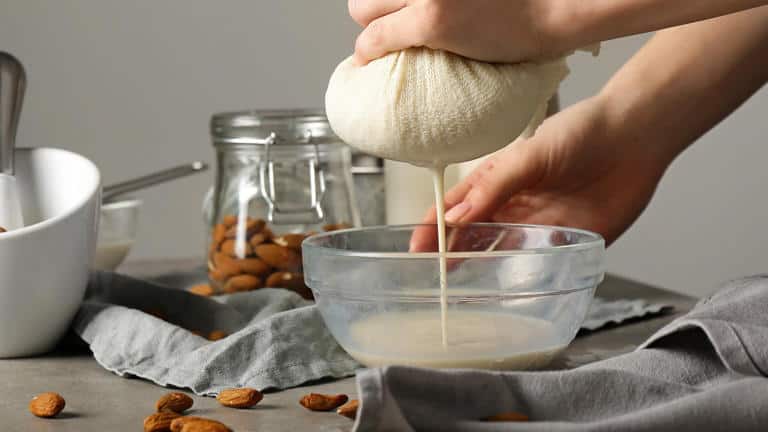
Homemade nut milk is an inexpensive and pure alternative to store-bought varieties, which can cost $3–$5 per quart. You can make it for about $1 using just nuts or oats and water. Without additives like gums or sweeteners, it’s a healthier choice for drinking or adding to recipes.
The process is straightforward, blend, strain, and enjoy. Save the leftover pulp for baking or smoothies to eliminate waste.
Hummus
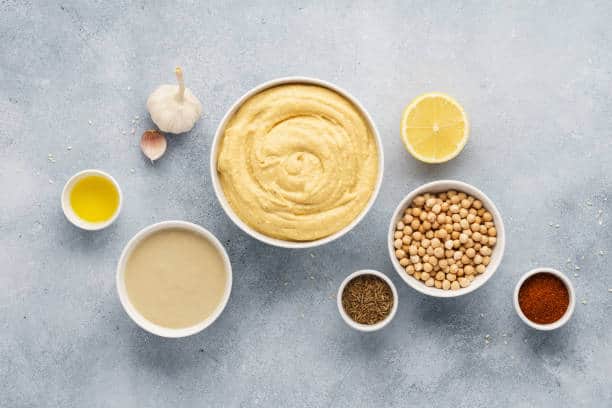
Making hummus at home gives you a tasty and healthy dip for much less money. A batch made at home costs $2–$3, while store-bought ones can cost $5–$7. Fresh hummus has fewer preservatives and lets you decide how much salt and oil to use.
You only need chickpeas, tahini, lemon juice, and garlic to begin. Keep it in the fridge for up to a week and use it as a snack or spread.
Pancake Mix
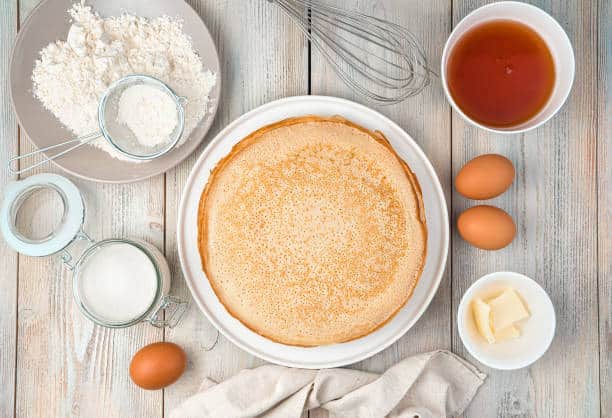
Preparing pancake mix at home saves money and eliminates the additives found in boxed versions. A batch costs about $0.50 compared to $3–$5 for store-bought mixes. Using simple ingredients like flour, baking powder, and a pinch of salt ensures a fresher and healthier start to your day.
You can adjust the recipe to include whole grains or reduce sugar. Store the mix in a jar, ready for a quick breakfast anytime.
Pasta Sauce

Making pasta sauce at home saves money and tastes great without extra things you don’t need. A jar made at home costs around $1–$2, while store-bought jars can cost $4–$7.
Using fresh tomatoes, garlic, and herbs makes a healthier sauce with no added sugar. You can change the flavors to what you like and add vegetables for more nutrition. Make a big batch and freeze some for quick meals later.
Broth (Vegetable or Bone)

Homemade broth is a frugal and healthier alternative to store-bought cartons, which often cost $3–$5 per quart. Making your own costs less than $1 using kitchen scraps like vegetable peels, herbs, and leftover bones.
Unlike store-bought options, homemade broth is free of excess sodium and artificial flavors. It’s a rich base for soups, stews, and sauces, packed with nutrients like collagen and minerals. Freeze in small portions to have a convenient stock ready when needed.
Pizza Dough
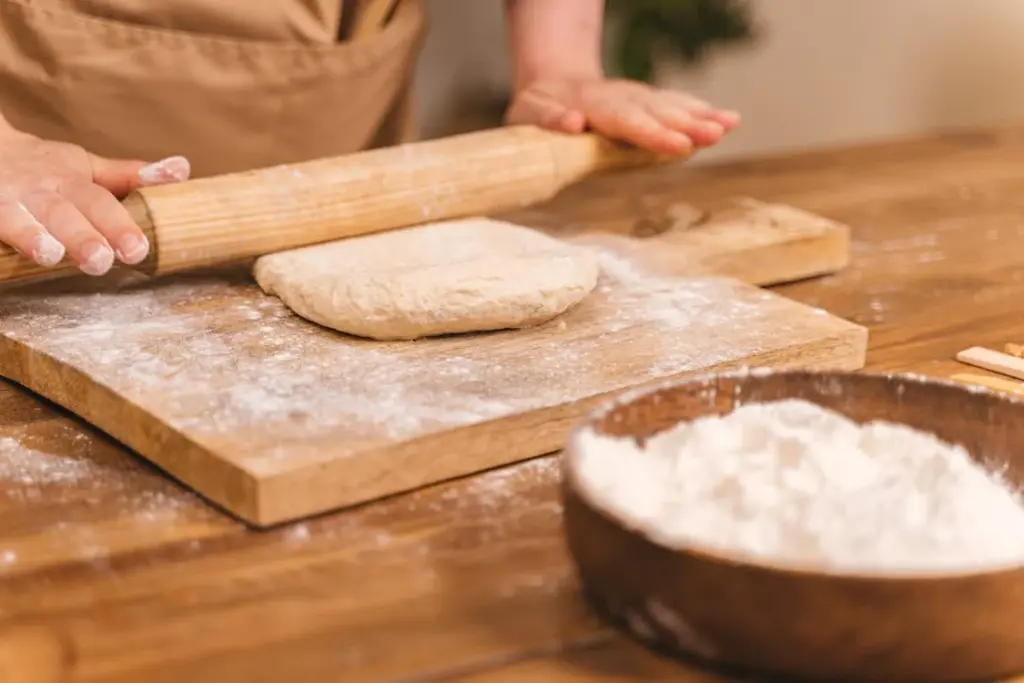
Homemade pizza dough is cheap and easy to change, costing only $1 per batch instead of $4 to $6 for dough bought at the store. Making it yourself allows you to use whole wheat flour or other healthy choices.
This gives you a base that is fresher and has no preservatives. Pizza night gets better when you can shape and add toppings to your dough just how you want. Save leftover dough in the freezer for a fast and simple meal later.
Mashed Potatoes
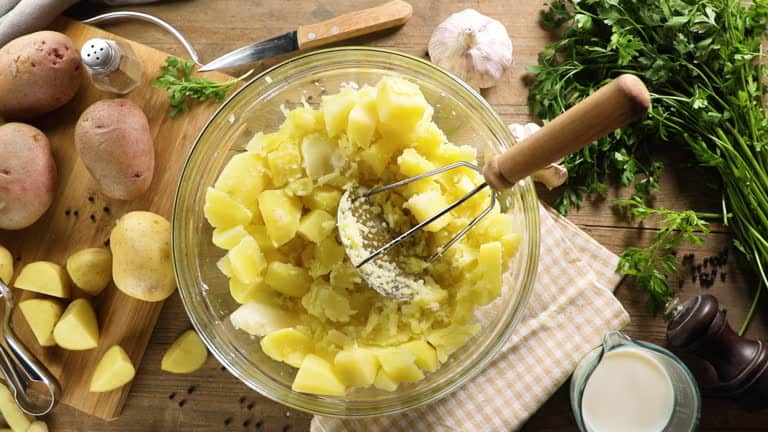
Homemade mashed potatoes are fresher, healthier, and more affordable than boxed instant varieties. A batch costs about $2, compared to $5–$7 for prepared options. Real potatoes provide fiber, vitamins, and potassium without the artificial flavors found in many instant mixes.
You can enhance the taste with a touch of garlic, olive oil, or fresh herbs. To save time, peel and boil a larger batch, then freeze portions for quick reheating.
 If you like what you are reading, then click like and subscribe to my newsletter. We share tips to waste less time and money.
Pizza Sauce
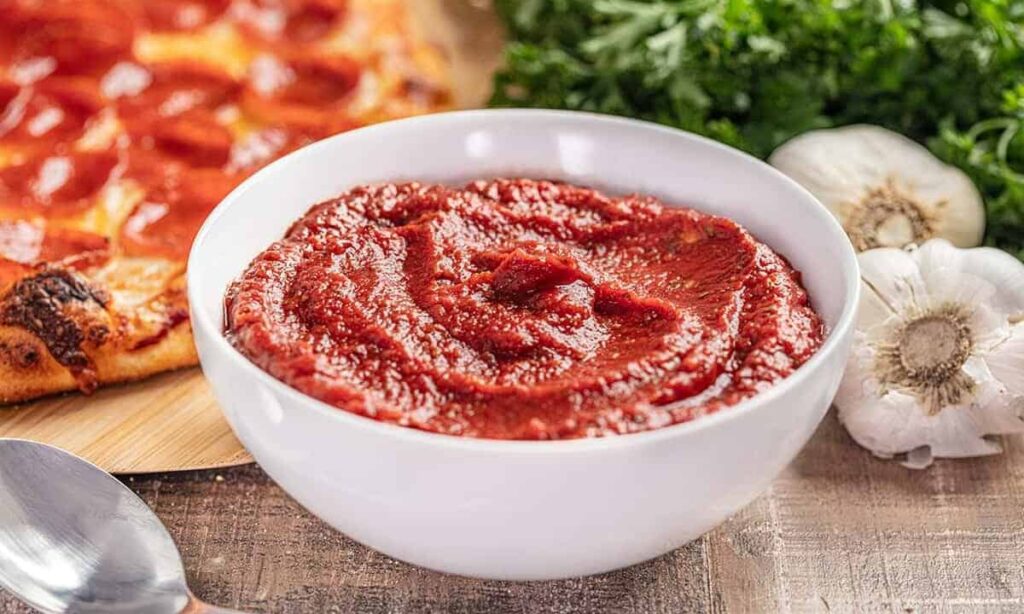
Making pizza sauce at home is simple and saves money, costing about $1 per batch versus $4–$6 for store-bought jars. Fresh tomatoes, garlic, and herbs give a strong taste without added sugar or chemicals.
When you make your own sauce, you can choose the spices and change how thick it is to suit you. It goes great with homemade dough for a healthier pizza. Keep extra sauce in the freezer so you always have some ready to use.
Pasta
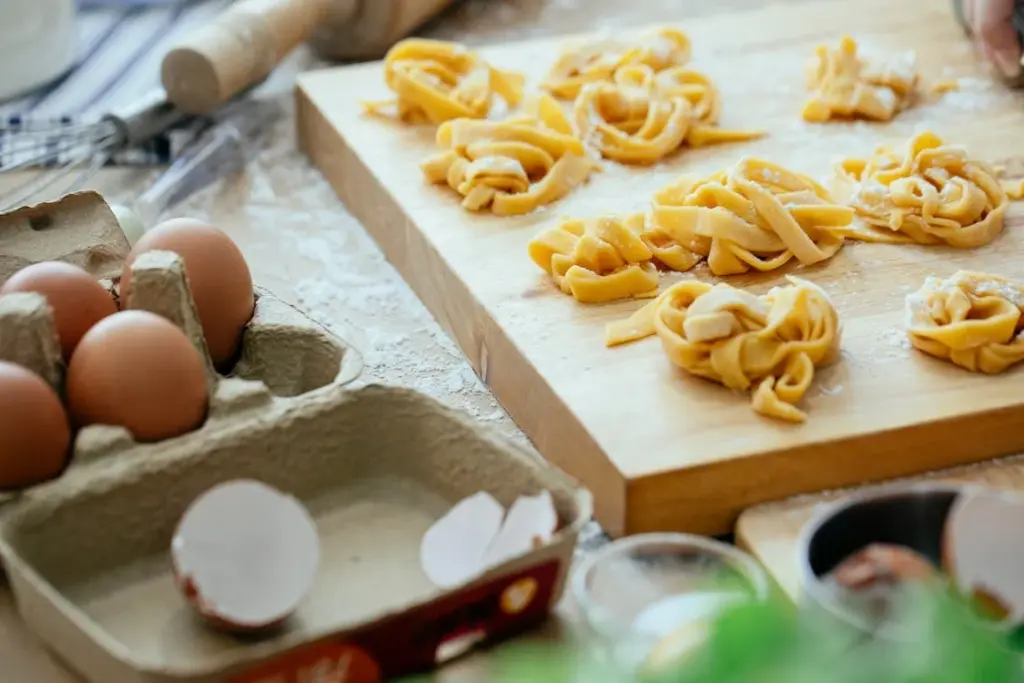
Fresh pasta is a simple and affordable upgrade from the dried versions at the store. A batch of homemade pasta costs about $1–$2, whereas artisanal fresh pasta can cost $5 or more per pound.
Using just flour and eggs, you can create a softer, more flavorful pasta with no preservatives. Making it yourself also allows for endless customization, from spinach-infused dough to gluten-free alternatives. Roll it out and freeze extra portions for future meals.
Spice Mixes
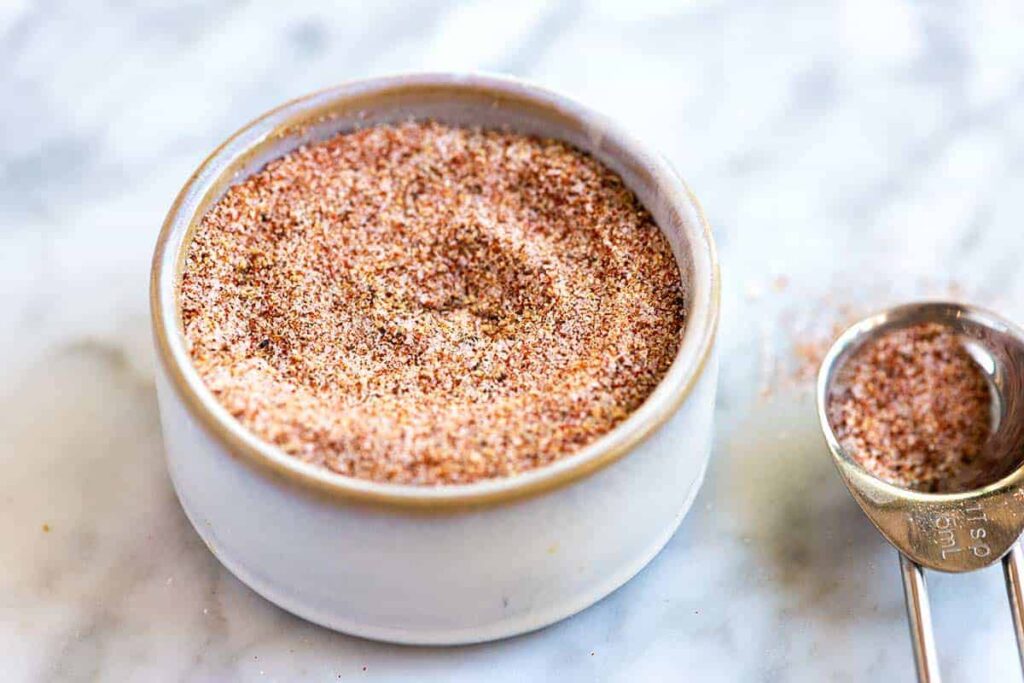
Making spice mixes at home is a cheap way to make your meals taste better and skip unwanted ingredients. One batch costs $1–$2, while store-bought mixes are $4–$6. Combining spices like paprika, cumin, and garlic powder lets you adjust the taste how you like it.
Homemade mixes do not have fillers or too much salt, so they are a healthier option. Keep them in airtight jars to stay fresh and easy to use.
Sushi Rolls
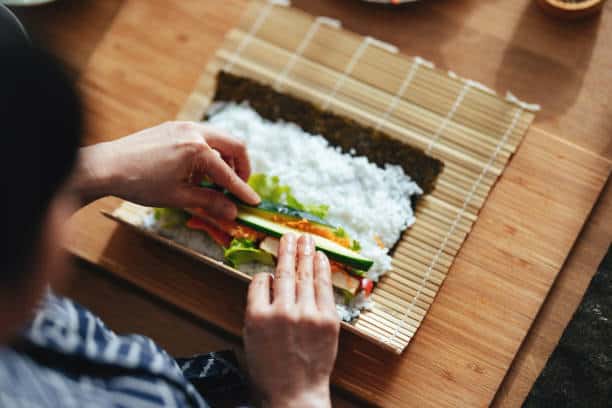
Homemade sushi rolls are a fresher, more affordable way to enjoy this delicacy, costing around $2–$4 per roll compared to $8–$12 at restaurants. Using simple ingredients like rice, nori, and fresh vegetables or seafood lets you customize the fillings and reduce sodium often found in store-bought versions.
Making sushi at home also ensures the fish is fresh and safe. Invest in a bamboo mat for easy rolling, and enjoy restaurant-quality sushi without the price tag.
Salsa

Fresh salsa is a cheaper way to enjoy a healthier, preservative-free version of the jarred kind. Making it at home costs about $2 instead of $4–$6 for store options.
Fresh ingredients like tomatoes, onions, cilantro, and lime juice give a bright flavor without extra salt or sugar. You can change the spice level to match your taste. Keep it in the fridge for up to a week to use as a topping or dip.
Peanut Butter
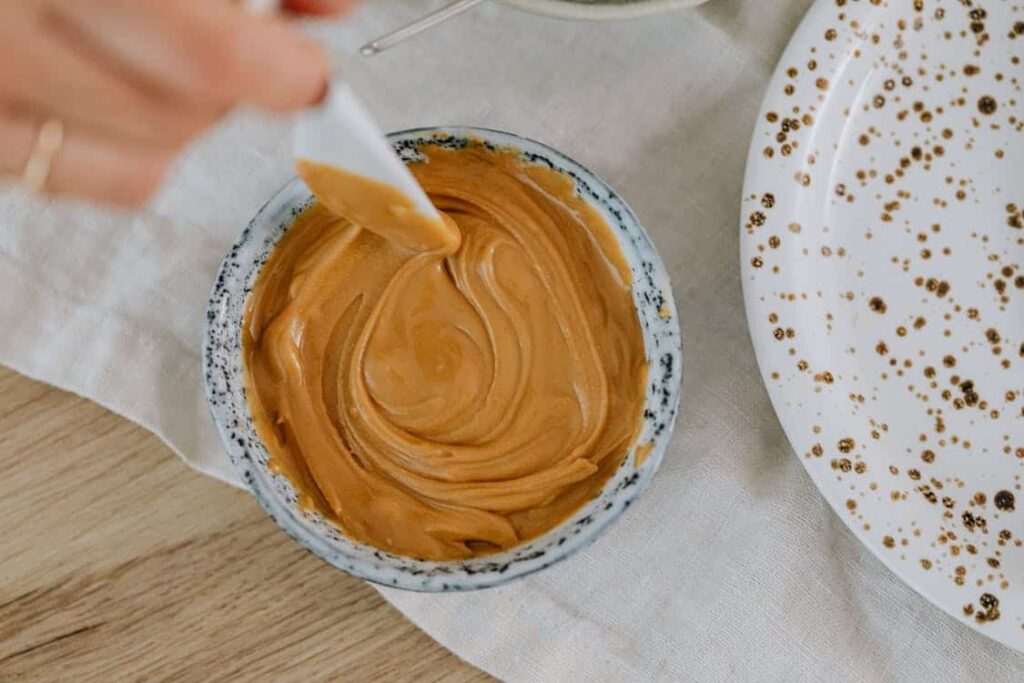
Making peanut butter at home is easy, better for you, and costs less than many store brands. A jar costs about $2–$3 to make, while natural store options often cost $5 or more. Freshly ground peanuts create a smooth, creamy spread with no added sugar, oils, or preservatives.
You can try different textures or add honey for a little sweetness. Keep it in a sealed container to stay fresh for weeks.
Ice Cream

Homemade ice cream is a fun and cost-saving treat, costing about $3–$5 per batch compared to $5–$8 for premium brands. Fresh ingredients like cream, milk, and natural sweeteners allow you to create a rich, preservative-free dessert.
You can experiment with flavors, from classic vanilla to fruit-infused varieties. Investing in an ice cream maker makes the process easier, but no-churn recipes work just as well. Store your creation in a freezer-safe container to enjoy anytime.
Jam or Fruit Preserves
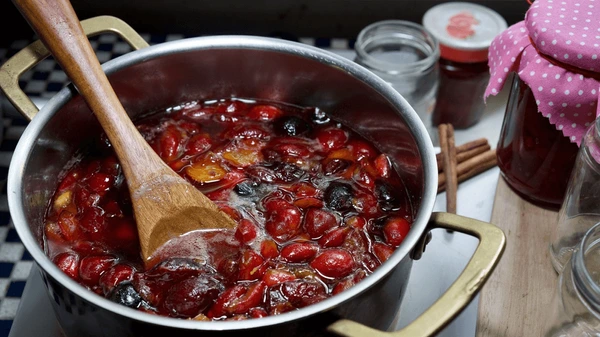
Making jam at home is a cheap way to enjoy seasonal fruit all year. A jar costs about $2–$3, while store-bought jam usually costs $4–$6. Homemade jam has no artificial preservatives and often has less sugar.
Use ripe fruits like strawberries, blueberries, or peaches for natural sweetness. Seal the jars well, and they can keep for months in your pantry.
Pickles
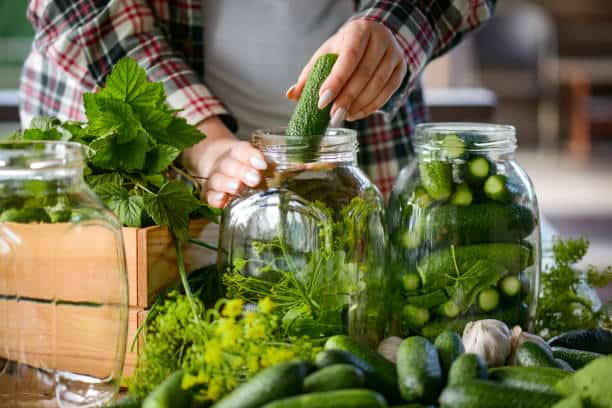
Homemade pickles are a cost-effective and healthier alternative to store-bought jars, which can cost $4–$6 each. Making them at home costs about $1–$2 per batch using cucumbers, vinegar, and simple seasonings.
Freshly made pickles avoid artificial preservatives and allow you to control the salt content. You can experiment with flavors, adding garlic, dill, or chili flakes to suit your taste. Store them in the fridge for a crunchy snack or sandwich topping.
Popcorn
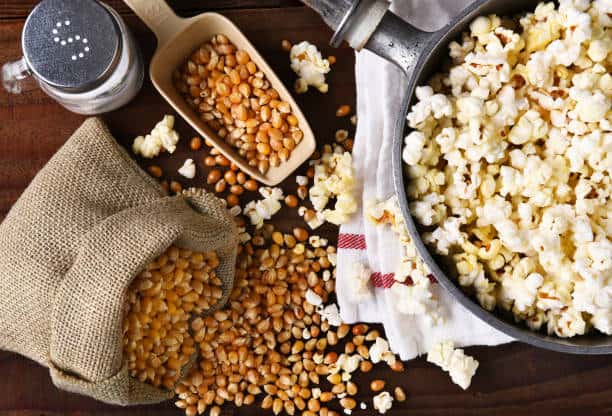
Making popcorn at home is a cheap snack that costs only a few cents per serving, while prepackaged microwave bags can cost $3 to $5. Freshly popped popcorn does not have artificial flavors or unhealthy fats. You can add just a little salt or some nutritional yeast for more taste.
It is a healthy whole-grain choice that fills you up without extra calories. Use an air-popper or stovetop way to get the best popcorn.
Smoothies

Homemade smoothies are a healthier and more affordable way to enjoy a nutritious drink. A serving costs about $2 compared to $5–$8 at smoothie bars. Blending fresh fruits, vegetables, and yogurt gives you a nutrient-packed beverage without added sugars or artificial ingredients.
You can customize the flavor and adjust the consistency to your liking. Freeze fruit in advance to create thick, creamy smoothies without watering them down.
If you like what you are reading, then click like and subscribe to my newsletter. We share tips to waste less time and money.
Iced Tea

Brewed iced tea is a cool and cheap drink to make at home, costing about $0.10–$0.20 per cup compared to $2–$3 for bottled tea. Using real tea leaves or bags gives a clean taste without extra sugar or chemicals.
You can add fresh flavors like lemon slices or mint to change it up. Make a big batch and keep it cold for a healthy drink you can enjoy all week.
Save Money and Eat Healthier at Home

Making these 25 foods at home not only helps you save money but also gives you better nutrition and freshness in every bite. With fewer additives and full control over the ingredients, you can make meals and snacks that fit your taste and health needs.
Small steps like baking your own bread, making yogurt, or cooking broth can lead to big savings over time. It also helps cut down on waste and brings the joy of making something healthy.
These easy changes can turn your kitchen into a place of creativity and good health. Start with one or two items, and soon eating healthier and spending less will come naturally.
If you like what you just read, then subscribe to my newsletter.
- 28 Foods Full of Microplastics: You Are Eating Plastic Without Knowing
- The Truth About Organic Foods: 17 Myths Most People Get Totally Wrong (With Video)
AI was used for light editing, formatting, and readability. But a human (me!) wrote and edited this.