28 Common Foods That Contain Microplastics You Might Not Know About


Microplastics are tiny bits smaller than 5 millimeters, and they have become a serious problem as they get into our food. This issue is not only about the environment but also about the possible harm to our health because these particles enter our bodies through the foods we eat every day.
Did you know that a person might swallow as much as 5 grams of microplastics weekly, which is about the same weight as a credit card? If this keeps happening, microplastic exposure could cause health problems in the long run, like inflammation and damage to cells.
In this article, we will look at the common foods that often contain microplastics and share simple ways to reduce how much you take in.
How much do you really know about what’s on your plate? Keep reading, you may be surprised to find out which everyday foods might be adding hidden plastic to your meal.
What foods contain microplastics?:
Canned Foods

Canned foods often have microplastics, not just because of the food, but because of the packaging. The plastic lining inside cans can wear down over time, releasing tiny pieces into the food.
Foods that are very acidic, like tomatoes, can make the plastic lining break down faster. This means that even fresh or simple foods in cans might have microplastics in them.
This shows that we need to think about packaging when trying to lower plastic exposure.
Meat and Dairy

Studies have suggested that microplastics can also be present in meat and dairy products. This contamination primarily happens when livestock ingest plastic particles present in their feed or water sources.
Over time, these particles accumulate in their tissues and milk, eventually making their way into our diet. While the levels found in meat and dairy are generally lower compared to seafood, the presence of microplastics in these foods is still a concern due to the volume of these products consumed globally.
It emphasizes the need for better feed management and clean water sources for livestock.
Dried Fruit
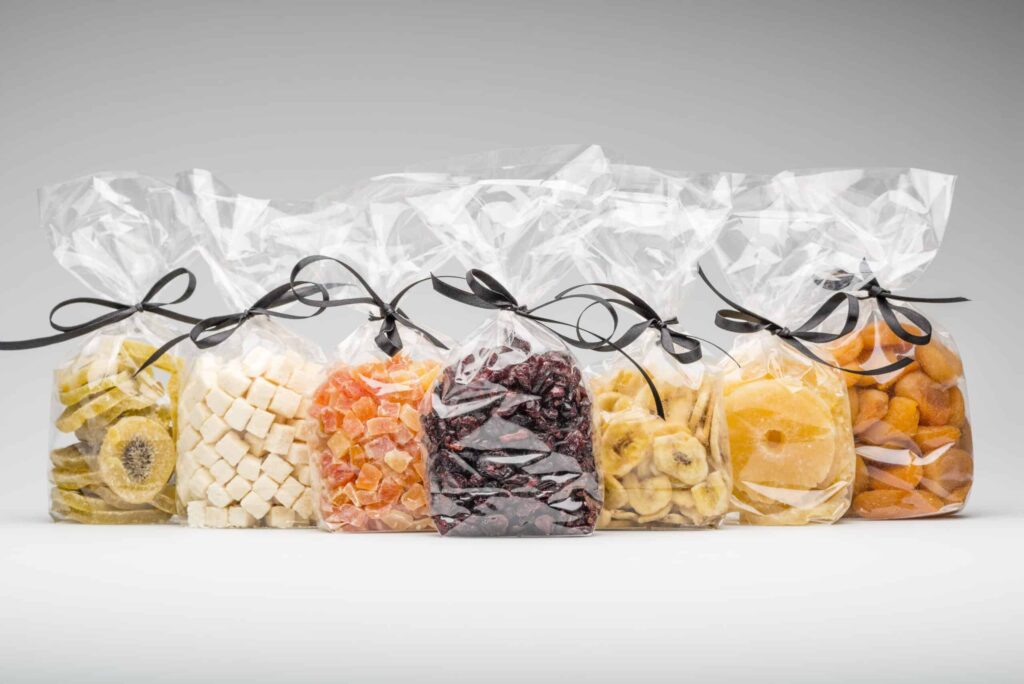
Dried fruit may have tiny bits of plastic because of how it is packed and handled. These fruits are usually kept in plastic bags, where they can collect small pieces during shipping and storage.
The longer dried fruit stays in these bags, the more chance it has to get plastic bits. Buying dried fruit in bulk at stores that use paper bags or bringing your own containers can help reduce this problem.
Fresh fruit is also a good choice when you can, giving a more natural option with no risk of plastic bits.
Tea Bags
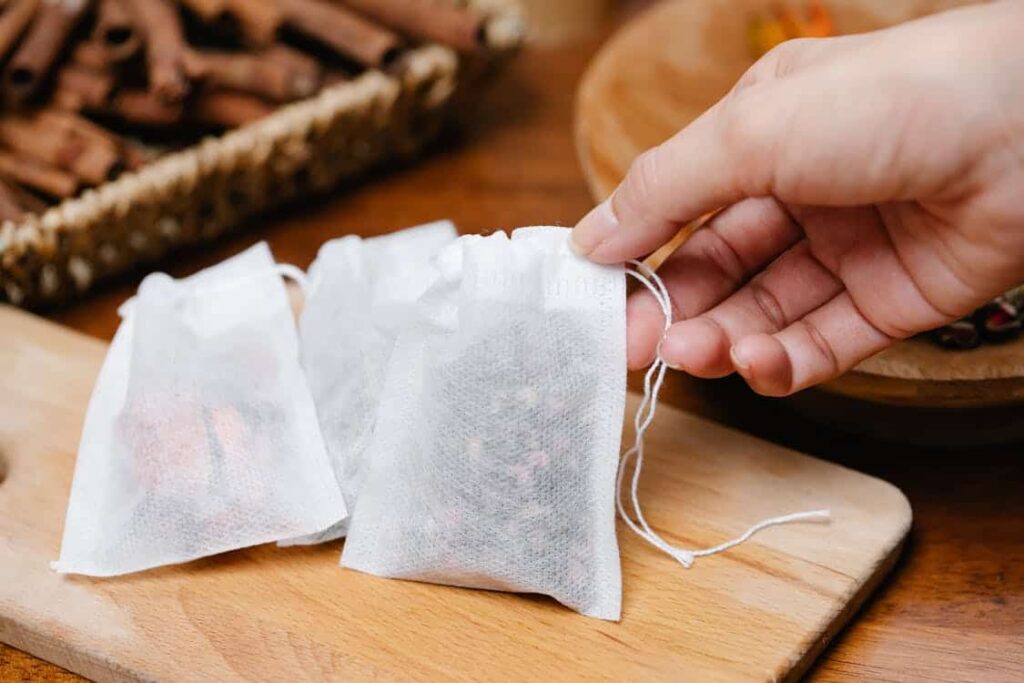
Plastic tea bags can release billions of tiny plastic pieces into your cup when hot water is added. Regular paper tea bags usually have a little plastic to hold them together, but tea bags made all of plastic cause more problems. Heat makes these tiny bits break apart and spread into the tea.
Choosing loose-leaf tea or brands that use bags that break down naturally can lower the amount of these particles you take in. This small change can help reduce the daily amount of microplastics you consume.
Soft Drinks
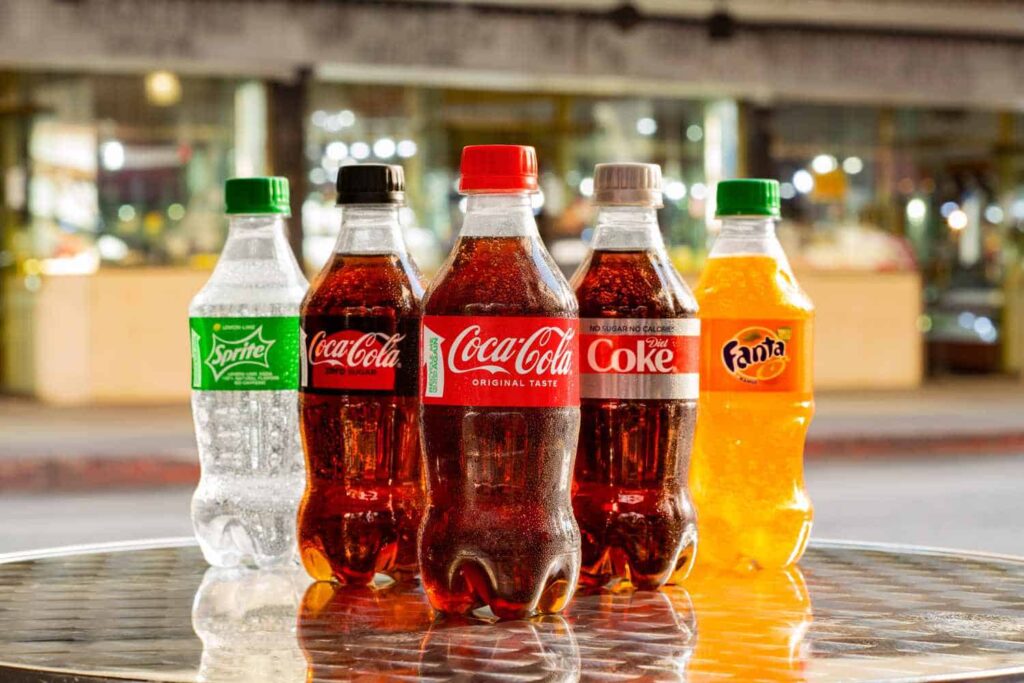
Soft drinks, especially those bottled in plastic, are another source of microplastic contamination. The carbonation process, combined with the use of plastic bottles, can increase the release of microplastics into the drink.
Considering the popularity of these beverages, this is a noteworthy concern. Switching to drinks that come in glass containers or those that are homemade can be a way to reduce this type of exposure.
Frozen Foods
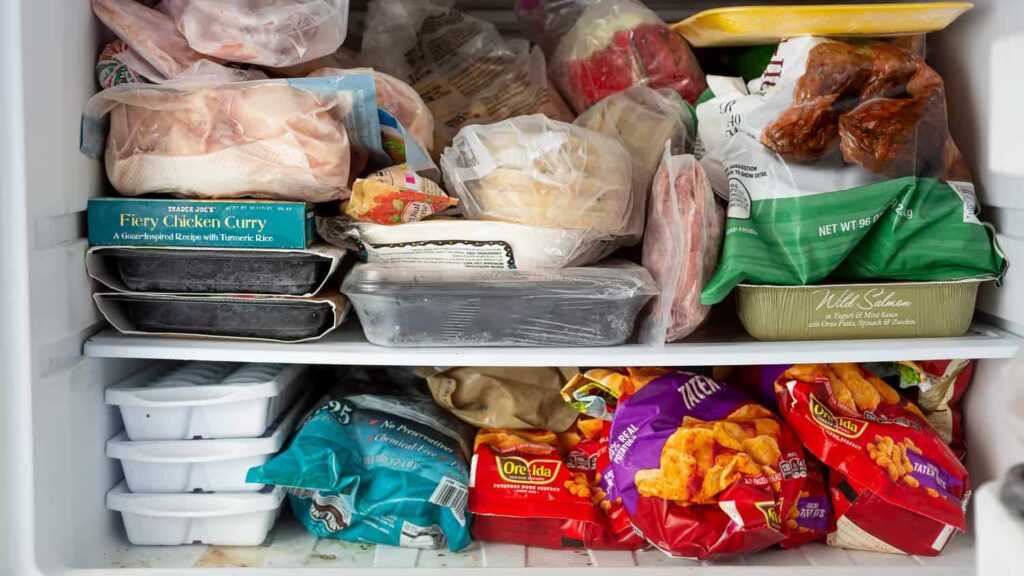
Frozen foods packed in plastic bags or containers often contain tiny plastic particles. Cold temperatures do not stop plastic from breaking down, so small pieces can still mix into the food over time.
Picking fresh food instead of frozen may reduce contact with these tiny plastics, but this is not always possible based on diet or what foods are available.
 If you like what you are reading, then click like and subscribe to my newsletter. We share tips to waste less time and money.
Breaded Shrimp
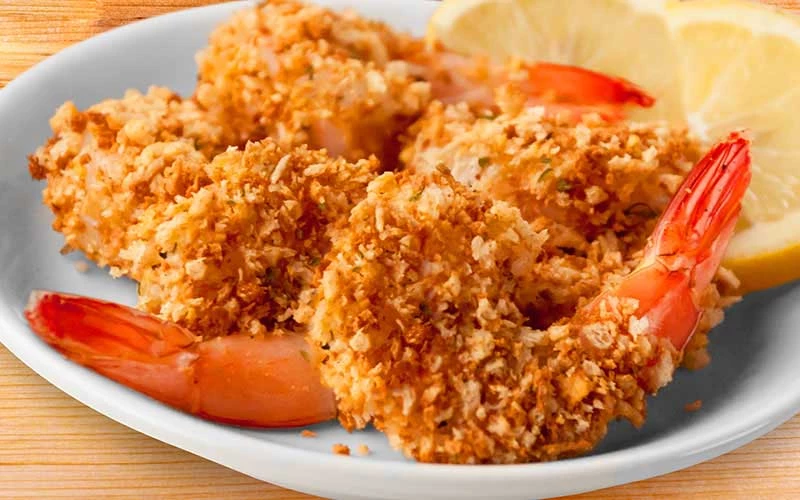
Breaded shrimp holds the top spot when it comes to microplastic contamination, with over 300 microplastic particles per serving. These tiny particles make their way into the shrimp as they filter feed, meaning they ingest whatever is in the water around them, including microplastics.
Once breaded and processed, the number of particles only increases, making this a significant concern for those who enjoy shrimp regularly. The high levels of microplastics found in breaded shrimp raise red flags for health-conscious individuals.
Fruits and Vegetables

Fruits and vegetables may seem unlikely to have microplastic contamination, but they can take in these tiny particles through the soil and water used to grow them. Microplastics have been found in crops watered with polluted water, meaning that even plant foods are not completely free from risk.
This shows how important it is to keep irrigation water and soil clean to stop microplastics from getting into our food. Even organic and local produce can be affected if the area around them is dirty.
Sugar

Refined sugar has been found to contain microplastics, possibly introduced during processing or packaging. Since sugar is often stored in plastic containers or bags, these materials can degrade over time, allowing small particles to mix with the sugar crystals.
As sugar is a common ingredient in many foods and beverages, the potential exposure to microplastics through this source is significant. Reducing processed sugar intake could also reduce exposure to these particles.
Bottled Water

Bottled water has been shown to contain microplastics at levels significantly higher than those found in tap water. Research suggests that the bottling process itself, as well as the plastic containers, can introduce these tiny particles into the water.
This has raised concerns about the safety and health implications of consuming bottled water regularly. Switching to tap water, where feasible, may reduce exposure to microplastics.
Some regions have implemented stricter water quality controls, which can make tap water a safer and more sustainable option compared to bottled water.
Beer
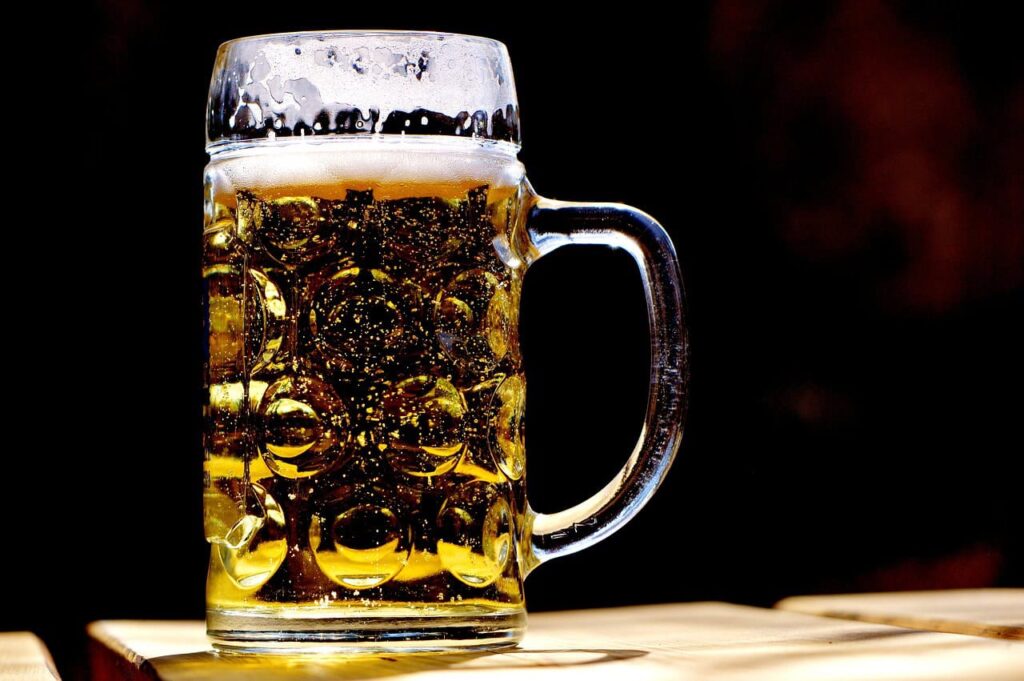
Several studies have detected microplastics in beer, especially those brewed using water sources that are more prone to contamination. During the brewing process, any microplastics present in the water can easily make their way into the final product.
The particles may also come from packaging or filtration systems used during production. The presence of microplastics in beer suggests that even processed foods and beverages can be affected.
It highlights the broader issue of environmental contamination impacting a variety of consumable goods, not just seafood or directly exposed items.
Honey
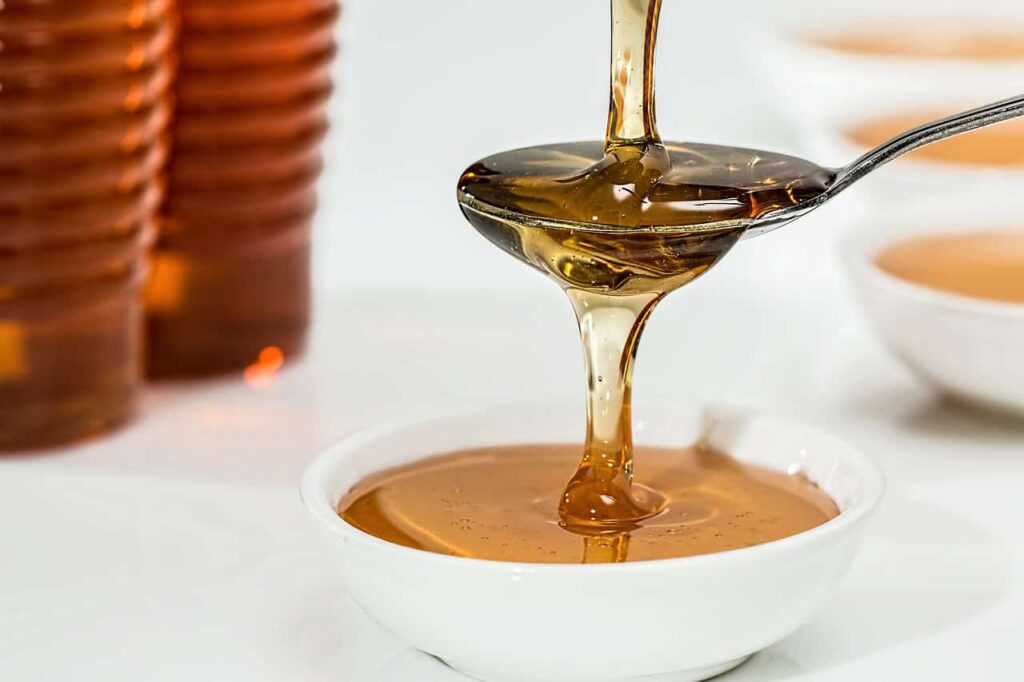
Honey has surprisingly been identified as a food that can contain microplastics. The particles might originate from airborne pollutants or contaminated nectar that bees collect. Since bees can travel vast distances, the risk of collecting microplastic-laden substances is higher in areas near urban or industrial environments.
This finding is particularly concerning for people who consume honey regularly, believing it to be a natural and healthy sweetener. Even in organic honey, microplastics have been detected, showing the far-reaching impact of environmental pollution.
Rice

Recent studies have revealed that rice, particularly when packaged in plastic, can be a source of microplastics. These particles can be introduced during the packaging process or even through the use of plastic in agricultural practices.
Instant rice varieties seem to have a higher concentration due to the additional processing steps. Consuming rice with microplastics highlights the challenge of eliminating these particles from daily staples.
Since rice is a global dietary essential, the risk of exposure to microplastics through this grain affects a significant portion of the population.
If you like what you are reading, then click like and subscribe to my newsletter. We share tips to waste less time and money.
Shellfish
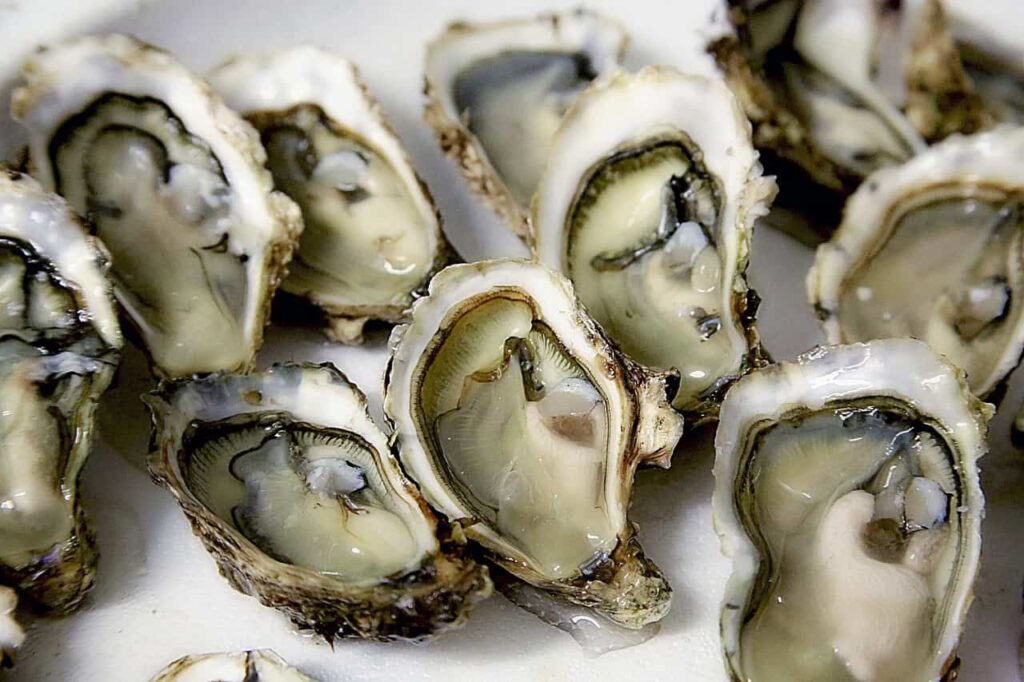
Shellfish like mussels, oysters, and clams are some of the most affected foods when it comes to microplastics. As filter feeders, they draw in large volumes of water to extract their nutrients, which inadvertently means they also collect microplastics.
The particles can then accumulate in their tissues, which we consume directly. In areas with higher levels of water pollution, the concentration of microplastics in shellfish tends to be even greater.
Since these creatures are often consumed whole, including their digestive systems, there’s a higher risk of ingesting these particles when eating shellfish compared to other seafood.
Fish
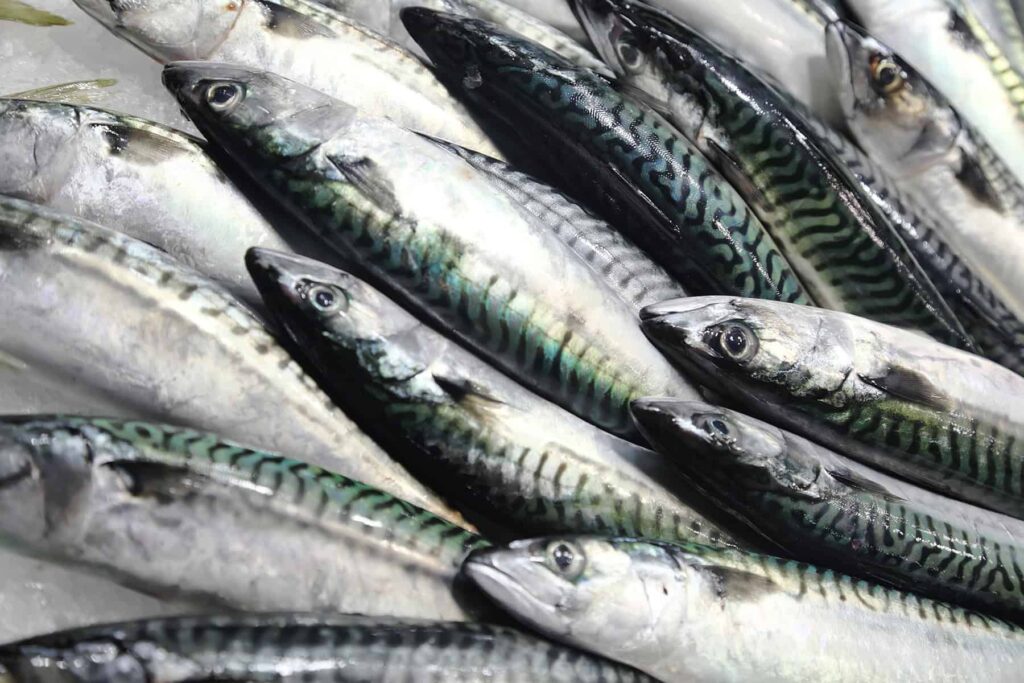
Fish are another significant source of microplastic contamination. While the particles primarily collect in their guts, studies have found traces of microplastics in the flesh of some species, especially those lower on the food chain.
Fish like sardines, anchovies, and mackerel tend to have higher concentrations due to their feeding habits. Microplastics enter marine environments through various routes, such as wastewater, runoff, and debris, eventually making their way into the food chain.
As these fish are consumed by larger species and ultimately humans, microplastics can accumulate, increasing our exposure levels.
Salt

Sea salt is a common household ingredient that surprisingly contains a substantial amount of microplastics. Due to its production process, where seawater is evaporated, the residual salt often carries particles suspended in the water.
According to scientific reports, microplastics have been found in various brands of table salt worldwide, indicating a widespread issue. The presence of these particles in salt is concerning because it is a product used daily in cooking and food preparation.
Even though the concentration might seem low, the cumulative effect over time can lead to significant exposure to microplastics.
Processed Foods
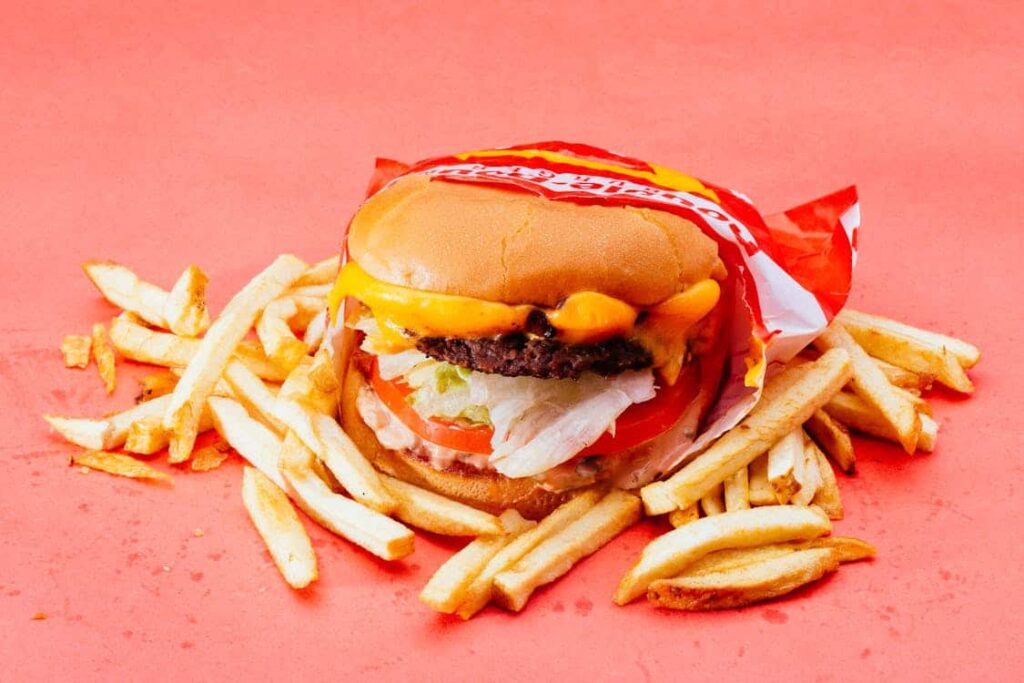
Processed foods, like snacks and ready-to-eat meals, usually have more microplastics because they go through many steps and use lots of packaging. The more a food is handled and processed, the higher the chance it gets microplastic contamination.
This shows that eating a lot of processed foods could mean not only less nutrition but also more microplastics in your body. Eating whole foods and cooking at home can help reduce this risk.
White Gulf Shrimp
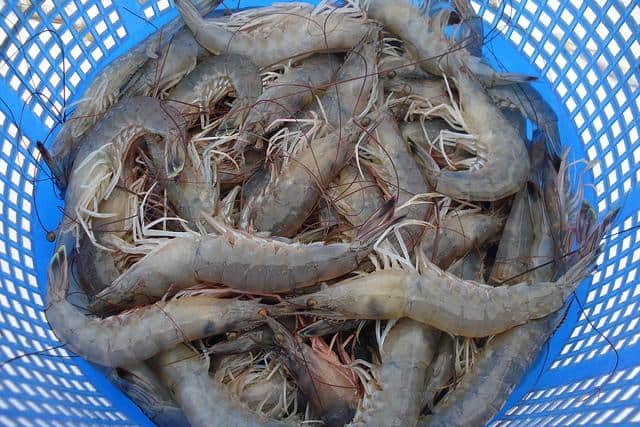
White Gulf shrimp is another seafood item with potential for microplastic contamination. While it doesn’t top the list like breaded shrimp, it still carries a risk due to the waters these shrimp are harvested from.
The Gulf is known to have areas with higher pollution, which means shrimp from this region can contain higher levels of microplastics. Given that shrimp are filter feeders, they are particularly vulnerable to ingesting microplastics, which then accumulate in their bodies.
Flour
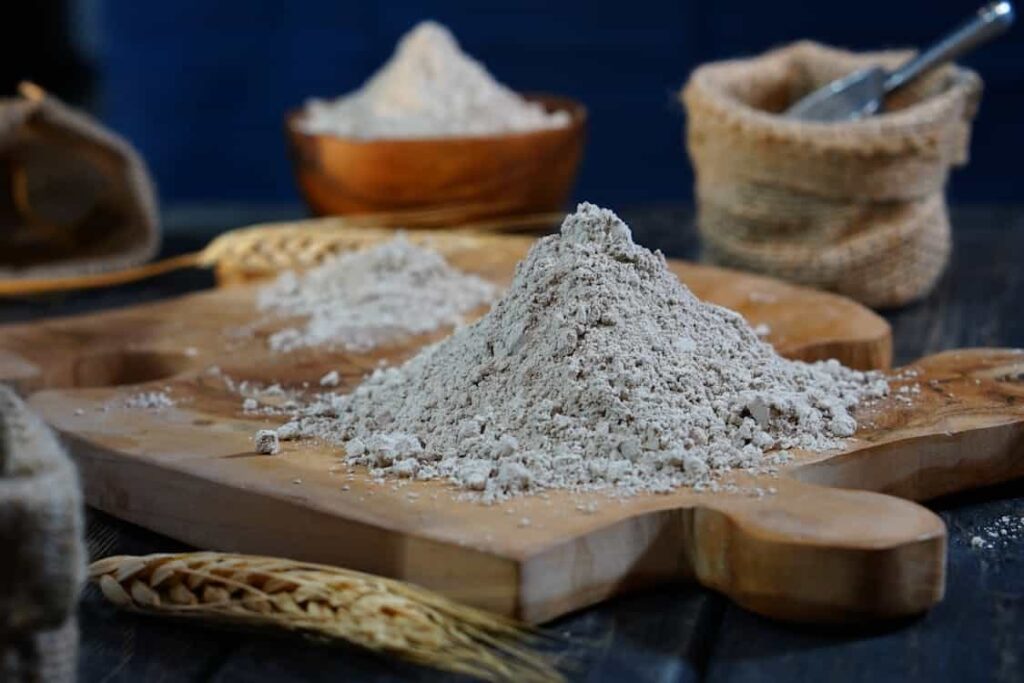
Microplastics have been found in flour, likely introduced through the packaging or during the milling process. Flour stored in plastic sacks is more prone to contamination, affecting baked goods and other food items that use flour as a base ingredient.
Switching to flour brands that use sustainable or paper packaging could help reduce exposure to these particles in everyday baking and cooking.
Bread
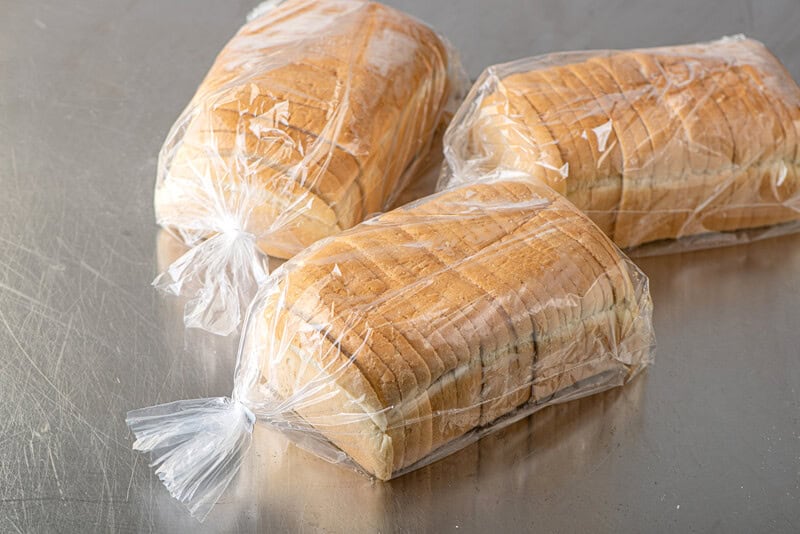
Bread, especially types sold in plastic bags, can contain tiny bits of plastic. When the dough touches plastic-lined surfaces or tools while baking, small particles may get into the bread.
This risk grows when bread is kept or wrapped in plastic, as tiny pieces can move into the loaf.
Picking freshly baked bread from local bakeries that use paper or cloth bags can lower this risk.
These choices reduce contact with plastic and give a fresher, more natural bread, helping you eat without microplastics.
Spices

Spices are a surprising carrier of microplastics due to their fine, powdery texture and the common use of plastic packaging. During grinding or bottling, spices can come into contact with plastic particles, leading to contamination.
The risk is higher for spices stored in plastic jars, as they can pick up microplastic particles that mix with the seasoning. Opting for spices sold in glass containers or buying whole spices to grind at home can help reduce the presence of microplastics.
This approach not only enhances flavor but also supports a more sustainable way of seasoning your food.
Ice Cream
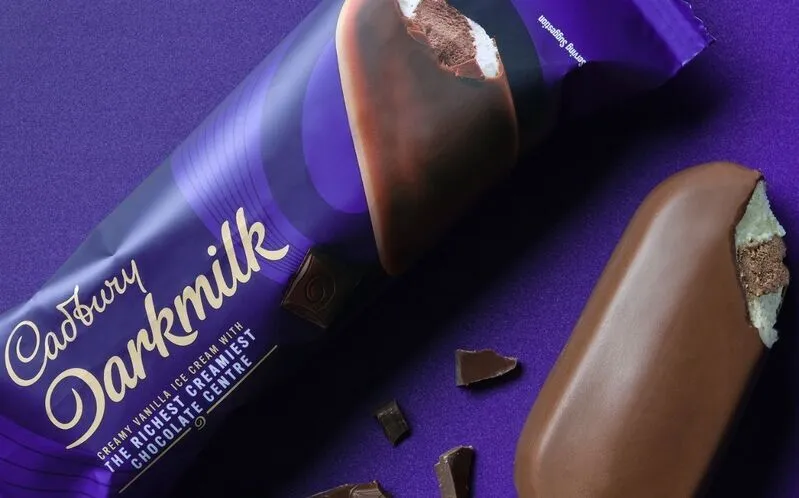
Ice cream, especially when kept in plastic containers, can carry tiny plastic bits. When making and storing ice cream, cold temperatures and plastic can cause small particles to get into the ice cream. Even the plastic-covered wraps of ice cream bars add to this problem.
Picking brands that use paper or eco-friendly packaging can lower the amount of microplastics you eat. Buying locally made ice cream in biodegradable packaging is another way to stay away from this hidden source of dirt.
Seaweed
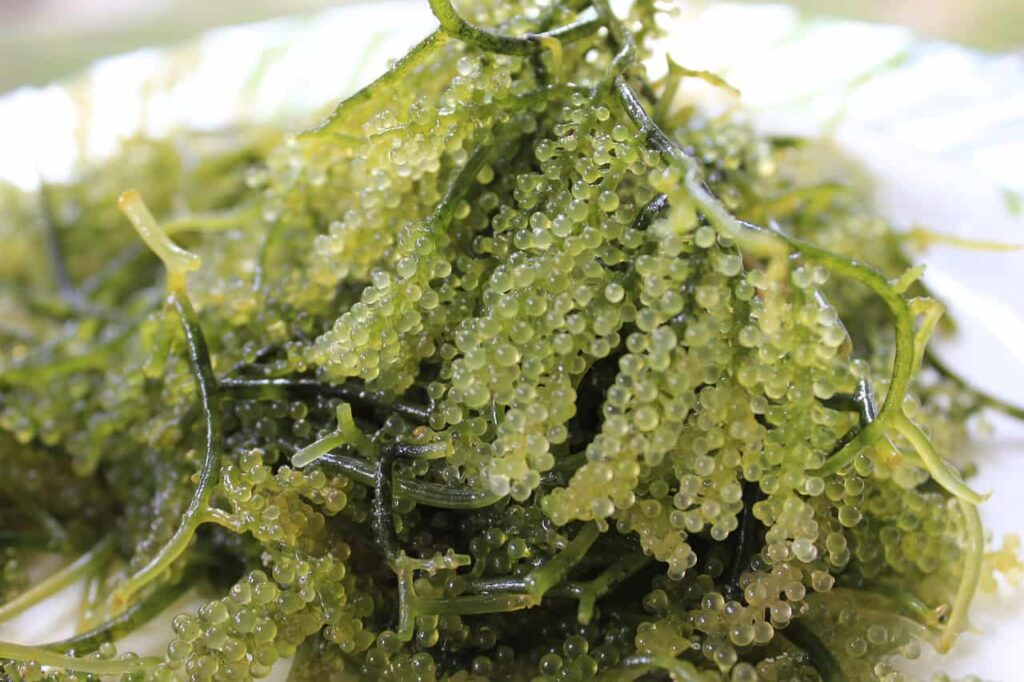
Seaweed products, which are gaining popularity due to their nutritional benefits, can also contain microplastics. Since seaweed grows in marine environments, it is directly exposed to any plastic pollution in the water.
Consumers seeking to benefit from seaweed’s health properties should be mindful of the source, as some regions have cleaner waters than others, affecting the quality of the product.
Vegetal Oils
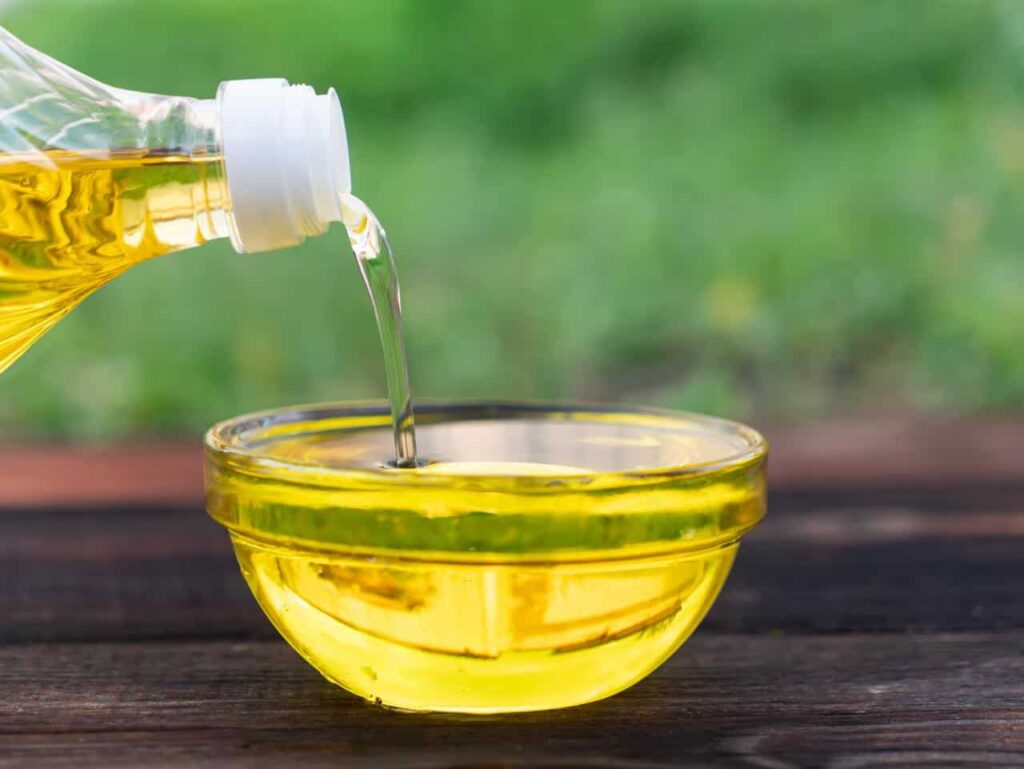
Cooking oils like vegetable or canola oil can have tiny bits of microplastics in them. These small particles get into the oil during making or packaging, mainly if plastic is used in taking out or storing the oil.
Using oils in glass bottles can lower the chance of microplastics, making it a safer option for cooking and preparing food.
Pasta

Dried pasta packaged in plastic often shows signs of microplastic contamination. During the boiling process, particles can be released into the water, which then gets absorbed into the pasta.
Opting for brands that use paper-based or eco-friendly packaging can help reduce exposure to microplastics while still enjoying a favorite meal.
Vinegar
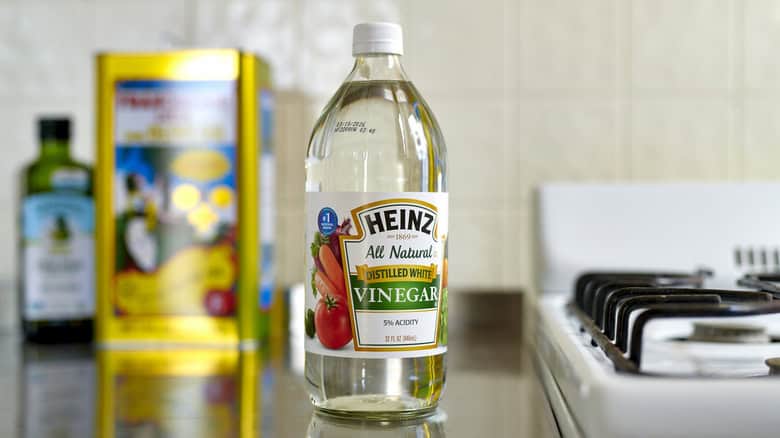
Vinegar often takes in microplastics because it touches plastic containers or caps while being stored and moved. Its sour nature can make the plastic break down faster, causing tiny pieces to mix into the liquid.
This happens more with vinegars kept in clear plastic bottles, which are more likely to leak these particles. Choosing vinegar sold in glass bottles can lower this risk, making a cleaner and safer product for cooking and salad dressings.
Glass not only keeps vinegar fresh but also stops extra microplastics from getting inside.
Cocoa Powder
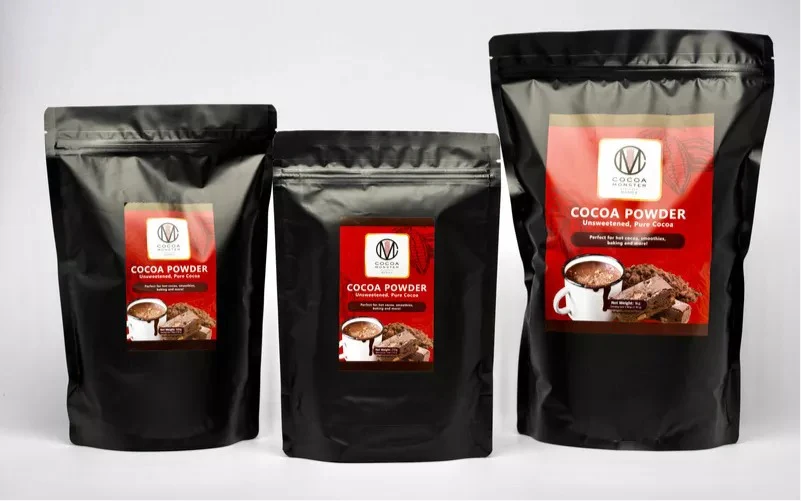
Cocoa powder used for baking or hot beverages can be exposed to microplastics through its packaging. The fine nature of cocoa powder makes it easier for tiny plastic particles to mix with the product during storage.
If the cocoa is processed in facilities with plastic equipment, the risk of contamination further increases. Selecting cocoa powders packaged in metal tins or eco-friendly materials can help limit exposure.
This simple change supports a more sustainable kitchen while ensuring that your sweet treats remain free of microplastics.
Peanut Butter
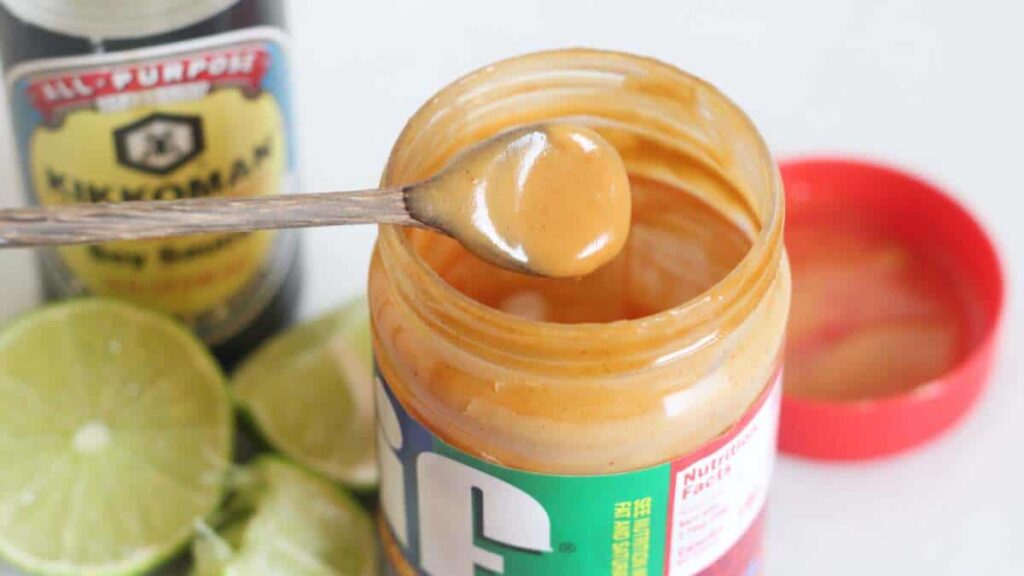
Peanut butter, usually kept in plastic jars, can pick up tiny plastic bits while it is made and stored. The oils in peanut butter can cause small pieces of plastic to come loose and mix with the spread.
This is a worry for people who eat peanut butter often for protein. Choosing peanut butter in glass jars can lower this risk.
Glass jars stop plastic pieces from mixing in and help keep the peanut butter fresh longer, keeping its flavor and feel.
Taking Charge of What’s on Your Plate

Microplastics have gotten into many of the foods we eat, such as seafood, bottled drinks, and even unexpected items like rice and honey.
It can be hard to avoid microplastics completely, but choosing what you eat and how it is packed carefully can lower your contact with them a lot.
By picking fresh, local products and noticing how food is handled and kept, you can keep yourself healthier and help the planet stay cleaner.
Let’s use what we know to make smart food choices that are good for both us and the environment.
If you like what you just read, then subscribe to my newsletter.
- Stop Eating These 19 Foods Once You Turn 50 (Even If They Are Delicious)
- Tasty and Easy: 22 Must-Try Meals for Your Camping Adventure
AI was used for light editing, formatting, and readability. But a human (me!) wrote and edited this.