5 Retirement Money Mistakes That Can Derail Your Financial Future
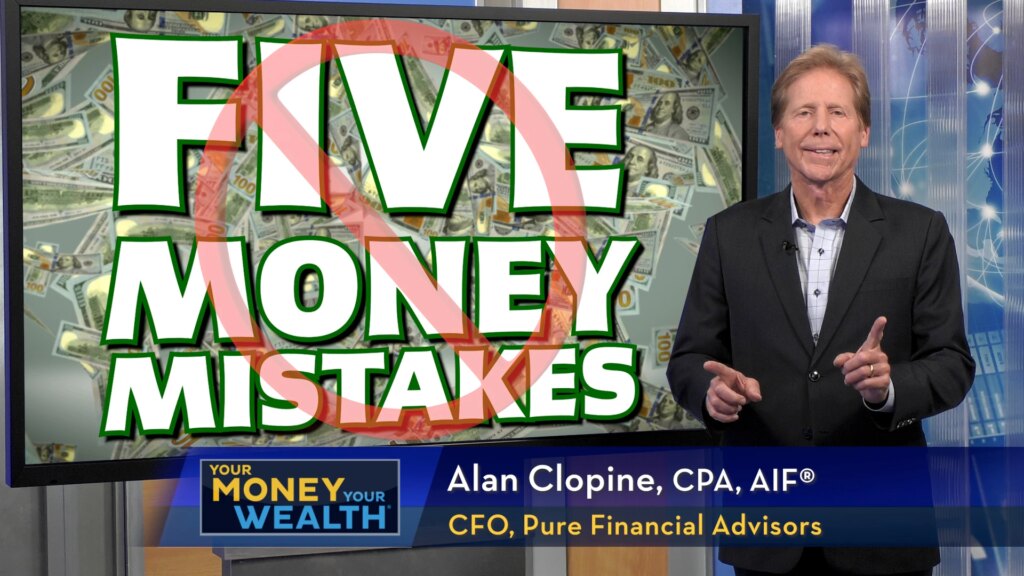
Many Americans work hard, save consistently, and still feel uncertain about retirement. The issue is rarely a lack of effort it’s often a handful of avoidable mistakes that quietly compound over time.
Surveys show large portions of the population are unsure where to get financial advice, how much they need to retire, or whether they’re on track. That uncertainty can lead to reactive decisions instead of strategic ones.
Here are five of the most common retirement money mistakes and why they matter.
1) Not Having a Clear Retirement Plan
A retirement plan doesn’t have to be complex, but it must be intentional. Yet many people approach retirement with only a rough idea of their needs.
A solid plan should outline:
• Target retirement age
• Income needs
• Income sources
• Investment strategy
• Tax considerations
Without a framework, decisions around investing, spending, and claiming benefits often become emotional. A structured plan helps align financial resources with long-term goals and reduces costly guesswork.
2) Claiming Social Security Too Early
Social Security can be claimed as early as age 62, but early claiming permanently reduces monthly benefits. Waiting increases them.
The difference between claiming at 62 versus 70 can mean tens or even hundreds of thousands of dollars over a lifetime, especially for those who live into their 80s or 90s.
For many retirees, Social Security is one of the only guaranteed, inflation-adjusted income streams. Claiming early without evaluating longevity, health, and other assets can significantly limit future income.
3) Tapping Retirement Accounts Prematurely
Retirement accounts are built for long-term growth. Early withdrawals can trigger:
• Income taxes
• Penalties
• Loss of compounding
A $15,000 early withdrawal can shrink substantially after taxes and penalties, but the larger cost is the lost growth that money could have generated over decades.
Emergency funds and short-term savings are designed to absorb financial shocks. Using retirement funds for non-retirement needs can undermine future security.
4) Ignoring Withdrawal Strategy in Retirement
Saving and spending require different strategies.
During accumulation years, market dips can be beneficial because contributions buy assets at lower prices. During retirement, withdrawals during downturns can permanently damage a portfolio.
Common approaches include:
• Fixed dollar withdrawals
• The 4% rule with inflation adjustments
• Fixed-percentage withdrawals
Each method has tradeoffs. A thoughtful strategy that accounts for market volatility and income needs improves sustainability.
5) Overlooking Taxes in Retirement
Taxes remain a major factor in retirement income. Traditional 401(k) and IRA withdrawals are taxed as ordinary income, while capital gains and Roth withdrawals are treated differently.
Poor sequencing of withdrawals can push retirees into higher tax brackets, increase Medicare premiums, and reduce net income.
Tax-efficient withdrawal planning can extend portfolio longevity without increasing investment risk.
The Bottom Line
Most retirement shortfalls don’t come from a single bad decision they come from small missteps repeated over time.
Avoiding these five mistakes can improve retirement security, increase flexibility, and reduce financial stress.
Retirement planning works best when it is proactive, not reactive. Clear goals, thoughtful timing, and tax awareness can make the difference between simply retiring and retiring well.
Intended for educational purposes only. Opinions expressed are not intended as investment advice or to predict future performance. Past performance does not guarantee future results. Neither the information presented, nor any opinion expressed constitutes a solicitation for the purchase or sale of any security. Consult your financial professional before making any investment decisions. Opinions expressed are subject to change without notice.
IMPORTANT DISCLOSURES:
• Investment Advisory and Financial Planning Services are offered through Pure Financial Advisors, LLC. A Registered Investment Advisor.
• Pure Financial Advisors, LLC. does not offer tax or legal advice. Consult with a tax advisor or attorney regarding specific situations.
• Opinions expressed are subject to change without notice and are not intended as investment advice or to predict future performance.
• Investing involves risk including the potential loss of principal. No investment strategy can guarantee a profit or protect against loss in periods of declining values.
• All information is believed to be from reliable sources; however, we make no representation as to its completeness or accuracy.
• Intended for educational purposes only and are not intended as individualized advice or a guarantee that you will achieve a desired result. Before implementing any strategies discussed you should consult your tax and financial advisors.