Inflation Is Rising Again and It’s Hitting Retirees and Workers Harder Than Investors
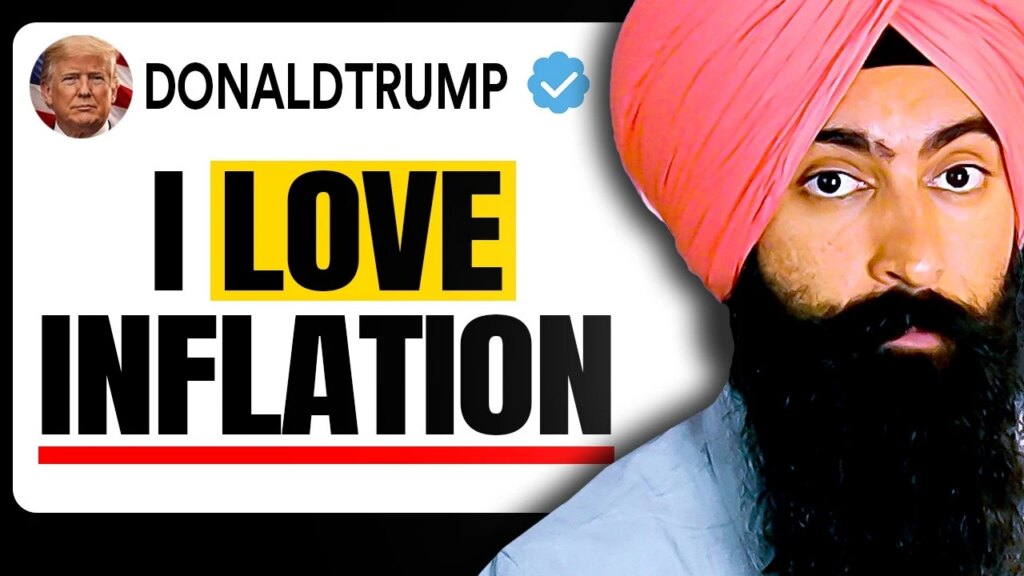
Inflation is rising again, and the people feeling it most are the ones least able to outrun it.
The latest Consumer Price Index showed prices up 4.2% over the past year in May, the highest reading since April 2023. Energy was a major driver: the energy index was up 23.5% year over year, and gasoline alone rose 40.5%. Even stripping out food and energy, core inflation was still 2.9%, which means price pressure is no longer just a gas-station story.
The oil backdrop helps explain why the inflation jump has felt so immediate. Reuters reported that Iran closed the Strait of Hormuz after U.S. strikes, disrupting a route that handles roughly 20% of global oil and gas shipments. Even though a tentative peace deal has since pushed oil prices lower, Reuters also reported that policymakers still expect inflation relief to take time because supply normalization will be slow.
That lag matters because oil never stays confined to oil. Higher crude prices move into gasoline, diesel, shipping, fertilizer, groceries and countless other costs that arrive with a delay. By the time the headline energy shock starts fading, households are often already paying for it in the rest of their budget.
Retirees are among the clearest losers in this environment.
Social Security beneficiaries received a 2.8% cost-of-living adjustment for 2026, but inflation is now running at 4.2%. Medicare Part B premiums also rose from $185.00 in 2025 to $202.90 in 2026, an increase of about 9.7%. In practical terms, that means a retiree living mainly on Social Security is facing a higher cost of living, a benefit increase that did not keep up, and higher healthcare premiums taking a bigger bite out of the check that remains.
Workers are not doing much better. The Bureau of Labor Statistics reported that real average hourly earnings fell 0.8% from May 2025 to May 2026. In other words, even when paychecks are larger in nominal terms, they are buying less after inflation is taken into account. That is the cruelest version of inflation: the one where people technically make more money while functionally falling behind.
Savers are squeezed too. When inflation is running above 4% and a savings account is earning materially less than that, the saver is not preserving purchasing power. The account balance may rise slightly, but its real value declines. Safe money can still be useful for liquidity and emergency reserves. It is just not a solution to inflation by itself. That is especially true when the government itself is raising healthcare costs and the private economy is raising everything else.
Investors, by contrast, have more ways to adapt.
Stocks have generally outpaced inflation over long stretches, even though short-term drawdowns remain normal and painful. The practical lesson is not that markets rise in a straight line, but that ownership tends to do better than passivity when money is losing value. Inflation is hardest on wages, cash and fixed benefits. It is easier to survive when you own assets that can reprice with the economy rather than merely live inside it.
That is why the inflation debate is really a wealth-distribution debate in disguise.
People who rely mainly on a paycheck, a fixed government benefit or cash savings are exposed. People who own productive assets have more protection, even if they still endure volatility along the way. The system does not reward everyone equally when prices rise. It rewards ownership more than labor, and long-term investing more than short-term caution.
This does not mean every investor wins automatically. Market timing, fear and poor decisions can still destroy returns. But history is clear on one point: long-term ownership of diversified assets has generally been a better answer to inflation than sitting still and hoping prices calm down on their own.
The uncomfortable truth is that inflation is not just a statistic. It is a transfer.
It transfers purchasing power away from savers, retirees and workers whose income does not adjust fast enough. It transfers advantage toward people who own assets, understand compounding and can tolerate staying invested through periods that feel scary in the moment. The latest report did not create that system. It simply made it easier to see again.
That is why the real response to inflation cannot be only frustration. It has to be strategy.
Retirees need to understand that headline COLAs do not guarantee real protection. Workers need to recognize that nominal raises can still leave them poorer. Savers need to know that cash is a tool, not a plan. And anyone hoping to preserve purchasing power over the long run needs to think seriously about owning assets that can outgrow inflation rather than merely absorb it.
Because when inflation starts rising again, the people who stand still are usually the ones who lose ground fastest.
Jaspreet Singh is not a licensed financial advisor. He is a licensed attorney, but he is not providing you with legal advice in this article. This article, the topics discussed, and ideas presented are Jaspreet’s opinions and presented for entertainment purposes only. The information presented should not be construed as financial or legal advice. Always do your own due diligence