23 Things You Didn’t Know Are Unsafe to Leave Inside Your Car


You use your car like a moving storage space, tossing in things like electronics and groceries without a second thought. But leaving items in cars can cause big problems. Some things can lead to theft, damage, or safety risks, so rethink what you keep there.
Did you know that after 1 hour, a car’s interior can reach about 100 degrees F (38 degrees C)? That quick rise in heat can ruin belongings and create hazards, especially for fragile electronics and perishable food.
Below we list items you should never leave in your car and explain why. Knowing these risks can prevent costly mistakes and protect your stuff.
Have you ever left something in your car that could cause trouble later? Keep reading to find out what to avoid.
Batteries

Batteries, mainly lithium-ion types, should not stay in a car for long times. Heat can damage batteries, cut their life and power. High heat can make batteries leak or swell, raising fire or blast risk.
Cold weather drains batteries quick. Spare batteries left in your car in winter might not work when you need them.
Store batteries in a place with steady temps, above all if they recharge or go in costly gear.
Musical CDs and Vinyl Records
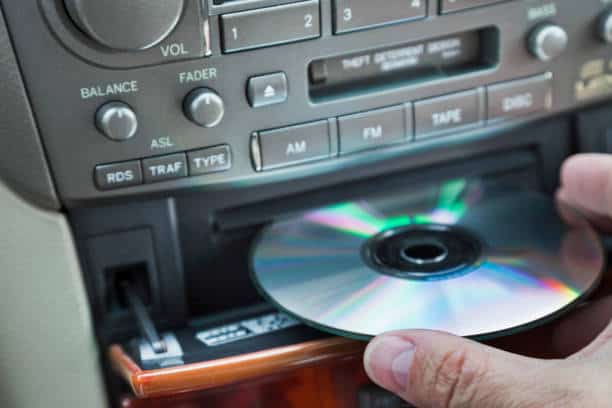
For music lovers who keep their CDs or vinyl records in the car, extreme temperatures can be their worst enemy. Heat can cause CDs to warp or melt slightly, rendering them unplayable.
Vinyl records are even more susceptible to heat damage, as they can become warped beyond repair if left in a hot car for too long. Cold weather can also affect these items by making them brittle, increasing the chance of them cracking or shattering when handled.
Given that many of these items may have sentimental or collectible value, it’s important to store them in a safe, temperature-controlled environment instead of your car.
Artwork
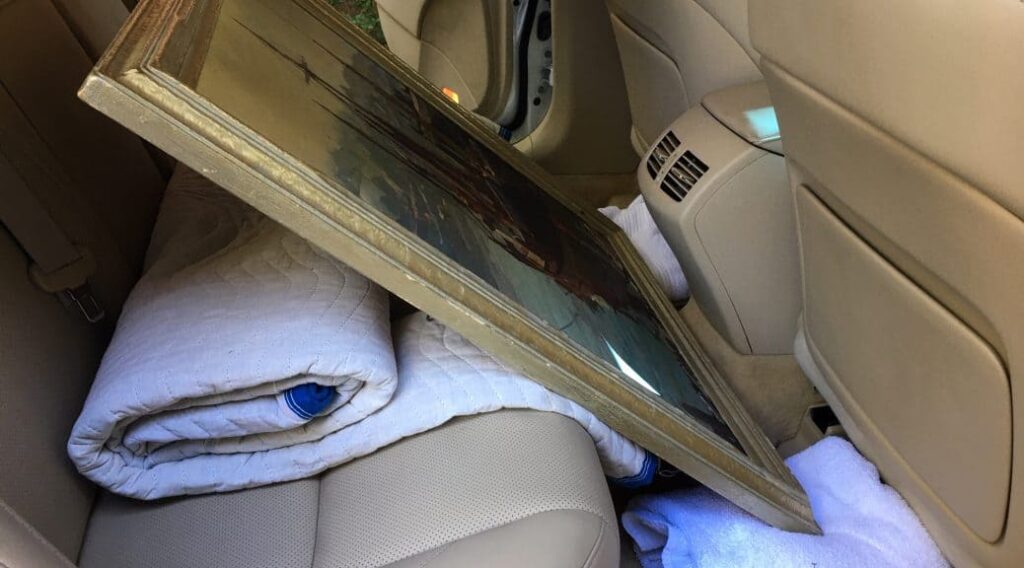
Transporting artwork can be risky if left in a car for too long, especially pieces that are sensitive to temperature and humidity. Heat can cause the paint or ink to crack or bubble, while cold temperatures can lead to condensation, which could ruin the art.
These environmental changes are particularly harmful to valuable or delicate works that cannot be easily replaced. Also, the risk of theft is high, as visible artwork in your car can attract attention.
Art lovers should always prioritize proper care and avoid leaving any pieces in their car for extended periods. Protecting your artwork is easier when you bring it inside after transporting it.
Fire Extinguishers
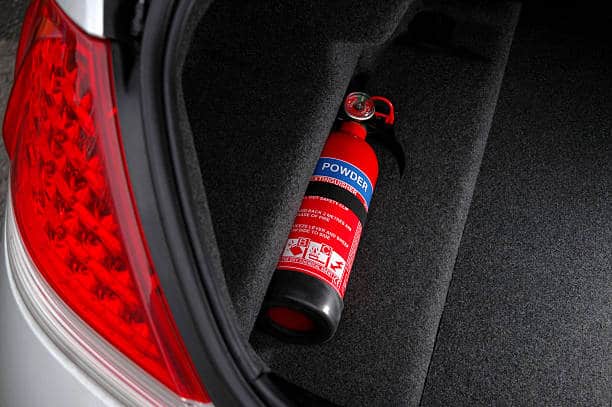
Keeping a fire extinguisher in your car may look like a smart safety step, but high heat can make it risky. Fire extinguishers hold pressure, and too much heat can cause them to burst or fail.
This breaks the extinguisher and may hurt you or damage your car’s inside. Cold can harm the chemicals inside and make it work less well.
If you store one in your vehicle for emergencies, put it in a spot away from extreme heat or cold, such as under a seat or in the trunk in bad weather.
Sporting Equipment
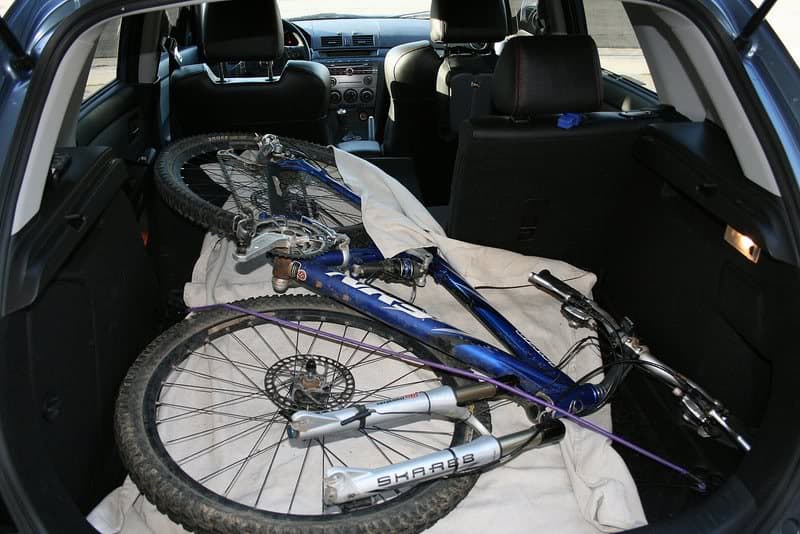
Leaving sporting equipment in your car, such as golf clubs, tennis rackets, or bicycles, can lead to unnecessary wear and tear. Heat can warp or weaken certain materials, especially composites or plastics, which are often used in modern equipment.
Similarly, cold temperatures can make these materials more brittle, increasing the risk of cracks or breaks. Aside from the damage to the equipment itself, visible gear in your car can also attract thieves.
High-value items like golf clubs or specialized sporting gear are expensive to replace, so it’s better to remove them after use rather than leave them vulnerable to theft and temperature extremes.
Canned Beverages
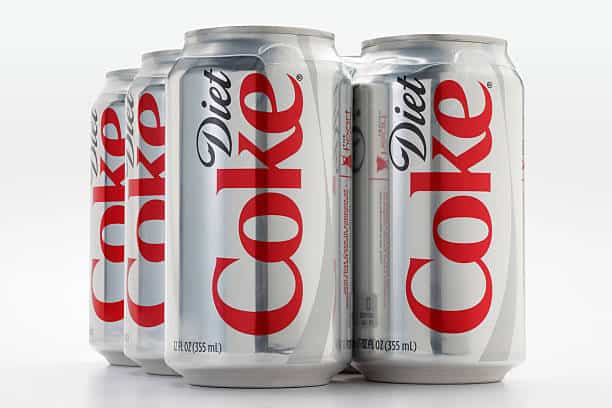
Keeping canned beverages in your car may seem convenient, but it can lead to a mess and wasted drinks. In hot weather, the liquid inside cans can expand, potentially causing the can to burst or leak. This not only ruins the beverage but also creates a sticky mess that’s difficult to clean up.
In colder temperatures, the liquid inside cans can freeze, causing the can to expand and eventually burst. Even if the can doesn’t break, freezing can alter the taste and quality of the beverage. To avoid these problems, take your canned drinks with you when you leave your car.
Cleaning Supplies
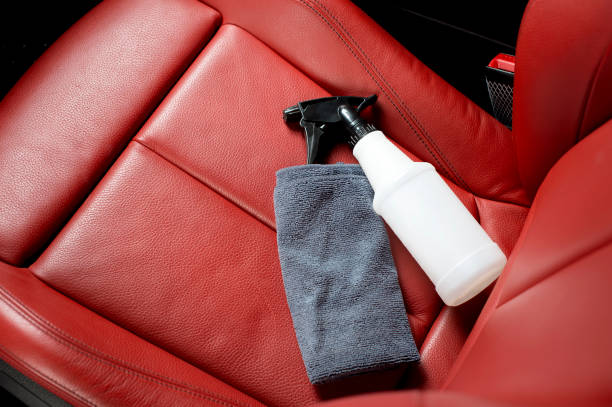
Household cleaning supplies, mainly those with chemicals like bleach or ammonia, must not stay in a hot car. High heat can make these chemicals turn to gas or leak, which makes bad fumes that hurt your lungs.
Pressurized bottles might even break open, which leads to a dangerous spill that needs a lot of cleanup. Natural cleaning items can also stop working well or go bad in high heat.
To protect your car and health, keep cleaning products in a cool, dry spot, not in your car.
Glasses and Sunglasses
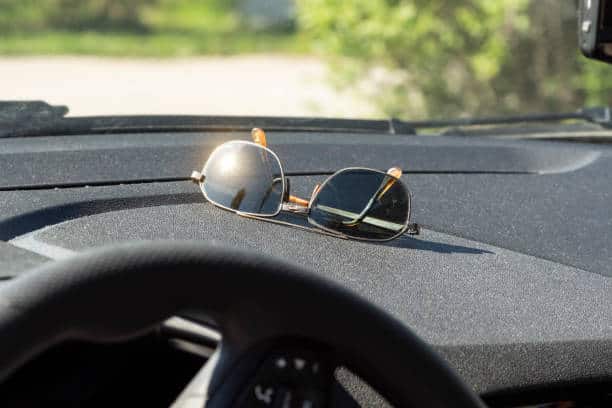
Many people leave their sunglasses in their car for convenience, but this can lead to issues over time. Extreme heat can cause plastic frames to warp and may even affect the lenses, leading to distorted vision.
If you leave glasses with metal frames in the car, they can become too hot to wear comfortably. In colder conditions, the lenses of your glasses may develop condensation or fog up, making them difficult to use.
Over time, this can lead to permanent damage to your lenses or frames. To keep your glasses in good condition, it’s best to bring them inside when you’re not driving.
Electronics

Leaving electronics in your car can be a recipe for disaster. Devices like laptops, tablets, and phones are sensitive to extreme temperatures. On hot days, the internal components can overheat, potentially leading to permanent damage.
Similarly, in colder temperatures, batteries can lose their charge or fail altogether. These gadgets can also attract thieves, leading to break-ins even if the device is hidden under a seat or in the glove compartment.
In addition to the risk of theft and damage, leaving electronics in your car can affect your privacy. Devices often contain sensitive personal information, which can be compromised if they are stolen.
Be it a work laptop full of confidential documents or a smartphone with saved passwords, your data is vulnerable when left unattended in a car.
Medications
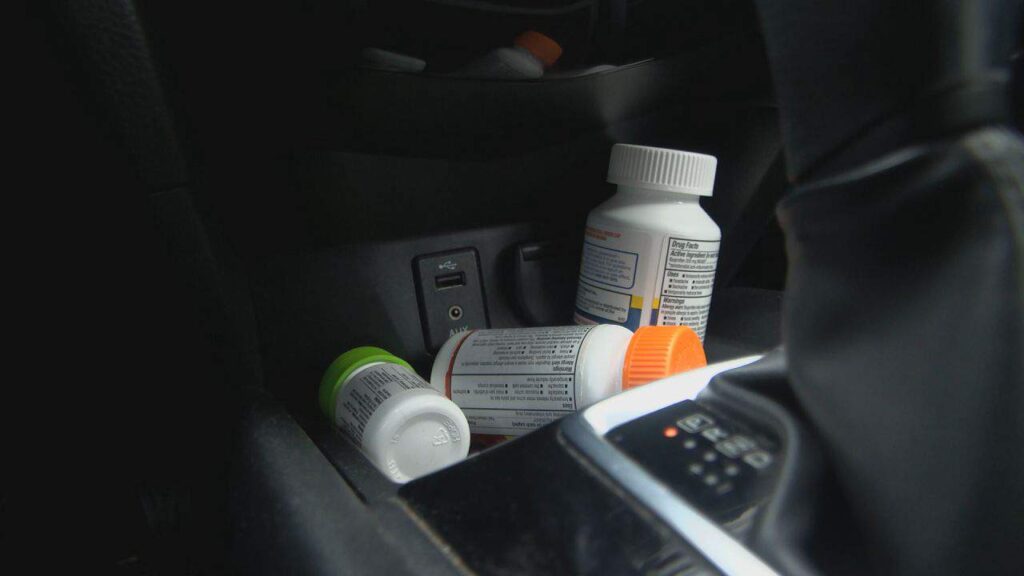
Many people carry meds with them for emergencies, but leaving them in your car can make them less strong. Most meds need room temperature, and a hot car can break them down or cut their power.
Leaving meds in your car can make them less strong, as most need room temperature. Heat can break them down, and cold can make some freeze. Insulin and EpiPens react badly to temperature changes. To stop damage, always take your meds inside, even for quick trips.
In cold months, meds can also freeze and become useless. For these reasons, it’s always best to take your meds inside, no matter how quick the trip.
Important Documents
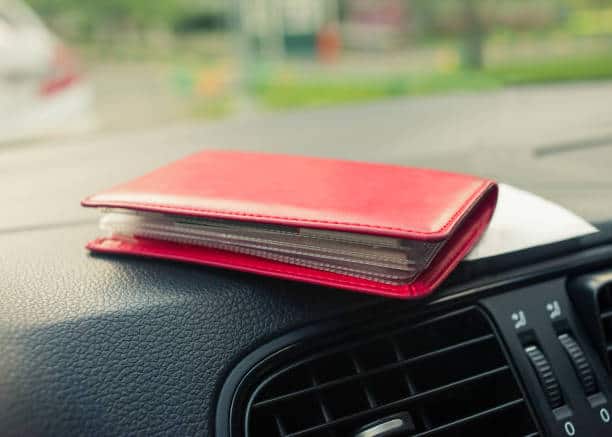
It might seem convenient to store important documents like your car’s title, insurance papers, or even your passport in your glove compartment. Although, leaving these items in your car poses a significant security risk. If your car is stolen or broken into, identity theft could follow.
The information contained in these documents can be used by thieves to commit fraud, apply for credit, or access your personal accounts. Even lesser documents, like mail with personal details, should be kept out of your vehicle.
If identity theft occurs, it can take months or even years to resolve the fallout, so it’s better to minimize the risk by keeping such papers at home or in a secure location.
Food and Drinks
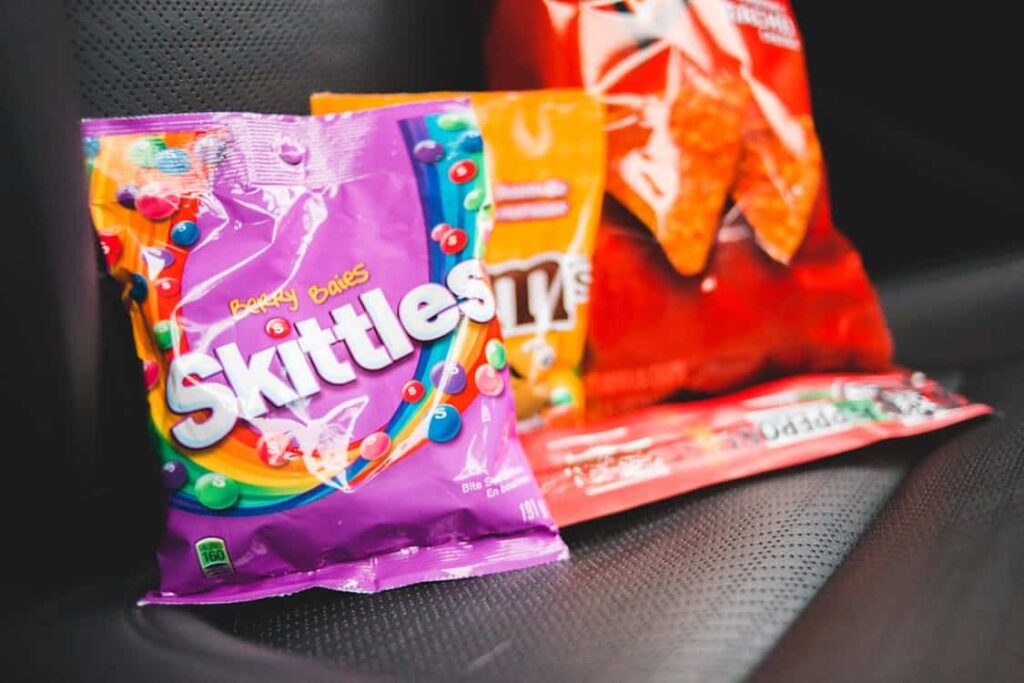
It’s tempting to leave snacks and bottled water in the car for convenience, but this practice can lead to unwanted consequences. In hot weather, plastic bottles left in the car can degrade, potentially leaching harmful chemicals like BPA into the water.
Food items left behind can spoil or attract pests, leading to unpleasant odors or even infestations inside your vehicle. Not only does food spoil, but some items can also melt and create a mess.
Chocolate, for example, can easily melt on a warm day, leaving sticky stains on your seats. Avoid the hassle of cleaning up by taking food and drinks with you when you leave your car.
Aerosol Cans
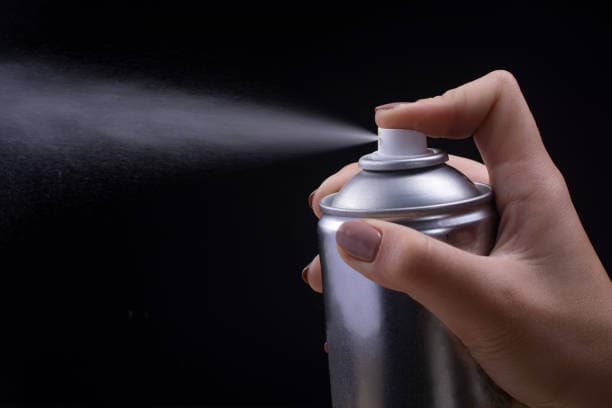
Aerosol cans, such as deodorants or cleaning sprays, should never be left in your car. These cans are pressurized, and when exposed to high temperatures, they can expand and potentially explode.
Even on a mild day, the interior of your car can reach temperatures that are dangerous for aerosol products. Beyond the risk of explosion, these chemicals can also leak if the can is compromised, creating harmful fumes inside your vehicle.
This is especially concerning if you have children or pets who ride in the car frequently. To avoid accidents and chemical exposure, always remove aerosol cans when you exit the car.
Valuables and Cash

It looks obvious, but many people leave valuables and cash in cars. Items can range from jewelry and costly sunglasses to cameras or big stacks of cash.
Cars rank high on thieves’ hit lists. A single coin left in plain sight on the dash might spark a break-in.
A locked car with an alarm isn’t perfect. A thief who tries hard can smash in, damage the car, and grab the goods. The smart move is to take all items inside with you.
Sunscreen and Cosmetics

Sunscreen and cosmetic products are often forgotten in cars after a day at the beach or an impromptu shopping trip. Unfortunately, these products can degrade quickly when left in high temperatures.
Sunscreen, in particular, loses its effectiveness after prolonged heat exposure, meaning you won’t get the protection you need when you apply it. Cosmetics like lipstick, foundation, and mascara can also be affected by temperature changes.
These products can melt or separate in heat, and freezing temperatures can alter their consistency. To maintain the quality of your skincare and makeup, store them in a cool, controlled environment, not your car.
Gasoline or Fuel Containers
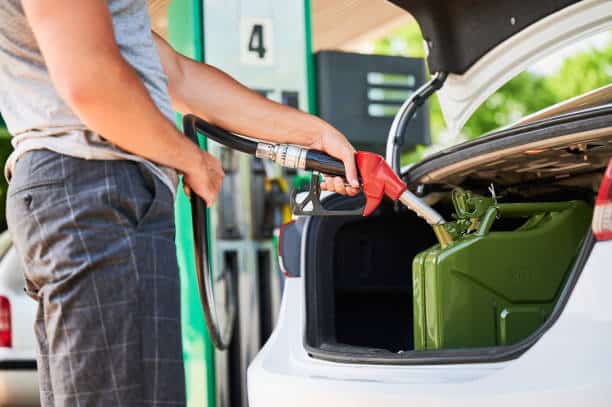
While it might seem practical to keep an extra container of gasoline in your trunk, this can be incredibly dangerous. Fuel is highly flammable, and in the heat, it can expand, creating pressure inside the container.
If the container isn’t sealed properly or becomes compromised, it could lead to a fire or explosion. Even if your car isn’t parked in the sun, keeping fuel in your car is never a safe practice.
If you need to transport gasoline, make sure you do so in a proper container and remove it from your car as soon as possible.
Lighters and Matches
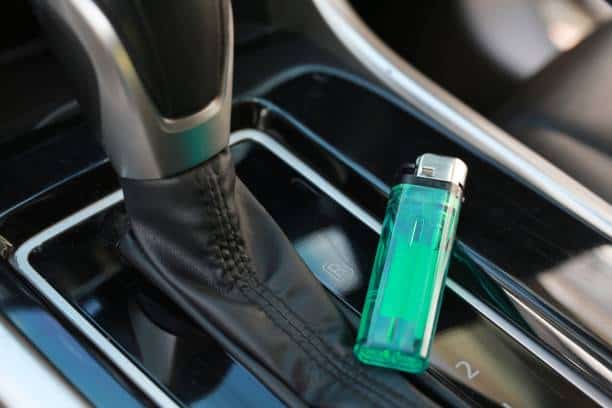
Lighters and matches are another item that can become a hazard when left inside a hot car. Lighters can easily overheat and explode when exposed to high temperatures. Even though matches don’t explode, they can ignite if they rub against certain surfaces, creating a fire risk.
Even on mild days, the interior of your car can reach temperatures that make these items dangerous to store. If you carry them for camping or emergencies, it’s best to bring them inside or store them in a more temperature-controlled environment.
 If you like what you are reading, then click like and subscribe to my newsletter. We share tips to waste less time and money.
Wet Clothing and Towels
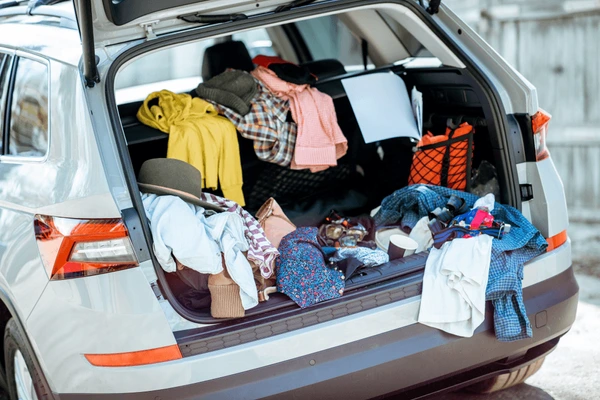
After a swim at the pool or beach, you might want to leave wet towels or swimsuits in the car. Damp things can grow mold and smell bad if kept in a tight space too long.
Wet fabric gives bacteria and mildew what they need to grow fast. This harms your car’s inside and your health.
Mold is hard to get rid of once it starts. It leads to big cleaning costs and fixes. Take wet items out of the car right away and dry them well to skip these issues.
Pets
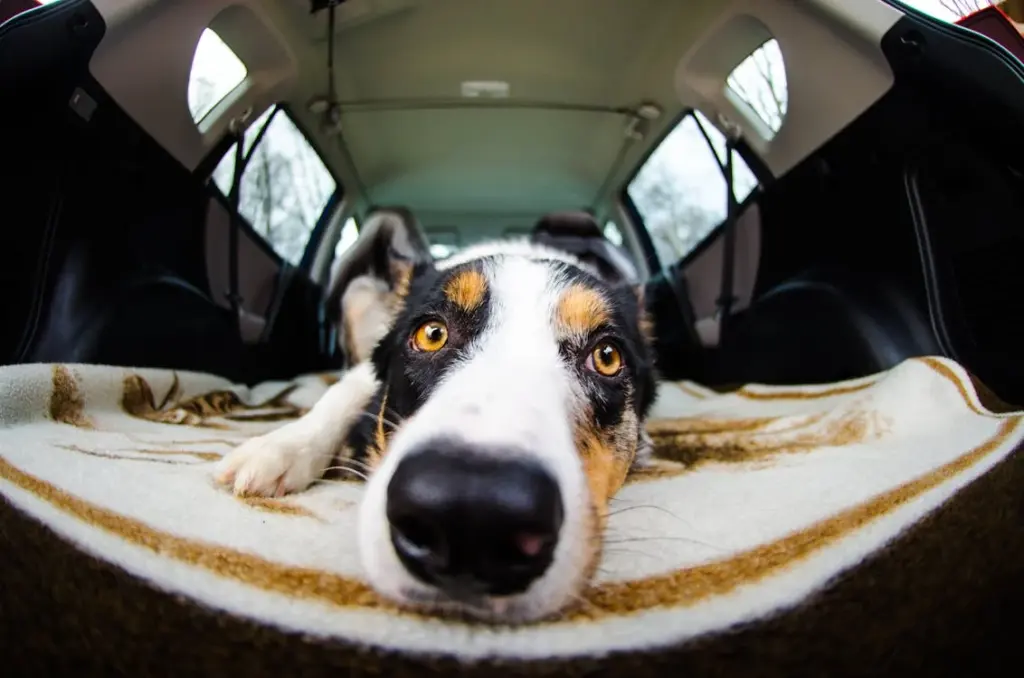
Though it may seem obvious, leaving pets in the car, even for a short period, is extremely dangerous. Cars can heat up rapidly, even on cooler days, putting your pet at risk of heatstroke.
Dogs, in particular, are more sensitive to heat than humans, and their temperature can rise quickly in a hot car, leading to fatal consequences.
Leaving windows slightly open does little to alleviate the heat, and the best course of action is to leave your pet at home if they can’t come inside with you. Your pet’s safety should always be a top priority.
Perishable Groceries

Many people make the mistake of leaving groceries in their car while running errands. Perishable items like dairy, meat, and frozen foods can spoil quickly if not refrigerated promptly. In warm weather, bacteria can multiply rapidly on these items, increasing the risk of foodborne illness.
Even if the weather is cool, prolonged exposure to fluctuating temperatures can reduce the shelf life of your groceries. It’s always best to take perishable goods straight home or use a cooler to keep them fresh.
Musical Instruments
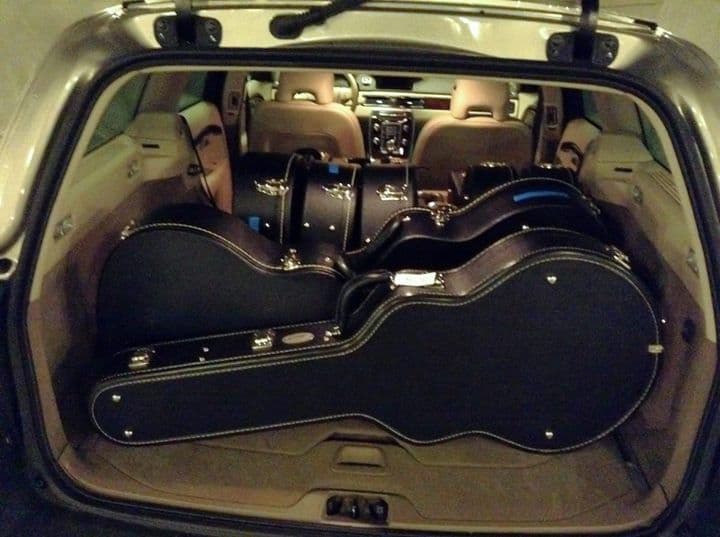
Musical instruments, particularly those made of wood, can be severely damaged by extreme temperatures. Heat can cause the wood to warp, crack, or separate, while cold temperatures can affect the tuning and overall integrity of the instrument.
Instruments are often expensive and delicate, so it’s crucial to store them in a stable, climate-controlled environment.
Leaving your guitar or violin in a hot car can also damage its strings and other components, leading to costly repairs. To keep your instruments in good condition, always take them inside after use.
If you like what you are reading, then click like and subscribe to my newsletter. We share tips to waste less time and money.
Children’s Toys
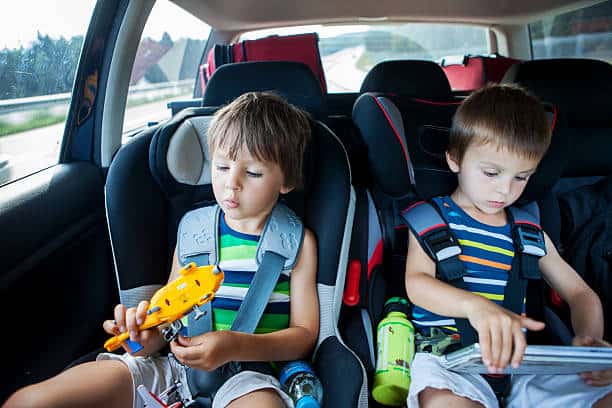
Children often leave toys scattered around the car, but it’s a good idea to take them inside when not in use. Certain toys, especially those made of plastic, can melt or become deformed in high temperatures.
Toys with batteries are also at risk of leaking or even exploding when left in a hot environment. Beyond the risk to the toys themselves, leaving them in the car can also make cleaning and organizing more difficult.
A clutter-free car is safer and more comfortable for everyone who rides in it.
Plants

While it may seem harmless to leave a potted plant in your car, doing so can cause harm to the plant and potentially create a mess. Extreme temperatures in a vehicle can either overheat or freeze the plant, affecting its health.
Heat can cause dehydration, wilting, and sunburn on the leaves, while cold can lead to frost damage or shock, causing the plant to die. To add to temperature concerns, leaving plants in your car could cause soil to spill, creating a difficult-to-clean mess.
This not only leads to more work but can also clog air vents or damage your vehicle’s interior. Always bring plants inside when you’re done with your errands to ensure their longevity and avoid extra cleaning.
Keep Your Car Safe and Your Belongings Protected

Your car helps you get around, not hold stuff. Leaving some things in it looks easy, but the dangers beat the gains.
Skip these usual errors to guard your things, stay healthy, and keep your car safe. Check your car twice before you go in. It takes little time but stops big problems later.
So, next time you park, ask yourself: Are you leaving anything behind that could lead to trouble?
If you like what you just read, then subscribe to my newsletter.