Is Polestar Finished In The U.S.?
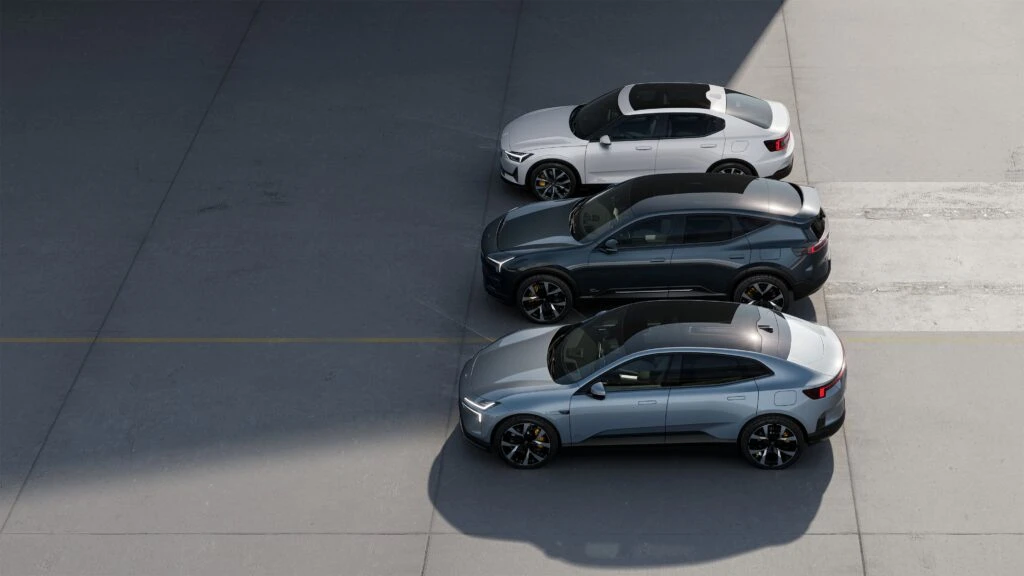
Polestar is not dead. But in the United States, the Swedish electric performance brand just suffered the kind of regulatory blow that can change a company’s future overnight.
The company says it is “strengthening its focus on Europe,” which sounds like a calm strategic pivot. It may be that. But it is also a direct response to a major setback from the U.S. Department of Commerce’s Bureau of Industry and Security, which did not grant Polestar authorization under the current Connected Vehicle Rule to sell vehicles in the United States from model-year 2027 onward.
That makes the question unavoidable: is Polestar finished in America? The honest answer is not yet. Existing U.S. stock of the Polestar 3 and Polestar 4 can still be sold, and Polestar says current customers will continue to receive support through its service network. But as a growing new-car brand in the United States, Polestar’s road just became dramatically narrower.
You may also like: Will Polestar Survive? Here’s What They Told Us.
Why Polestar’s U.S. Setback Is So Serious
This is not a normal sales slowdown. It is not a pricing issue, a weak lease program or a dealer-network problem. This is a regulatory wall.
The U.S. Connected Vehicle Rule was created around national security concerns involving connected vehicle software, hardware, data and companies linked to China or Russia. Polestar is headquartered in Sweden, but it is majority-owned by China’s Geely Holding. That makes the brand’s American future more complicated than a simple question of where the cars are assembled.
For years, Polestar has worked to position itself as a credible premium EV alternative to Tesla, BMW, Mercedes-Benz, Audi and Volvo. The Polestar 2 gave the brand visibility. The Polestar 3 was supposed to expand its U.S. presence. The Polestar 4 added a more dramatic crossover shape. The Polestar 5 was meant to push Polestar deeper into performance-luxury territory.
Now the company is telling America that current inventory remains available, but future model-year 2027 sales are blocked under the current rule. That is a major blow to momentum.
You may also like: The Ice-Cold Reality of the 544-HP Polestar 4
Existing Cars Stay, But The Future Gets Cloudy
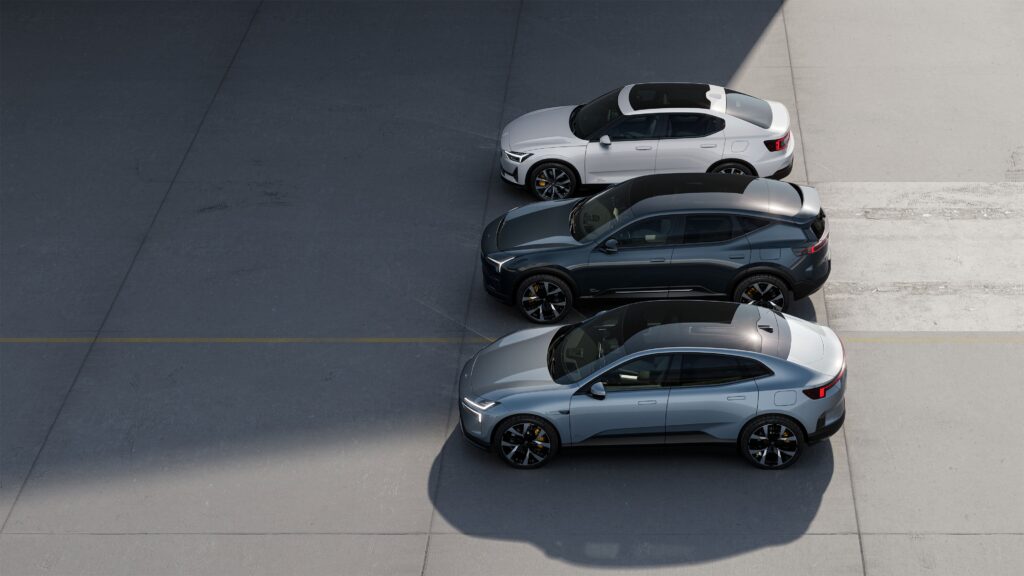
Polestar says it will continue selling existing U.S. stock of the Polestar 3 and Polestar 4. It also says it will continue supporting customers, including access to its service network.
That point matters. Current owners should not read this as a warning that their cars are about to become unsupported driveway sculpture. Service, parts, software support and customer care remain essential if Polestar wants to preserve trust in the brand.
But for shoppers, the calculation changes. A buyer considering a Polestar today now has to ask whether they are buying into a long-term U.S. brand or purchasing one of the final available examples from a shrinking American footprint. Under the Federal Register rulemaking behind this policy, connected vehicle manufacturers must deal with declarations, covered software and authorization requirements. That is not the kind of uncertainty most buyers expect when shopping for a premium EV.
Automotive buyers will accept a lot from a new brand. They will accept unusual styling, a smaller showroom network and even a learning curve around charging. What they struggle with is doubt about whether the company will still be growing around them after the sale.
You may also like: Polestar 4 Gets Rear Window and More Space in Big Update
Europe Becomes The Center Of Polestar’s Plan
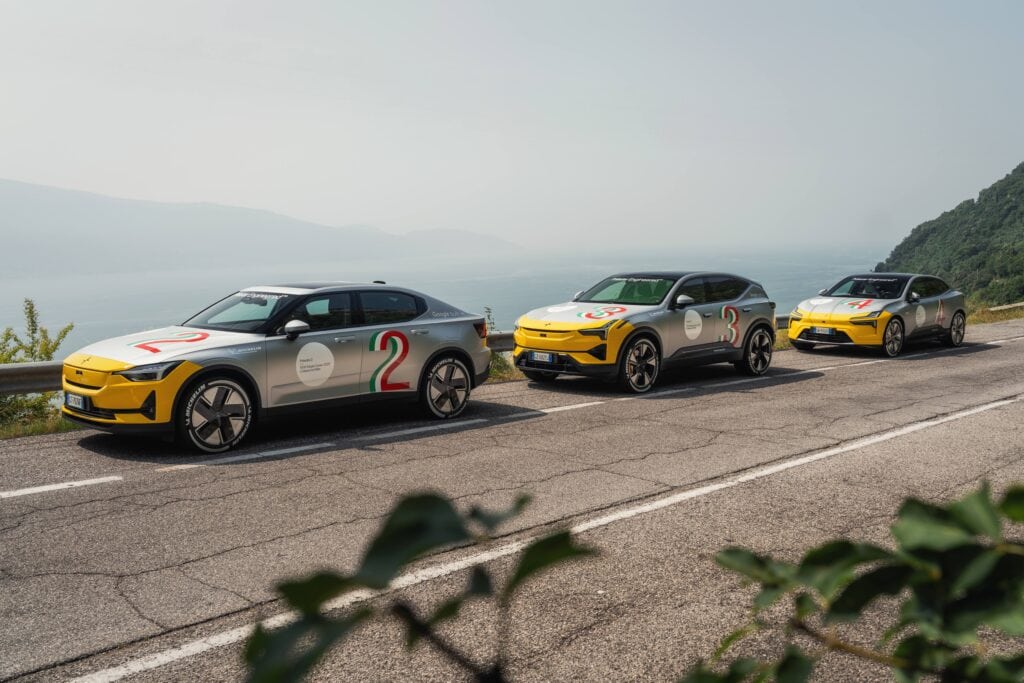
Polestar’s release makes clear where the company now wants attention to go. Europe represents close to 80% of its retail sales volume, and 94% of its first-quarter 2026 retail sales came from outside the United States.
That helps explain why Polestar is not presenting this as an existential crisis. The company says it will continue investing in Europe, Southeast Asia, Eastern Europe, Latin America and Canada. It is also preparing to localize future manufacturing, including a plan to build the Polestar 7 compact SUV in Europe.
Globally, that may be a logical move. But in America, it leaves Polestar looking less like a challenger brand and more like a cautionary tale.
The bigger message is that the auto industry is no longer just about batteries, charging speeds, design and performance. It is also about software origin, data security, ownership structure and political trust. For readers trying to understand the broader shift, NHTSA’s consumer guide to electric and hybrid vehicles is a useful reminder that EV ownership already involves different technology, safety and charging considerations than gasoline vehicles.
You may also like: Polestar 3 Challenges Industry with Radical Transparency
So, Is Polestar Finished In America?
Not officially. Not today. But the company’s U.S. new-car ambitions have been severely damaged unless the rule changes or Polestar receives a future authorization.
The brand may survive and grow elsewhere. In fact, Europe may become a more natural home for Polestar’s next phase. But in the United States, this is a serious reset. The cars are still interesting. The design still stands apart. The technology still has appeal. Yet the business case has changed almost overnight.
For Polestar, the American story is not over. It is just much harder to see. And for shoppers, that may be the part that matters most.