The Slate Truck Makes Pickups Look Overcomplicated
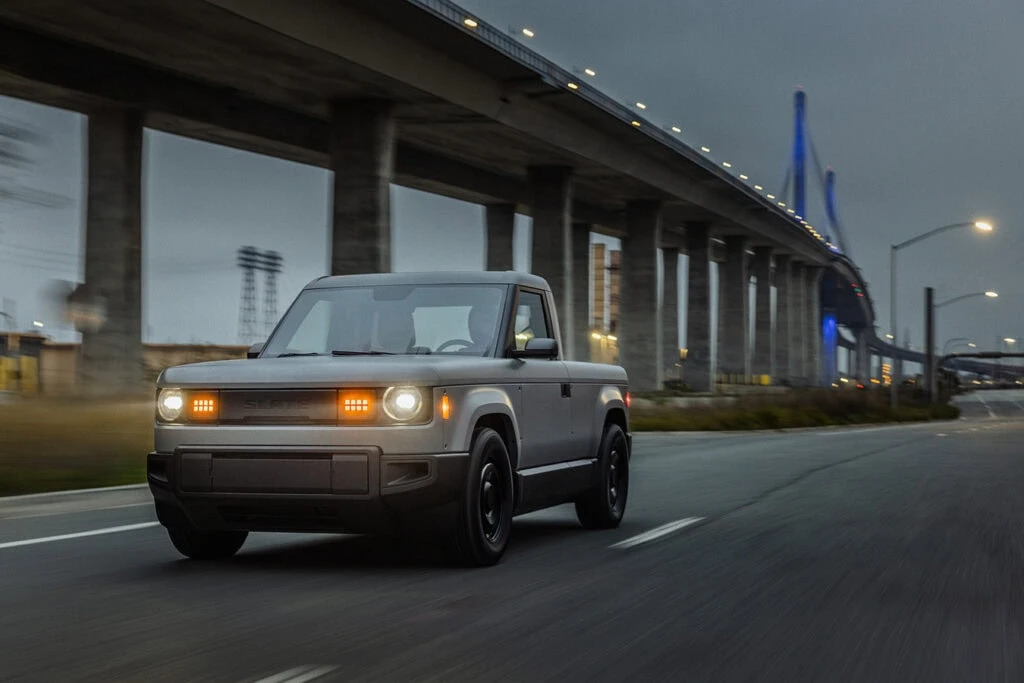
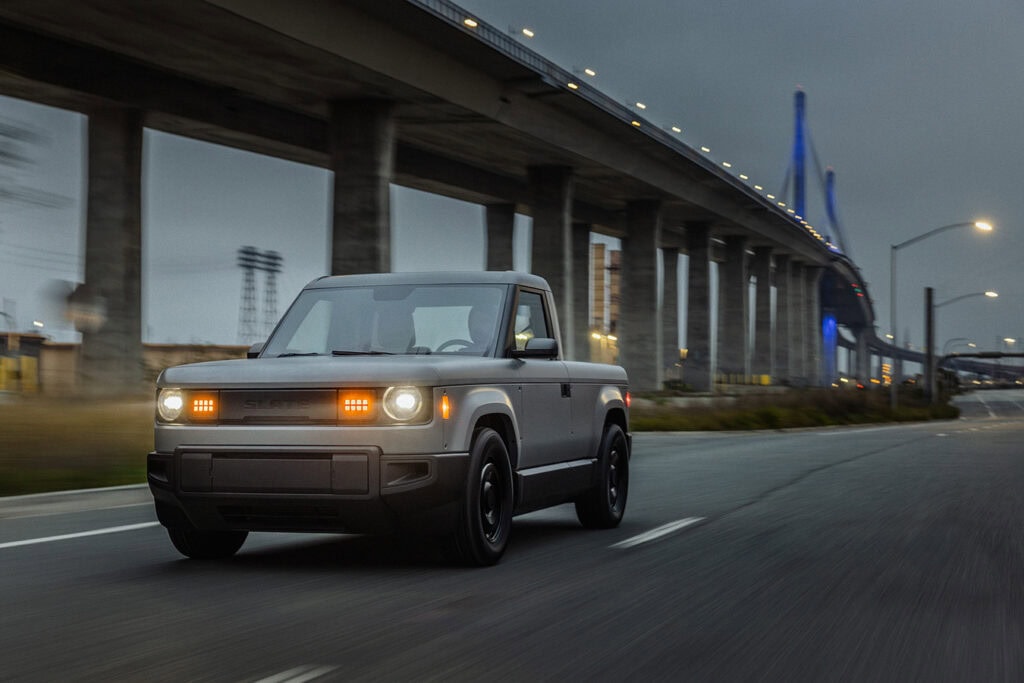
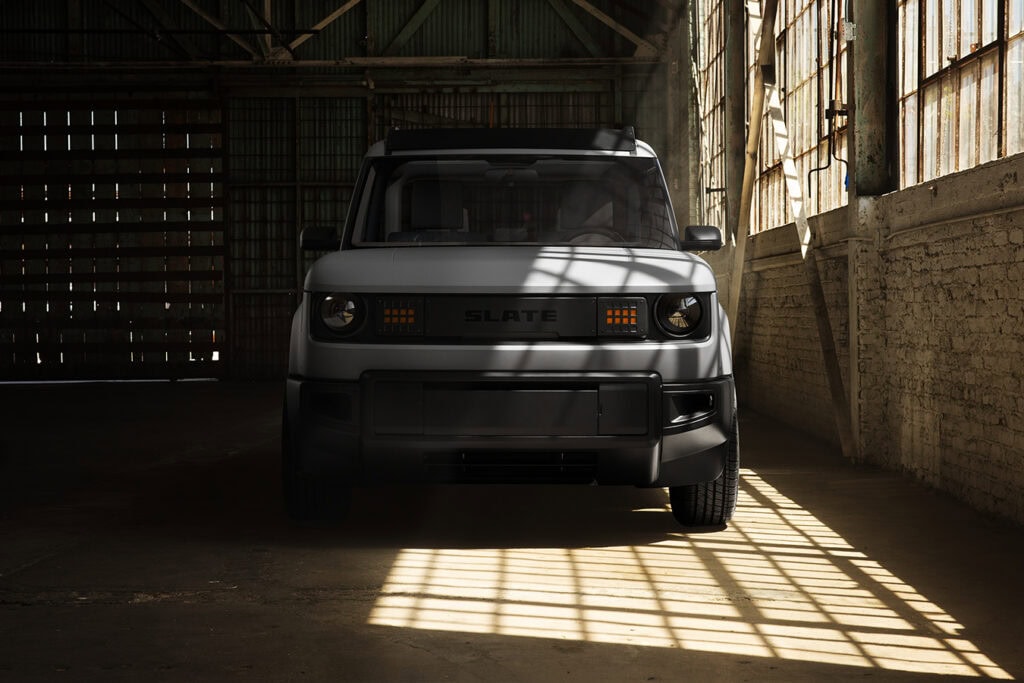
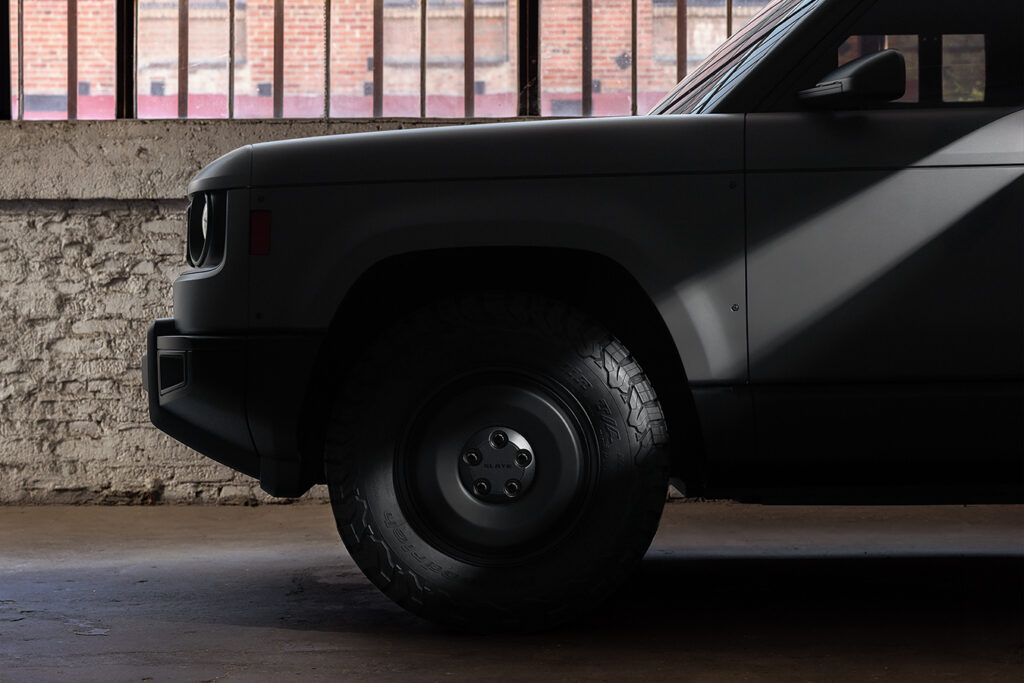
The Slate Truck is a production modular electric pickup with a listed $24,950, and its simplicity makes expensive pickups look way overcomplicated.
That price of $24,950 is before taxes, title, license, registration, government fees, destination, documentation, and optional equipment. Its bigger story is not only price. It is the idea that a truck can be affordable, quiet, customizable, and useful without becoming wildly overcomplicated.
Why This Small Electric Truck Matters
The Slate Truck arrives with a number that almost feels out of place in today’s pickup market: $24,950. In a world where many pickups now seem to arrive with luxury-car pricing and a small apartment’s worth of digital complexity, Slate’s argument is strikingly simple. What if a truck did less, cost less, and still made more sense for real life?
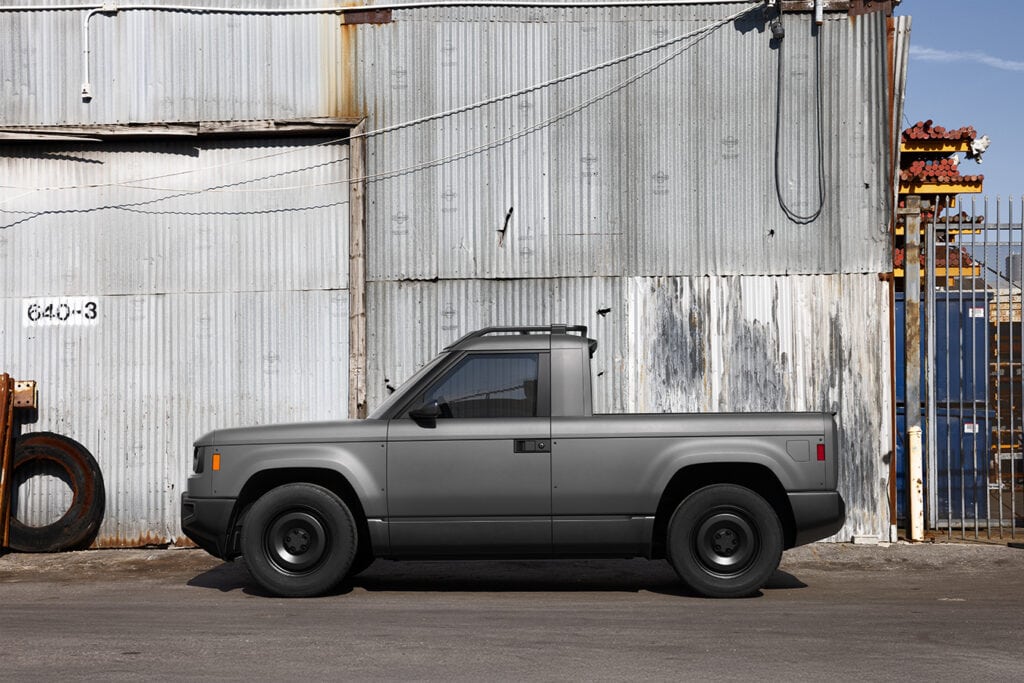
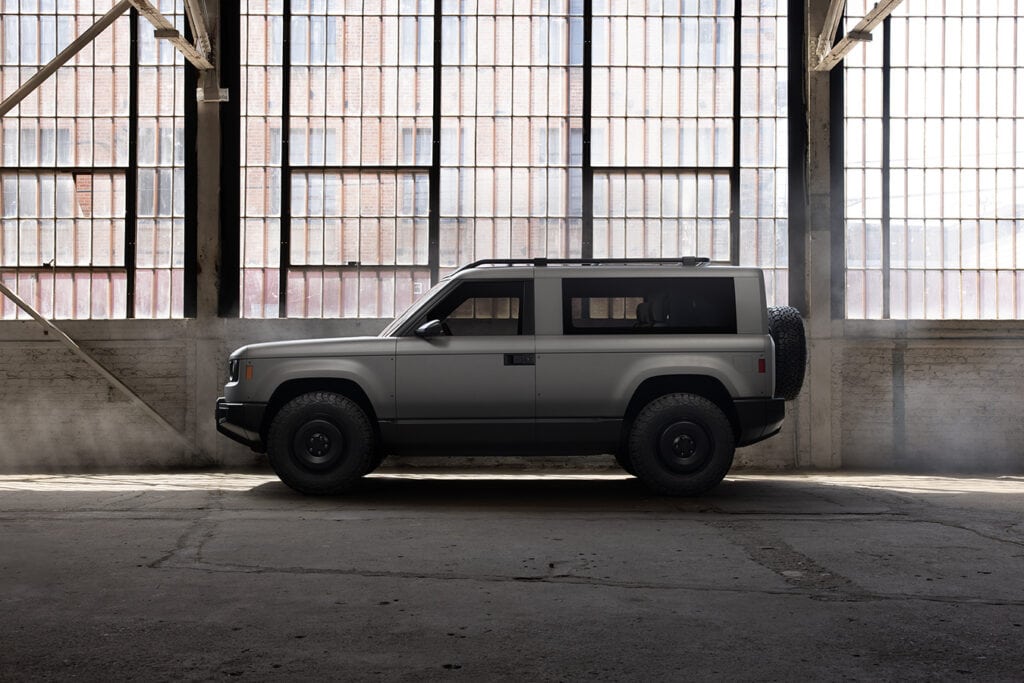
This is not a full-size luxury pickup. It is not trying to out-tow heavy-duty trucks or win a horsepower contest in a parking lot. The Slate Truck is a preproduction modular electric vehicle built around affordability, personalization, and usefulness. It starts as a two-seat truck, but it can be transformed into a five-seat SUV. That single idea gives the vehicle an unusually flexible identity. It can begin as a simple runabout, become a family vehicle, turn into a weekend gear hauler, or stay exactly as basic as the owner wants.
That matters because affordability in the new-car market has become one of the industry’s biggest problems. Many buyers are not rejecting new vehicles because they dislike technology. They are rejecting them because the price, the payments, and the complexity feel detached from ordinary life. Slate’s bet is that a large number of people do not want more screen, more trim levels, more forced luxury, or more features bundled into packages they never asked for. They want useful transportation that does not punish them financially.
You may also enjoy: Slate Truck Pricing Coming Soon: EV Market Reality Check
A Cabin Built Around Restraint
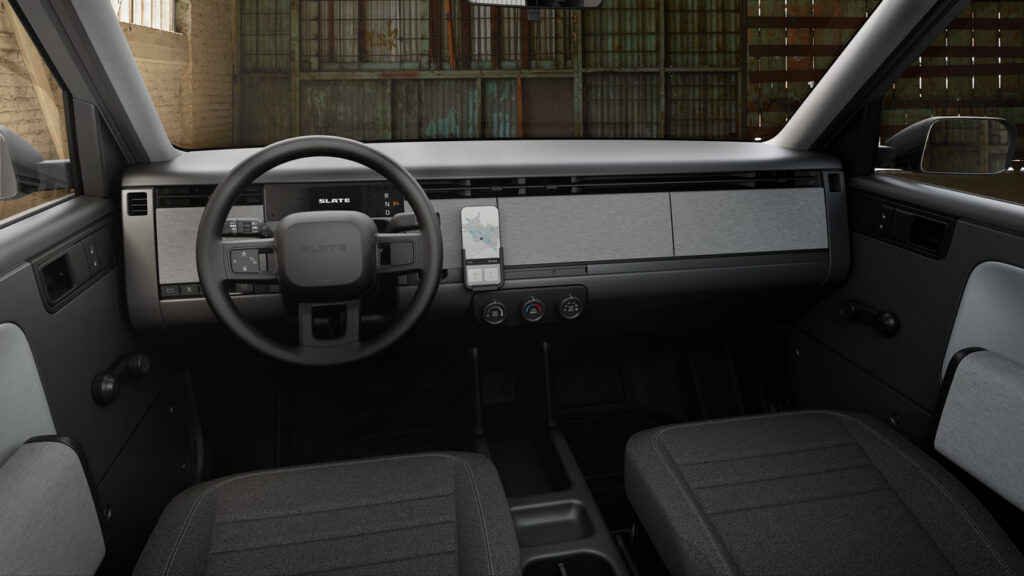
The most surprising thing inside the Slate Truck may be what is missing. There is no giant central touchscreen trying to control every basic function. There is no digital maze between the driver and simple tasks. Instead, Slate uses tactile controls and a bring-your-own-tech approach. Your phone already has your maps, music, contacts, apps, voice assistant, podcasts, and daily routine. Slate lets the phone keep doing that job while the truck handles the truck part.
This is a quietly radical decision because the auto industry has spent years treating screens as proof of progress. Bigger screens became a shortcut for modernity, even when they made basic functions harder to use. Slate’s cabin feels like a rejection of that thinking. It says that actual knobs, actual switches, and direct controls still have value. Civilization, apparently, has been given one more chance.
That approach will not appeal to everyone. Some buyers want a vehicle to feel like a rolling device. Others expect built-in infotainment, premium sound, animated menus, and a screen for every passenger. Slate is not chasing that customer first. It is aimed at people who want a vehicle to be simple, durable, understandable, and upgradeable over time. For a first-time new-car buyer, a family on a budget, or a commuter tired of paying for features they do not use, that restraint may feel less like compromise and more like relief.
The Clever Bit Is Modularity
The most important idea behind the Slate Truck is not only that it is inexpensive. It is that the vehicle does not lock the buyer into one version of life. A young professional may start with a basic two-seat truck. Later, if life changes, the same vehicle can become a five-seat SUV. A retiree may keep it simple. A small business owner may add utility accessories. A family may add rear seating. A dog owner may build it into a practical rescue, camping, or weekend rig.
That flexibility gives Slate a different kind of value proposition. Most vehicles are bought for the life you have at the moment of purchase. Then life changes. A job changes. A family grows. A hobby gets serious. Dogs appear. Furniture needs moving. Suddenly the vehicle that once made sense starts to feel wrong. Slate’s answer is not to trade it in. It is to change it.
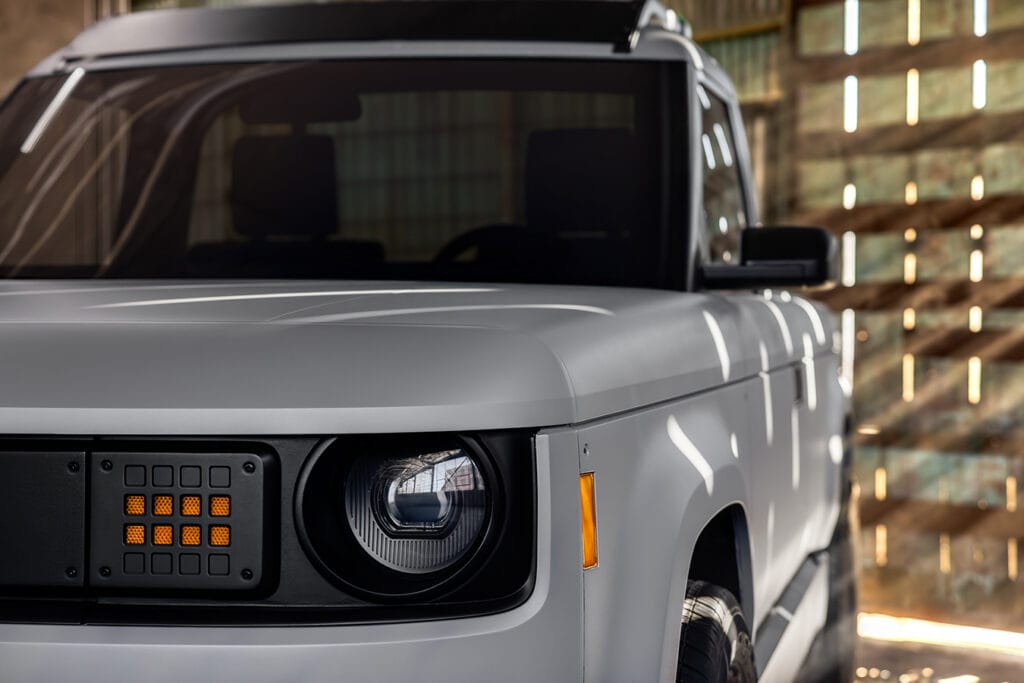
The company says its Marketplace will launch with more than 100 accessories, with more than 80 priced under $500. Those accessories include roof racks, stereos, zip-off seat covers, light covers, and lifestyle equipment. Slate also plans 100 wrap colors at launch, with full vehicle wraps priced under $500 and designed to be installed professionally in hours, not days. That is not personalization as a luxury flourish. It is personalization as a business model.
You may also enjoy: Ford California Skunk Works Team Builds Affordable $30,000 Electric Pickup
The Frunk And Bed Show The Point
The frunk may be one of the best on-camera demonstrations because it explains electric packaging instantly. Without an engine up front, that space can become useful storage. Slate lists the frunk at 7 cubic feet. That is enough for charging cables, backpacks, groceries, camera gear, muddy shoes, dog supplies, small luggage, or anything you do not want sliding around in the bed.
The cargo bed is equally important because Slate still has to function as a truck. In pickup form, the bed is 5 feet long, and the company lists cargo bed volume at 35.1 cubic feet. Slate projects payload at around 1,550 pounds and towing at 2,000 pounds. Those numbers make the mission clear. This is not a replacement for a heavy-duty diesel or a luxury tow rig. It is for the person who needs truck usefulness without buying into truck excess.
That may include bikes, mulch, tools, boxes, camping gear, home improvement supplies, beach equipment, dog crates, or weekend chaos. A lot of truck owners do not tow 10,000 pounds. They need a bed often enough to justify owning one, but not so often that they need a giant pickup with a giant payment. Slate is trying to live in that gap.

The Passenger Ride Was Quiet
Because the Slate Truck shown was preproduction, the experience was limited. I could ride in it, but not drive it or film the ride. Even from the passenger seat, one thing was hard to miss: the quietness. Noise, vibration, and harshness were very low, especially for a vehicle built around affordability.
That matters more than it sounds. Affordability often reveals itself the moment a vehicle starts moving. You hear it in tire noise, wind noise, structure, vibration, and the general sensation that every dollar saved has become a sound. The Slate Truck felt calmer and more serious than its simple design might suggest. Quiet is not glamorous, but it becomes important quickly when real life gets involved.
For families, a quieter cabin means less shouting. For commuters, it can reduce fatigue. For dog owners, a calmer ride can matter. For anyone dealing with traffic, phone calls, navigation prompts, and one remaining nerve, quiet is not a luxury feature. It is sanity preservation.
You may also enjoy: GMC Sierra EV Proves Utility Beats Hype
The Tech Story Is Actually Restraint
The most interesting technology decision in the Slate Truck may be restraint. Slate is not throwing a screen at the dashboard and calling it progress. It is asking a more practical question: what technology does the vehicle actually need to own forever, and what technology should the owner bring along because it already improves every year?
That is the logic behind the bring-your-own-tech cabin. Your phone is already familiar. It already updates. It already contains the apps you use. It already knows your preferred maps, contacts, playlists, and voice commands. Slate’s approach may age better than a built-in infotainment system that feels outdated halfway through the vehicle’s life.
There are tradeoffs. Some buyers will see the lack of built-in infotainment as too sparse. Others may wonder whether the vehicle feels too basic. But that is the point. Slate is not trying to make one fixed vehicle for every possible buyer. It is trying to make a foundation that owners can build around. That is why the accessory strategy matters so much.
Range Has Improved
Slate says the projected range is now 205 miles, up from an earlier estimate of around 150 miles thanks to a revised battery approach. That is still a manufacturer’s projection, not an official EPA estimate, and the truck remains preproduction. Buyers should understand that final electric vehicle range, efficiency, crash-test results, service experience, and production timing are items still to be proven.
Still, 205 projected miles changes the conversation. Slate says that for many owners, the truck could require charging about once a week depending on use. Level 2 charging is estimated at roughly 4 to 8 hours for a full charge, while DC fast charging from 20 to 80 percent is estimated at around 30 minutes. The U.S. Department of Energy explains that EV charging levels vary widely by equipment, voltage, vehicle capability, and battery state of charge, which is why real-world charging times always deserve context.
The battery story also matters. Slate says the improved range comes from a new LFP battery approach, while the broader EV industry continues to rely heavily on advanced lithium-ion battery technology. The Department of Energy’s Alternative Fuels Data Center explains how electric vehicle batteries store energy for all-electric vehicles and why battery chemistry is central to range, durability, charging, and cost.
You may also enjoy: Why the Rivian R2 Could Be America’s Next Big EV SUV

Who Should Be Interested
The Slate Truck makes the most sense for buyers who are honest about how they use a vehicle. If you regularly tow heavy trailers, need four-wheel drive, carry a large family every day, or drive long distances through areas with limited charging, this may not be your answer. Rear-wheel drive will not suit everyone. The towing number is modest. Final production details still matter.
But for the right buyer, the concept is compelling. A first-time new-car buyer gets a lower entry point into new-vehicle ownership. A young professional gets a simple truck that can change over time. A family can add seating and utility. A retiree can keep it straightforward. A dog owner can build around storage, washable surfaces, and practical accessories. A small business owner can avoid paying for luxury features that do not help the job.
That broad appeal explains why Slate’s reservation audience is so interesting. The company says interest includes young professionals, families, retirees, first-time new-car buyers, and the tech and auto communities. That is not a normal buyer profile. It suggests Slate may have found a space between expensive trucks and ordinary transportation.
You may also enjoy: Why Small Trucks Are America’s Smartest Pickup Choice
The Risks Are Real
The Slate Truck is promising, but it still has to prove itself. Preproduction vehicles can impress in controlled settings. Production vehicles have to survive customers, weather, service networks, parts supply, warranty claims, charging habits, crash testing, and years of ordinary abuse. NHTSA’s 5-Star Safety Ratings program evaluates vehicle performance in crash tests, and those final results will matter to buyers deciding whether Slate can move from clever idea to trusted transportation.
Slate also has to prove that simplicity can scale. A low price is powerful, but only if the company can build, deliver, support, and repair vehicles consistently. The service plan, accessory rollout, delivery experience, financing, and customer communication will matter almost as much as the truck itself. A simple vehicle can still become complicated if ownership is confusing.
The good news is that the idea is clear. Slate is not pretending this vehicle replaces every pickup. It is not pretending everyone needs one. It is making a narrower, more honest argument: many people want usefulness without truck bloat. They want affordability without embarrassment. They want personalization without luxury pricing. They want a truck that adapts instead of dictating.
The Long-Term Significance
The Slate Truck matters because it challenges the direction of the modern pickup. For years, the industry has pushed trucks upward in size, price, power, screens, and luxury features. There is nothing wrong with a beautiful, capable, expensive truck for buyers who need or want one. But the market also needs vehicles that remember what utility actually means.
Slate’s truck is not exciting because it is the fastest, largest, strongest, or most luxurious. It is exciting because it is disciplined. It asks what can be removed without ruining the vehicle. It treats affordability as a feature. It treats customization as a long-term relationship rather than a one-time trim choice. It treats quietness, storage, and adaptability as real luxuries for ordinary people.
That is why this little electric truck could make expensive pickups look overcomplicated. Not because it beats them at their own game, but because it refuses to play the same game. The Slate Truck is for people who want usefulness without truck bloat: affordable, quiet, personal, adaptable, and refreshingly honest.
You may also enjoy: New Ram Compact Pickup Takes On Ford Maverick in 2028