Toyota’s Latest Move Suggests Hybrids Still Come First
By Robert R Guio
Toyota has delayed production of the all-electric 2027 Highlander, pushing back one of its most important new vehicles by at least several weeks. Officially, the company says it needs additional time to make final adjustments before the three-row electric SUV reaches production.
That explanation may be entirely accurate. New vehicles are complicated, and launching Toyota’s first American-built, three-row battery-electric SUV is not something the company can afford to get wrong.
Still, the timing is difficult to ignore. Toyota’s hybrids are capturing an enormous share of its U.S. sales, the company is investing heavily in additional hybrid manufacturing capacity, and American families continue to embrace gasoline-electric vehicles that don’t require charging. Toyota hasn’t said hybrid demand caused the Highlander EV delay, but its latest move suggests hybrids still come first.
You may also like: 2027 Toyota Highlander Goes Electric as a Three-Row EV
Toyota Can Afford to Take Its Time With the Highlander EV
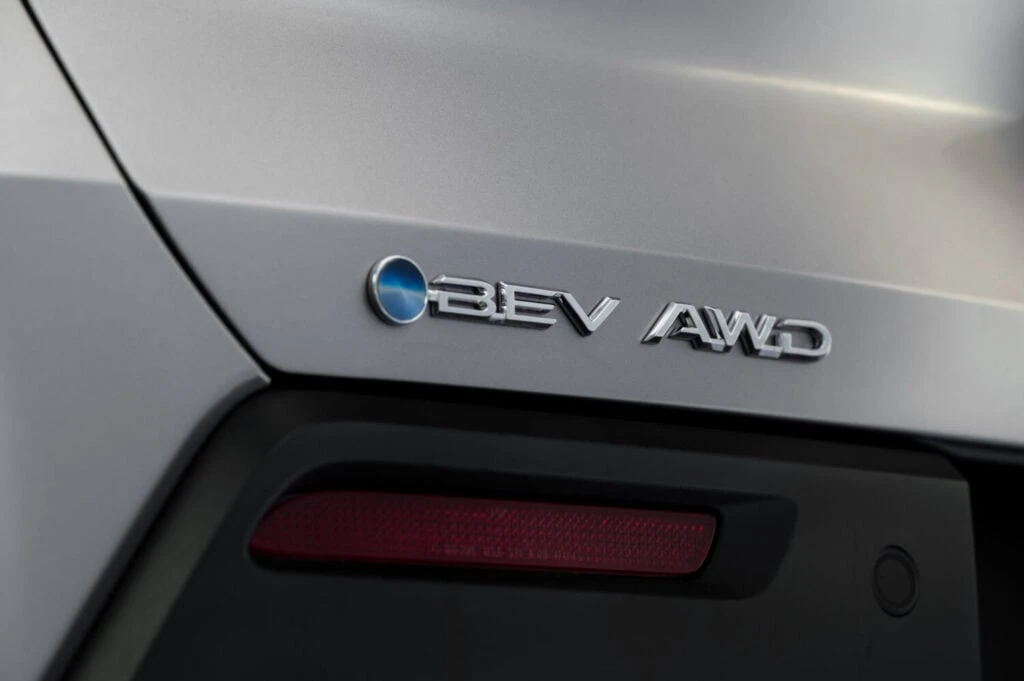
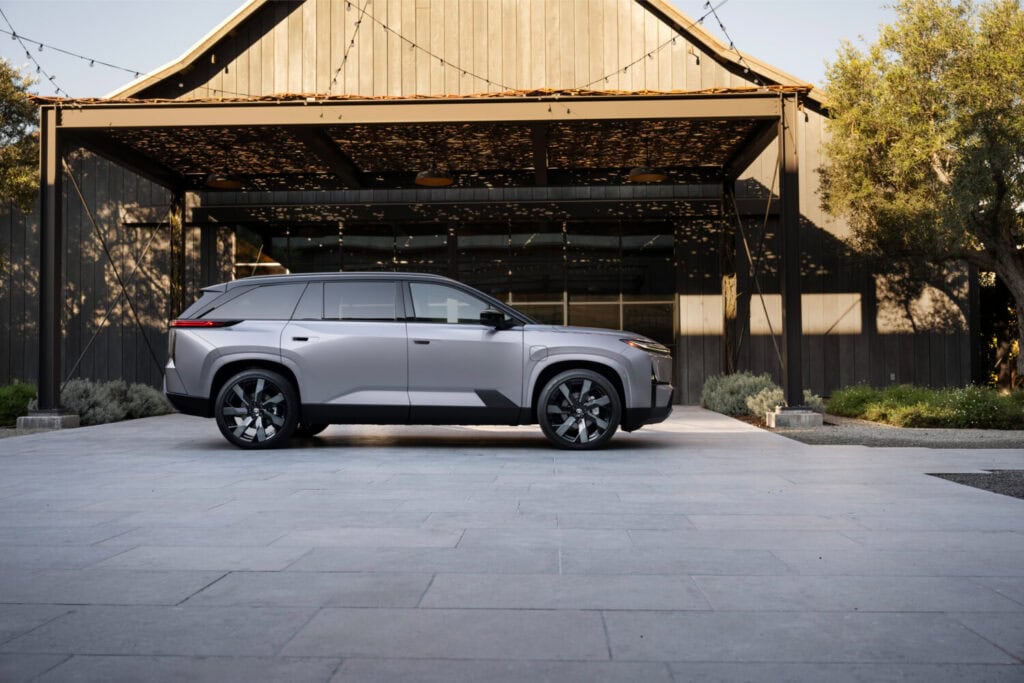
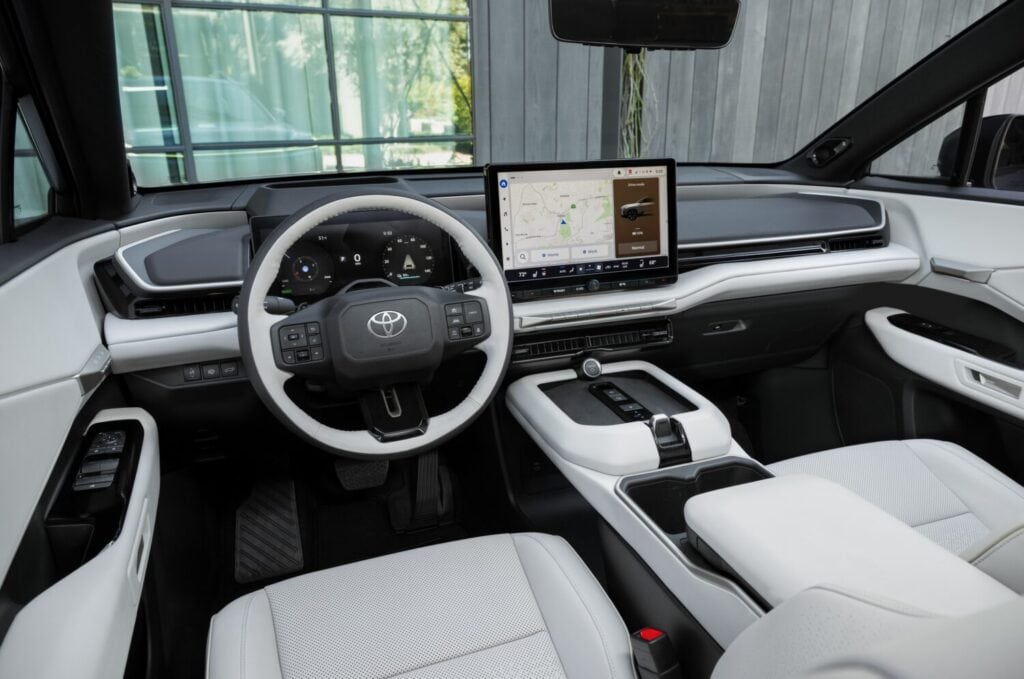
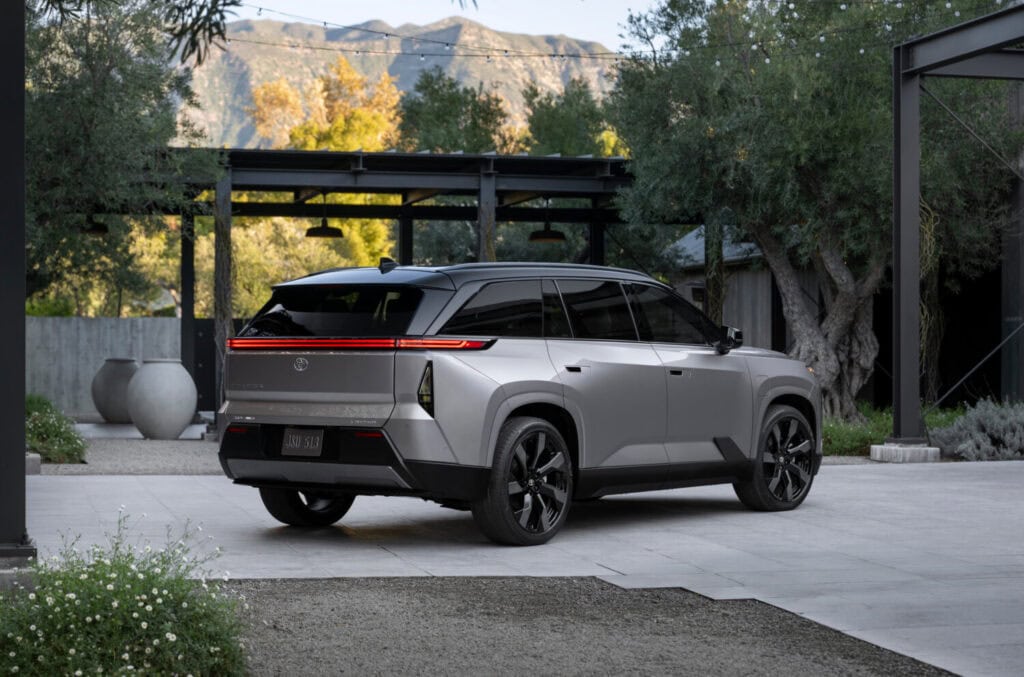
The redesigned 2027 Highlander represents a significant change for one of Toyota’s most familiar family SUVs. The new model is fully electric, offers three-row seating for six or seven passengers and is expected to deliver as much as 320 miles of driving range in certain configurations.
Toyota originally said sales would begin in late 2026 and continue into early 2027. Production has now reportedly been delayed by at least eight weeks while the company completes final adjustments.
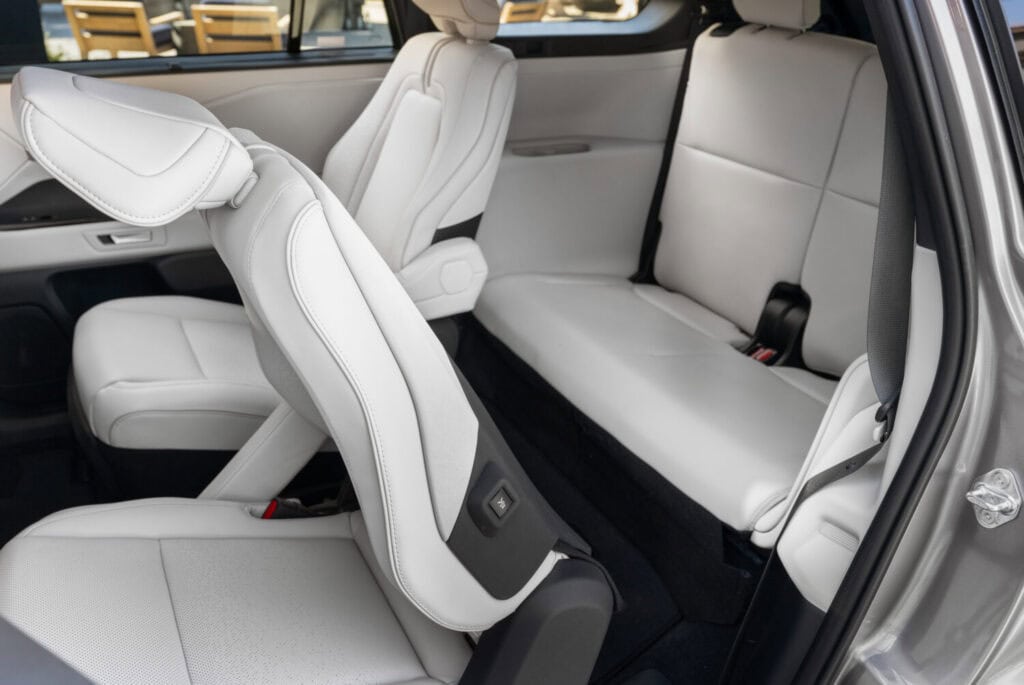
That could move broader dealership availability deeper into 2027. Toyota has not canceled the vehicle, abandoned its electric plans or announced a major change to the Highlander’s specifications. This is a delay, not a retreat.
However, Toyota is in a different position than automakers that urgently need a successful electric vehicle to fill a hole in their lineup. The company already has an exceptionally broad selection of hybrids, including the RAV4, Camry, Corolla Cross, Prius, Sienna, Grand Highlander and Crown Signia.
Toyota can take more time with its electric Highlander because its existing customers aren’t exactly waiting around with empty checkbooks.
You may also like: Top 5 Three-Row Hybrid SUVs to Save on Gas
Hybrid Demand Is Giving Toyota More Flexibility
Toyota’s electrified vehicles accounted for approximately half of its U.S. sales during the first quarter of 2026. That category includes hybrids, plug-in hybrids, battery-electric vehicles and fuel-cell models, but conventional hybrids remain the company’s strongest electrified products.
Toyota has also committed $912 million to expanding hybrid production across five U.S. manufacturing plants. That investment includes additional hybrid-component capacity and plans to build hybrid-electric Corollas in Mississippi.
This isn’t the behavior of a company treating hybrids as a temporary bridge that will soon be dismantled. Toyota appears to view them as a major part of its business for years to come.
For buyers, the appeal is straightforward. A traditional hybrid can reduce gasoline consumption without requiring a home charger, changes to road-trip planning or careful consideration of public charging availability. Drivers simply fill the tank and continue with their day.
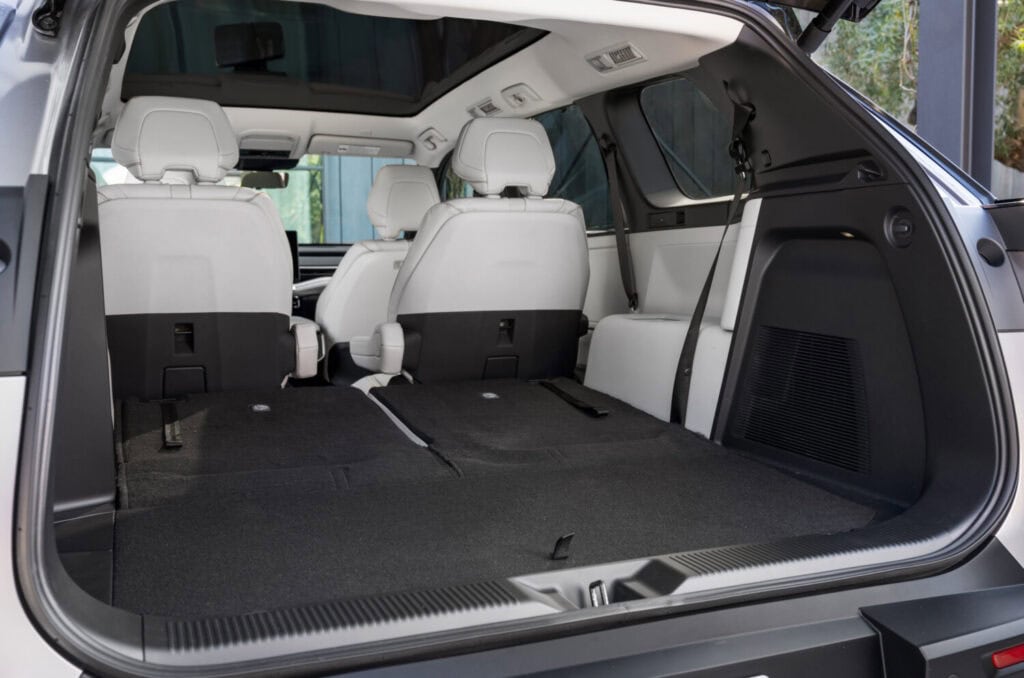
That familiarity matters even more in the three-row SUV market, where families tend to value range, convenience and predictability over being first to adopt a new technology.
You may also like: 2026 Toyota RAV4 Review: America’s Favorite SUV Just Ditched Gas—And Gained Swagger
The Electric Highlander Still Matters
None of this makes the electric Highlander unnecessary. Toyota needs a credible battery-powered family SUV, particularly as competitors such as the Kia EV9 and Hyundai Ioniq 9 establish themselves in the growing three-row EV segment.
The Highlander is expected to offer front- or all-wheel drive, two available battery sizes, North American Charging Standard compatibility and vehicle-to-load capability. It will also be assembled in Kentucky, with batteries supplied by Toyota’s North Carolina battery plant.
Those details make it much more than an experimental compliance vehicle. Toyota clearly intends the Highlander EV to be an important part of its long-term American lineup.
But Toyota’s strategy appears increasingly practical rather than ideological. It will sell EVs where they make sense, plug-in hybrids where buyers want flexibility and traditional hybrids where charging remains inconvenient or unnecessary.
Delaying the electric Highlander may frustrate shoppers who were ready for a Toyota-branded alternative to today’s three-row EVs. Yet rushing it would serve nobody, particularly if Toyota’s hybrid lineup continues meeting most families where they already are.
Toyota isn’t giving up on electric vehicles. It simply appears unwilling to move faster than its customers. Right now, those customers are still telling Toyota—quite clearly—that hybrids remain the comfortable middle ground.