Ineos Grenadier: The Anti-SUV Americans Didn’t Expect

A brutally simple 4×4 that shows its bolts, dares you to use it, and quietly mocks modern SUVs for being fragile tablets on wheels.
Most new SUVs are trying to charm you. Soft edges, hidden hardware, “premium” lighting, and a screen the size of a family pizza. The Ineos Grenadier is doing something else entirely. It’s showing up like a factory tool that accidentally got license plates. And right now, that feels oddly relevant because the market is drowning in vehicles that look different but drive the same, and most of them are terrified you’ll notice how much is sealed, plastic-covered, and software-dependent.
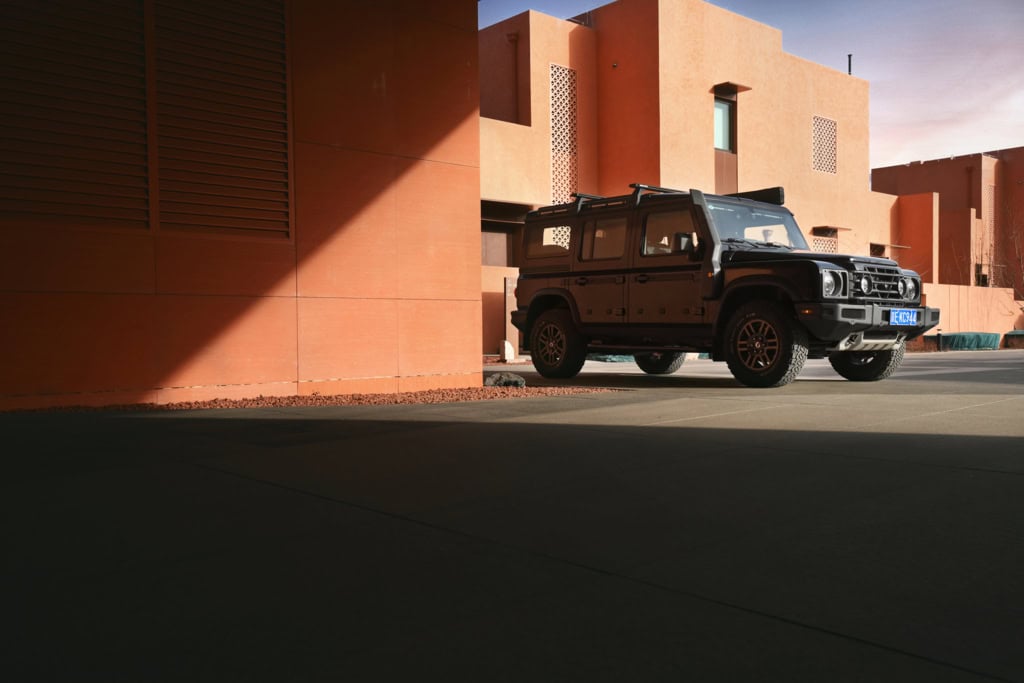
The Grenadier’s entire personality is the opposite. It doesn’t try to hide what it is. It puts the engineering right in front of you. Hinges, latches, visible fasteners, chunky handles, panels that look like they came off industrial equipment rather than a lifestyle mood board. It’s a vehicle that wants you to understand it, not just finance it. That’s a rare stance in 2026 America, where even your heated seats want a monthly subscription and half the cars are basically rolling app stores, a theme that comes up again when autonomy gets discussed in Robotaxis in 2026: Are We Ready for Driverless Cities?.
The Grenadier is weird on purpose. It’s the stubborn counterargument to the modern SUV: less gloss, more hardware. Less theatre, more utility. And it’s wonderful because it’s honest about its trade-offs, which is the opposite of how most vehicles are marketed.
Why does this matter right now?
Because we’re in an era where vehicles are increasingly designed to be sealed, smoothed-over, and digitally mediated. Modern SUVs often hide their working bits behind plastic covers and design language. Even when the hardware is solid, the presentation is “trust us, don’t touch.” The Grenadier flips that. It makes a point of being legible.
The cabin feels like it was designed by people who actually use vehicles outdoors. Overhead aircraft-style switches. Big physical buttons. Controls spaced so you can operate them with gloves or cold hands. Everything clearly labeled. Everything doing one job.
Progress in most modern vehicles looks like hiding complexity. In the Grenadier, progress looks like making complexity serviceable. You can access things. You can see what you’re dealing with. It’s not trying to be clever. It’s trying to be useful.
If you want the manufacturer’s own framing of that philosophy, start with INEOS Grenadier’s official site, which is refreshingly direct about what this vehicle is and isn’t.
This clarity matters more as prices rise and buyers question value, which is why That New Car Is $6,400 More Expensive. Here’s Why. struck such a nerve.

How does it compare to rivals or alternatives?
The Grenadier lives in the same orbit as the Jeep Wrangler, Ford Bronco, Land Rover Defender, and Toyota’s off-road-focused models. All promise capability. Few deliver it with this level of mechanical transparency.
The Wrangler trades on heritage. The Bronco balances rugged looks with modern convenience. The Defender wraps real capability in a premium interface. Toyota emphasizes durability and long-term reliability.
The Grenadier’s difference is intent. It’s less lifestyle performance and more industrial straightforwardness. It expects you to adapt to it, not the other way around.
Daily life exposes that truth quickly. Parking lots feel tight. Drive-thrus feel awkward. The turning circle reminds you this was never meant to be suburban furniture.
For a reality check on safety standards and ownership obligations, NHTSA remains the most useful no-nonsense reference.
Who is this for and who should skip it?
This is for drivers who miss physical controls and want a vehicle that communicates what it is. It’s for people who distrust sealed systems and prefer things they can understand.
It’s also for buyers who are tired of sameness. In a market where most SUVs feel interchangeable, the Grenadier stands out by refusing to soften its edges.
You should skip it if you want plush isolation, effortless parking, or a dashboard that behaves like a smartphone. This vehicle asks more of you.
That contrast becomes obvious when you compare it with highly automated luxury EVs like the one explored in Cadillac Vistiq: The Electric Three-Row That Actually Works.

What is the long-term significance?
The Grenadier is a signal. It proves there’s still room for vehicles that prioritize durability, clarity, and honesty over digital theater.
As cars become more software-defined and more sealed, buyers are growing skeptical. They want to know what they’re buying, how it works, and whether it will still function when trends move on.
For neutral, numbers-first ownership context, FuelEconomy.gov remains the most useful public benchmark.
Transparency and trust are becoming brand currency, whether in consumer vehicles or motorsport programs like the one covered in Audi F1 2026 Fire-Up: The Milestone That Matters.
That tension between revealing and concealing complexity also shows up in spectacle-heavy moments like Cadillac’s Barcelona F1 Shakedown Livery Explained, where presentation often masks the real work underneath.
The Grenadier refuses to play that game. It makes you ask what you actually want from a vehicle. Convenience and polish, or something mechanical, deliberate, and unapologetically different.
That choice is the point. And in 2026, it’s a rare thing for a new vehicle to be this clear about it.