Hyundai and Kia vs Ford: The Cars Behind the Sales Shift
Hyundai and Kia vs Ford is a close U.S. sales race this quarter. Tucson, Sportage, Telluride and Ford’s trucks reveal what shoppers are choosing.
Hyundai and Kia vs Ford: What the Forecast Says
One can build a remarkably good case for the American pickup truck and still lose a sales contest to the family crossover. That is the useful lesson in Cox Automotive’s latest U.S. forecast. It projects 511,421 third-quarter sales for Hyundai Motor Group, which includes Hyundai, Kia and Genesis, against 504,172 for Ford Motor Company. The projected margin is just 7,249 vehicles. These are estimates, with several September selling days still to go, rather than final registration or manufacturer-reported totals.
The distinction between a quarter and a year matters. Cox still projects Ford ahead through the first nine months of 2026: 1,505,134 sales to Hyundai Motor Group’s 1,431,804. A quarterly overtake would be a notable change in momentum, not proof that Ford has surrendered its annual position. Cox expects Ford’s quarter to fall 7.1 percent from a year earlier while the Hyundai group rises 6.5 percent.
You may also like this Video:
You may also enjoy: Hyundai History: How Korea Won Over America
The Crossovers Doing the Ordinary Work
It is tempting to explain this contest with one halo car. The stronger explanation lives in driveways. Hyundai’s Tucson competes in the compact SUV class; Kia’s Sportage serves much the same household need, while the larger Telluride gives families another route into the group. Kia’s own August sales table shows 18,723 Sportages and 12,693 Tellurides sold that month. Those are Kia brand figures, not a breakdown of the entire group’s projected quarterly gain, but they show the scale of its everyday products.
The Tucson and Sportage also offer gasoline and electrified choices. A conventional hybrid adds electric assistance without asking its owner to plug in. A plug-in hybrid can use energy charged from an outlet for some trips, though the value depends on regularly charging it. For a shopper whose next vehicle must handle commuting, children, luggage and the occasional muddy dog, that flexibility can matter more than a dramatic acceleration figure.
You may also enjoy: 2026 Hyundai Tucson PHEV Review: Smart Buy Before Redesign?
Cox expects compact and midsize crossovers each to account for 17 percent of September sales, with full-size pickups at 14.1 percent. These are segment projections, not evidence that every crossover buyer chose Hyundai or Kia. They do explain why a group with several competitive family SUVs can gain ground even against a company that sells an enormous number of trucks.
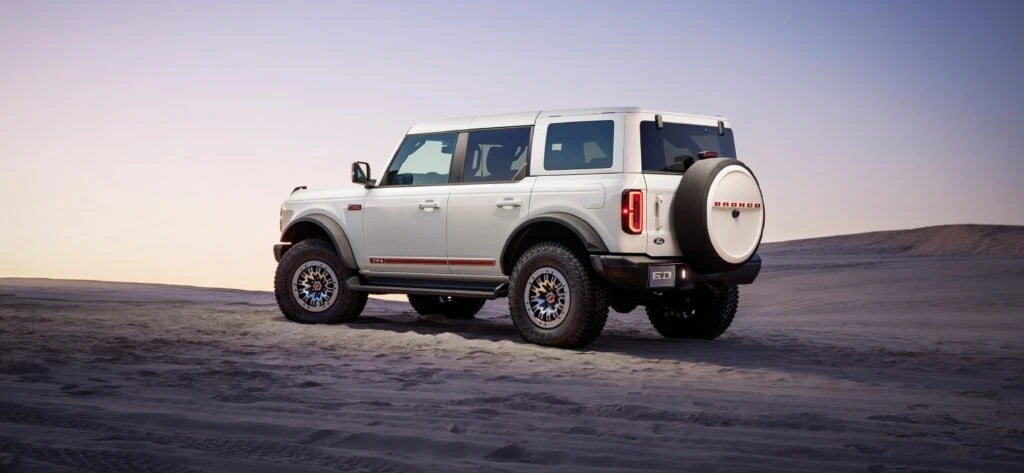
Ford Bronco
Ford Has Answers Beyond the F-150
Ford remains formidable. Its pickup range covers buyers who genuinely need a bed, towing capacity or work equipment; the Explorer and Escape address SUV households. The Maverick Hybrid is especially relevant here: it offers a compact truck format for a buyer who wants utility without moving to a full-size pickup. A sales ranking by corporate group cannot tell you whether a Maverick is a worse choice than a Sportage. They do different jobs.
Ford’s greater exposure to trucks can work both ways as fuel costs and borrowing costs change. Cox’s forecast points to growing interest in hybrids and passenger cars, where Asian brands have broad selections. That is an industry-level observation, not a model-by-model explanation for Ford’s projected decline. Fleet deliveries, supply and incentives can also swing quarterly totals. Ford’s eventual reported figures deserve a careful comparison with Cox’s forecast before anyone declares a lasting change.
You may also enjoy: 2026 Ford Maverick Hybrid Review: Is AWD Worth It?
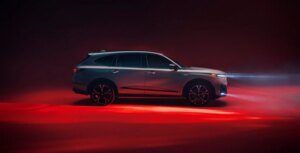
Hyundai Palisade
What the Numbers Mean at the Dealership
More sales do not automatically make a vehicle the better purchase. Begin with the job: compare a compact SUV against another compact SUV, or a small truck against a small truck, before comparing brand reputations. Check the actual rear-seat and cargo space you need. Confirm the equipment on the exact trim, including automatic emergency braking, rather than assuming every similarly named system operates identically.
Then compare running costs. The EPA’s fuel economy label supplies a consistent basis for examining gasoline use, but a plug-in model’s benefit will depend heavily on your charging routine. If the extra purchase cost of a hybrid is material, estimate annual fuel savings using your own mileage and local gas price. It may be a compelling choice; it is not automatically a bargain at any price.
You may also enjoy: Hyundai Wants Hybrids to Be Half Its North American Sales
Finance the decision just as carefully. The Consumer Financial Protection Bureau advises shoppers to compare the full cost of an auto loan, including interest, fees and extras, instead of judging the offer by its monthly payment. That may save more than switching badges. Ask several dealers for written, itemized out-the-door prices on equivalent vehicles before treating a national sales headline as buying advice.
You may also enjoy: Kia’s Best Sellers Reveal What Americans Really Want
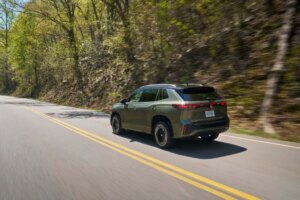
2027 Kia Telluride HEV SXP
A Narrow Lead, a Larger Signal
Cox raised its full-year U.S. sales forecast from 15.8 million to 16.1 million vehicles. It also expects Asian brands collectively to exceed half of new-vehicle sales for a second consecutive quarter. That wider market context is more revealing than treating a 7,249-vehicle projected gap as a championship trophy. The contest will be decided by real deliveries, and the year-to-date lead remains Ford’s in this forecast.
For the person buying one car, the takeaway is simpler. Hyundai and Kia have assembled a wide menu of practical cars and SUVs, including hybrids, while Ford retains compelling trucks and utility vehicles. Shop the vehicles that solve your own problem. The eventual sales winner cannot tell you which back seat fits your family or which payment fits your budget.