The Retirement Question Money Can’t Answer
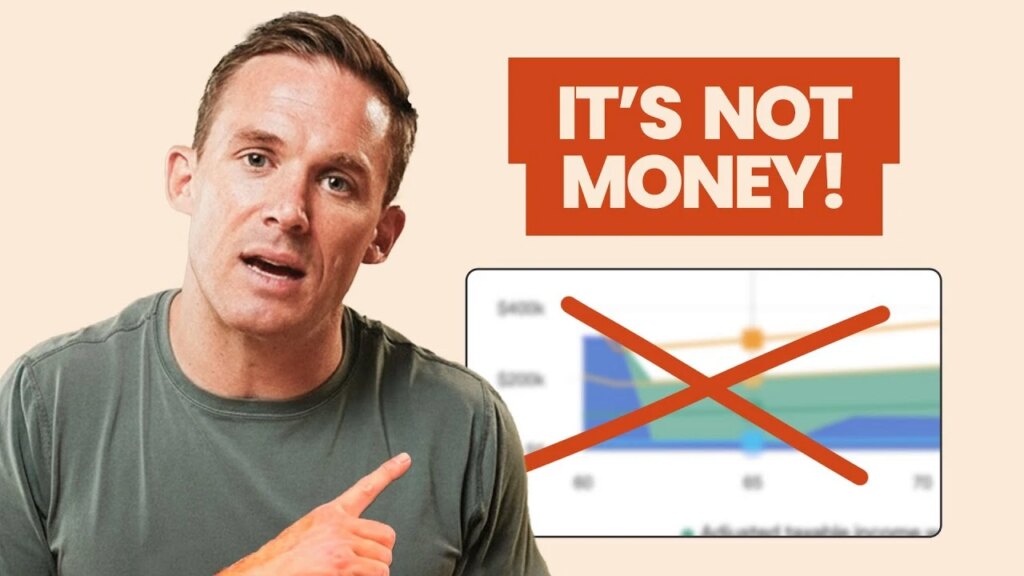
Retirement planning usually starts with money. People focus on savings, Social Security, taxes, investment returns, and whether their portfolio can support decades of spending. Those things matter, but even a perfectly funded retirement can feel disappointing if you have never decided what you actually want retirement to look like.
For many people, work provides far more than a paycheck. A career can create structure, social interaction, routine, status, and a sense of purpose. When that disappears, retirees may discover that they planned extensively for how to finance retirement but barely thought about how they would spend their time.
Your Career May Be a Bigger Part of Your Identity Than You Realize
People often introduce themselves by what they do for a living. After decades in a profession, that role can become deeply connected to identity. Retirement can therefore create an unexpected sense of loss, even for someone who was financially ready and eager to stop working.
Simply copying another retiree’s lifestyle does not necessarily solve the problem. One person may love traveling for months at a time, while someone else may quickly become tired of living out of a suitcase. Golf, volunteering, moving somewhere warm, or spending more time with grandchildren can all be meaningful choices, but only if they reflect what genuinely matters to you.
Picture an Ordinary Tuesday
One useful exercise is to stop imagining retirement as a permanent vacation and instead picture an ordinary Tuesday. Where would you wake up? Who would you spend time with? What would you do between breakfast and dinner? Those ordinary days will make up far more of retirement than cruises, major trips, or special occasions.
Thinking that way can help identify the areas of life that deserve more attention. Relationships, health, hobbies, faith, travel, learning, family, and giving back can all become important sources of meaning. The goal is not to fill every hour of the day, but to create enough purpose and structure that retirement feels like a new stage of life rather than simply the absence of work.
What Would You Spend $25,000 On This Week?
Another exercise from the discussion is to imagine that you were given $25,000 but had to spend it within seven days. You could not save it or invest it. What would you actually do with the money?
The answer can reveal more than a traditional retirement questionnaire. You might immediately think about taking your family somewhere, improving your home, pursuing a hobby, helping someone you care about, or creating an experience you have been postponing. Those choices can provide clues about what you value right now rather than what you think retirement is supposed to look like.
Build the Financial Plan Around the Life Plan
Once the retirement vision becomes clearer, the financial planning becomes much more useful. Someone who wants to travel extensively during the first decade of retirement needs a different spending plan from someone who wants to stay close to home, volunteer, and spend time with family. A person planning to move, start a business, help children financially, or pursue expensive hobbies will also have very different needs.
That is why the question “Do I have enough to retire?” can be incomplete. The more useful question is, “Do I have enough to live the retirement I actually want?” The answer depends on first defining that life clearly enough to put a realistic price tag on it.
A strong retirement plan should connect money with purpose. Savings and investments can provide freedom, but they cannot decide how you use it. Before focusing entirely on portfolio balances and withdrawal rates, it may be worth spending just as much time deciding what you want an ordinary day in retirement to feel like.
You should always consult a financial, tax, or legal professional familiar about your unique circumstances before making any financial decisions. This material is intended for educational purposes only. Nothing in this material constitutes a solicitation for the sale or purchase of any securities. Any mentioned rates of return are historical or hypothetical in nature and are not a guarantee of future returns.
Past performance does not guarantee future performance. Future returns may be lower or higher. Investments involve risk. Investment values will fluctuate with market conditions, and security positions, when sold, may be worth less or more than their original cost.