27 Everyday Foods Getting Much More Expensive Right Now


Have you seen your grocery bills going up lately? You’re not the only one. Food prices around the world are rising, and this is hitting everyone’s budgets. Many reasons are behind this rise, like inflation, problems with supply chains, changes in weather, and conflicts between nations.
The U.S. Department of Agriculture (USDA) says food prices will rise by 2.3% in 2024, after a big jump of 9.9% in 2022. Because of this, we need to be careful about how we buy food.
In this article, we will talk about 27 foods that are getting more expensive. Knowing which foods cost more can help you shop better. We will also give some tips to help you save money.
Did any of these price changes surprise you? Tell us in the comments!
Chicken

Chicken prices have risen, similar to eggs, because of the avian flu outbreak. Many chickens were killed to stop the disease from spreading, which made less chicken meat available.
The price of chicken feed has also gone up, making it more expensive to raise chickens. To save money, watch for sales on whole chickens.
Whole chickens usually cost less than pre-cut pieces, and you can use every part of the bird. You can also add more plant-based proteins to your meals to rely less on chicken.
Beef

Beef prices have been on the rise for several reasons. The cost of cattle feed has increased significantly, making it more expensive to raise cows. Droughts in many cattle-raising regions have led to water scarcity, which also drives up costs.
Labor shortages in meat processing plants have slowed production, further increasing prices. To save money on beef, consider buying less expensive cuts like chuck or round steak.
These may require longer cooking times but can be just as delicious. You can also reduce your beef consumption and substitute with other proteins like beans or lentils on some days.
Cooking Oils

Cooking oil prices have gone up because of several reasons. Bad weather has harmed crops like sunflowers and soybeans that are used to make oils. Political problems have also caused delays in making and sending out some oils.
More people needing biofuels, which use the same crops, has added to the higher prices. To lower the cost of cooking oil, try using less oil while cooking.
Using non-stick pans or cooking sprays can help you use less oil. In baking, you can often replace half the oil with applesauce or mashed bananas.
Eggs

Egg prices have shot up dramatically in recent months. The main reason for this is the outbreak of avian influenza, also known as bird flu. This illness has affected many chicken farms, reducing the number of hens laying eggs.
With fewer eggs available, the price for each egg goes up. Some stores have even put limits on how many cartons of eggs customers can buy at once. To save money on eggs, try buying them in bulk when they’re on sale.
You can also look for powdered eggs, which last longer and might be cheaper. Another option is to use egg substitutes in your cooking, such as mashed bananas or applesauce in baking recipes.
Wheat and Flour

Wheat and flour prices have gone up steadily over the past year. The war in Ukraine has been a major cause of this rise. Ukraine is one of the top wheat exporters, and the fighting has made it hard to grow and ship wheat.
Also, droughts in other wheat-growing countries have made their harvests smaller. These reasons together mean there is less wheat available around the world, which makes wheat and flour prices higher. To save money, try buying flour in bigger amounts when it is on sale.
Keep it in airtight containers to make it last longer. You can also try other flours like rice or oat flour, which might cost less.
Rice
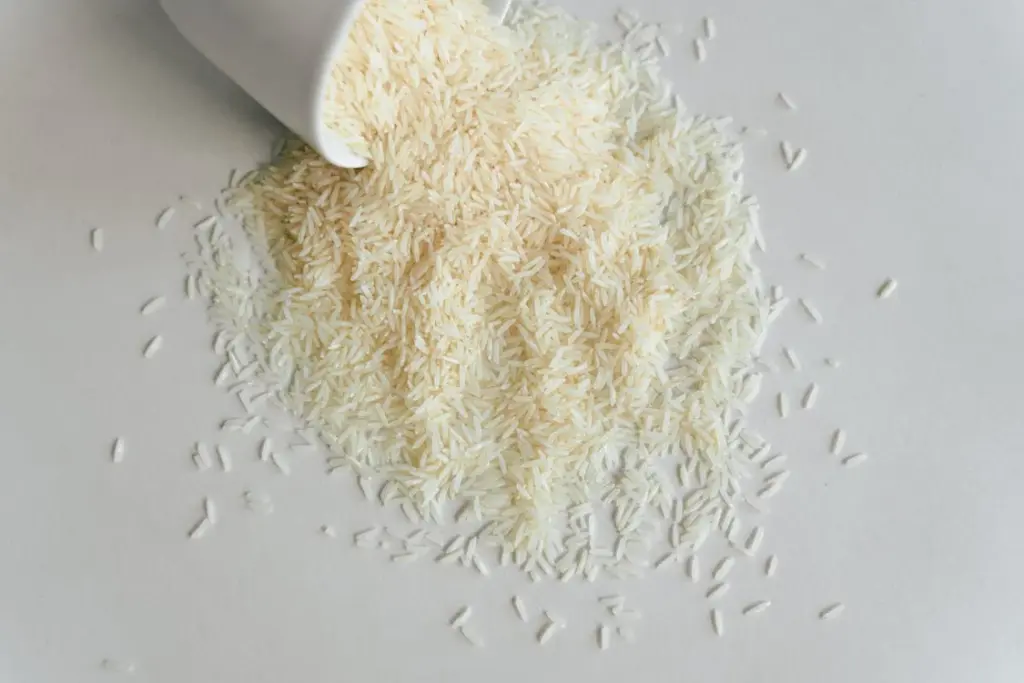
Rice, a staple food for billions of people, has also seen price increases. India, the world’s largest rice exporter, has put restrictions on how much rice it sells to other countries.
This decision was made to ensure enough rice for India’s own population. Bad weather in other rice-growing countries has also affected crop yields. These factors have led to less rice in the global market and higher prices.
To save money on rice, look for sales and buy in bulk. Rice stores well, so you can stock up when prices are lower. You might also try mixing rice with other grains like quinoa or barley to make your rice supply last longer.
Dairy Products

Dairy product prices change because of how much is available and how much people want, but they have mostly gone up. Feeding dairy cows costs more now, and that cost is given to buyers.
Shortages of workers and transport problems also make prices higher. To save money on dairy, try buying bigger containers of milk, as they often cost less per unit.
If you don’t finish milk before it goes bad, you can freeze it. For cheese, buying blocks instead of shredded cheese is usually cheaper and stays fresh longer.
Fresh Fruits
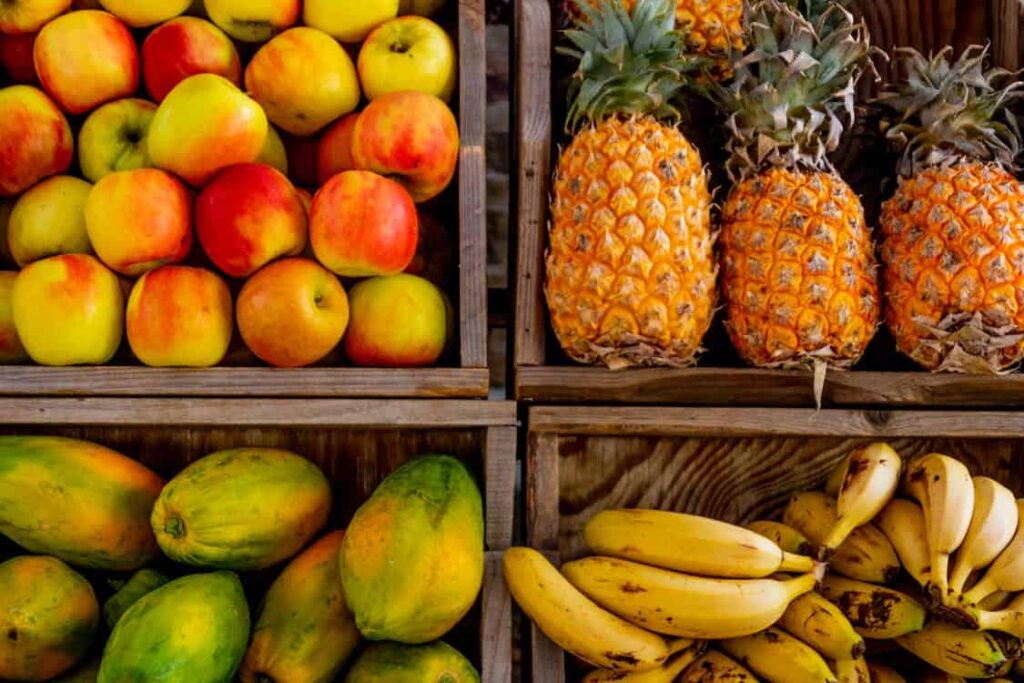
Fresh fruit prices change with the seasons, but overall, they’ve been trending upward. Climate change has led to unpredictable weather patterns, affecting fruit crops.
Transportation costs have also increased, adding to the final price of fruit in stores. To keep enjoying fruits without breaking the bank, focus on buying what’s in season.
Seasonal fruits are usually more abundant and therefore less expensive. You can also consider buying frozen fruits, which are often cheaper and just as nutritious as fresh.
Vegetables

Vegetable prices, like fruit prices, change because of weather and shipping costs. Droughts, floods, and strong storms can harm crops and lower the amount grown, which makes prices go up.
To save money on vegetables, you can grow some yourself if you have room. Even a small herb garden can cut your grocery costs.
Buying frozen vegetables is also a smart choice since they are often less expensive than fresh ones and still healthy. When buying fresh vegetables, pick those that are in season for better prices.
Coffee

Coffee prices have surged in recent years. Climate change has affected coffee-growing regions, leading to smaller harvests. Transportation issues have made it harder to ship coffee beans around the world.
Increased demand for specialty coffees has also driven up prices. To save on coffee, consider buying whole beans in bulk and grinding them at home. This often works out cheaper than pre-ground coffee and stays fresh longer.
You might also try less expensive brands or blends. Making coffee at home instead of buying it at cafes can lead to significant savings over time.
Chocolate

Chocolate costs have gone up for a few reasons. Cocoa farms have struggled with diseases and changes in weather, which lowers the amount of cocoa beans produced. More people around the world want chocolate now, especially dark chocolate.
The price of sugar, which is also important for making chocolate, has increased too. To save money, watch for discounts and buy more when the price is low.
Chocolate can be kept in a cool, dry spot for several months. You might also try cheaper brands or use cocoa powder for baking instead of chocolate bars to spend less.
Nuts
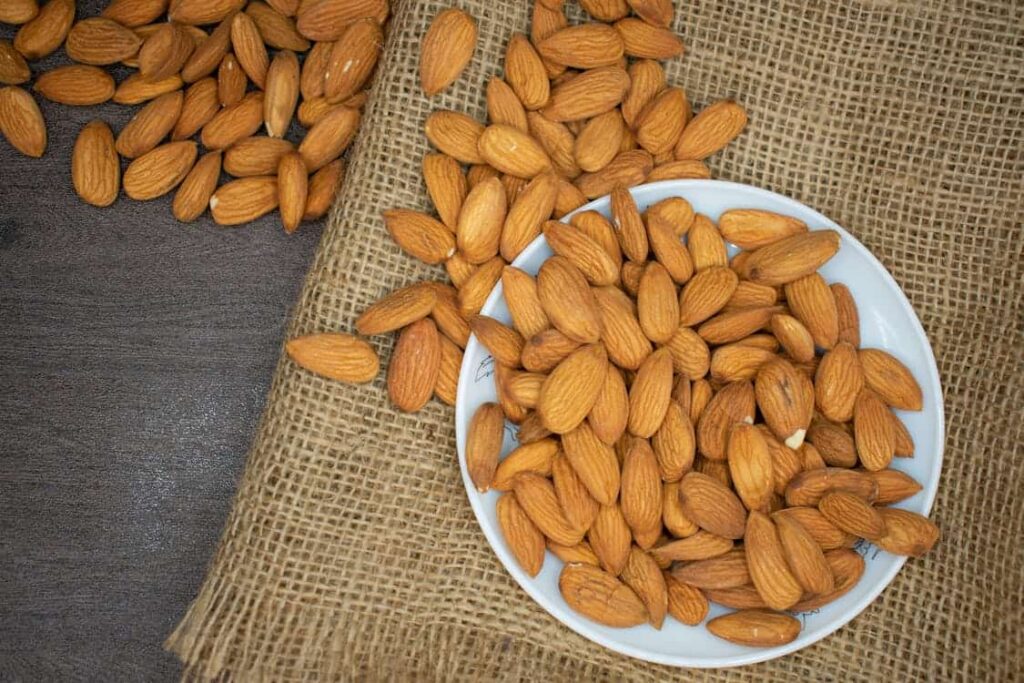
Nut prices have climbed steadily. Drought conditions in many nut-growing regions have led to smaller harvests. The demand for nuts has increased as more people adopt plant-based diets.
It takes several years for new nut trees to start producing, so supply can’t quickly adjust to meet demand. To save money on nuts, buy them in bulk when they’re on sale. Store them in the freezer to keep them fresh longer.
You can also look for less expensive nut varieties or try seeds like pumpkin or sunflower seeds as alternatives in some recipes.
Sugar

Sugar prices have gone up because it costs more to make sugar and more people want it. Bad weather has damaged sugarcane and sugar beet crops in many places. The higher energy costs needed to process sugar have also pushed prices up.
To save money on sugar, try eating less sweets and sugary drinks. When baking, you can often use less sugar without changing the flavor much. You can also use natural sweeteners like applesauce or mashed bananas in some recipes.
 If you like what you are reading, then click like and subscribe to my newsletter. We share tips to waste less time and money.
Nonalcoholic Beverages
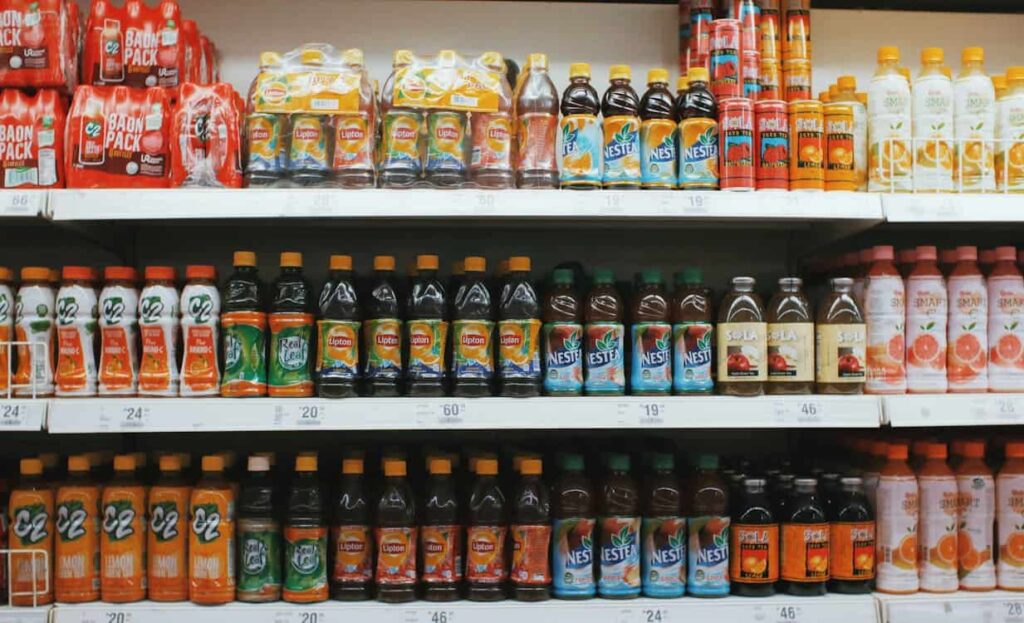
The cost of sodas, juices, and other nonalcoholic drinks has gone up due to several factors. The price of ingredients, including sugar and fruit concentrates, has increased. Packaging costs have also risen, particularly for aluminum cans.
Transportation and labor costs have added to the final price of these beverages. To save money on drinks, consider making your own at home. You can make flavored water by adding fruit slices or herbs to tap water.
Brewing your own iced tea or coffee is also much cheaper than buying pre-made drinks. When you do buy beverages, look for sales and consider store brands, which are often less expensive than name brands.
Snack Foods

Snack food prices have gone up because of a few reasons. Ingredients like corn, wheat, and oils cost more now. Packaging materials have also gotten pricier. Factory worker shortages have made production slower, which raises costs.
To save money on snacks, try making your own at home. Homemade popcorn, trail mix, or baked chips can be much less costly than store-bought ones.
When buying snacks, watch for sales and think about buying in large amounts. Store brands usually offer similar quality but at lower prices than name brands.
Seafood

Seafood prices have increased due to several factors. Overfishing has reduced the populations of many popular fish species. Pollution and climate change have affected marine ecosystems, impacting fish populations.
Stricter fishing regulations, while necessary for conservation, have also contributed to higher prices. To enjoy seafood without breaking the bank, consider buying frozen fish, which is often cheaper than fresh.
Look for sales on canned fish like tuna or salmon. You can also try less expensive types of fish or incorporate more plant-based protein sources into your diet.
Spices
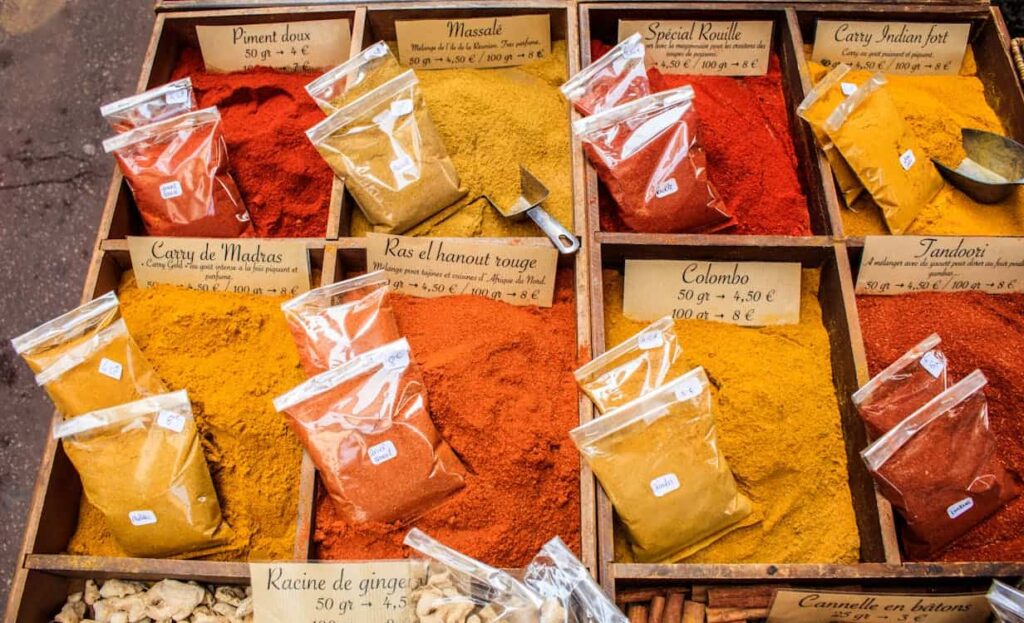
Spice prices have increased in the last few years. Changes in the weather have hurt spice crops in many places. Shortages of workers and problems with shipping have made it tough to gather and send out spices.
More people enjoying different types of food has also pushed up the need for many spices. To use spices wisely, buy whole ones and grind them yourself. They cost less and stay fresh longer than spices that are already ground.
You can also grow some herbs at home, even if you have little space. When buying spices, check for bulk deals or visit ethnic grocery stores, which often have lower prices.
Specialty Cheeses

Specialty cheese prices have increased significantly. The cost of milk has gone up, affecting all cheese prices. For specialty cheeses, the time and labor involved in production have become more expensive.
Transportation costs for importing cheeses have also risen. To enjoy specialty cheeses without overspending, look for sales and buy smaller quantities as treats rather than everyday items.
You can also try making some simple cheeses at home, like ricotta or mozzarella. When serving cheese, pair it with less expensive items like fruits or crackers to make a little go a long way.
If you like what you are reading, then click like and subscribe to my newsletter. We share tips to waste less time and money.
Bread

Bread prices have gone up because of several reasons. The price of wheat, a main ingredient, has grown. The cost of energy to bake bread has also increased. Bakeries have fewer workers, causing higher pay, which raises bread prices.
To save money, try baking bread at home. Simple bread recipes are easy to follow and usually cost less than buying bread.
When you buy bread, check for day-old bread, which is often cheaper. You can freeze bread to keep it longer, which helps stop waste and saves money over time.
Pet Food

Pet food prices have climbed due to rising ingredient costs, especially for meat-based products. Packaging and transportation costs have also increased. The growing trend of premium pet foods has led to higher overall prices in the market.
To save money on pet food, look for sales and buy in bulk when possible. Consider mixing premium food with less expensive options to stretch your budget.
Some pet owners make their own pet food, but it’s crucial to consult with a veterinarian first to ensure your pet gets proper nutrition. Buying larger bags of dry food can often save money compared to smaller bags or wet food.
Organic Products
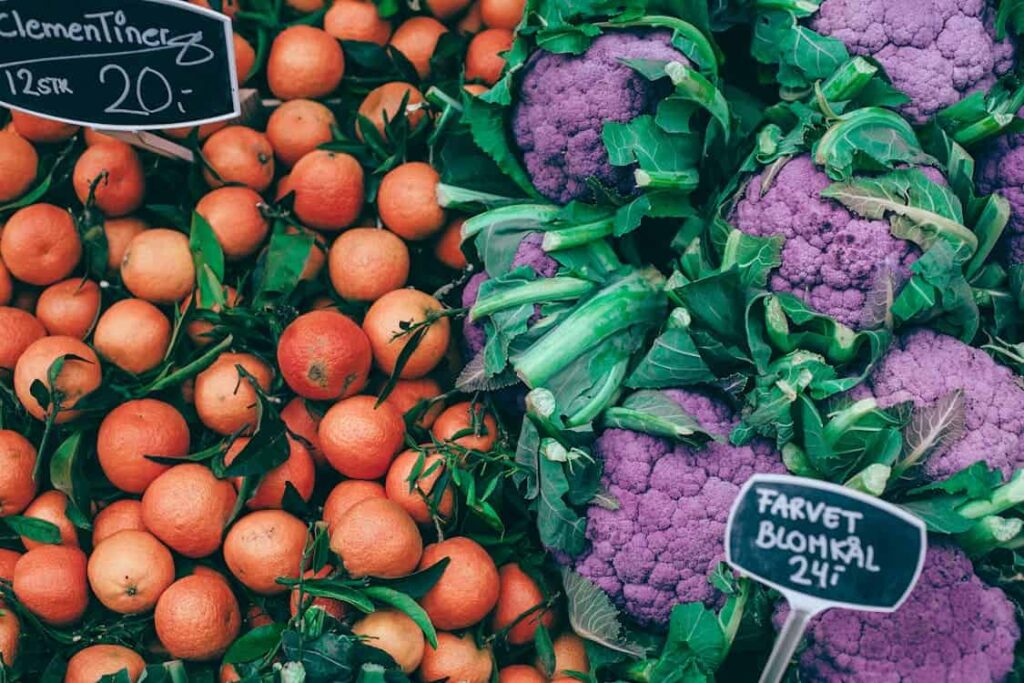
Organic products have usually cost more than regular ones, and the price difference has grown lately. Organic farming takes more work and often produces less food. Getting official approval also adds to the price. Higher demand for organic goods has pushed prices up too.
To save money, focus on buying organic versions of the “Dirty Dozen” fruits and vegetables, which have the most pesticide leftovers when grown in the usual way. For other foods, regular options may be cheaper.
Watch for discounts on organic items and try to buy organic fruits and vegetables that are in season and grown nearby, as these can cost less.
Alcoholic Beverages

Alcoholic beverage prices have increased due to several factors. The cost of ingredients like grains and fruits has gone up. Glass shortages have made bottles more expensive. Labor and transportation costs have also risen.
To save money on alcoholic beverages, look for sales at local stores. Buying in bulk, when it makes sense, can lead to savings. Consider less expensive brands or types of alcohol.
Making your own beer or wine at home can be a fun hobby that saves money in the long run. Remember, it’s always important to drink responsibly and in moderation.
Fast Food

Fast food prices have been going up too. Higher costs for ingredients, like meat and vegetables, caused prices to rise. Many fast food places also had to raise wages to get enough workers.
Energy bills for cooking and warming food have grown as well. To cut fast food costs, check for coupons and app discounts from different chains.
Try sharing bigger meals or picking cheaper items on the menu. The best way to save money is to cook at home more, as it is often less expensive and healthier than eating fast food.
Meal Kits

Meal kit prices have increased as these services have gained popularity. The cost of ingredients has gone up, and packaging for individual portions adds to the expense. Transportation costs for delivering meal kits have also risen.
To save money on meal kits, look for introductory offers or discounts for new customers. Compare different services to find the best value. Consider using meal kits only occasionally and planning your own meals the rest of the time.
You can create your own “meal kit” system at home by planning meals, buying ingredients in bulk, and prepping components in advance.
Pasta

Pasta prices have gone up steadily in the past few years. This is mainly because wheat, which is used to make most pasta, has become more expensive.
Bad weather in key wheat-growing countries has caused smaller crops and higher prices. The energy needed to make and dry pasta has also become costlier. To save money, buy pasta in large amounts when it is on sale.
Try store brands, which usually taste like the big-name brands but cost less. You can also try pasta made from lentils or chickpeas, which may be cheaper and have more protein.
Adding vegetables to your pasta meals can help you use less pasta but still feel full.
Canned Goods

Canned goods prices have risen due to several factors. The cost of metal for cans has increased, as has the price of the foods inside the cans.
Energy costs for the canning process have gone up. Transportation issues have made it more expensive to get canned goods to stores. To cut costs on canned goods, look for sales and stock up when prices are low.
Many canned foods last for years, so buying in bulk can lead to long-term savings. Compare prices between canned and frozen options, sometimes frozen vegetables or fruits are cheaper.
You can also learn to can your own fruits and vegetables at home, which can save money if you have access to fresh produce in bulk.
Baby Formula

Baby formula prices have gone up a lot. It is harder to get ingredients and packaging because of supply problems. Safety rules, while needed, make making formula more expensive.
Higher demand has also pushed prices up. To save money on formula, ask your doctor for samples or coupons. Some brands give discounts if you buy a lot or sign up for regular deliveries.
Try store-brand formulas, which have the same nutrition as name brands but usually cost less. Breastfeeding can save money if you can, but feeding choices should be based on what is best for you and your baby, not only cost.
Eat Well, Spend Less

Many foods are getting more expensive because of several reasons. This can make grocery shopping harder, but there are ways to adjust and save money.
Some good tips are buying large amounts when prices are low, picking store brands instead of name brands, and cooking more meals at home. Eating fruits and vegetables in their season can also help you get fresh food at cheaper prices.
Remember, small changes can lead to big savings over time. With some planning and smart ideas, you can keep eating well without spending too much, even if food prices keep changing. The key is to make choices that fit your money and health needs.
If you like what you just read, then subscribe to my newsletter.
- 20 Things Frugal Millionaires Refuse to Buy, Despite Having Money (With Video)
- Food Shortages Ahead? 20 Items You Should Buy Now
AI was used for light editing, formatting, and readability. But a human (me!) wrote and edited this.