17 Notable ’60s Trends That Have Lost Their Spot in Today’s Culture
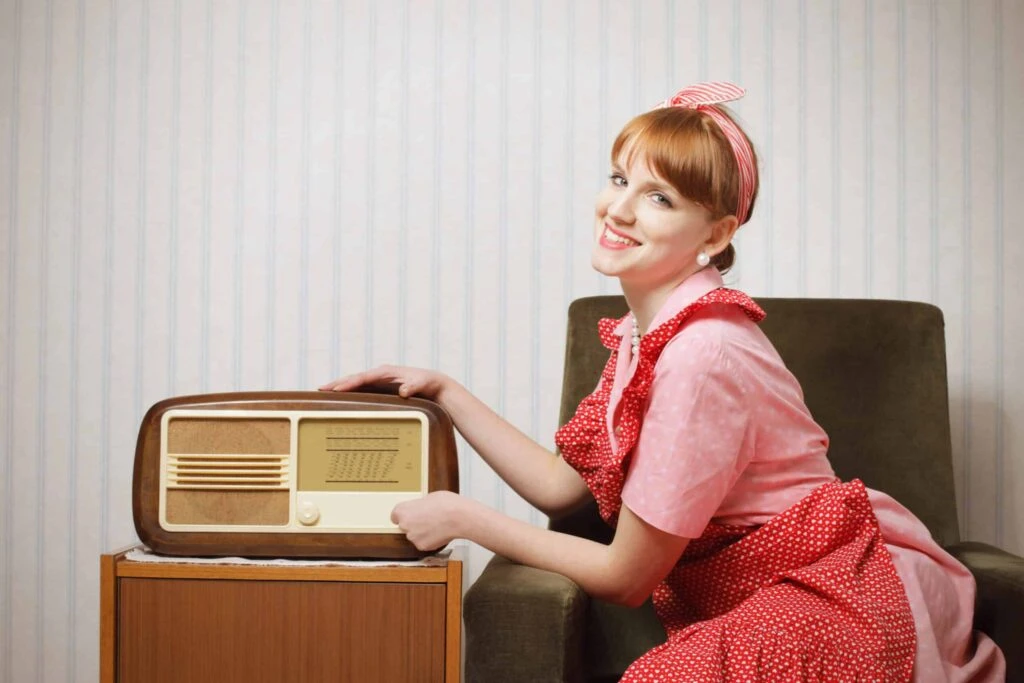
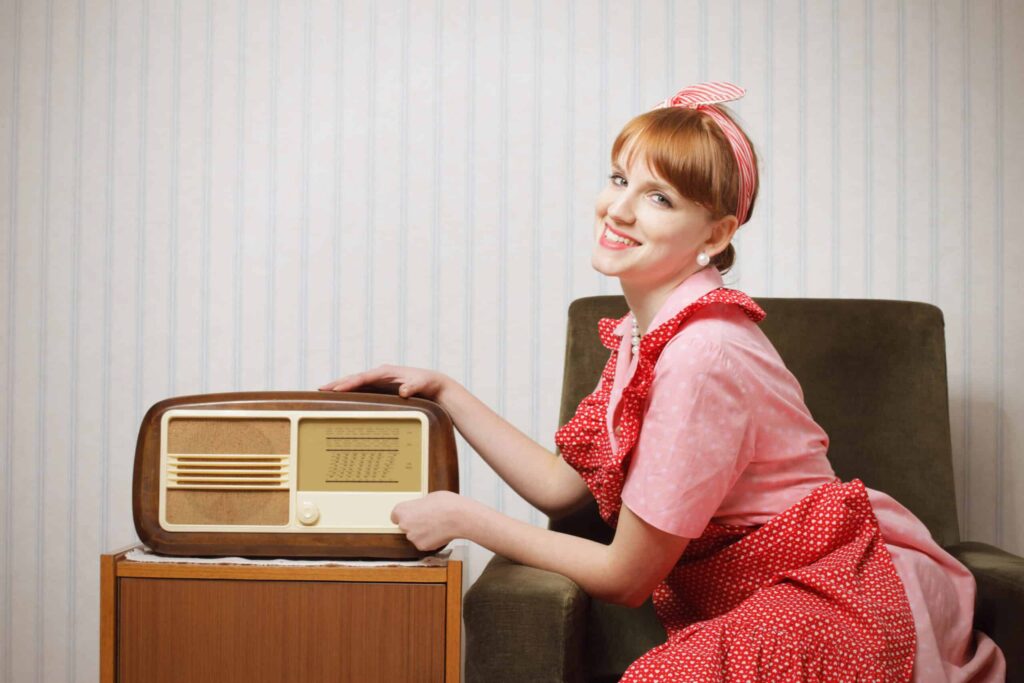
The 1960s stand out as a time that changed the world. It was a period when new ideas grew, technology moved fast, and people dreamed big. Music was exciting, fashion became daring, and society asked big questions.
The ’60s left a mark on history that we still feel today. But time moves on, and many things once important have faded away. Some disappeared quickly, while others slowly slipped out of daily life.
These lost pieces of the past now bring smiles to those who lived through them. They remind us of simpler days, when the world felt smaller yet full of endless chances.
Let’s take a walk down memory lane and see 20 things from the 1960s that have mostly gone. Some might surprise you, some might make you laugh, and a few might even make you wish they returned.
Ready to visit the past? Let’s start!
The Beatnik Subculture
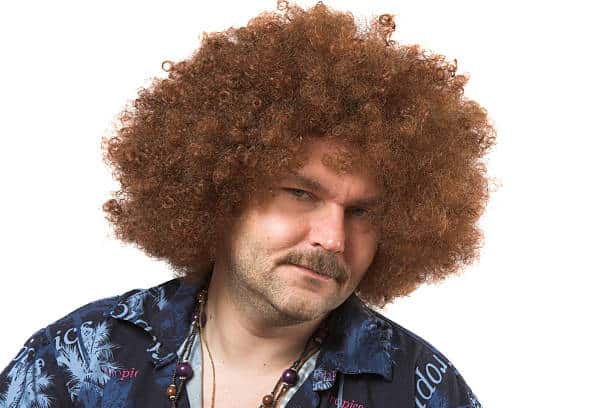
Before hippies, there were beatniks. These stylish people wore black, snapped their fingers instead of clapping, and enjoyed jazz and poetry.
Beatniks spent time in coffee shops, reading new poems and talking about deep ideas. They challenged old ways of thinking and living. The beat generation changed art, music, and clothes.
Their free and open way of living helped start the hippie movement that came next. Although real beatniks disappeared, their influence on culture stayed long after their berets stopped being popular.
Hi-Fi Stereos
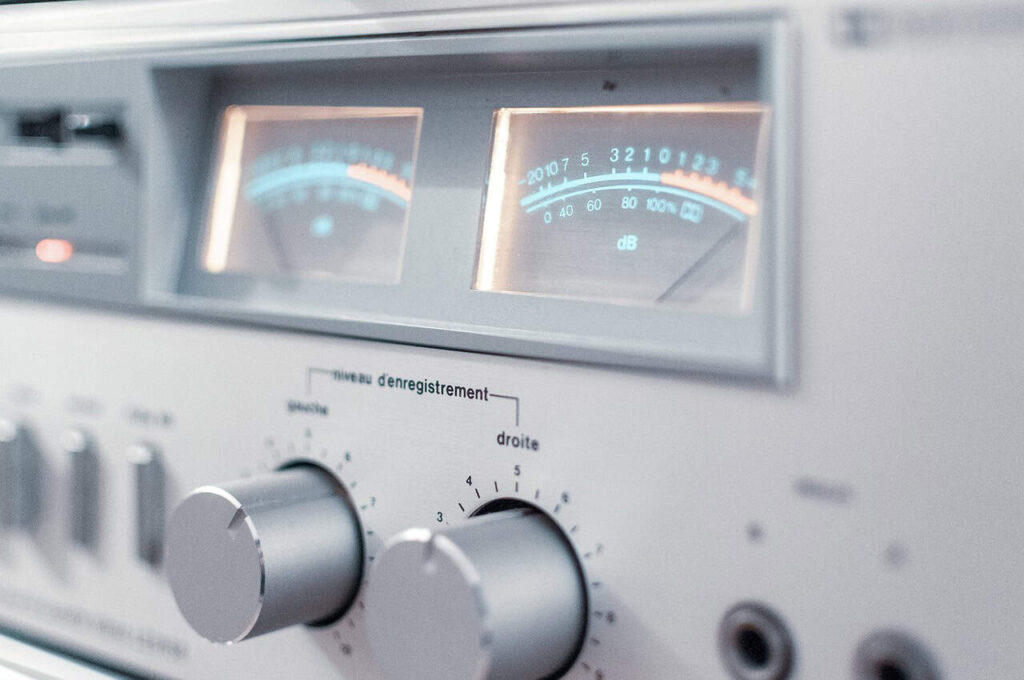
In the 1960s, music fans loved showing their hi-fi stereos. These large, fancy sets took up a big part of the living room. People spent a lot of time setting their speakers just right for the best sound.
Playing a record was an event; you had to treat the vinyl gently and carefully put down the needle. The deep, warm sound spread through the room, making listeners feel like they were at a live show.
Today’s small earbuds and streaming apps don’t fully bring back that special feeling of sitting around the hi-fi to enjoy the newest album.
Tab Soda
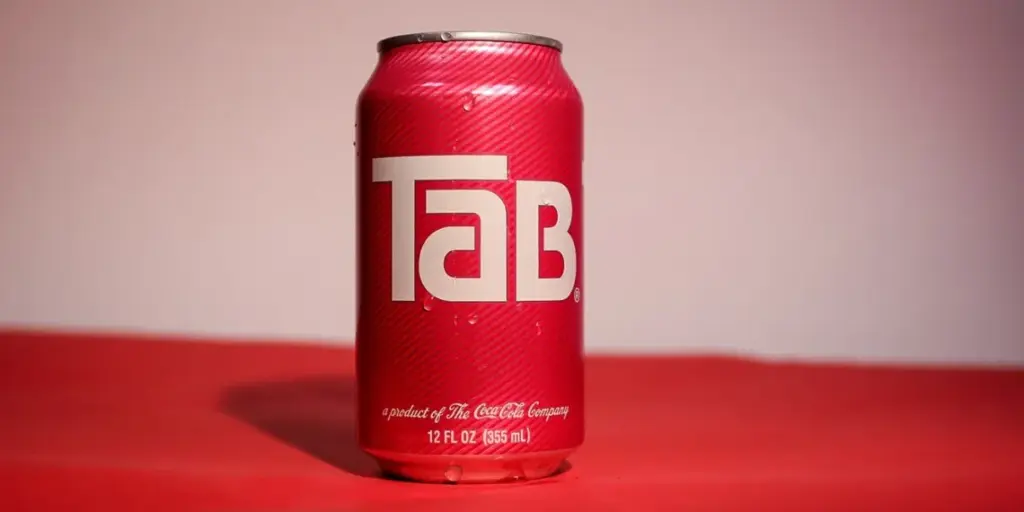
Pop! Fizz! In the 1960s, that sound might have been a can of Tab opening. This pink-canned soda was one of the first diet drinks to hit the market. It became super popular, especially with women watching their weight.
Tab had a unique taste that people either loved or hated. Fans of the drink were dedicated, stocking their fridges with the stuff.
But as new diet sodas came out, Tab’s popularity fizzled. The once-mighty Tab became harder to find, and newer drinks took its place on store shelves.
Mod Fashion

The 1960s brought a big change in style with mod fashion. Bright colors, sharp shapes, and bold designs were very popular. Girls wore miniskirts and go-go boots, and boys dressed in slim suits with haircuts like the Beatles. Mod fashion was more than just clothes; it showed a way of thinking.
It said, “I’m young, cool, and proud to show it!” This look shaped the ‘60s and kept influencing clothes for many years. You won’t see many people dressed fully in mod style now, but parts of it still appear in today’s fashion.
Howdy Doody
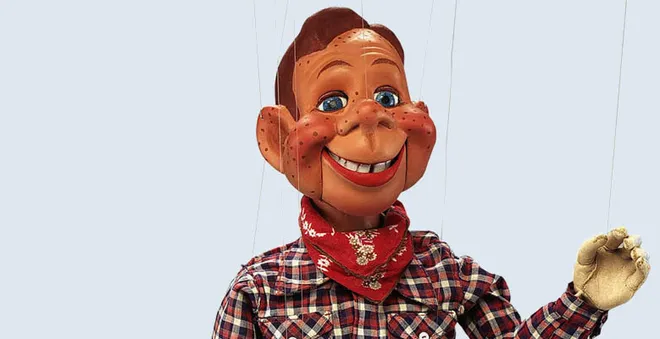
Hey kids, what time is it? It’s Howdy Doody time! This catchphrase made children rush to their TVs in the early 1960s. Howdy Doody, a puppet with freckles, and his human friends brought fun and learning to kids all over America. The show had laughter, lessons, and some silly moments.
Kids wanted to join the “Peanut Gallery,” the live group of children watching the show. Howdy Doody was more than just a TV show – it became a special part of culture.
But as TV changed and new programs came along, Howdy Doody said his last “Howdy” and became part of TV history.
Jukeboxes in Diners
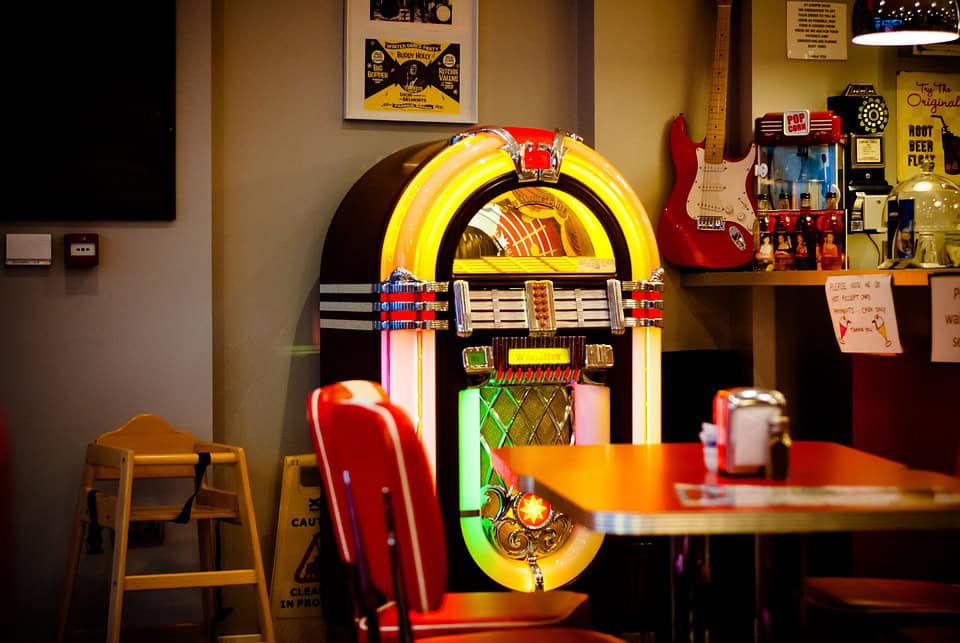
Step into a 1960s diner, and you’d likely see a jukebox glowing in the corner. These music machines were the heart of many hangouts. Drop in a coin, press a few buttons, and your favorite song would play for all to hear.
Teenagers huddled around jukeboxes, picking songs for impromptu dance parties. The jukebox wasn’t just about music, it was a social hub. People bonded over song choices and discovered new tunes together.
While some retro diners still keep jukeboxes around, most restaurants now pipe in music through speakers, missing out on the interactive fun of the good old jukebox.
Tupperware Parties
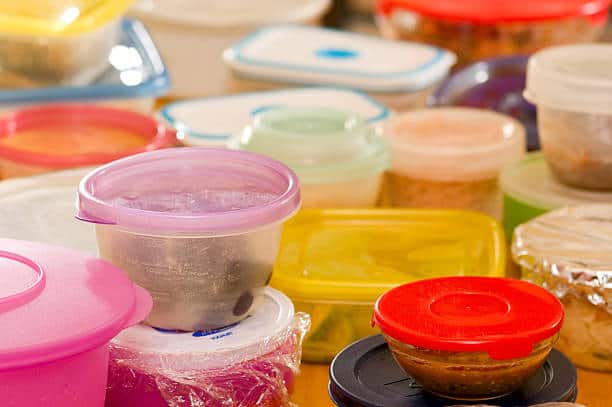
In the 1960s, Tupperware parties were very popular. A hostess would ask her friends to come over for snacks, talking, and… plastic containers! Yes! A Tupperware woman would show all the newest kitchen tools.
Women were excited by smart ways to store leftovers. These parties were more than just buying things; they were social gatherings. Women could chat, swap recipes, and buy handy products.
Tupperware parties also helped women earn money. Today, since buying online is simple, these home parties have mostly disappeared like the flip-top container.
Green Stamps
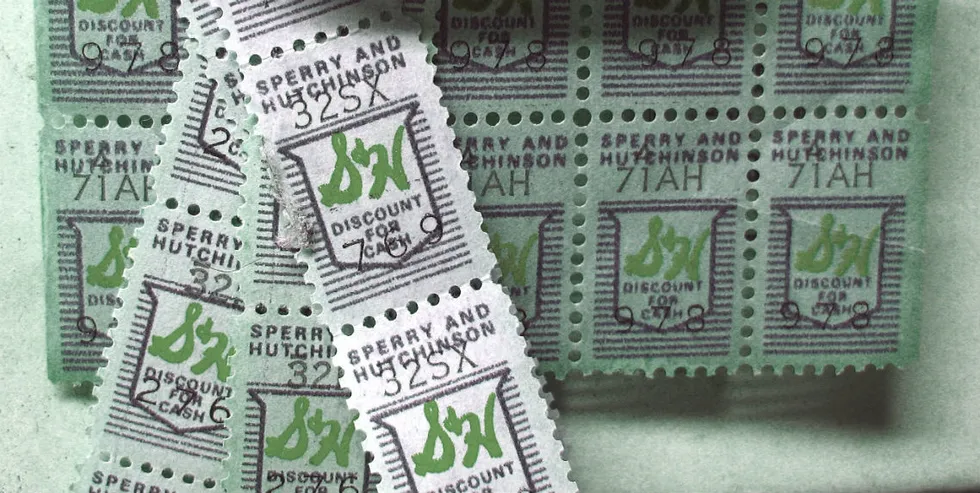
Shopping in the ’60s often came with a bonus, Green Stamps! Stores gave out these little green stamps with each purchase. Shoppers licked and stuck them into books, saving up for prizes. The more you bought, the more stamps you got. Once you filled a book (or ten), you could trade them for all sorts of goodies.
Toasters, toys, even furniture, all could be “bought” with Green Stamps. Kids helped their moms stick stamps, dreaming of what they might get.
This early loyalty program faded as credit cards and digital points took over. But for a while, those little green stamps were like a second currency.
Poodle Skirts
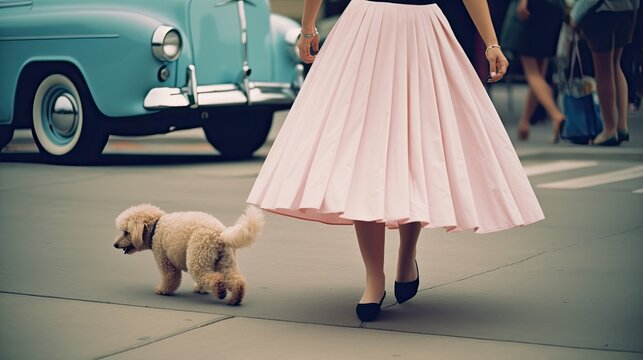
Swing your hips and twirl! That’s what girls did wearing poodle skirts. These fun skirts had a big circle shape, just right for dancing. And yes, many had a poodle patch, but there were other designs too.
Poodle skirts went well with saddle shoes and bobby socks for the classic ’50s style. The look stayed popular into the early ’60s, especially for younger girls. Poodle skirts were more than just clothes, they showed the playful, innocent side of youth.
As hemlines got higher and new styles came, poodle skirts moved into costume use. Today, you mostly see them at sock hops and ’50s-themed events.
Telephone Booths
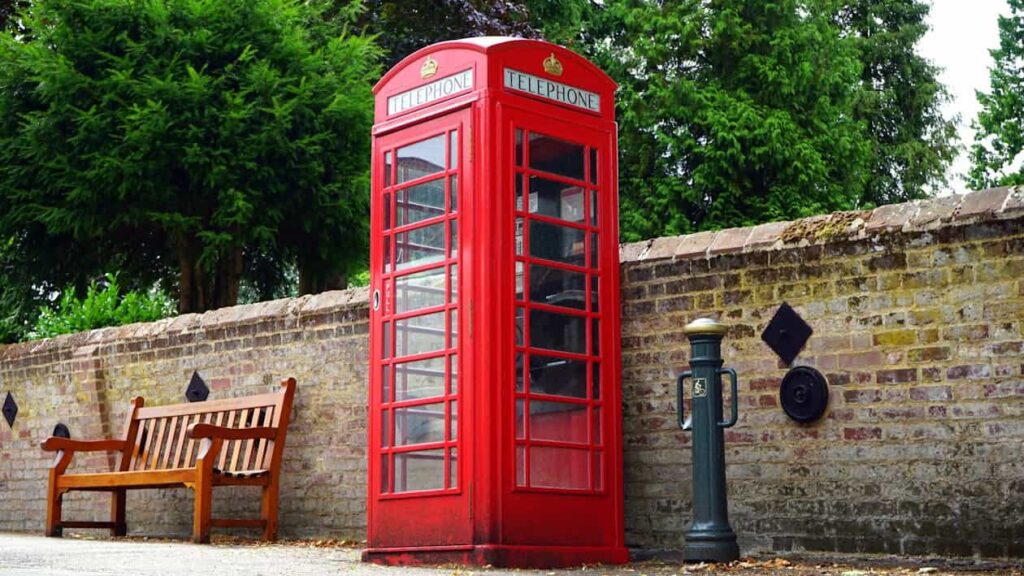
Once upon a time, phone booths stood on street corners like tiny glass houses. These boots were lifelines for people away from home.
Need to call for a ride? Check in with your family? The phone booth was there. Superman even used them as changing rooms! People lined up to use them, especially on rainy days.
The booths offered privacy for important calls and shelter storms. But as cell phones became common, phone booths started to disappear. Now, spotting one is like finding a unicorn in the city.
 If you like what you are reading, then click like and subscribe to my newsletter. We share tips to waste less time and money.
The Twist Dance Craze
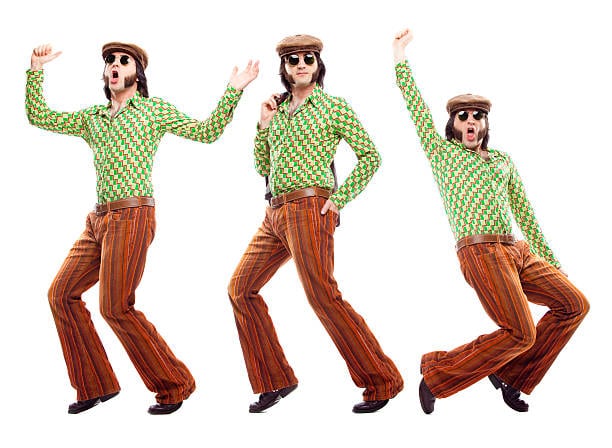
In the early 1960s, a dance took over the country and got everyone moving. The Twist, made famous by Chubby Checker, had people of all ages turning their hips.
It was simple to do, just act like you are stamping out a cigarette with both feet while wiping your back with a towel! The Twist appeared at every party, school dance, and even fancy events. Parents joined in, surprising their kids by doing a “young” dance.
Even though the craze faded, the Twist made a big impact on dance history. It opened the door for more solo dance moves and less formal partner dancing.
Moon Landing Fever
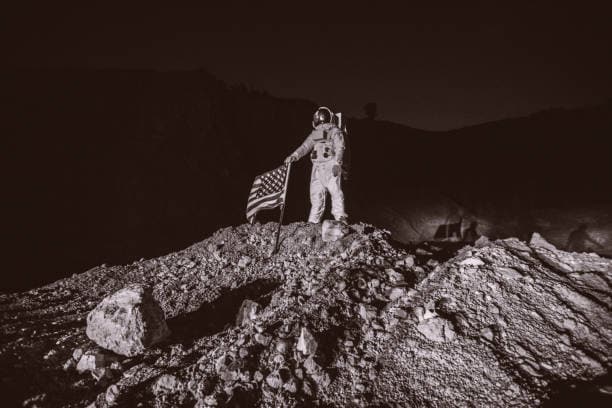
On July 20, 1969, the world held its breath as Neil Armstrong took his first steps on the moon. This moment united people across the globe. Kids dreamed of becoming astronauts, and space-themed toys flew off shelves.
People gathered around TVs to watch every space mission. The moon landing sparked huge interest in science and technology.
It seemed like soon we’d all be taking vacations in space! While we still send rockets up, that intense excitement has cooled down. The moon landing remains a proud moment in history, but space travel is no longer front-page news.
Public Bomb Shelters
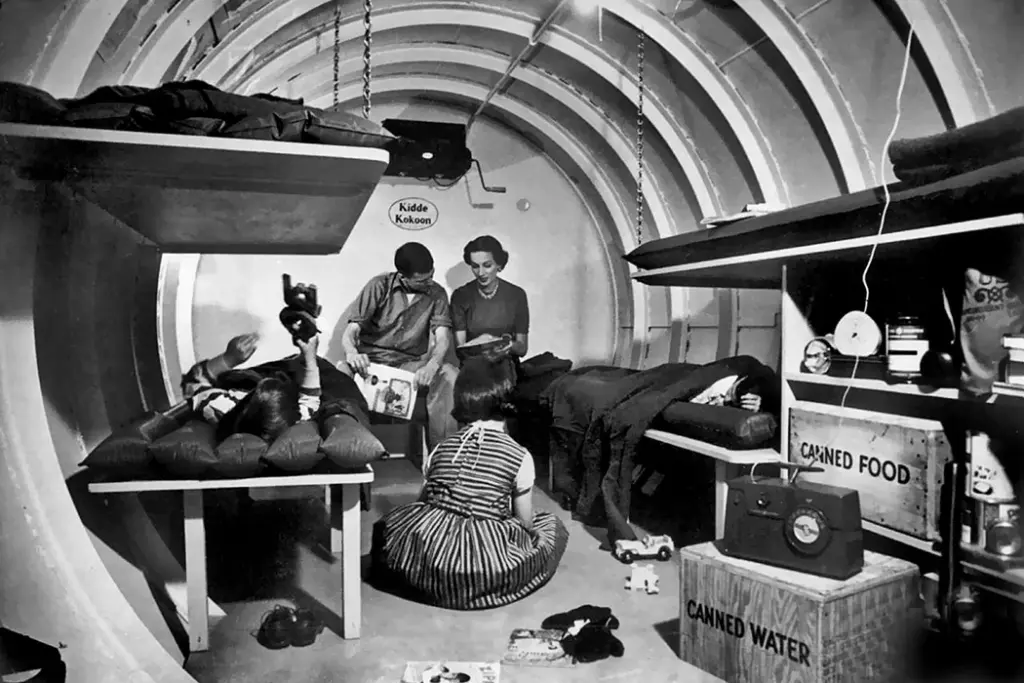
Duck and cover! In the 1960s, the fear of nuclear war led to building public bomb shelters. These underground places were filled with food, water, and supplies.
Many public buildings showed shelter signs to guide people where to go during an attack. Schools practiced drills, teaching kids to hide under desks (though it seemed unlikely to help!). Some families even made shelters in their yards.
The constant fear of bombs shaped everyday life. As Cold War tensions eased, most shelters were left behind or used for other things. Now, they remain as strange reminders of a time when the threat of nuclear war felt very real.
Manual Lawnmowers

Weekend mornings in the ’60s often started with the gentle whirr of manual lawnmowers. These simple machines relied on muscle power to keep lawns tidy. Push the mower, and spinning blades would snip the grass.
No gas, no cords, just elbow grease. Kids often had the chore of mowing the lawn with these green machines. The manual mower was quiet and didn’t pollute, but it took time and effort to use.
As gas-powered mowers became cheaper and easier to find, the old push mowers were often left to rust in sheds. Some eco-minded folks still use them, enjoying the quiet cut and extra exercise. For most people, though, the manual mower is just a relic of a simpler time.
Flower Power
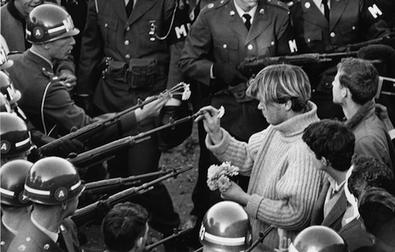
“Flower Power” grew in the late 1960s as a sign of peaceful protest. Hippies placed flowers in soldiers’ gun barrels and wore them in their hair. The phrase showed the mood of peace and love that shaped the counterculture.
Flowers appeared everywhere, on clothes, posters, and VW vans. The idea was clear: share peace and kindness just like flowers share beauty. Though the slogan faded, its message planted roots of change.
Today, “Flower Power” may seem old-fashioned, but it reminds us of a time when young people believed peace and love could change the world.
Jello Molds

Wiggle, jiggle, that’s the sound of a 1960s party! Jello molds were the star of many dinner tables and potlucks. Cooks got creative, suspending fruit, vegetables, and even meat in wobbly towers of gelatin.
These colorful creations came in all shapes and sizes, thanks to special molds. Sweet or savory, there was a Jello salad for every taste (well, almost). Making a perfect mold was an art form, requiring patience and steady hands.
While some folks still enjoy a good Jello salad, they’re no longer the must-have dish at every gathering. Modern tastes have moved on, leaving Jello molds as a jiggly memory of parties past.
Psychedelic Art

Close your eyes and imagine swirling colors, strange patterns, and weird designs. That is psychedelic art, a style that became very popular in the 1960s. This art tried to show the feeling of a changed state of mind.
Album covers, posters, and some cartoons used the psychedelic style. Artists chose bright, clashing colors and flowing shapes to make the images exciting. Watching this art was like going on a trip without moving.
The style showed the bold, creative spirit of the ’60s. Although psychedelic art is less common now, its impact can still be seen in some new designs and music videos.
Looking Back
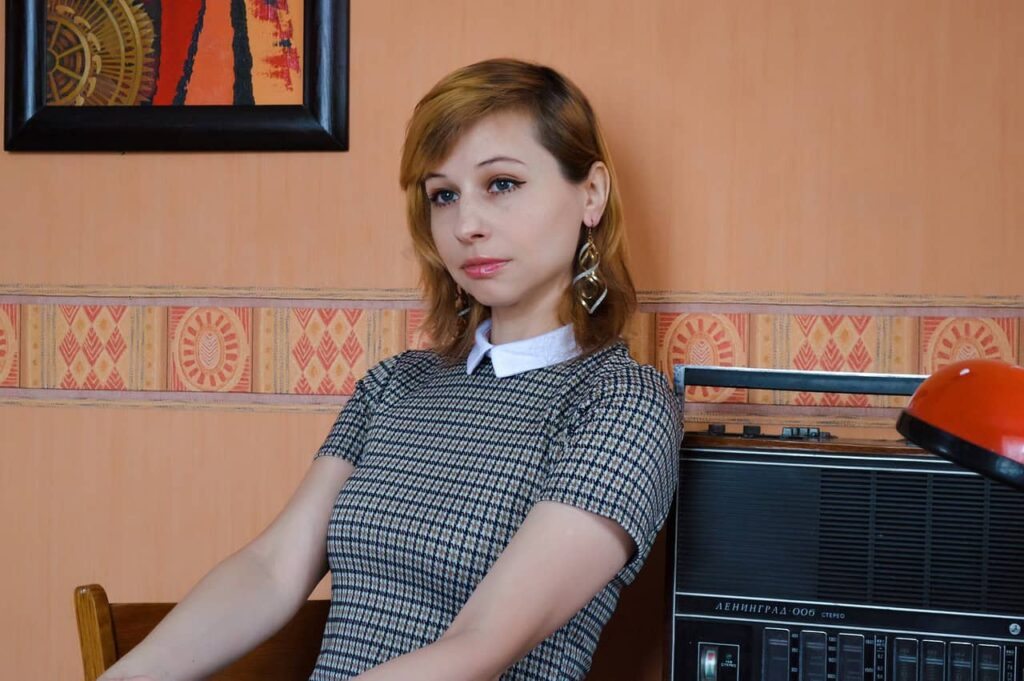
Here are 20 things that clearly show how much life has changed since the 1960s. Some of these items might seem odd or funny now, but they were an important part of everyday life back then. They tell us what people cared about, how they had fun, and what made them worried.
If you remember any of these things from the 1960s, we’d love to hear your stories! Maybe you have happy memories of sock hops or still miss the taste of Tab. Or maybe your grandparents shared stories about fallout shelters and flower power.
Who knows? Maybe some of these old styles will come back again. After all, old things often become new once more!
If you like what you just read, then subscribe to my newsletter.
- What Boomers Wish They Knew Sooner: 22 Life Lessons to Live By (With Video)
- 20 Boomer Favorites That Are Making a Major Comeback
AI was used for light editing, formatting, and readability. But a human (me!) wrote and edited this.