Are You Using Your IRA the Right Way? Smart Strategies to Boost Retirement Savings
Saving for retirement isn’t just about how much you invest it’s about where you invest it. I’ve seen many people work hard, earn well, and still miss opportunities simply because they don’t fully use the retirement accounts available to them. IRAs, in particular, are powerful tools, yet they remain underused and misunderstood. A few smart adjustments can dramatically improve long-term outcomes.
Here’s what you need to know to make your IRAs work harder for your future.
Retirement Accounts Are More Powerful Than Most People Realize
A surprisingly small share of Americans fully utilize IRAs. Many rely only on workplace plans, while others delay saving altogether. The reality is that even small increases in savings rates can snowball over time. Increasing contributions by just 1% of income can translate into tens or hundreds of thousands of dollars over a career. Time and consistency matter more than perfection.
Understanding the Different Types of IRAs
Not all IRAs are the same, and choosing the right type can shape your tax bill in retirement.
Traditional IRAs may offer a tax deduction today, with taxes paid on withdrawals later.
Roth IRAs are funded with after-tax dollars but grow tax-free and can be withdrawn tax-free in retirement.
SIMPLE IRAs are designed for small businesses and self-employed workers.
Self-directed IRAs allow alternative investments like real estate or crypto, though they come with added complexity and risk.
You can contribute to both a 401(k) and an IRA, which gives you more flexibility than many people realize.
Current Contribution Limits (Updated)
Staying on top of IRS limits is key if you want to maximize savings.
For IRAs in 2025, the contribution limit is $7,000, or $8,000 if you’re age 50+.
For 401(k)s, the limit is $23,000, with a $7,500 catch-up for those 50+. Workers aged 60–63 may qualify for an even higher catch-up under SECURE 2.0 rules.
SIMPLE IRA limits are also higher than in prior years, making them useful for small business owners.
Maxing these out isn’t required but the closer you get, the more you benefit from compounding.
Who Can Contribute
To fund an IRA, you must have earned income. That includes wages or self-employment income. There is no age cap as long as earned income exists. Spousal IRAs also allow a non-working spouse to contribute based on the working spouse’s income, which is a major opportunity many couples overlook.
Roth IRA Income Limits
Roth IRAs have income phase-outs. For 2025:
Single filers phase out roughly between $146,000 and $161,000.
Married filing jointly phases out roughly between $230,000 and $240,000.
Above those levels, backdoor Roth strategies may be worth discussing with a professional.
Tax Strategy: Traditional vs. Roth
Choosing between Traditional and Roth often comes down to tax timing. If you expect to be in a higher bracket later, Roth can be attractive. If you’re in a high bracket now and expect lower taxes later, Traditional may help. Many savers benefit from holding both for flexibility.
Smart Asset Location
What you hold inside each account matters.
High-growth assets like stocks often fit well in Roth accounts where gains are tax-free.
Bonds and income-producing assets can make sense in tax-deferred accounts.
Taxable brokerage accounts can hold tax-efficient index funds or ETFs.
This “asset location” strategy can quietly improve after-tax returns over time.
Investment Flexibility Inside IRAs
IRAs allow stocks, bonds, mutual funds, and ETFs. They do not allow life insurance or collectibles. Self-directed IRAs expand choices but require careful rule-following to avoid penalties.
Managing Volatility and Risk
Your investment mix should reflect your timeline and comfort with risk. Younger investors often lean toward growth. Those nearing retirement may shift toward stability and income. Constantly checking your account can increase anxiety and lead to bad decisions. A plan beats panic.
Diversification Across Tax Buckets
Having money in taxable, tax-deferred, and tax-free accounts gives you control over taxes later. Withdrawals from traditional accounts are taxed as income. Roth withdrawals are tax-free. Brokerage accounts receive capital gains treatment. Blending these helps manage lifetime taxes.
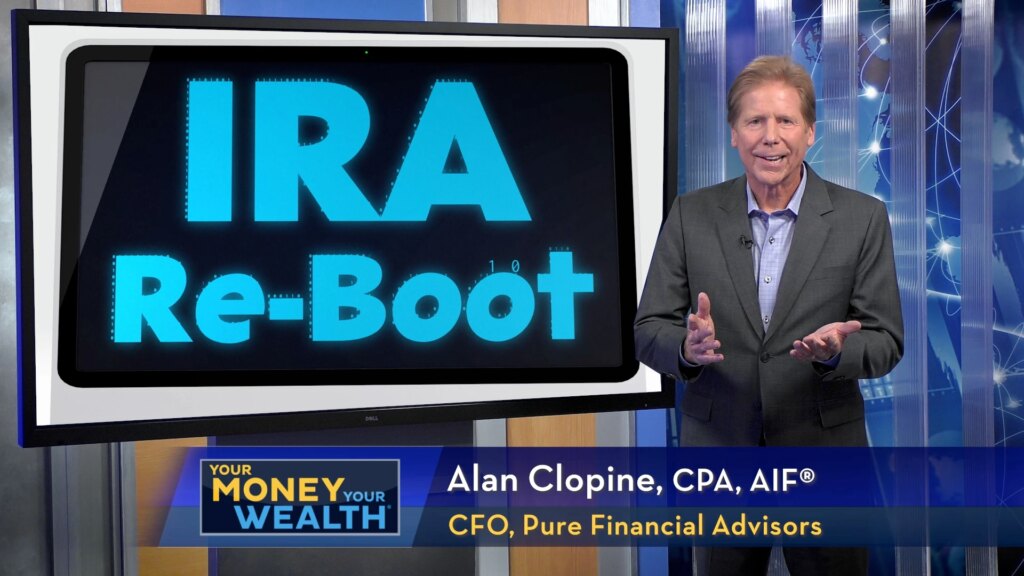
Rebooting a Retirement Plan
If you feel behind, you’re not alone. Start with these steps:
Take full employer matches.
Automate contributions.
Use spousal IRAs where possible.
Gradually increase savings rates.
Consistency often beats trying to “catch up” with risky moves.
The Power of Catch-Up Contributions
Once you hit 50, catch-up contributions allow you to accelerate savings. These extra dollars, compounded over time, can materially strengthen retirement readiness.
Common IRA Questions
Roth contributions (not earnings) can be withdrawn without penalty.
Inherited IRAs typically must be distributed within 10 years under current rules.
Retirement accounts are not emergency funds pulling money early can derail growth.
The Bottom Line
IRAs are more than just retirement accounts they are tax strategy tools. Using them intentionally can lower lifetime taxes, increase flexibility, and provide greater peace of mind. The key is not just saving more, but saving smarter.
Intended for educational purposes only. Opinions expressed are not intended as investment advice or to predict future performance. Past performance does not guarantee future results. Neither the information presented, nor any opinion expressed constitutes a solicitation for the purchase or sale of any security. Consult your financial professional before making any investment decisions. Opinions expressed are subject to change without notice.
IMPORTANT DISCLOSURES:
• Investment Advisory and Financial Planning Services are offered through Pure Financial Advisors, LLC. A Registered Investment Advisor.
• Pure Financial Advisors, LLC. does not offer tax or legal advice. Consult with a tax advisor or attorney regarding specific situations.
• Opinions expressed are subject to change without notice and are not intended as investment advice or to predict future performance.
• Investing involves risk including the potential loss of principal. No investment strategy can guarantee a profit or protect against loss in periods of declining values.
• All information is believed to be from reliable sources; however, we make no representation as to its completeness or accuracy.
• Intended for educational purposes only and are not intended as individualized advice or a guarantee that you will achieve a desired result. Before implementing any strategies discussed you should consult your tax and financial advisors.