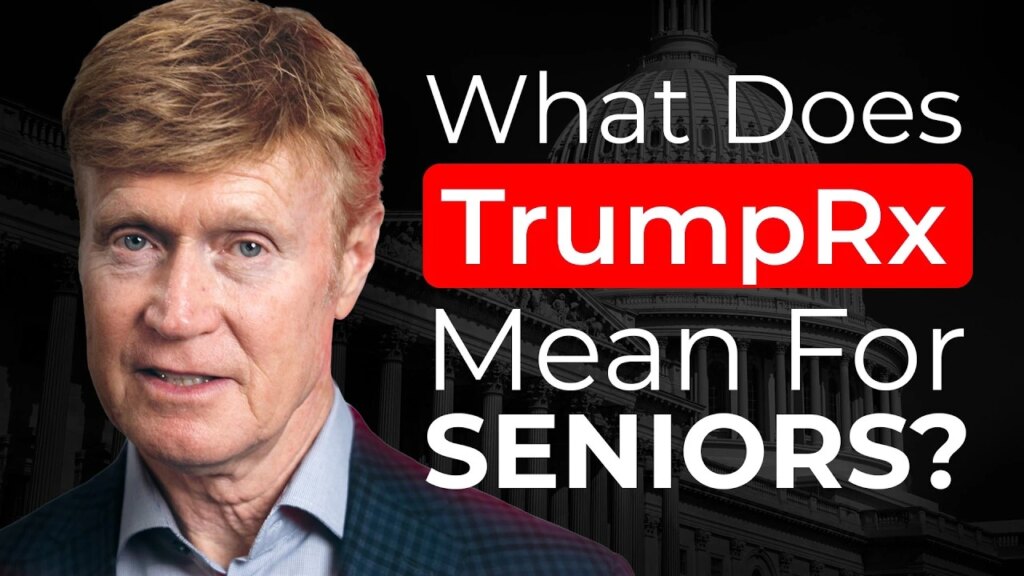
What Trump Rx Means For Seniors
Prescription drug costs are one of the biggest financial pressure points in retirement. Even for people who have been careful savers, healthcare has a way of disrupting the best-laid plans. I’ve seen many retirees who live frugally on Social Security and portfolio income but still struggle when a single brand-name medication costs hundreds or even thousands of dollars a month.
That reality is part of what has fueled interest in new approaches to drug pricing, including the Trump RX program, a government-run pricing portal designed to connect Americans to manufacturer-linked discounts on brand-name medications.
The first thing to understand is what Trump RX is and what it is not. It is not insurance. It does not replace Medicare, Part D, or private drug coverage. Instead, it functions as a pricing search portal where patients can look up specific drugs and generate coupons tied to manufacturer discount programs. The stated goal is to move U.S. consumers closer to “most favored nation” pricing, meaning prices that are more in line with what other developed countries pay.
For seniors in particular, this matters because prescription costs are a major line item. Medicare helps, but it doesn’t eliminate out-of-pocket exposure, especially for brand-name or specialty drugs. Part D plans, VA benefits, Tricare, and Medicaid all play roles, yet many people still face rising costs year after year.
Trump RX is focused specifically on brand-name medications. That’s where the largest price differences exist and where U.S. patients often pay far more than consumers abroad. Some reports show Americans paying multiples of what patients in countries like Canada or Germany pay for the same drugs.
According to program descriptions, users can search medications through the portal and access manufacturer-sponsored pricing. Participation is limited to certain manufacturers and drugs, but it includes major pharmaceutical companies. The list is not exhaustive, but the idea is to target the highest-cost drugs that drive a disproportionate share of spending.
And that concentration is real. A relatively small number of brand-name drugs account for a large portion of Medicare’s total drug spending. When a handful of medications represent a significant share of the budget, even modest price reductions can have meaningful system-wide effects.
To understand why prices are so high in the first place, it helps to look at the drug supply chain. Medications typically move from manufacturers to wholesalers to pharmacies, with Pharmacy Benefit Managers (PBMs) negotiating prices and managing formularies along the way. PBMs often earn money through rebates and pricing spreads. The problem is that those rebates are tied to list prices, and patients don’t always see the benefit at the pharmacy counter.
That complexity has opened the door for disruption. Mark Cuban’s Cost Plus Drug Company is one example on the generic side, offering transparent pricing with a fixed markup and minimal fees. That model largely removes PBMs from the equation and has delivered noticeable savings for many generic medications.
Trump RX is attempting something similar on the brand-name side by linking consumers more directly to manufacturer pricing programs. In theory, cutting out layers of middlemen could lower prices. Some discounts tied to direct purchasing or manufacturer programs have been substantial, particularly for high-cost specialty drugs like certain diabetes or weight-loss medications.
Still, this program is not for everyone. Uninsured individuals or those with very high deductibles may see the biggest benefit because they are often paying cash anyway. For them, a large manufacturer discount can be meaningful.
On the other hand, people with strong commercial insurance coverage may already have lower co-pays than the portal’s cash prices. In those cases, insurance still wins. Patients primarily using low-cost generics also may not see much value since those drugs are already relatively affordable.
There are also important tradeoffs. Cash purchases through programs like this generally do not count toward insurance deductibles or out-of-pocket maximums. That can matter for people managing total annual healthcare costs. Some pricing structures may also function as teaser rates that change over time. And users typically must agree not to seek reimbursement from insurance.
So where does that leave the average consumer? In my view, Trump RX is less of a complete solution and more of another tool in the toolbox. Drug pricing in the U.S. is a complicated system shaped by policy, negotiations, and market dynamics. No single program is likely to fix it.
But greater price transparency and more direct-to-consumer models are steps toward competition. When consumers can compare prices and access discounts more easily, it introduces pressure into a system that has historically been opaque.
For retirees and near-retirees, the practical takeaway is simple: it pays to shop around. Compare Part D plans annually. Ask about manufacturer assistance programs. Check cash pricing options. And understand how each choice fits into your broader healthcare and retirement budget.
Medication costs can quietly erode financial security. Any program that increases visibility and choice is worth understanding even if it isn’t the perfect answer.