Luxury or Necessity? 24 Common Items with Hidden High Costs


People buy luxuries they do not need. They think these buys bring comfort or status. Ads and social pressure make high-end items seem like must-haves. The real gains stay small.
A new survey shows the average American spends over $18,000 a year on non-essential goods and services. These costs run from premium subscriptions to top gadgets. They eat savings with no lasting payoff.
This article lists common luxury spending traps that harm your budget. You get tips to choose money wisely and keep fun.
What luxury cost do you find tough to cut? Tell us, we want to know!
personalized Subscription Boxes

Subscription boxes with custom items look nice and fun. But these regular deliveries add ongoing costs for things people do not need. The joy of getting picked packages fades, and subscribers end up with extra stuff they do not use.
Many pay for a short buzz instead of real value. Buying now and then on purpose brings more joy. Smart buys cut down mess and save cash over time.
Exclusive Membership Travel Clubs

Travel memberships promise luxury trips at reduced rates but often involve hefty upfront fees. People pay for access to promotions they could find independently. Promotional offers rarely align with preferred travel dates, limiting true savings.
Many members never recoup their initial investment through the limited discounts provided. Booking trips directly through trusted travel platforms often yields better deals. Smart planning beats paying for exclusive membership access.
High-End Smart Home Devices

Smart home devices seem convenient but often cost a lot. Voice systems, smart locks, and auto thermostats promise easy life. Basic models do key jobs for much less money.
People pay extra for features they skip or don’t get. Check real needs first to cut tech costs. A good home skips the newest connected tools.
Designer Baby Gear

New parents often splurge on high-end strollers, cribs, and baby monitors. The belief that premium baby gear ensures better safety and comfort drives these purchases. Retailers play on emotional appeals, marketing items as essential for responsible parenting.
Many premium products offer minimal advantages over more affordable alternatives. Choosing quality baby gear without the designer label supports safety and comfort while respecting the budget. Raising children doesn’t require luxury-level expenses.
Collectible Memorabilia

People often invest in collectibles like signed merchandise, limited-edition items, or art pieces hoping for future value. Sentimental attachment and market hype fuel these pricey purchases. Collectors pay premium prices without considering potential depreciation.
The emotional lure of owning rare items can lead to significant financial loss. Investing with a long-term perspective or collecting as a passion instead of profit prevents financial missteps. Collectibles should add joy, not financial stress.
 If you like what you are reading, then click like and subscribe to my newsletter. We share tips to waste less time and money.
High-End Kitchen Appliances

Luxury kitchen gadgets promise speed but often cost too much. Smart refrigerators, high-tech ovens, and top blenders draw in buyers who want better cooking.
Many features go unused or add no value for daily meals. Stores sell these machines as essentials, so people buy new ones too soon. Basic mid-range appliances do most cooking jobs for less money.
Functionality beats fancy extras over time.
Designer Watches and Jewelry

Luxury watches and jewelry represent timeless style but often cost far more than they’re worth. People pay a premium for brand names, even when similar designs are available at lower prices.
Marketers create exclusivity through limited editions and celebrity endorsements, making these items feel like status symbols. This perceived prestige drives unnecessary spending. Focusing on classic, affordable pieces ensures style without stretching the budget.
Timeless accessories don’t have to come with a luxury label.
High-End Audio Equipment

Premium speakers, headphones, and home theater systems promise unparalleled sound quality. People often pay extra for features they rarely notice or need.
Tech companies create demand by emphasizing cutting-edge technology and frequent product upgrades. Buyers may not experience a significant difference in everyday listening.
Selecting budget-friendly audio gear with good reviews can provide excellent sound quality. Enjoying music and entertainment shouldn’t require extravagant spending.
Expensive Hobbies and Collecting

Hobbies like wine collecting, high-end gaming setups, or luxury crafting materials can become costly. Enthusiasts often justify these expenses as necessary for their passion. Retailers market premium versions of hobby-related items, encouraging upgrades and additions.
Collectors may spend excessively in pursuit of completeness or exclusivity. Balancing passion and budget keeps hobbies enjoyable without creating financial stress. Engaging in creative pursuits shouldn’t mean sacrificing savings.
Professional Cleaning Services

Hiring pro cleaning services gives ease but costs more than you think. Daily home upkeep cuts the need for big cleanups. Cleaning companies often group jobs, so packages cost extra.
You pay for that ease and skip do-it-yourself cleaning. A steady cleaning plan saves cash and keeps your home clean. Use pro cleaning as a rare treat, not a weekly bill.
Luxury Event Tickets
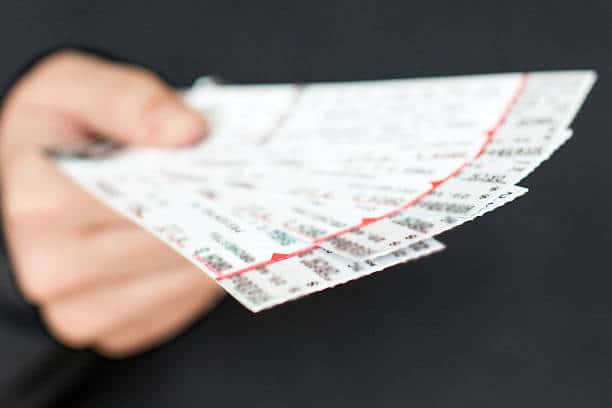
Exclusive event tickets, including VIP concert passes or private sports suites, come with premium price tags. People justify these purchases as once-in-a-lifetime experiences. Event organizers use limited availability and special perks to create urgency and drive up prices.
Many attendees realize the added expense doesn’t significantly enhance their experience. Choosing standard admission or early-bird tickets ensures fun without excessive spending. Memorable experiences don’t have to include luxury-level access.
Designer Clothing and Accessories

According to a recent survey, 15% of Americans have bought luxury goods in the past year, and 33% are willing to pay more for luxury brands. Designer labels appeal due to their status and perceived quality.
People often buy them to signal wealth or fashion sense. While these items can be luxurious, they rarely justify the hefty price tags. Brand loyalty plays a huge role in these purchases. Marketers create an illusion of exclusivity, making customers feel special.
This emotional connection encourages spending beyond necessity.
Trendy Tech Gadgets

New tech gadgets are tough to ignore. Phones, smartwatches, and tablets offer cool features that make old ones seem dated. Ads push small changes as big wins.
Buyers pay for options they skip most times. The pattern hits with each launch. Pick key tech or wait for deals to cut costs. Check if the new item really boosts your day.
Luxury Gym Memberships

Upscale gyms offer premium services like saunas, personal training, and high-end equipment. These extras seem appealing but can be unnecessary for most fitness routines. Motivation often dwindles after the initial excitement. People pay for memberships they rarely use, resulting in wasted funds.
Home workouts or community centers can be just as effective. Choosing a budget-friendly fitness option can still lead to great results. Regular exercise doesn’t have to come with a premium price tag.
Expensive Coffee and Beverages

Daily coffee runs seem harmless but quickly add up. Specialty drinks often cost several dollars each, creating a continuous expense for regular consumers. The social experience of coffee shops adds to the appeal.
Although, brewing coffee at home offers the same comfort at a fraction of the cost. Investing in a good coffee maker or learning to craft drinks at home can reduce spending without sacrificing quality or enjoyment.
Luxury Travel Packages

High-end vacations promise special trips, but the costs can add up fast. First-class flights, five-star hotels, and private tours make budgets grow big. Many travelers buy top services they use little, like fancy lounges or helper staff.
Cheap travel gives great memories too. Plan trips to get good value and fun times without extra spend. Smart choices make low-cost trips feel fancy.
Designer Home Decor

Home design trends evolve rapidly, encouraging frequent updates. Designer furniture and decor come with premium prices that don’t always reflect superior quality. Retailers often market these items as status symbols.
People spend excessively to create a high-end aesthetic, though similar looks can be achieved affordably. Shopping second-hand or choosing budget-friendly brands keeps home upgrades stylish and economical. A creative approach can transform spaces on a budget.
Fine Dining and Gourmet Meals

Dining at upscale restaurants offers a special experience, but frequent indulgence strains finances. Gourmet meals can cost several times more than home-cooked dishes. Social pressure to keep up with friends can escalate dining expenses.
Eating out occasionally maintains balance without sacrificing the enjoyment of good food. Learning to cook at home can be rewarding and cost-effective. Replicating favorite restaurant meals can create a similar dining experience for less.
High-End Beauty Treatments

Luxury spa treatments, facials, and beauty regimens promise many kinds of results. They relax you, but these services cost a lot more than options you do at home. Monthly beauty visits make ongoing costs.
DIY beauty routines give similar results if you do them often and right. Cheap beauty products and self-care ways cut spending and keep your wellness. Pick key items to lower beauty budgets.
Luxury Car Upgrades

According to recent studies, in 2023, the average amount U.S. consumers spent on vehicle purchases was over $5,500 per year. Upgrading to a luxury car comes with prestige but also hefty expenses.
Higher insurance, maintenance, and fuel costs follow, making ownership more expensive. Car dealers highlight advanced features that may rarely be used. Opting for reliable, fuel-efficient models ensures savings without sacrificing comfort.
A practical approach to car ownership preserves long-term financial health. Choosing functionality over luxury keeps transportation costs manageable.
Extravagant Celebrations and Parties

Hosting lavish events can be exciting but quickly becomes costly. Venue rentals, catering, and entertainment services escalate event budgets. Social expectations push hosts to create unforgettable experiences.
Although, meaningful celebrations don’t require extravagant spending. Planning intimate gatherings or DIY events keeps celebrations personal and budget-friendly. Creativity can make any occasion special without stretching finances.
Premium Pet Services

Luxury pet services like grooming, boarding, and custom meals meet pet owners’ wish to spoil their furry friends. These services cost much more than basic ones. Pets need love and care, but many top options add little extra value.
Home care works just as well. Smart spending on pet care keeps pets happy and healthy without extra costs. Good picks in pet services control budgets.
Private Club Memberships

Joining exclusive clubs offers networking and social prestige, but annual fees can be astronomical. Many members pay for access they seldom use, turning a potential benefit into a financial burden.
These memberships often come with hidden costs like event fees and required minimum spending. People justify the expense as a status symbol without evaluating the real value they gain.
Exploring community-based groups or free professional networks can provide similar opportunities at little to no cost. Social success doesn’t have to mean paying for exclusivity.
If you like what you are reading, then click like and subscribe to my newsletter. We share tips to waste less time and money.
Gourmet Meal Kit Subscriptions

Meal kits promise convenience but come with premium pricing compared to grocery shopping. Their appeal lies in curated recipes and pre-portioned ingredients, creating a false sense of value.
Subscribers often pay for meal kits they forget to pause, leading to unnecessary charges. While cooking becomes easier, the added cost per meal outweighs the convenience. Planning meals and shopping smartly can offer the same culinary experience for less.
Cooking at home with fresh ingredients ensures great meals without the inflated price.
Smart Spending for a Better Future

Luxury items tempt you, but control spending on extras for strong money success over time. Spot money waste to shift cash to big goals like trips, savings, or retirement.
Try small shifts, like picking good-value options or cutting unneeded services. Each smart choice gets you nearer to money safety and real joy.
If you like what you just read, then subscribe to my newsletter.