Retirement Spending: How Much is Too Much?
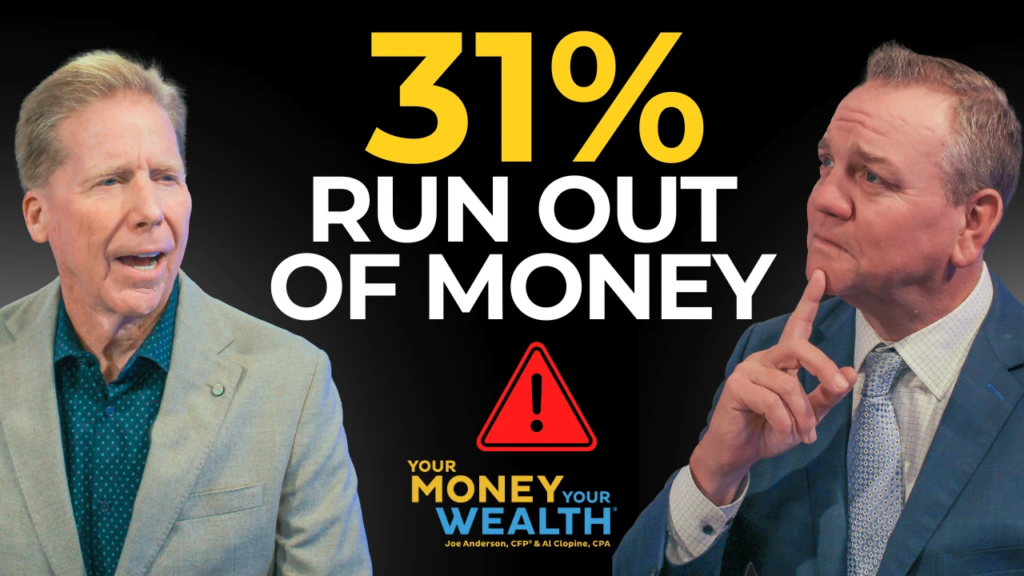
One of the biggest risks in retirement is not always a market crash, a recession, or even inflation. Sometimes, the bigger risk is spending just a little more than your plan can support. That may not sound dangerous at first. After all, retirement is supposed to be the time when you enjoy the money you worked so hard to save. But when spending rises above the level your portfolio can realistically sustain, the long-term impact can be severe. In some cases, spending just 2% to 3% more than planned can cause retirement assets to run out 10 to 15 years earlier than expected. That is the difference between having money last through your 90s and facing difficult financial decisions much sooner than you imagined.
This is why retirement planning has to be about more than asking, “How much have I saved?” The better question is, “How much can I safely spend, and how flexible am I if life does not go according to plan?” That distinction matters because retirement is not a straight line. Markets rise and fall. Healthcare costs change. Inflation compounds. Taxes shift. Social Security decisions become permanent. Medicare premiums can increase based on income. Required minimum distributions can create tax surprises. And personal spending habits often look very different in real life than they do on paper.
A common mistake is assuming that retirement spending will automatically go down. For some households, it does. The mortgage may be paid off, commuting costs may disappear, and work-related expenses may decline. But many retirees spend more than expected, especially in the early years of retirement. Travel, home projects, family support, hobbies, and lifestyle upgrades can push spending higher than anticipated. Some retirees may even spend 120% of their pre-retirement expenses in the first year because they finally have the time to do the things they delayed for decades. That does not mean they are being irresponsible. It means the plan has to account for reality.
The problem becomes more serious when higher spending is paired with a high withdrawal rate. A 6.2% distribution rate may feel manageable in a strong market, but it can become dangerous over a long retirement. A withdrawal rate closer to 4% is often used as a more conservative benchmark, though even that number depends on age, asset mix, inflation, taxes, and market performance. Retirement income planning is not about finding one magic percentage and sticking with it forever. It is about building a flexible system that adjusts as conditions change.
Sequence of returns risk is one of the reasons flexibility matters so much. If the market performs poorly early in retirement, withdrawals can do more damage than many people realize. When you take money out of a declining portfolio, you leave fewer dollars invested to participate in the recovery. Even if long-term average returns eventually look fine, the timing of those returns can determine whether your money lasts. A retiree who experiences strong returns early may have a very different outcome than someone who experiences losses in the first few years, even if both average the same return over 20 or 30 years.
That is why fixed withdrawal plans can fail. A plan that looks safe in a spreadsheet may need adjustments in real life. Small spending reductions can have a major impact. Cutting expenses by 10% during a difficult period may extend portfolio life by several years. That does not mean retirees must live in fear or constantly cut back. It means the plan should have built-in guardrails. When markets are strong, spending may be more comfortable. When markets are weak, pulling back temporarily can help protect long-term financial independence.
Social Security timing is another major part of the retirement spending equation. Claiming benefits at 62 can reduce monthly benefits by roughly 30% compared with waiting until full retirement age, which is 67 for many retirees. That lower benefit is permanent. For someone who needs income immediately, claiming early may be necessary. But for those who have flexibility, delaying Social Security can improve long-term stability. Waiting may increase annual benefits from roughly $36,000 to around $50,000, depending on the person’s earnings record and claiming age. That larger guaranteed income stream can reduce pressure on the investment portfolio later in retirement.
The decision is not simply about maximizing the monthly check. It depends on health, life expectancy, income needs, marital status, survivor benefits, and the rest of the retirement plan. But claiming early out of fear can be costly. Many retirees take Social Security at 62 because they are worried the system will change or because they want to collect as soon as possible. That may feel emotionally safe, but it can increase financial risk if the retiree lives into their 80s or 90s.
Healthcare is another area where timing matters. Medicare eligibility begins at 65, but many people want to retire before then. That creates a potential healthcare gap. Private insurance can be expensive, and a three-year gap before Medicare may cost tens of thousands of dollars. In the outline scenario, early retirement created a healthcare gap of roughly $24,000 per year, or about $72,000 over three years. That kind of expense can significantly affect retirement projections, especially when it happens early.
Even after Medicare begins, healthcare costs do not disappear. Premiums, supplemental coverage, prescription drugs, out-of-pocket expenses, and income-based Medicare surcharges can all affect cash flow. Higher-income retirees may face IRMAA, the Income-Related Monthly Adjustment Amount, which increases Medicare premiums based on income. This is where tax planning and withdrawal planning overlap. Taking large distributions from retirement accounts may increase taxable income, which can then increase Medicare premiums.
Required minimum distributions add another layer. Once RMDs begin, retirees must withdraw money from certain retirement accounts whether they need the income or not. For a $2 million retirement account, an initial RMD around 4% could mean roughly $80,000 of taxable income. Since RMDs are generally taxed as ordinary income, they can push retirees into higher tax brackets, increase taxes on Social Security benefits, and potentially trigger higher Medicare premiums. This is why retirement income planning should not wait until RMD age. Roth conversions, taxable account withdrawals, charitable giving strategies, and Social Security timing may all play a role in managing taxes over time.
Location can also affect retirement sustainability. Some states, including Florida, Texas, Nevada, and Alaska, do not have state income taxes. For retirees with significant taxable income, that can be attractive. But tax efficiency is not only about income taxes. Property taxes, sales taxes, insurance costs, housing costs, and healthcare access all matter. A no-income-tax state is not automatically the cheapest place to retire. The full cost of living has to be considered before making a relocation decision.
The first practical step is understanding current spending. Many people enter retirement planning with guesses, not data. They may know their income, account balances, and mortgage payment, but they do not know exactly where their money goes each month. That makes it hard to build a reliable retirement plan. Before deciding whether retirement spending will be 50%, 80%, 100%, or 120% of current expenses, retirees need a clear picture of what they spend today and how that spending may change.
The second step is identifying income sources. Social Security, pensions, rental income, business income, annuities, brokerage accounts, retirement accounts, and cash reserves all play different roles. Some income is guaranteed. Some is market-dependent. Some is taxable. Some may be flexible. A strong retirement plan looks at how each source works together instead of treating the portfolio as the only solution.
The third step is stress testing the plan. What happens if the market drops early in retirement? What happens if inflation stays higher than expected? What happens if healthcare costs rise? What happens if one spouse dies earlier than expected? What happens if long-term care becomes necessary? These are uncomfortable questions, but they are essential. A plan that only works under ideal conditions is not a plan. It is a hope.
The fourth step is making adjustments before the situation becomes urgent. That may mean delaying retirement by a year or two, working part-time, reducing spending temporarily, delaying Social Security, adjusting investment risk, relocating, or building a larger cash reserve. An encore career or part-time work can be especially powerful because it reduces portfolio withdrawals during the early retirement years. Even modest income can make a major difference when it allows investments more time to grow.
The most important lesson is that retirement planning is not a one-time event. It is an ongoing process. Markets change. Tax laws change. Health changes. Family obligations change. Spending changes. A retirement plan should be reviewed regularly and adjusted when needed. The goal is not to create a perfect forecast. The goal is to create a flexible strategy that helps preserve wealth, support lifestyle goals, and reduce the risk of running out of money.
Retirement should be enjoyed. But enjoyment becomes much easier when spending is intentional, income is coordinated, and risks are accounted for. A sustainable retirement is not built by guessing how much you can spend. It is built by understanding your expenses, protecting against surprises, managing withdrawals, planning for taxes, and making smart decisions about Social Security and healthcare. The earlier those decisions are made, the more options retirees usually have. And in retirement, options are one of the most valuable assets you can own.
Intended for educational purposes only. Opinions expressed are not intended as investment advice or to predict future performance. Past performance does not guarantee future results. Neither the information presented, nor any opinion expressed constitutes a solicitation for the purchase or sale of any security. Consult your financial professional before making any investment decisions. Opinions expressed are subject to change without notice.
IMPORTANT DISCLOSURES:
• Investment Advisory and Financial Planning Services are offered through Pure Financial Advisors, LLC. A Registered Investment Advisor.
• Pure Financial Advisors, LLC. does not offer tax or legal advice. Consult with a tax advisor or attorney regarding specific situations.
• Opinions expressed are subject to change without notice and are not intended as investment advice or to predict future performance.
• Investing involves risk including the potential loss of principal. No investment strategy can guarantee a profit or protect against loss in periods of declining values.
• All information is believed to be from reliable sources; however, we make no representation as to its completeness or accuracy.
• Intended for educational purposes only and are not intended as individualized advice or a guarantee that you will achieve a desired result. Before implementing any strategies discussed you should consult your tax and financial advisors.