Hatchbacks in America: The Smart Car Comeback
Hatchbacks in America are making sense again as the 2026 Kia K4 offers SUV-like cargo space, smart pricing, and easier city living.
Hatchbacks in America have always had a slightly awkward reputation. Europe treated them as smart transportation. Japan made them efficient and durable. Americans mostly looked at them, nodded politely, and bought SUVs that did many of the same things with more height, more weight, and a larger monthly payment.
That may finally be changing.
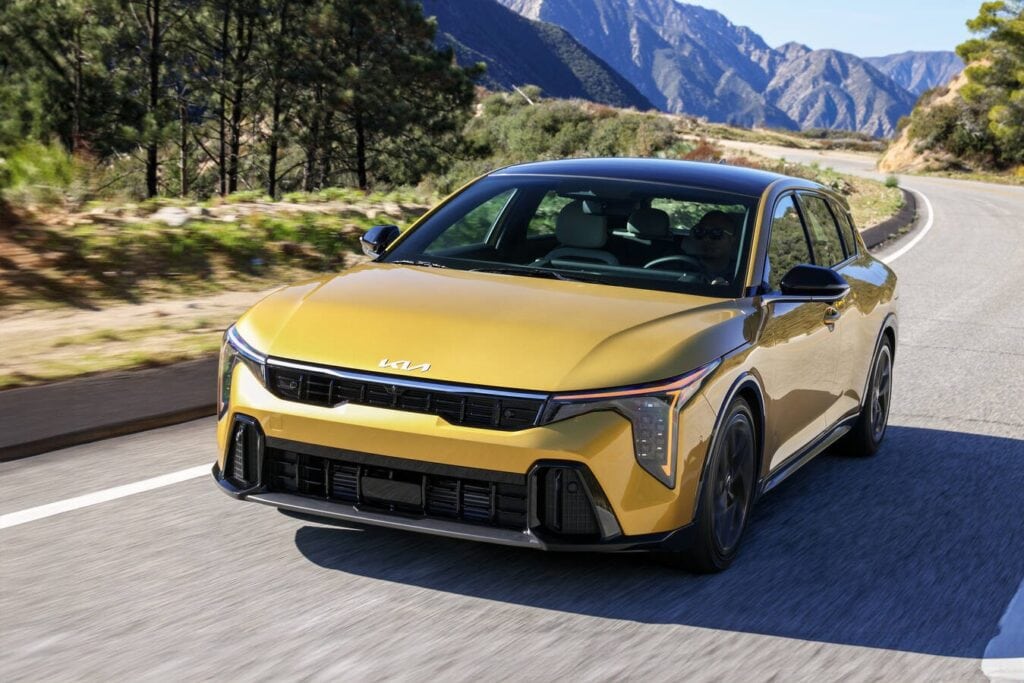
The 2026 Kia K4 Hatchback shows why this body style deserves a fresh look. Kia lists the model with an available 190-horsepower turbocharged engine, an available digital cockpit with 29.6 inches of combined display surface, and up to 59.3 cubic feet of cargo space with the rear seats folded. That is crossover-style usefulness without the crossover costume.
For a market where new vehicles have become expensive, the hatchback suddenly looks less like a compromise and more like a correction.
You also may enjoy: Exciting New Cars Under $30,000 This Summer.
|
What Actually Makes a Hatchback Different?
A hatchback is not simply a small car with a big rear door. The important idea is interior packaging. A hatchback combines the passenger area and cargo area into one shared space, then gives you a tall rear opening to access it.
That makes it much more flexible than a traditional sedan. In a sedan, the trunk is separated from the cabin. In a hatchback, the rear seats can fold down and turn the back of the vehicle into a larger, more usable cargo area.
That matters in real life. Grocery runs, camera gear, dog crates, luggage, strollers, sports bags, and awkward home-improvement purchases are easier to load through a large liftgate than through a small trunk opening.
This is why hatchbacks are so clever. They do not need to be huge to be useful. They use their space properly. The EPA Automotive Trends Report explains that fuel economy is strongly influenced by design factors such as weight, power, acceleration, and size. Smaller, lighter vehicles generally have a natural efficiency advantage when compared with larger, heavier alternatives.
Why Americans Chose SUVs Instead
Americans did not reject hatchbacks because they were bad. They rejected them because SUVs became more emotionally appealing.
From the 1990s onward, buyers moved toward taller vehicles because height suggested safety and size suggested capability. Sitting higher made drivers feel more confident. A larger vehicle looked more prepared for family life, bad weather, road trips, and the general chaos of being an adult.
That perception became powerful. Crossovers offered the flexible rear opening of a hatchback, but added a taller stance and a more rugged image. For many families, that became the default choice.
The problem is that image often costs money. Taller vehicles can be heavier. They can use more fuel. They can be harder to park. They can also cost more to buy, insure, and maintain. The Department of Energy’s guidance on driving more efficiently notes that extra vehicle weight can reduce fuel economy, which is one reason smaller vehicles remain relevant for cost-conscious drivers.
You also may enjoy: The Tiny SUVs Outselling the Big Guys.
Why Hatchbacks Make Sense Again
The average new vehicle price in America has pushed many shoppers into uncomfortable territory. That changes the value equation. When monthly payments rise, practicality becomes more important than image.
A compact hatchback gives buyers the things they actually use every day: good cargo access, flexible rear seats, easier parking, lower running costs, and enough room for normal family life. It does all of that without making the vehicle unnecessarily large.
The Kia K4 Hatchback fits that moment well. It starts below many compact SUVs while offering cargo space that overlaps with them. It gives buyers the practicality they want without forcing them into a taller, heavier vehicle.
For city drivers, that matters. For commuters, that matters. For families trying to keep costs sensible, that really matters. It is also why shoppers should compare individual safety results rather than relying on size alone. The NHTSA 5-Star Safety Ratings database lets buyers compare crash-test performance across specific vehicles.
You also may enjoy: The $20,000 Car Is Dead in 2026: Cheap Options That Deliver.
The Kia K4 Hatchback Makes the Case
The 2026 Kia K4 Hatchback is not trying to be a hot hatch. It is trying to be a practical car done properly.
The standard engine is a 147-horsepower 2.0-liter four-cylinder. That is not dramatic, but it is enough for commuting, errands, and everyday driving. Buyers who want more power can choose the available 190-horsepower turbocharged 1.6-liter engine paired with an eight-speed automatic transmission.
That turbo engine is not about turning every freeway ramp into a qualifying lap. It is about making merging and passing feel calmer. Sometimes the best performance feature is simply not feeling mildly stressed while joining traffic.
Higher trims also bring independent rear suspension. That sounds technical, but the benefit is easy to understand. Instead of both rear wheels reacting together, independent suspension allows each wheel to respond separately to bumps and uneven pavement. That can improve comfort, stability, and confidence on rougher roads.
It is real mechanical improvement, not decorative technology wearing a shiny badge.
Cargo Space Is the Main Event
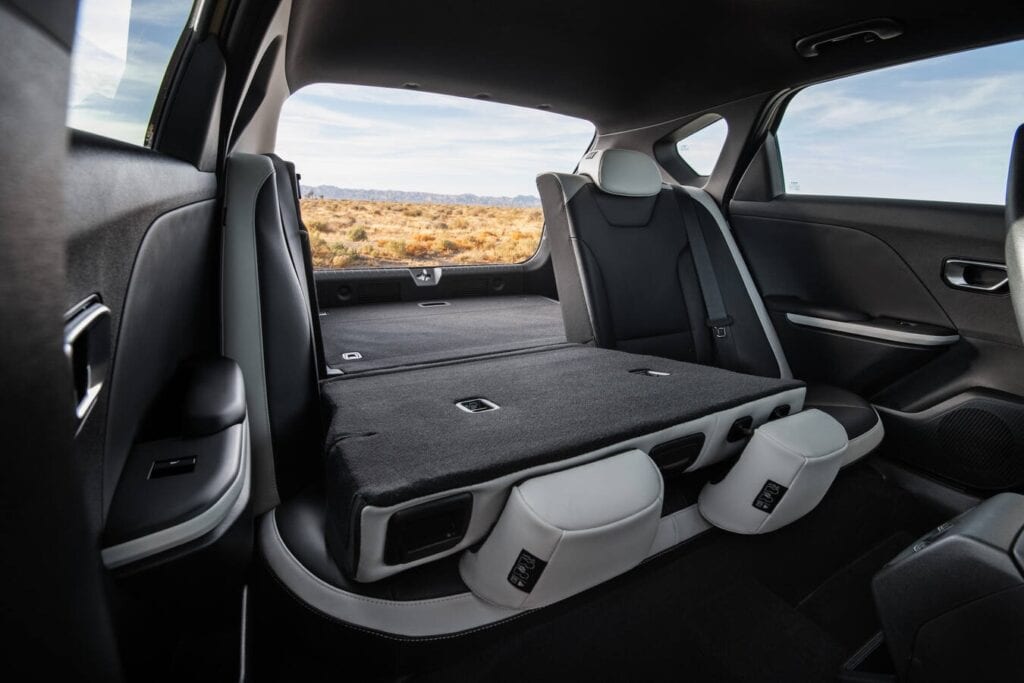
The K4 Hatchback offers about 22 cubic feet of cargo space behind the rear seats. That is already useful for groceries, bags, daily gear, and the equipment people actually carry.
Fold the rear seats, and cargo room expands to 59.3 cubic feet. That is the number that makes the hatchback argument difficult to ignore.
Many compact crossovers sell themselves on usable space, but the K4 Hatchback delivers similar day-to-day practicality in a lower, easier-to-manage package. It does not pretend you are about to cross the Andes. It simply helps you load your life into the back without needing a larger vehicle.
That honesty is refreshing.
You also may enjoy: Trump EU Car Tariffs Could Raise Luxury Car Prices.
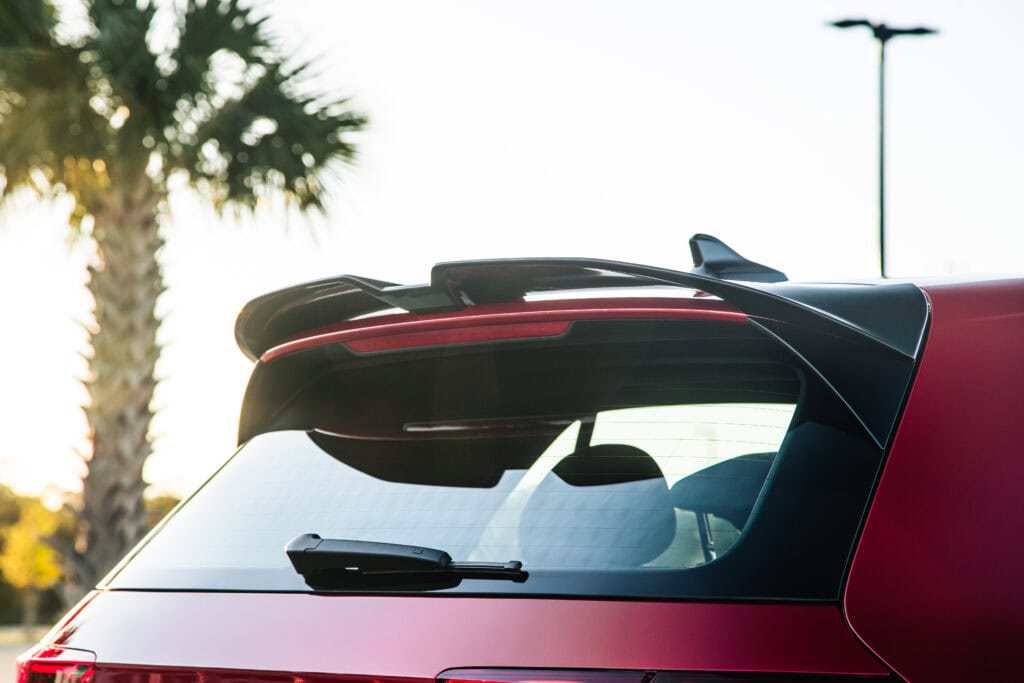
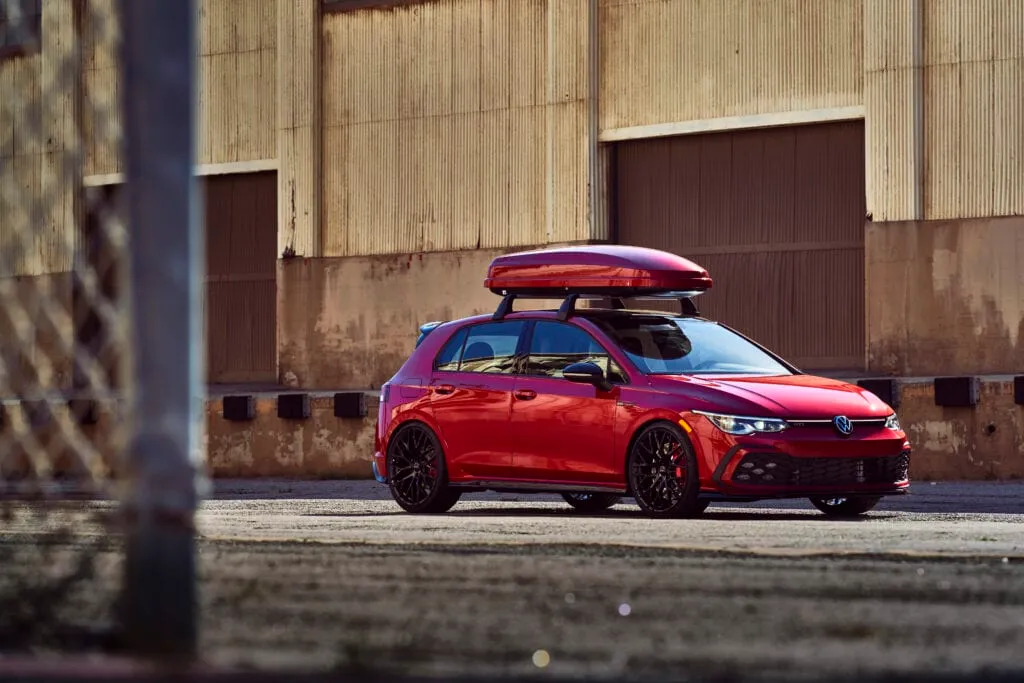
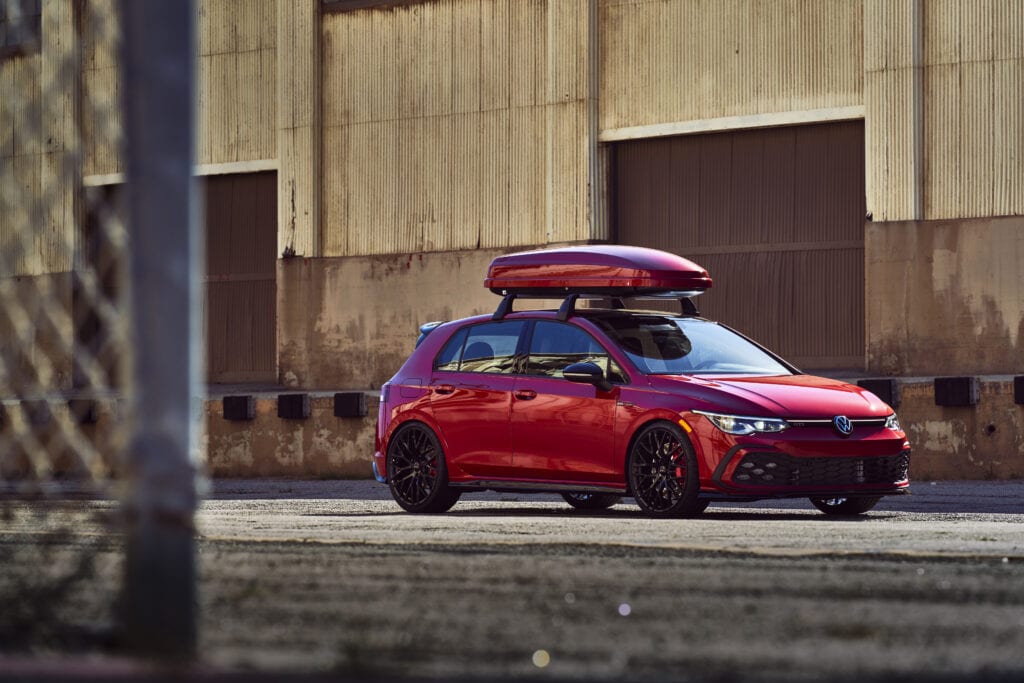
The Golf Proved Hatchbacks Could Be Fun
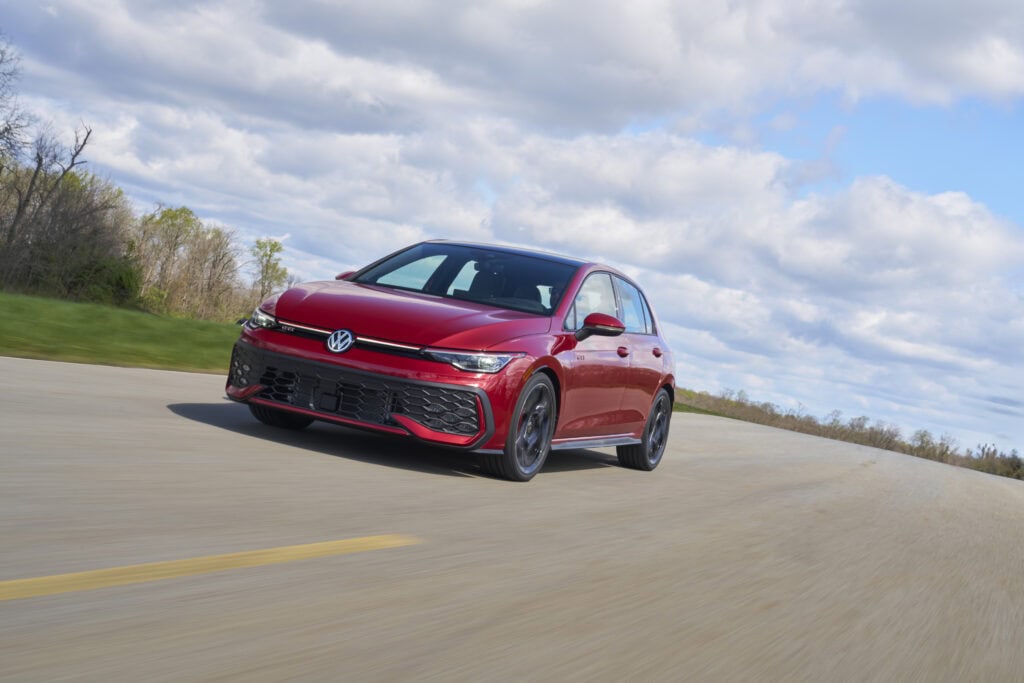
The Volkswagen Golf helped prove that a hatchback could be more than basic transportation. The GTI created the modern hot hatch formula by combining performance, compact size, and daily usability.
That formula still works. A good hatchback can be practical during the week and entertaining on the weekend. It can carry groceries, handle a commute, and still make a back road feel interesting.
Today’s Golf R takes that idea further with serious power, all-wheel drive, and the kind of acceleration that makes “practical hatchback” sound slightly mischievous. Sensible excess is still excess, but at least it has a rear hatch.
The point is not that every hatchback needs to be fast. The point is that the body style is flexible. It can be affordable, efficient, sporty, premium, hybrid, or electric. The shape does not force one personality. It simply creates useful space.
Other Hatchbacks Still Matter
The K4 is not alone. Several hatchbacks still make sense for American buyers.
The Honda Civic Hatchback Hybrid combines 200 horsepower with strong city fuel economy. That is a useful blend because it proves efficiency does not have to feel joyless. Electric motor assist helps with smooth response, while the hatchback body adds cargo flexibility. The U.S. Department of Energy’s Alternative Fuels Data Center explains that hybrid electric cars use an internal combustion engine and one or more electric motors, with battery energy recovered through regenerative braking and engine operation.
The Toyota Corolla Hatchback keeps things simple. Its naturally aspirated 169-horsepower engine focuses on predictable ownership rather than drama. For many buyers, that is exactly the point. Not everyone wants excitement from a compact car. Some people want reliability, efficiency, and a vehicle that does not develop expensive hobbies.
The Mazda3 Hatchback takes a more premium approach. With available turbocharging, upscale design, and a more polished cabin feel, it proves a practical compact car does not have to look cheap.
The Subaru Impreza adds standard all-wheel drive, which gives it a clear advantage in wet, snowy, or unpredictable weather. Subaru builds hatchbacks as if the forecast has been drinking. For many Americans, that is entirely reasonable.
You also may enjoy: Why Hybrids Are Suddenly the Smarter Choice Over EVs in 2026.
Even EVs Like Hatchback Logic
Electric vehicles often benefit from hatchback-style packaging. Battery packs are usually placed under the floor, which can raise cabin height and change interior proportions. A rear hatch helps preserve useful cargo access.
That is why vehicles like the Kia EV6 use hatchback logic, even if they are styled more like futuristic crossovers. The shape still makes sense. A large rear opening, flexible cargo area, and usable cabin volume are valuable whether the vehicle runs on gasoline, hybrid power, or electricity.
The technology may change, but the packaging logic stays familiar. The Alternative Fuels Data Center explains that all-electric cars use a large traction battery pack to power an electric motor instead of an internal combustion engine, which makes interior packaging a central part of EV design.
The Lifestyle Argument
The smartest thing about a hatchback is that it does not require a lifestyle costume.
Many SUVs are marketed as adventure machines, even when their most difficult weekly task is surviving a crowded school parking lot. Hatchbacks are more honest. They do not ask you to pretend a trip to Costco is an expedition. They simply make daily life easier.
For families, the rear hatch helps with strollers, backpacks, groceries, and sports gear. For dog owners, the cargo area is easier to access than a sedan trunk. For commuters, smaller size and better efficiency can matter more than extra ground clearance. For city drivers, easier parking is not a luxury. It is emotional support.
That is the real appeal. Hatchbacks are not niche cars. They are practical cars America forgot how to appreciate.
The Final Word
The hatchback is not coming back because Americans suddenly became European. Let’s not get carried away. This is still a country where cupholders are treated as a constitutional issue.
But the reasons to ignore hatchbacks are getting weaker. Vehicles are expensive. Efficiency matters. Parking matters. Practical cargo space matters. And modern hatchbacks no longer feel like punishment for buying sensibly.
The 2026 Kia K4 Hatchback shows why the format still works. It offers useful space, smart pricing, available turbo power, real suspension upgrades, modern displays, and a footprint that does not require its own ZIP code.
Americans did not suddenly fall in love with hatchbacks. They simply ran out of good reasons to avoid them.
Turns out Europe was not strange. Just early.