How to Move Building Material in Home Construction

Vehicles
You need the right vehicle to move building materials safely, legally, and efficiently. Match the vehicle to the load weight, size, lifting needs, and site access conditions to avoid delays and damage.
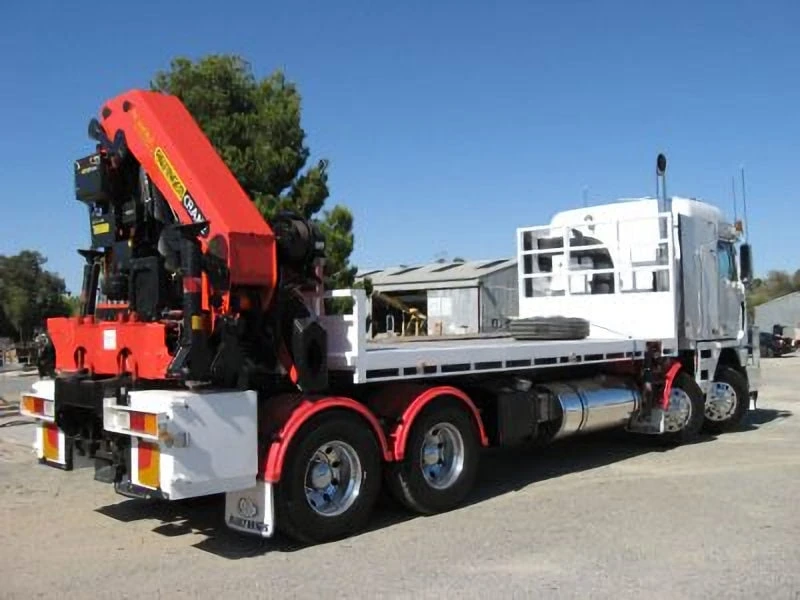
Using Crane Trucks
Crane trucks, or crane-mounted trucks, combine transport and lifting in one unit. You can deliver and place materials such as roof trusses, steel beams, structural timber, and palletized bricks without hiring a separate mobile crane.
Most crane trucks use a hydraulic knuckle boom mounted behind the cab. You should check:
- Maximum lifting capacity at required reach
- Vehicle gross mass (GVM) and axle load limits
- Stabilizer footprint and ground conditions
You must deploy outriggers on stable, level ground before lifting. Soft soil or uncompacted fill can cause instability, so use load-rated pads where required.
Plan the lift path before arrival. Confirm overhead powerlines, tree branches, and site access width, as these often limit where the truck can be positioned. A licensed operator should control the crane at all times, and you should keep all workers clear of the suspended load.
Using Trailers
Trailers suit smaller or staged deliveries, especially if you already own a suitable tow vehicle. You can use them to move timber packs, plasterboard, insulation, doors, and bagged cement in manageable quantities.
You must confirm your vehicle’s towing capacity and ensure the combined mass stays within legal limits. Overloading reduces braking performance and increases sway risk.
Secure every load using rated straps or chains. Position the weight slightly forward of the axle to maintain stable towing, but avoid excessive drawbar weight. Always cover loose materials to prevent loss during transit.
Using Flatbed & Tipping Trucks
Flatbed trucks handle large, awkward, or palletized materials. You can load steel sections, timber frames, precast panels, and bulk deliveries using a forklift or crane.
Flatbeds provide open access from the sides and rear, which simplifies unloading on tight residential sites. You must secure loads with edge protectors and tensioned straps to prevent movement during braking.
Tipping trucks suit bulk loose materials such as:
- Sand
- Crushed rock
- Soil
- Gravel
Hydraulic tipping bodies allow fast unloading, but you need stable, level ground before raising the tray. Uneven surfaces increase rollover risk.
Check access width, overhead clearance, and turning space before scheduling delivery. Residential streets often restrict large rigid or articulated trucks, so confirm dimensions in advance.
Protecting Materials from Damage
Protect materials from moisture, impact, and poor handling while you move them. Control weather exposure, stabilize fragile items, and set up organized on-site storage to reduce waste and delays.
Weatherproofing During Transit
Rain, humidity, and direct sun damage timber, plasterboard, and metal fasteners during transport. You need to shield loads before the vehicle leaves the supplier.
Cover materials with heavy-duty tarpaulins or plastic sheeting and secure them tightly to prevent wind lift. Avoid loose covers that trap water and create pooling.
Keep timber and sheet products off trailer floors by placing them on raised pallets or dunnage. This limits contact with standing water and reduces warping.
For longer transport times, add moisture control such as absorbent packs in enclosed trucks. Store sensitive products away from direct sunlight to prevent heat distortion, especially adhesives and sealants.
Check weather forecasts before scheduling deliveries. If heavy rain is expected, delay transport or ensure the receiving area is fully covered and ready.
Securing Fragile Components
Glass panels, tiles, sanitaryware, and pre-finished joinery require firm restraint and padding. Movement during braking or cornering causes cracks and edge damage.
Use straps, braces, and purpose-built racks to prevent shifting. Tighten restraints enough to stop movement without crushing the material.
Wrap corners with cardboard protectors and foam padding. Separate stacked items with spacers so surfaces do not rub together.
Keep heavier materials low and distribute weight evenly across the vehicle. Uneven loads increase the risk of tipping and structural stress.
Train workers in correct lifting techniques and handling procedures. Poor handling leads to chips, fractures, and costly replacements.
Storage Considerations on Site
Set up a dry, covered storage area before materials arrive. Exposure on an open site increases moisture absorption and contamination.
Stack bricks and bagged materials on raised pallets rather than directly on soil. This prevents ground moisture from wicking into the stock.
Use racks designed for construction supplies to stop materials from falling or collapsing under their own weight. Follow load limits to reduce safety risks.
Separate hazardous substances from general building materials. This reduces contamination and keeps your site compliant with safety requirements.
Monitor humidity in enclosed storage areas with ventilation or dehumidifiers where needed. Timber and metal components stay stable when you control moisture levels.
Coordinating Delivery Schedules
You keep materials moving by aligning delivery times with your build sequence and site capacity. Clear communication with suppliers and deliberate on-site staging prevent congestion, damage, and delays.
Working With Suppliers
You start by issuing a material schedule that lists item types, quantities, required dates, and lead times. Tie each delivery to a specific build milestone such as slab pour, frame completion, or lock-up.
Confirm supplier capacity early, especially for long-lead items like windows, trusses, and custom joinery. Ask for written confirmation of delivery dates and transport details, including vehicle size and unloading requirements.
Use a simple tracking system:
- Order date
- Confirmed dispatch date
- Expected arrival time
- Responsible site contact
- Inspection status on arrival
Stagger deliveries to avoid site congestion. You reduce double handling when materials arrive close to the time they are needed rather than weeks in advance.
Maintain direct contact with a single supplier representative where possible. Quick communication allows you to adjust delivery times if weather, inspections, or earlier trades shift your program.
Staging Materials for Efficient Workflow
You designate clear unloading zones before the first delivery arrives. Mark access paths for trucks and lifting equipment to prevent clashes with trades or stored materials.
Store heavy or bulk items such as bricks, timber packs, and plasterboard close to their point of use. This reduces manual handling and limits repeated movement across the site.
Follow practical staging rules:
- Keep materials off the ground using pallets or dunnage.
- Protect moisture-sensitive items with breathable covers.
- Separate materials by trade to avoid confusion.
- Maintain clear walkways that meet safety requirements.
Coordinate staging with your build sequence. For example, position roof tiles where a crane can access them easily, and stack internal linings near future installation areas only after the structure is weather-tight.
Review the site weekly and relocate materials as work progresses. Active management prevents clutter and keeps your workflow steady.